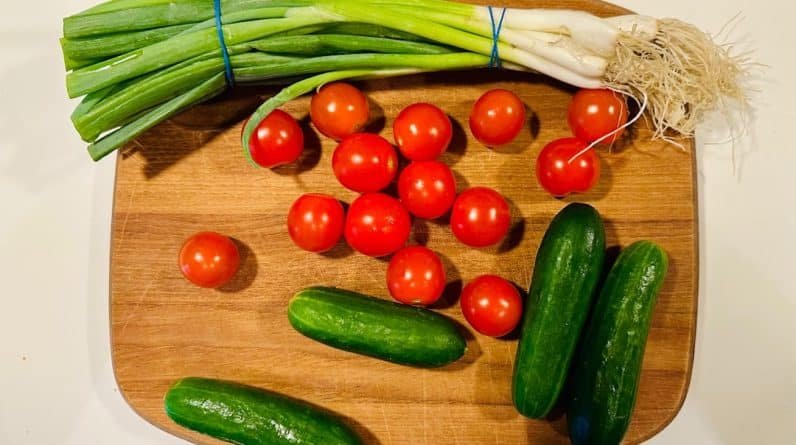
Are you interested in a diet that combines the benefits of vegetarianism with the principles of keto? The vegetarian keto diet plan might just be the perfect fit for you! This unique diet allows you to enjoy the health benefits of both lifestyles—without compromising on your dietary preferences. In this guide, you’ll find all the information you need to get started on this exciting culinary journey.

Understanding the Vegetarian Keto Diet
The vegetarian keto diet merges the low-carbohydrate, high-fat approach of the ketogenic diet with a vegetarian lifestyle. By cutting down on carbs and increasing healthy fats, you can promote weight loss, maintain stable energy levels, and improve your mental clarity, all while adhering to vegetarian principles. You can still enjoy a variety of flavorful meals without meat.
What is the Ketogenic Diet?
Before diving deeper into the vegetarian aspect, let’s clarify what the ketogenic diet entails. The ketogenic diet typically consists of high-fat, moderate-protein, and very low-carbohydrate food options. The primary goal is to force your body into a state of ketosis, wherein it burns fat for energy instead of carbohydrates.
Key Principles of Vegetarianism
Vegetarianism excludes meat, fish, and in some cases, other animal products as well. This lifestyle is often embraced for various reasons, including ethical concerns regarding animal welfare, environmental sustainability, and personal health benefits.
By integrating these two dietary approaches, you can embrace a diet that offers diversity, health benefits, and ethical considerations.
Benefits of a Vegetarian Keto Diet Plan
Switching to a vegetarian keto diet can have various advantages. Here are some key benefits that might intrigue you:
Weight Loss
The ketogenic diet is renowned for aiding weight loss, primarily due to its low-carb nature. When you combine this with vegetarian principles, you can create a low-calorie meal plan that supports your weight loss goals without feeling deprived.
Nutrient Density
A vegetarian keto diet allows you to focus on whole, nutrient-dense foods like vegetables, nuts, seeds, and healthy fats. These foods provide essential vitamins, minerals, and antioxidants that your body needs to thrive.
Improved Longevity
Studies have shown that both vegetarian diets and ketogenic diets can promote longevity. By reducing your intake of processed foods and focusing on healthy fats and plant-based ingredients, you can potentially enhance your overall health.
Enhanced Energy Levels
After adapting to a ketogenic diet, many people report experiencing more stable energy levels. By eliminating sugar and highly processed carbs, you can avoid the energy crashes and spikes typical of a carb-heavy diet.
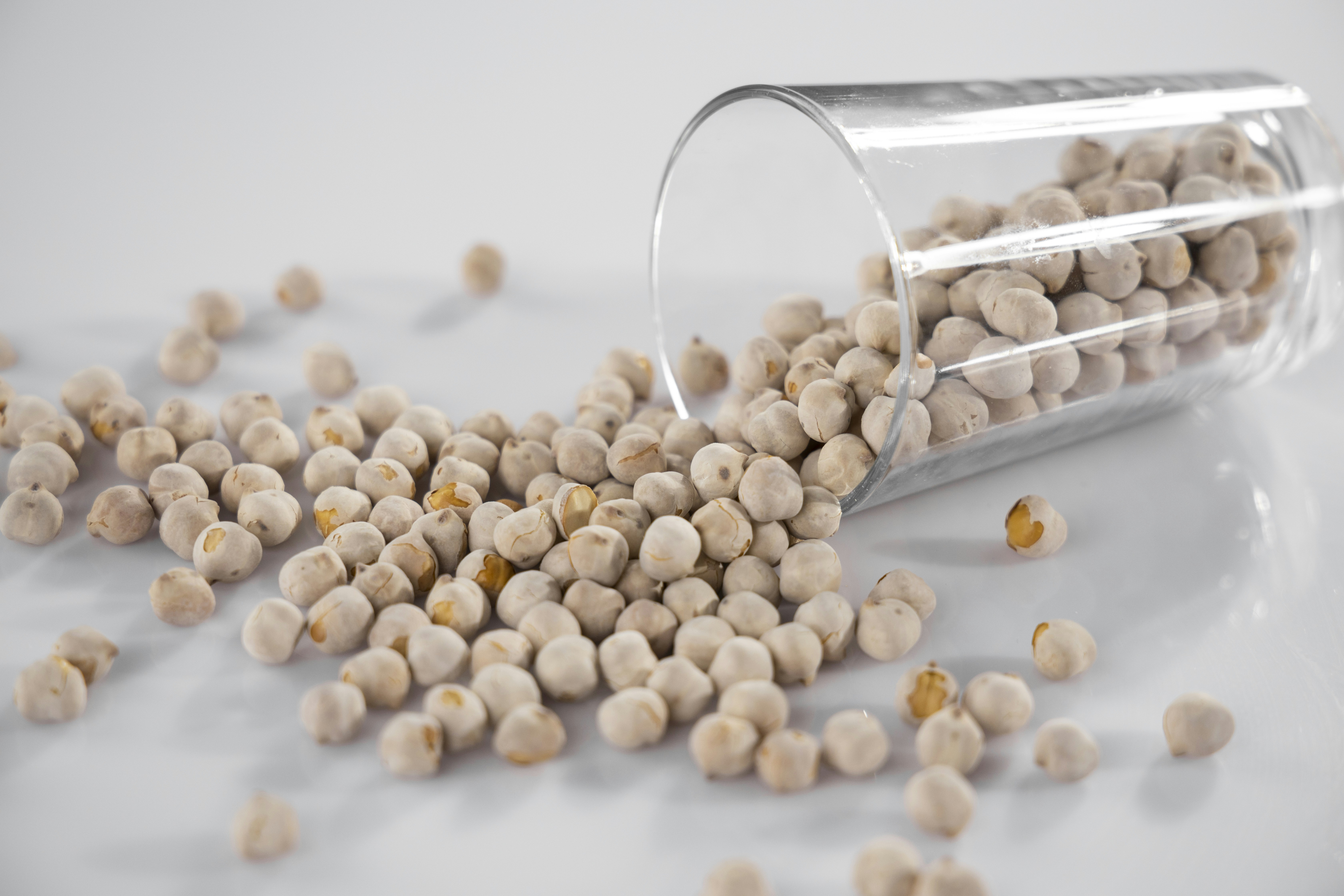
Getting Started with a Vegetarian Keto Diet
Beginning your vegetarian keto journey doesn’t have to be overwhelming. Taking it step by step and planning your meals can make the transition smoother.
Planning Your Meals
A well-structured meal plan is crucial to sticking with your diet. Focus on incorporating a variety of foods to ensure you’re meeting your nutritional needs. Here’s a simple framework to get you started:
| Meal | Ideas |
|---|---|
| Breakfast | Smoothie with spinach, avocado, and almond milk |
| Lunch | Salad with mixed greens, nuts, and olive oil |
| Dinner | Grilled portobello mushrooms with zucchini noodles |
| Snacks | Celery sticks with nut butter, cheese, or olives |
Be sure to include nutrient-rich foods that fit your dietary restrictions. Keep in mind that while you should focus on healthy fats and low-carb vegetables, sources of protein are also important.
Understanding Macronutrients
Getting the right balance of macronutrients—fats, proteins, and carbohydrates—is vital for the success of your vegetarian keto diet.
| Macronutrient | Suggested Ratio |
|---|---|
| Fats | 70-80% |
| Protein | 15-25% |
| Carbohydrates | 5-10% |
You may need to adjust these ratios according to your individual needs and preferences, especially if you are active or have specific health concerns.
Food to Include in Your Vegetarian Keto Diet
When transitioning to a vegetarian keto diet, it’s helpful to know which foods to include. Here are some excellent options you can enjoy:
Low-Carb Vegetables
Focus on non-starchy vegetables that provide essential nutrients without significant carbohydrates. Here’s a list of great options:
- Spinach
- Kale
- Broccoli
- Cauliflower
- Zucchini
- Bell peppers
- Asparagus
Incorporating these veggies will help you stay within your carb limits while getting plenty of fiber and nutrients.
Healthy Fats
Fats are a major player in the ketogenic diet. Here are some vegetarian-friendly fat sources:
- Avocado
- Nuts and seeds (almonds, flaxseeds, chia seeds)
- Nut butters (almond, cashew)
- Coconut oil
- Olive oil
- Flaxseed oil
Use these fats in cooking and as ingredients in your meals to meet your daily fat intake.
Protein Sources
While protein can be a bit trickier for vegetarians on a keto diet, several options are available:
- Tofu and tempeh
- Seitan
- Edamame
- Greek yogurt
- Cheese (if you consume dairy)
- Eggs (if you are an ovo-vegetarian)
Mixing and matching these protein sources can help you achieve a well-rounded diet.
Foods to Avoid
Being aware of foods that don’t fit into a vegetarian keto diet is crucial. Here are some you should steer clear of:
- Bread and other baked goods
- Rice and pasta
- Sugary snacks
- Starchy vegetables (potatoes, corn)
- Most fruits (focus on berries in moderation)
Avoiding these foods will help you maintain your keto state.
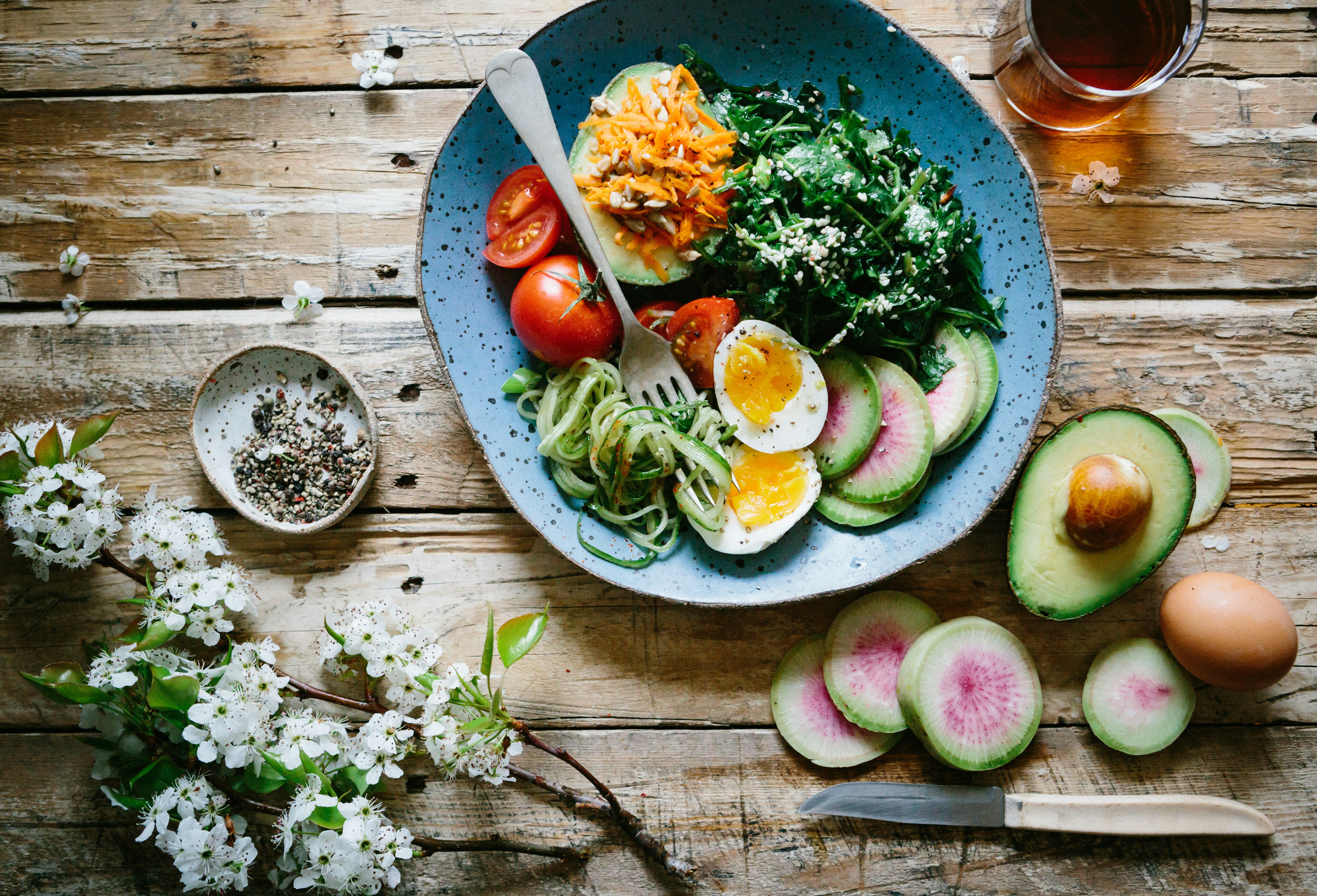
Tips for Success on the Vegetarian Keto Diet
Transitioning to a new diet can present challenges, but with the right mindset and habits, you can achieve success. Keep these tips in mind as you embark on your vegetarian keto journey:
Experiment with Recipes
Trying new recipes can make your meals exciting. Search for vegetarian keto-specific recipes to expand your culinary repertoire. With so many creative dishes available, you’ll never feel bored with your meals.
Stay Hydrated
Keeping yourself hydrated is a crucial part of any diet. Aim to drink water consistently throughout the day. Consider herbal teas or infused water if you want variety.
Monitor Your Progress
Keeping track of your food intake, hydration, and overall health can give you insight into what works best for you. Consider using apps or journal entries to log your meals and energy levels.
Listen to Your Body
It’s vital to pay attention to how your body responds to this new way of eating. If something doesn’t feel right or you’re experiencing discomfort, reassess your food choices and make necessary adjustments.
Seek Support
Feeling supported on your journey can be incredibly motivating. Join online forums or local groups for others following a vegetarian keto diet. Sharing your experiences, tips, and challenges can be beneficial for everyone involved.
Potential Challenges of a Vegetarian Keto Diet
While a vegetarian keto diet has its benefits, facing challenges along the way is natural. Being aware of these potential roadblocks can help you prepare for them:
Nutritional Deficiencies
Eliminating certain food groups can lead to nutritional gaps. Ensuring you’re sourcing your vitamins and minerals from various foods is vital. Pay extra attention to nutrients like iron, vitamin B12, and omega-3 fatty acids, often found in meat and fish.
Social Situations
Dining out or attending social gatherings may become tricky since many menus don’t cater to unconventional diets. Prepare in advance by checking restaurant menus or bringing a dish to share.
Adjusting to the Diet
Shifting your eating patterns might cause initial discomfort or cravings. This phase can take some time, but being consistent and patient with yourself will yield results in the long run.
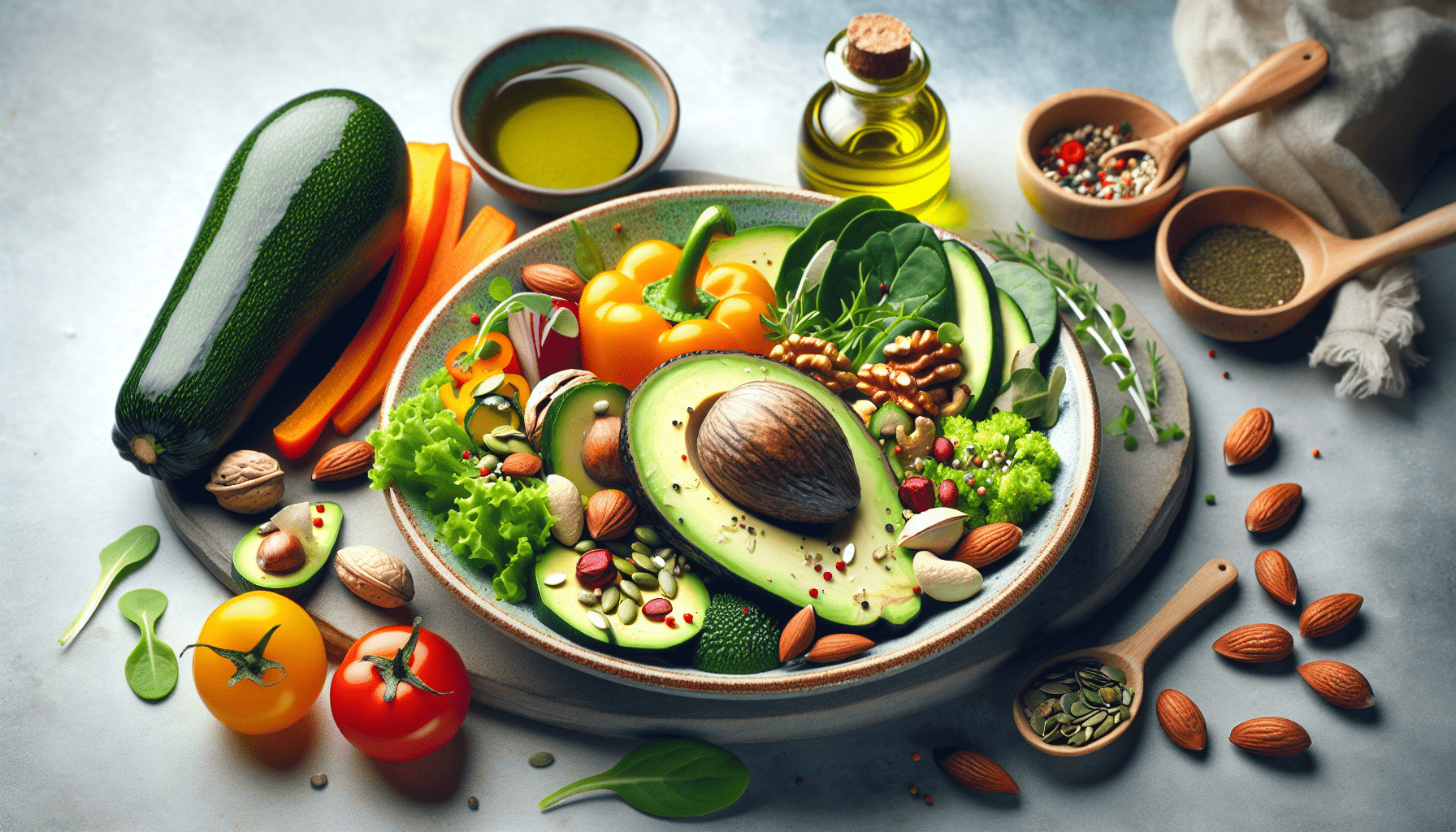
Conclusion
Embarking on a vegetarian keto diet may seem daunting initially, but the journey can have rewarding outcomes for your health and well-being. By focusing on nutritious foods, planning your meals effectively, and staying aware of the challenges, you can create a fulfilling, sustainable lifestyle that aligns with your dietary goals.
Now that you’re equipped with knowledge and strategies for a vegetarian keto diet, consider downloading our free PDF guide to further support you on your journey. Enjoy flexible recipes, meal plans, and more insights to help you achieve success and maintain your commitment to this nourishing lifestyle. Embrace the adventure, and remember to savor the flavors along the way!