Have you ever wondered how a high-fat, low-carb diet could help you reach your health goals? The Keto diet has gained a lot of attention in recent years, but what exactly does it entail? Understanding the Keto diet description can help you decide if it might be the right choice for you.

What is the Keto Diet?
At its core, the Keto diet, short for ketogenic diet, is focused on getting your body to enter a state known as ketosis. This is when your body shifts from using carbohydrates for energy to using fats. In simple terms, it’s all about significantly reducing your carbohydrate intake and replacing it with fat.
The Science Behind Ketosis
When you consume a diet high in carbohydrates, your body breaks them down into glucose, which is then used as energy. However, in a ketogenic diet, the reduction in carbs forces your body to search for alternative energy sources. This shift results in the liver converting fats into ketones, which then serve as fuel for your body.
How Does Ketosis Benefit You?
Entering ketosis can have numerous benefits, which many people seek when starting the Keto diet.
- Weight Loss: Since your body begins to burn stored fat instead of carbs, it can lead to significant weight loss.
- Reduced Hunger: High-fat foods are often more satisfying, meaning you may find yourself feeling full longer.
- Improved Mental Clarity: Some report better focus and cognitive function once adapted to ketosis.
- Stable Energy Levels: Unlike the energy crashes associated with sugar spikes, fat provides a more steady energy source.
Key Components of a Keto Diet
Understanding the main components of the Keto diet can help you tailor it to your lifestyle.
Macronutrient Ratios
The Keto diet is typically structured with specific macronutrient ratios. A general guideline is:
| Macronutrient | Percentage of Daily Caloric Intake |
|---|---|
| Fat | 70-75% |
| Protein | 20-25% |
| Carbohydrates | 5-10% |
These ratios can vary based on individual dietary needs, so it’s essential to listen to your body and possibly consult a health professional.
Types of Foods to Eat
When following the Keto diet, knowing what to include in your meals can help keep you on track.
Foods to Embrace
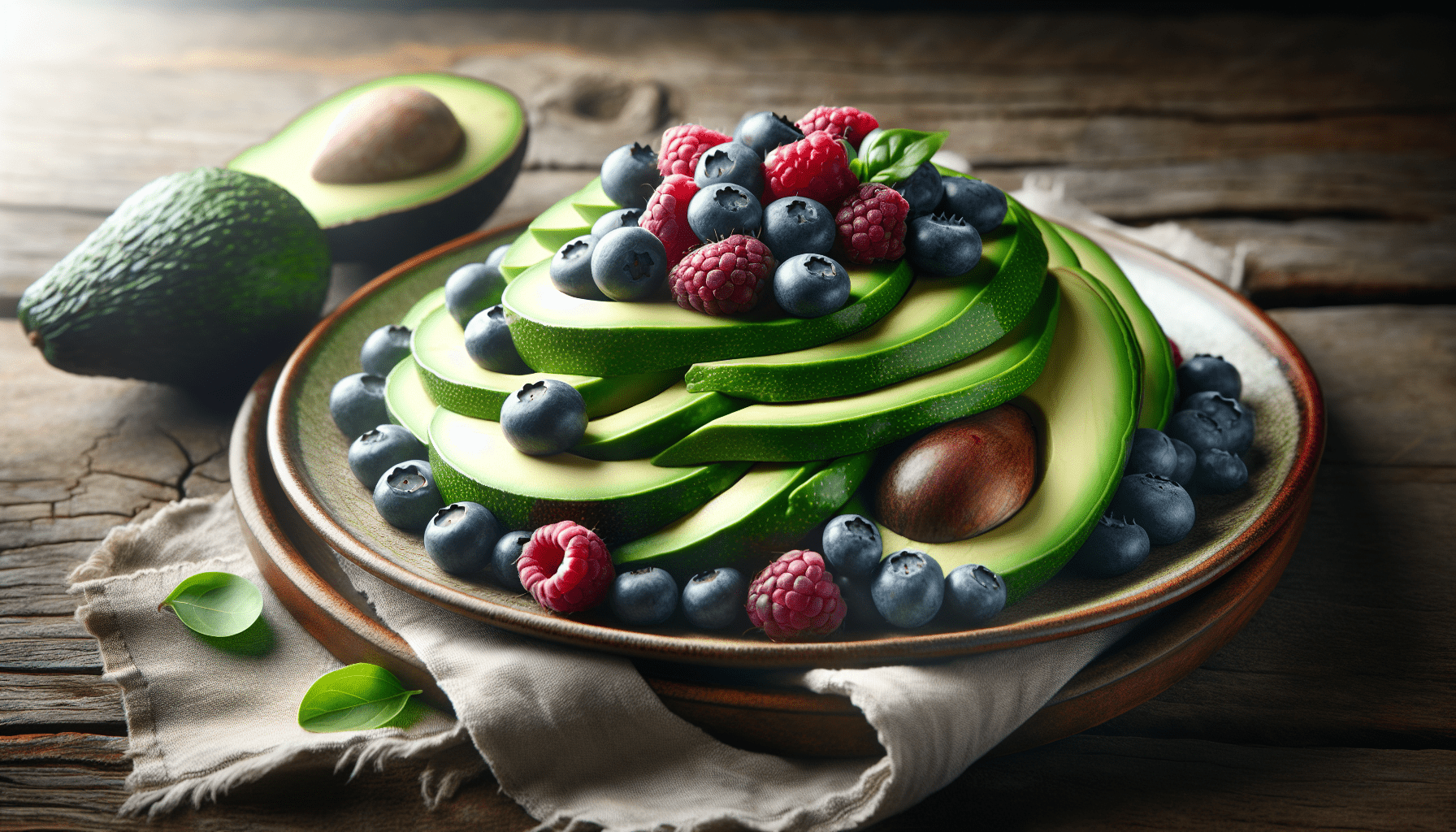
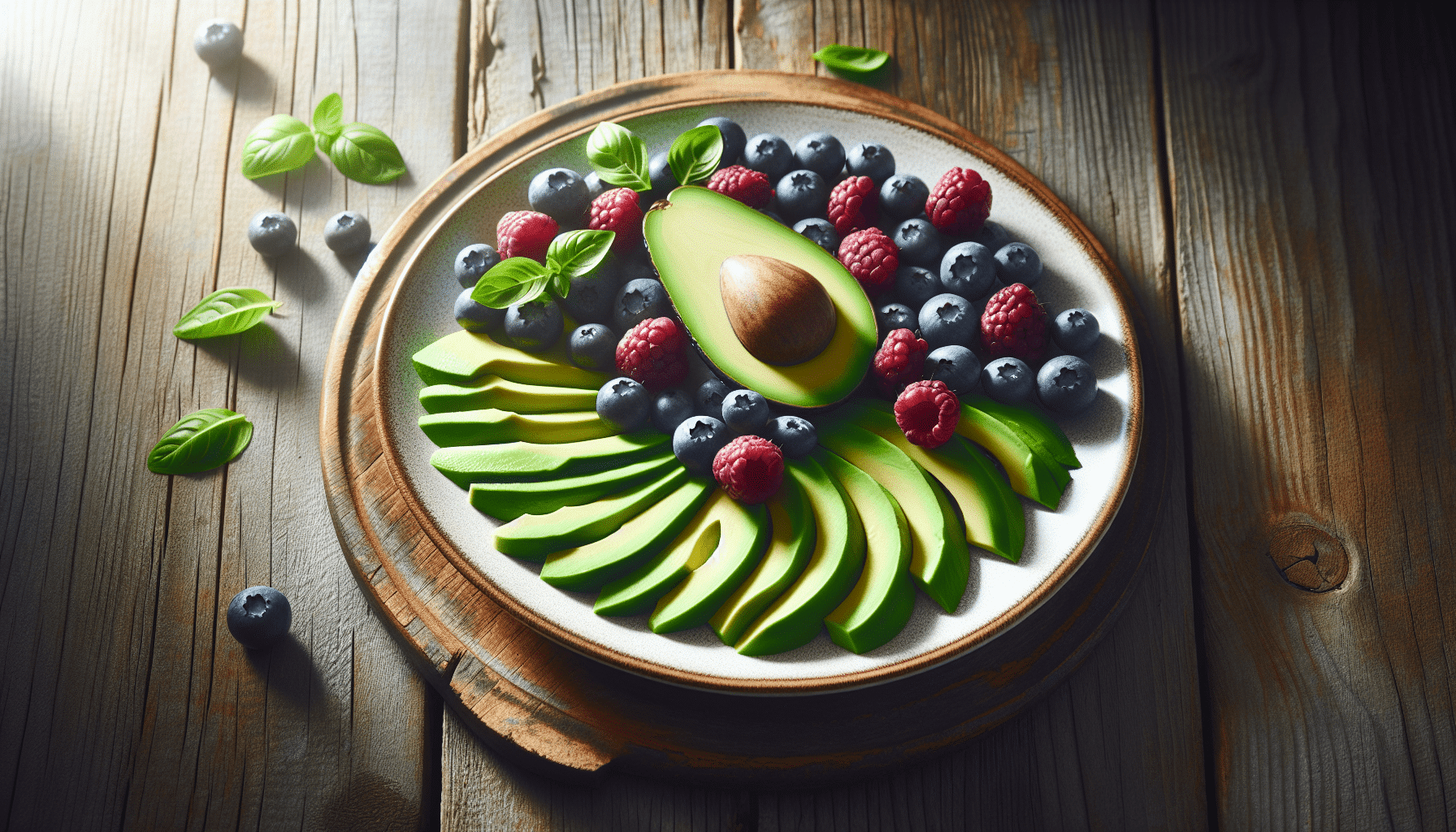
- Healthy Fats: Focus on avocados, nuts, seeds, olive oil, and butter.
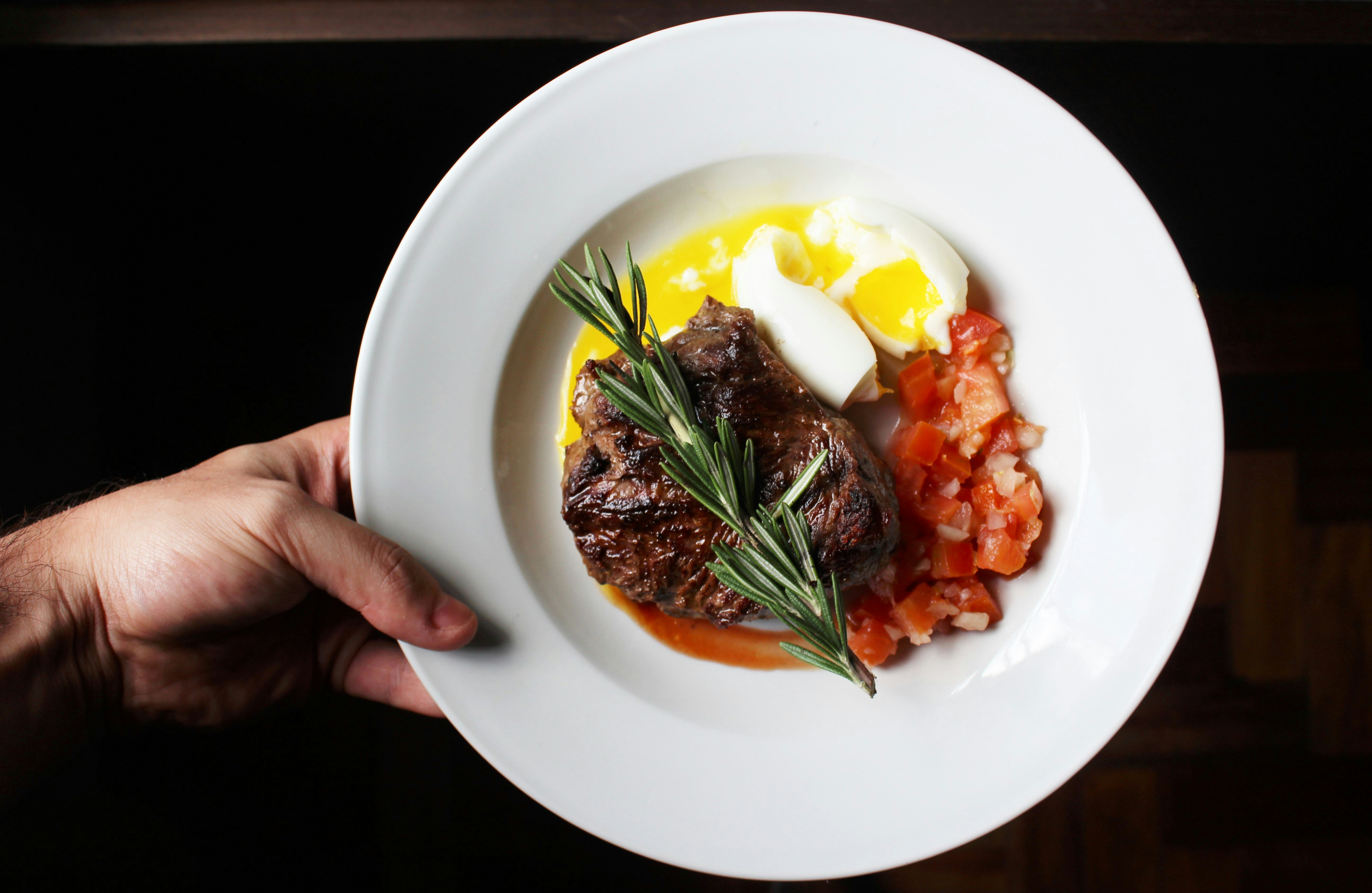
- Proteins: Include fatty cuts of meat, fish, eggs, and dairy.
- Low-Carb Vegetables: Opt for leafy greens, broccoli, cauliflower, and zucchini.
Foods to Avoid
On the flip side, some foods should be minimized or eliminated entirely:
- Sugary Foods: This category includes soda, candy, and pastries.
- Starches: Bread, pasta, and most grains fall into this group.
- Fruits: Most fruits are too high in sugar, although berries in moderation may be acceptable.
Meal Planning and Preparation
Plan your meals ahead of time to make sticking to the Keto diet easier.
Meal Ideas
- Breakfast Options: Consider making scrambled eggs with spinach and cheese or a smoothie with avocado and almond milk.
- Lunch Choices: A salad topped with grilled chicken, olive oil, and avocado makes for a satisfying meal.
- Dinners: Roast chicken with cauliflower mash or a beef stir-fry with low-carb veggies can be delicious.
Snacks
It’s essential to have Keto-friendly snacks on hand to prevent cravings. Good options include:
- Cheese slices
- Hard-boiled eggs
- Nuts and seeds
- Veggie sticks with guacamole

Common Challenges of the Keto Diet
While the Keto diet can offer many benefits, it does come with its own set of challenges that you should be aware of.
The Keto Flu
When starting, you may experience what’s commonly known as the “Keto flu.” Symptoms can include headache, fatigue, nausea, and irritability. This is your body adapting to a new source of fuel. Staying hydrated and ensuring you get enough electrolytes can help ease these symptoms.
Long-Term Sustainability
For some, the strict nature of the Ketogenic diet may make it hard to maintain long-term. It’s important to gauge how your body feels and to consider whether a more balanced approach may be better suited to your lifestyle.
The Keto Diet and Exercise
If you’re an active person, you might wonder how the Keto diet will affect your exercise routines.
Adapting to Exercise on Keto
Many people find they need to adjust their exercise regimen when starting Keto. Initially, high-intensity workouts may feel more challenging as your body adapts to burning fat for fuel.
Types of Exercise to Consider
As you move into a more sustainable Keto lifestyle, many find that lower-intensity exercises, such as walking, cycling, or yoga, work best. Once fully adapted, you may return to weightlifting or intense cardio.
Potential Health Benefits
The Keto diet isn’t just for weight loss; it also offers various potential health benefits.
Managing Blood Sugar Levels
For those struggling with diabetes or insulin resistance, the Keto diet can help stabilize blood sugar levels, leading to better overall management of the condition.
Neuroprotective Effects
Research shows that the ketogenic diet may offer neuroprotective effects, making it beneficial for conditions like epilepsy and even Alzheimer’s disease.
Cardiovascular Health
Some studies suggest that following a low-carb, high-fat diet may improve heart health markers, such as HDL cholesterol and triglyceride levels.
Getting Started with the Keto Diet
Starting any new diet can feel a bit overwhelming, but breaking it down can help ease the transition.
Setting Your Goals
Consider your motivations for going Keto. Whether you’re focusing on weight loss, better energy levels, or other health reasons, setting clear goals can help keep you motivated.
Tracking Your Progress
Using a journal or an app can be an excellent way to track your food intake and progress. Monitoring your macros ensures you stay within your desired ratios and adjust your approach as needed.
Finding Support
Joining a community, online or in person, can provide ongoing support. Sharing your experiences and challenges with others can be encouraging, and you can swap tips along the way.
Recipes to Try on the Keto Diet
One of the best aspects of any diet is discovering new recipes that are both enjoyable and compliant.
Breakfast Recipe: Keto Cloud Bread
Cloud bread is an excellent low-carb alternative to traditional bread.
Ingredients:
- 3 eggs
- 3 oz cream cheese
- 1/4 tsp cream of tartar
- Salt to taste
Instructions:
- Preheat your oven to 300°F (150°C).
- Separate the egg whites and yolks into two bowls.
- Whip the egg whites with cream of tartar until stiff peaks form.
- Mix the yolks with cream cheese and salt.
- Fold the whites into the yolk mixture gently.
- Shape the mixture into rounds on a baking sheet and bake for about 30 minutes.
Lunch Recipe: Zucchini Noodles with Pesto
A delicious and refreshing option.
Ingredients:
- 2 medium zucchinis, spiralized
- 1 cup pesto sauce
- Cherry tomatoes (optional)
Instructions:
- Sauté the zucchini noodles in olive oil for about 2-3 minutes.
- Toss with pesto sauce until evenly coated.
- Add cherry tomatoes if desired, and serve warm.
Dinner Recipe: Keto Beef Stroganoff
A comforting and rich dish.
Ingredients:
- 1 lb beef strips
- 1 cup mushrooms, sliced
- 1/2 cup beef broth
- 1/2 cup sour cream
- Garlic, onion, and spices to taste
Instructions:
- Sear beef strips in a skillet until browned.
- Add mushrooms, garlic, and onion, cooking until softened.
- Pour in beef broth and simmer for 10 minutes.
- Stir in sour cream before serving over low-carb vegetables.
Final Thoughts on the Keto Diet
Ultimately, the Keto diet can offer a unique approach to eating and health, but it’s not for everyone. Make sure you consider your personal lifestyle, preferences, and health conditions before making any drastic changes.
Taking it One Step at a Time
If you decide to embark on this journey, remember that it’s perfectly okay to take it slow. Making gradual changes can often lead to long-term success and is more sustainable than an abrupt switch.
Listening to Your Body
Pay attention to how your body responds as you transition into the Keto lifestyle. It’s essential to be in tune with your needs and adjust accordingly.
The journey may come with its ups and downs, but with some dedication and understanding, you may find that the Keto diet opens the door to a healthier and happier you.