Embarking on a ketogenic diet can be an exciting journey toward improved health and weight management. However, to truly reap the benefits of this low-carb, high-fat lifestyle, it’s crucial to understand what foods to avoid. The keto diet focuses on shifting your body into a state of ketosis, where it burns fat for fuel instead of carbohydrates.
To achieve this metabolic state, you must limit your intake of certain foods that can hinder your progress. This article will guide you through the essential avoid list, helping you make informed choices as you navigate your keto journey. Understanding what to avoid is just as important as knowing what to include in your diet.
By steering clear of specific food categories, you can maintain stable blood sugar levels and promote fat burning. This avoid list will cover various food groups, including processed foods, sugars, starchy vegetables, and more. By the end of this article, you’ll have a comprehensive understanding of what to keep off your plate to maximize the benefits of the keto diet.
Key Takeaways
- The Keto Diet Avoid List includes processed and refined foods, sugars and sweeteners, starchy vegetables and grains, fruits, dairy products, legumes and beans, alcohol, condiments and sauces, and snacks and treats.
- Processed and refined foods to avoid on the Keto Diet include white bread, pasta, and rice, as well as processed meats and snacks.
- Sugars and sweeteners to avoid on the Keto Diet include cane sugar, honey, maple syrup, and artificial sweeteners like aspartame and sucralose.
- Starchy vegetables and grains to avoid on the Keto Diet include potatoes, corn, and rice, as well as wheat and other grains.
- Fruits to avoid on the Keto Diet include bananas, grapes, and mangoes, as well as dried fruits and fruit juices.
Processed and Refined Foods to Avoid
Hidden Dangers in Processed Foods
When following a ketogenic diet, one of the first categories you should eliminate is processed and refined foods. These items are often loaded with hidden sugars and unhealthy fats that can sabotage your efforts. Processed foods typically contain additives and preservatives that not only contribute to weight gain but also disrupt your body’s natural metabolic processes.
Focusing on Whole, Nutrient-Dense Options
By avoiding these foods, you can focus on whole, nutrient-dense options that support your health goals. Instead of reaching for pre-packaged snacks or frozen meals, consider preparing fresh meals at home using whole ingredients. This approach allows you to control what goes into your food and ensures that you’re consuming only those ingredients that align with your keto lifestyle.
Choosing Healthy Ingredients
Opt for fresh vegetables, high-quality meats, and healthy fats like olive oil or avocado oil. By making these conscious choices, you’ll not only enhance your health but also enjoy the process of cooking and eating.
Sugars and Sweeteners to Avoid on the Keto Diet
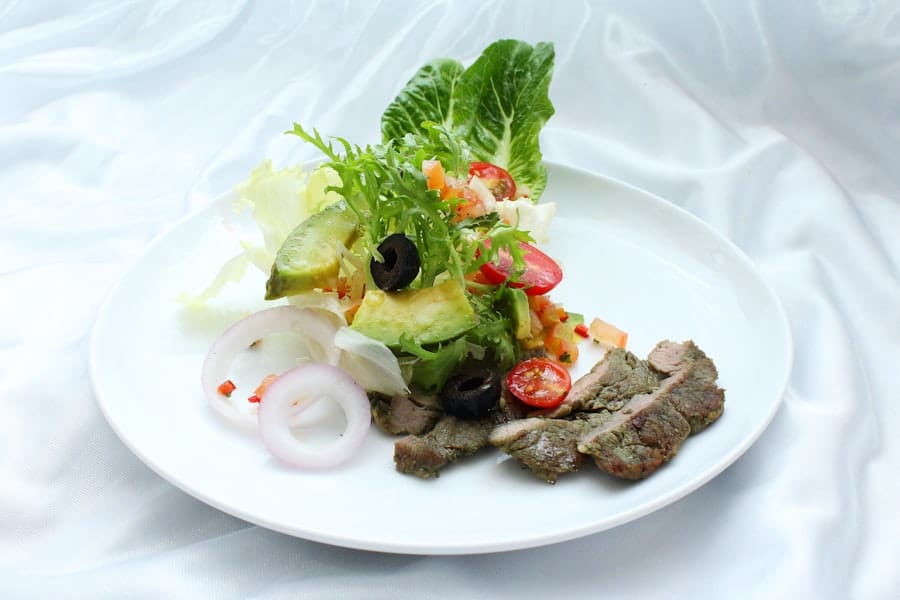
Sugars are perhaps the most significant culprits when it comes to hindering your progress on the keto diet. Traditional sugars, such as table sugar and high-fructose corn syrup, can spike your blood glucose levels and kick you out of ketosis. It’s essential to read labels carefully and be aware of hidden sugars in seemingly innocent products like sauces, dressings, and even some dairy items.
In addition to avoiding regular sugars, you should also be cautious with certain sweeteners that may not be keto-friendly. While some sugar substitutes are marketed as low-calorie or natural, they can still impact your insulin levels or contain hidden carbs. Sweeteners like agave nectar, honey, and maple syrup should be avoided entirely.
Instead, consider using keto-approved sweeteners such as stevia or erythritol in moderation. These alternatives can satisfy your sweet tooth without derailing your dietary goals.
Starchy Vegetables and Grains to Avoid
Starchy vegetables and grains are another category that requires careful consideration on the keto diet. Foods like potatoes, corn, peas, and carrots are high in carbohydrates and can quickly add up, making it challenging to stay within your daily carb limit. While these vegetables may be nutritious in their own right, they can hinder your ability to achieve ketosis if consumed in excess.
Grains are also a significant source of carbohydrates that should be avoided on a ketogenic diet. This includes bread, pasta, rice, and cereals—all staples in many diets but detrimental to your keto goals. Instead of these high-carb options, focus on non-starchy vegetables like leafy greens, broccoli, and cauliflower.
These alternatives provide essential nutrients while keeping your carb intake low, allowing you to maintain ketosis effectively.
Fruits to Avoid on the Keto Diet
Fruits are often perceived as healthy choices; however, many are high in natural sugars that can disrupt your ketogenic state. While fruits like berries can be enjoyed in moderation due to their lower sugar content, other fruits such as bananas, grapes, apples, and oranges should be avoided altogether. These fruits contain significant amounts of fructose that can quickly push you over your carbohydrate limit for the day.
If you’re craving something sweet from nature, consider incorporating small portions of low-carb fruits like strawberries or raspberries into your diet. These options provide antioxidants and vitamins without the excessive sugar found in other fruits. Remember that moderation is key; even low-carb fruits should be consumed sparingly to ensure you remain in ketosis.
Dairy Products to Avoid
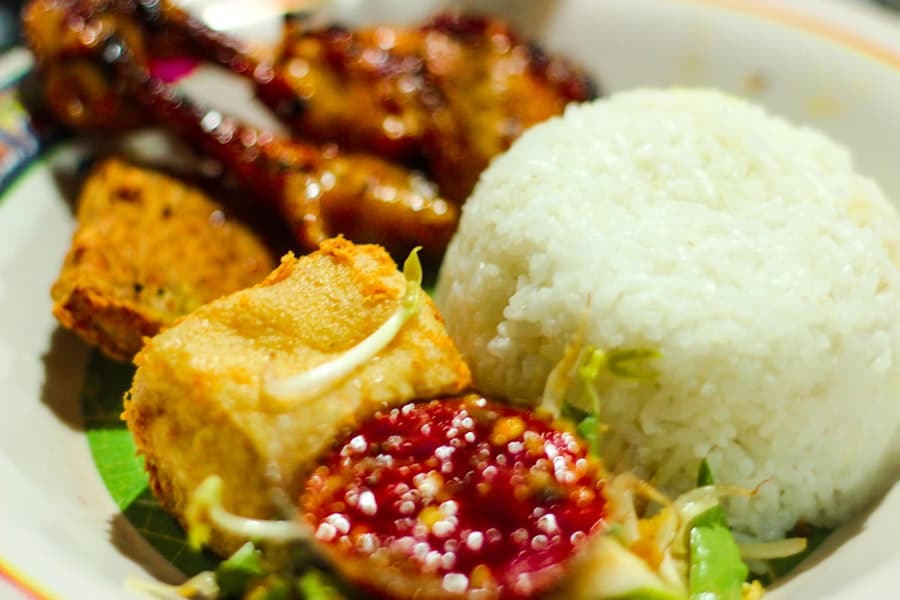
Dairy products can be a bit tricky on the keto diet since some are acceptable while others are not. Full-fat dairy options like cheese and heavy cream can fit into your meal plan; however, certain dairy products should be avoided due to their carbohydrate content. Milk, especially skim or low-fat varieties, contains lactose—a natural sugar that can interfere with ketosis.
Additionally, flavored yogurts and creamers often contain added sugars that make them unsuitable for a ketogenic lifestyle. If you enjoy dairy, opt for unsweetened almond milk or coconut milk as alternatives. When choosing cheese or cream products, always check the labels for hidden carbs and sugars to ensure they align with your dietary goals.
Legumes and Beans to Avoid on the Keto Diet
Legumes and beans are often considered healthy sources of protein and fiber; however, they are also high in carbohydrates. Foods like lentils, chickpeas, black beans, and kidney beans can quickly add up in terms of carb content, making them unsuitable for a ketogenic diet. While they may offer nutritional benefits in moderation for other diets, they can hinder your ability to maintain ketosis.
Instead of legumes, focus on incorporating other protein sources into your meals. Options like eggs, fish, poultry, and grass-fed meats provide ample protein without the added carbs found in beans. By making these substitutions, you’ll not only stay within your carb limits but also enjoy a diverse range of flavors and textures in your meals.
Alcohol to Avoid on the Keto Diet
Alcohol can pose a challenge when following a ketogenic diet due to its potential impact on ketosis. Many alcoholic beverages are high in sugars and carbohydrates that can quickly derail your progress. Beers are particularly problematic as they often contain significant amounts of carbs from grains used in brewing.
If you choose to indulge in alcohol while on keto, opt for spirits like vodka or gin mixed with soda water or low-carb mixers. Dry wines can also be acceptable in moderation; however, always check the labels for carb content before indulging. Remember that alcohol can affect your judgment regarding food choices as well; it’s essential to consume it mindfully to avoid slipping back into unhealthy eating habits.
Condiments and Sauces to Avoid
Condiments and sauces may seem harmless at first glance; however, many are packed with hidden sugars and unhealthy ingredients that can sabotage your keto efforts. Ketchup is notorious for its high sugar content; even small amounts can add up quickly if you’re not careful. Similarly, barbecue sauces often contain added sugars that make them unsuitable for a low-carb lifestyle.
Instead of relying on store-bought condiments, consider making your own versions at home using keto-friendly ingredients. For example, you can create a delicious homemade mayonnaise using olive oil and egg yolks or whip up a tangy mustard sauce without added sugars. By taking control of your condiments, you’ll enhance the flavor of your meals while staying true to your dietary goals.
Snacks and Treats to Avoid on the Keto Diet
Snacking can be a slippery slope when following a ketogenic diet; many popular snack options are laden with carbs that can quickly derail your progress. Chips, crackers, granola bars, and even certain protein bars often contain hidden sugars or refined grains that make them unsuitable for a low-carb lifestyle. Instead of reaching for these high-carb snacks, consider preparing keto-friendly alternatives at home.
Options like cheese crisps, nut butter with celery sticks, or homemade fat bombs can satisfy your cravings without compromising your dietary goals. By planning ahead and having healthy snacks readily available, you’ll be less likely to succumb to temptation when hunger strikes.
Conclusion and Final Thoughts on the Keto Diet Avoid List
Navigating the world of the ketogenic diet requires diligence and awareness regarding what foods to avoid. By steering clear of processed foods, sugars, starchy vegetables, certain fruits, legumes, alcohol, condiments with hidden sugars, and unhealthy snacks, you’ll set yourself up for success on this low-carb journey. Understanding these avoid lists empowers you to make informed choices that align with your health goals.
As you embark on this transformative path toward better health and wellness through the keto diet, remember that knowledge is power. The more informed you are about what foods hinder your progress versus those that support it, the easier it will be to stay committed to this lifestyle change. Embrace the journey ahead with confidence; by avoiding these specific food categories, you’ll pave the way for lasting success on your ketogenic adventure.
FAQs
What is the Keto Diet Avoid List?
The Keto Diet Avoid List is a list of foods that are typically high in carbohydrates and are therefore not recommended for consumption on a ketogenic diet.
Why should I avoid certain foods on the Keto Diet?
The goal of the keto diet is to enter a state of ketosis, where the body burns fat for fuel instead of carbohydrates. Consuming high-carb foods can prevent the body from entering or maintaining ketosis.
What foods are typically on the Keto Diet Avoid List?
Foods that are typically avoided on the keto diet include grains, starchy vegetables, most fruits, sugars, and processed foods.
Are there any specific types of fats to avoid on the Keto Diet?
While the keto diet emphasizes consuming healthy fats, it is recommended to avoid trans fats and hydrogenated oils, which are unhealthy fats that can increase the risk of heart disease.
Can I ever consume foods from the Keto Diet Avoid List?
While it is recommended to avoid these foods while trying to achieve ketosis, some individuals may be able to incorporate small amounts of these foods once they have reached their desired level of ketosis or as part of a cyclical ketogenic diet. It is important to consult with a healthcare professional or nutritionist before making any changes to your diet.