The ketogenic diet, commonly referred to as the keto diet, is a high-fat, low-carbohydrate eating plan designed to shift your body’s metabolism from burning glucose to burning fat. By drastically reducing your carbohydrate intake and replacing it with fat, your body enters a state known as ketosis. In this metabolic state, your liver converts fat into ketones, which serve as an alternative energy source for your brain and body.
This shift can lead to significant weight loss and improved energy levels, making the keto diet appealing to many. As you embark on your keto journey, it’s essential to understand the macronutrient breakdown that characterizes this diet. Typically, a standard keto diet consists of approximately 70-75% fat, 20-25% protein, and only about 5-10% carbohydrates.
This means that while you can enjoy a variety of delicious high-fat foods, you must be mindful of your carb intake, particularly from sources like grains, sugars, and starchy vegetables.
Key Takeaways
- The keto diet is a high-fat, low-carb eating plan that can help with weight loss and improved health.
- Low-carb vegetables like spinach, zucchini, and bell peppers are great options for the keto diet.
- Leafy greens such as kale, arugula, and Swiss chard are excellent choices for adding fiber and nutrients to a keto diet.
- Cruciferous vegetables like broccoli, cauliflower, and Brussels sprouts are low in carbs and high in fiber, making them ideal for the keto diet.
- Other keto-friendly vegetables include asparagus, mushrooms, and green beans, which can add variety and nutrients to a keto meal plan.
Low-Carb Vegetables for Keto
When following a keto diet, incorporating low-carb vegetables is crucial for maintaining nutritional balance while keeping your carbohydrate intake in check. Vegetables are packed with essential vitamins, minerals, and fiber, which are vital for overall health. However, not all vegetables are created equal when it comes to their carbohydrate content.
You’ll want to focus on those that are low in carbs to ensure you stay within your daily limits. Some of the best low-carb vegetables include zucchini, bell peppers, and mushrooms. Zucchini is incredibly versatile; you can spiralize it into noodles or use it in casseroles.
Bell peppers add a sweet crunch to salads and stir-fries, while mushrooms provide a hearty texture and umami flavor to various dishes. By incorporating these vegetables into your meals, you can enjoy a wide range of flavors and textures without compromising your keto goals.
Leafy Greens for Keto
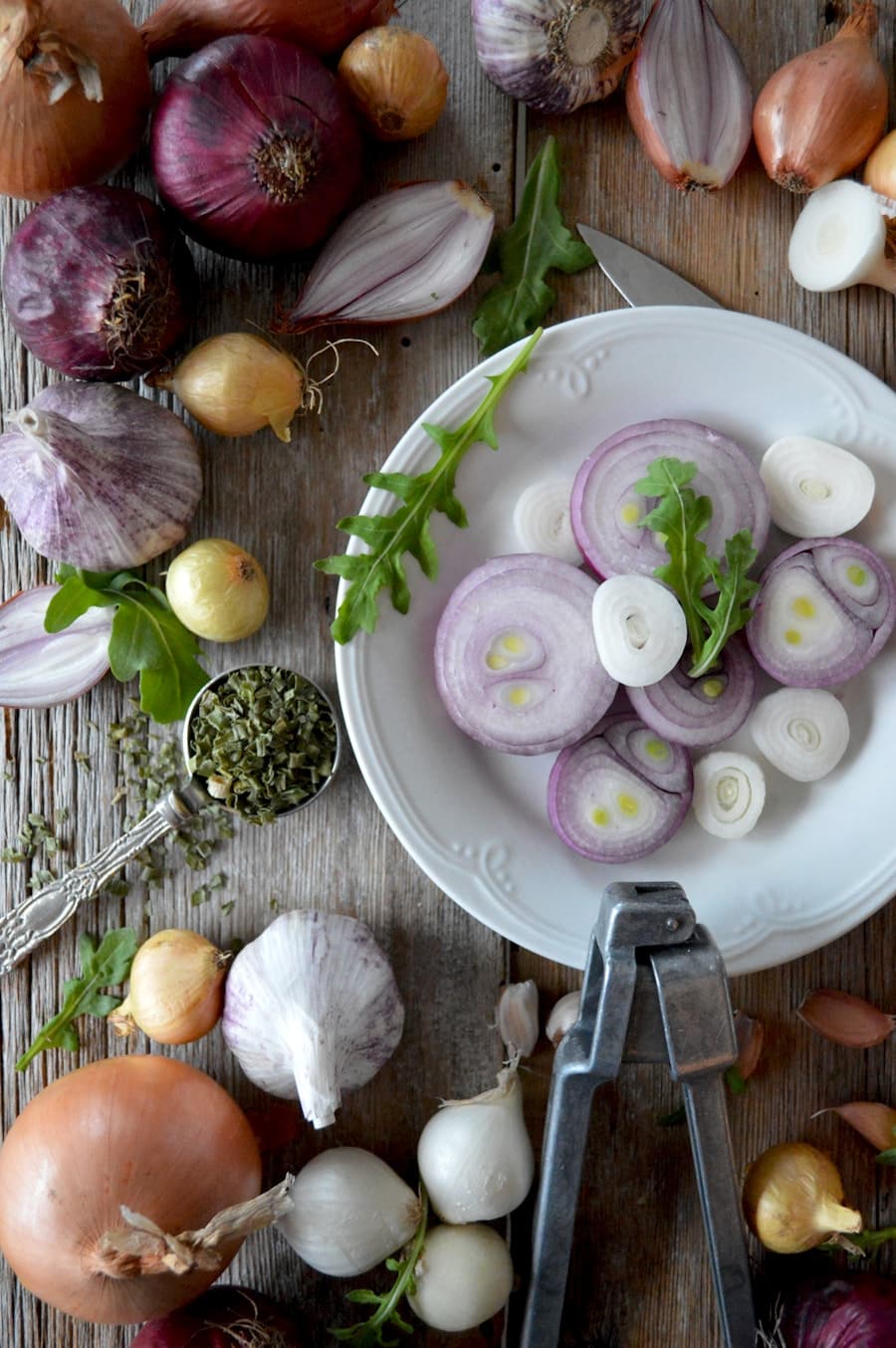
Leafy greens are among the most nutrient-dense foods you can include in your keto diet. They are low in carbohydrates and high in essential vitamins and minerals, making them an excellent choice for anyone looking to maintain a healthy lifestyle while on keto. Spinach, kale, and arugula are just a few examples of leafy greens that can easily fit into your meal plan.
Spinach is particularly versatile; you can use it in salads, smoothies, or sautéed as a side dish. Kale is another powerhouse vegetable that can be enjoyed raw in salads or cooked into soups and stews. Arugula adds a peppery flavor to dishes and can elevate the taste of any salad.
By incorporating a variety of leafy greens into your meals, you not only enhance the nutritional value of your diet but also keep your meals exciting and flavorful.
Cruciferous Vegetables for Keto
Cruciferous vegetables are another fantastic category of low-carb options that you should consider adding to your keto diet. This family of vegetables includes broccoli, cauliflower, Brussels sprouts, and cabbage. They are not only low in carbohydrates but also rich in fiber and antioxidants, making them excellent choices for promoting overall health.
Cauliflower has gained popularity as a low-carb substitute for rice and mashed potatoes; you can even make cauliflower pizza crust! Brussels sprouts can be roasted with olive oil and seasonings for a delicious side dish.
Cabbage is perfect for making coleslaw or adding crunch to salads. By incorporating these cruciferous vegetables into your meals, you can enjoy their unique flavors while reaping their numerous health benefits.
Other Keto-Friendly Vegetables
In addition to leafy greens and cruciferous vegetables, there are several other keto-friendly vegetables that can enhance your meals without pushing you over your carbohydrate limit. These include asparagus, green beans, and eggplant. Each of these vegetables brings its own unique flavor profile and texture to your dishes.
Asparagus is not only low in carbs but also high in vitamins A, C, E, and K. You can grill or roast asparagus for a delicious side dish or toss it into salads for added crunch. Green beans are another great option; they can be sautéed with garlic or steamed for a simple yet satisfying side.
Eggplant is incredibly versatile as well; it can be grilled, baked, or used as a base for various dishes like ratatouille or eggplant parmesan. By exploring these additional vegetable options, you can keep your meals diverse and enjoyable while adhering to your keto lifestyle.
Vegetables to Avoid on Keto

While many vegetables are suitable for a keto diet, some should be avoided due to their higher carbohydrate content. Starchy vegetables like potatoes, corn, and peas can quickly add up in carbs and may hinder your progress toward ketosis. It’s essential to be aware of these options so you can make informed choices when planning your meals.
Potatoes are often considered a staple food in many diets but are best avoided on keto due to their high starch content. Corn is another vegetable that may seem innocent but contains more carbs than you might expect. Peas also fall into this category; while they are nutritious, their carbohydrate content can be problematic for those on a strict keto plan.
By steering clear of these starchy vegetables and focusing on low-carb alternatives, you’ll be better equipped to maintain ketosis and achieve your dietary goals.
Tips for Incorporating Vegetables into a Keto Diet
Incorporating vegetables into your keto diet doesn’t have to be a daunting task. With some creativity and planning, you can easily add more low-carb options to your meals. One effective strategy is to experiment with different cooking methods; roasting, grilling, or sautéing can bring out the natural flavors of vegetables and make them more enjoyable.
Another tip is to include vegetables in every meal. Whether it’s adding spinach to your morning omelet or tossing some broccoli into your dinner stir-fry, making vegetables a regular part of your meals will help ensure you’re getting enough nutrients while staying within your carb limits. Additionally, consider meal prepping; chopping up veggies in advance makes it easier to throw together quick meals during busy days.
Enjoying Keto-Friendly Vegetables
Embracing a keto diet doesn’t mean sacrificing flavor or nutrition; in fact, it opens up a world of delicious possibilities when it comes to vegetables. By understanding which low-carb options are available and how to incorporate them into your meals creatively, you can enjoy a diverse range of dishes that support your health goals. From leafy greens to cruciferous vegetables and beyond, there’s no shortage of tasty options to explore on your keto journey.
Remember to avoid starchy vegetables that could derail your progress and focus on incorporating a variety of colorful veggies into your meals. With the right approach and mindset, you’ll find that enjoying keto-friendly vegetables is not only easy but also incredibly satisfying. So go ahead—get creative in the kitchen and savor the benefits of a vibrant vegetable-rich keto diet!
FAQs
What does it mean for a vegetable to be keto-friendly?
A keto-friendly vegetable is low in carbohydrates and high in fiber, making it suitable for a ketogenic diet. These vegetables typically have a low glycemic index and do not cause a significant increase in blood sugar levels.
Which vegetables are considered keto-friendly?
Some examples of keto-friendly vegetables include leafy greens such as spinach, kale, and lettuce, cruciferous vegetables like broccoli, cauliflower, and Brussels sprouts, as well as avocados, zucchini, and bell peppers.
Are all vegetables suitable for a ketogenic diet?
Not all vegetables are suitable for a ketogenic diet, as some may be higher in carbohydrates and could potentially impact ketosis. It’s important to be mindful of the carb content in vegetables and choose those that are lower in carbs and higher in fiber.
How can I incorporate keto-friendly vegetables into my meals?
Keto-friendly vegetables can be incorporated into meals in various ways, such as adding them to salads, stir-fries, soups, or as side dishes. They can also be used as substitutes for higher-carb ingredients, such as using cauliflower rice instead of regular rice.
Can I eat unlimited amounts of keto-friendly vegetables on a ketogenic diet?
While keto-friendly vegetables are low in carbohydrates, it’s still important to be mindful of portion sizes, as consuming large quantities of any food can impact overall calorie intake. It’s best to incorporate a variety of keto-friendly vegetables into your diet while staying within your daily carb limit.