Have you ever thought about how you can merge two different dietary philosophies into one balanced lifestyle? Combining veganism and the ketogenic diet might seem challenging, but it can offer an exciting approach to achieve your health goals. The vegan keto diet focuses on embracing plant-based foods while keeping your carbohydrate intake low, and it can truly be a game-changer for many.
What is the Vegan Keto Diet?
The vegan keto diet is essentially a blend of two distinct dietary plans. A vegan diet excludes all animal products, including meat, dairy, and eggs, while a ketogenic diet emphasizes low carbohydrate intake and high-fat consumption. When combined, the vegan keto diet prioritizes plant-based fats while restricting carb-laden foods, primarily grains, fruits, and starchy vegetables.
When you adopt this lifestyle, you’re not just changing what you eat; you’re also shifting how you think about food and nourishment. It’s all about making conscious choices that benefit your body and the planet.
The Basics of a Ketogenic Diet
To better understand the vegan keto approach, let’s first break down the ketogenic diet. This high-fat, low-carb plan typically consists of around 70-75% fats, 20-25% protein, and only about 5-10% carbohydrates.
One of the main goals of the ketogenic diet is to enter a metabolic state known as ketosis. In ketosis, your body shifts from using glucose (sugar) as its primary energy source to breaking down fat for fuel. This process can lead to rapid weight loss for many, as well as increased energy levels and balanced blood sugar.
The Importance of a Vegan Diet
On the other hand, a vegan diet is rooted in ethical considerations, environmental consciousness, and health benefits. By choosing plant-based foods, you’re opting for a diet rich in fiber, vitamins, and phytonutrients while reducing your intake of saturated fats and cholesterol found in animal products.
Veganism also emphasizes sustainability. Plant-based diets have a lower environmental impact, contributing less to greenhouse gas emissions compared to traditional meat-heavy diets.
Can These Two Diets Coexist?
You might wonder: can someone truly follow both diets successfully? The answer is yes! It requires creativity in the kitchen and knowledge about the right foods to include.
Nutritional Challenges
While combining the two can yield health benefits, it can also present challenges. For instance, getting enough high-quality protein and essential nutrients such as Vitamin B12, iron, calcium, and omega-3 fatty acids can be tricky.
However, with careful planning, you can easily meet your nutritional needs while staying true to both the vegan and ketogenic principles.
Foods to Include
Here’s a handy table to give you an overview of the foods you can incorporate into your vegan keto diet:
| Food Group | Low-Carb Vegan Options | High-Fat Options |
|---|---|---|
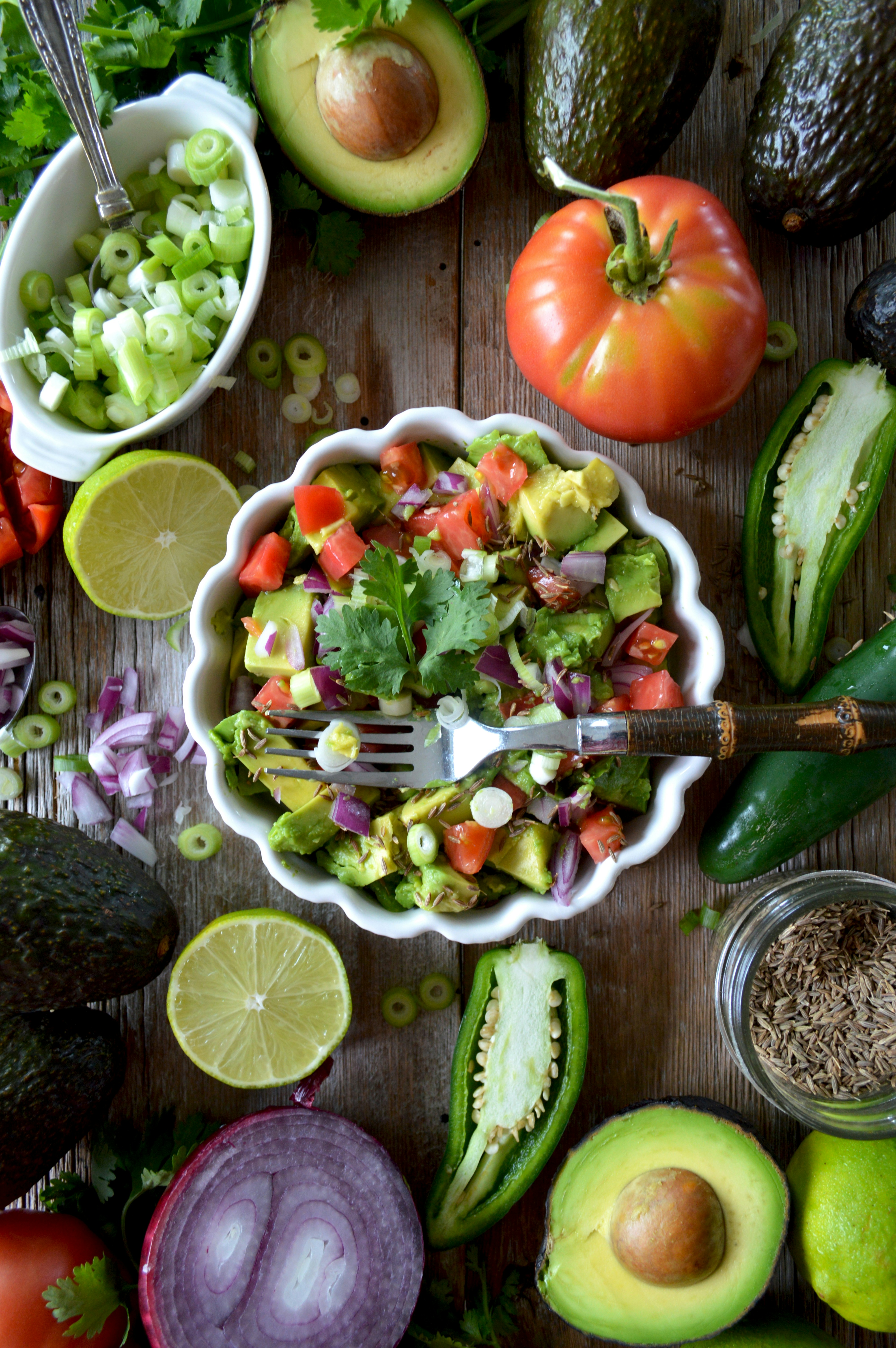
| Vegetables | Spinach, Kale, Broccoli, Cauliflower | Avocado, Olives |
| Protein Sources | Tofu, Tempeh, Seitan, Edamame | Nuts (e.g., macadamia, pecans) |
| Fats | Coconut oil, Olive oil, Avocado oil | Nut butters (almond, walnut) |
| Snacks | Seaweed snacks | Chia, Flaxseeds |
| Dairy Alternatives | Unsweetened almond or coconut milk | Vegan cheese made from nuts |
It serves as a great starting point! Keep in mind you can modify your inventory based on your tastes and preferences.
Health Benefits of the Vegan Keto Diet
Adopting a vegan keto diet can lead to numerous health benefits, especially if you meticulously balance your meals. Here are some of the key benefits you could experience.
Weight Loss
Because a vegan keto diet prioritizes high-fat and low-carb foods, it can lead to a decrease in hunger, making it easier for you to consume fewer calories. With completed meals and fewer hunger pangs, it may support your weight loss journey significantly.
Improved Blood Sugar Control
Reducing carbohydrate intake can lead to more stable blood sugar levels. The fiber-rich foods in a vegan diet combined with healthy fats can enhance insulin sensitivity. For someone managing diabetes or trying to stabilize blood sugar, this combination could be incredibly advantageous.
Enhanced Nutritional Quality
By choosing whole food sources, such as leafy greens, nuts, and seeds, you may be consuming more micronutrients than you would find in a standard high-carb, meat-centric diet. This means your body could benefit from a plethora of antioxidants, vitamins, and minerals that keep you healthy and strong.
Increased Energy Levels
When your body burns fat for energy through ketosis, you may experience increased energy levels. This steady energy can prove more beneficial than the highs and lows associated with carbohydrate-rich foods.
Nutrients to Be Mindful Of
While embarking on a vegan keto diet offers various advantages, it’s essential to remain vigilant about nutrients that could be lacking.
Vitamin B12
Found primarily in animal products, Vitamin B12 is critical for nerve function and the production of DNA and red blood cells. As a vegan, consider fortified foods and supplements to meet your needs.
Omega-3 Fatty Acids
Plant-based sources of omega-3s can be limited. Chia seeds, flaxseeds, and walnuts are great options. Alternatively, you might look into algae-based supplements to ensure adequate intake.
Iron
While plant-based foods like spinach and lentils contain iron, they are not as easily absorbed as animal sources. Pair iron-rich foods with vitamin C-rich options (such as bell peppers) to boost absorption.
Calcium
Calcium is essential for bone health. Leafy greens, almonds, and fortified plant milks can help you meet your calcium needs.
Protein
Getting enough protein while adhering to both vegan and keto guidelines requires you to be strategic. Tofu, tempeh, and seitan are excellent sources of plant protein, especially when combined with nuts and seeds.

Tips for Succeeding on a Vegan Keto Diet
Transitioning to a vegan keto lifestyle can feel overwhelming at first. Here are some useful tips to help you thrive:
Meal Prep
Take time on weekends to prepare meals for the week ahead. Chop vegetables, cook grains, or batch-make vegan cheese and dressings, so you always have something ready to grab. It can reduce stress during busy weekdays and help keep you on track.
Experiment with Recipes
Don’t be afraid to try new recipes! There’s an abundance of resources available online, from vegan keto blogs to cookbooks. With some creativity, you can create a diverse and flavorful meal plan that keeps you excited about your food.
Stay Hydrated
Hydration is crucial, especially when your body shifts to ketosis. Aim to drink plenty of water throughout the day, and don’t forget that herbal teas can be a great addition to your hydration routine.
Listen to Your Body
Everyone’s body reacts differently to dietary changes. Pay attention to how you feel—do you have sufficient energy? Are you experiencing any discomfort? Adjust your food choices as needed.
Seek Support
Consider joining online groups or forums where you can connect with others who share similar dietary goals. It’s always beneficial to have a community for encouragement, recipe sharing, and motivation.
Potential Concerns
While many people can thrive on a vegan keto diet, it may not be suitable for everyone. Here are a few concerns to consider:
Nutritional Deficiencies
As previously mentioned, nutrient deficiencies can occur if you’re not careful. Be sure to regularly assess your nutrient intake and consult a healthcare professional if you’re considering this diet long-term.
Caloric Restrictions
Being on a low-carb diet may inadvertently lead to reduced calorie intake. While this might be helpful for weight loss, make sure you are eating enough to support your energy needs, especially if you lead an active lifestyle.
Social Situations
Navigating meals in social situations can be more tricky. When dining out or attending events, check menus in advance or communicate your dietary needs with hosts to ensure you have suitable options.

Conclusion
The vegan keto diet represents an innovative approach to healthy eating. Its focus on plant-based foods combined with low carbohydrate intake could yield remarkable benefits for those willing to try.
Finding the right balance may take time, and there may be a learning curve along the way. However, with a little creativity, exploration, and heart, you can enjoy delicious, satisfying meals while nourishing your body and aligning with your ethical beliefs.
Enjoy the journey, and remember that every positive change you make contributes to a healthier you!