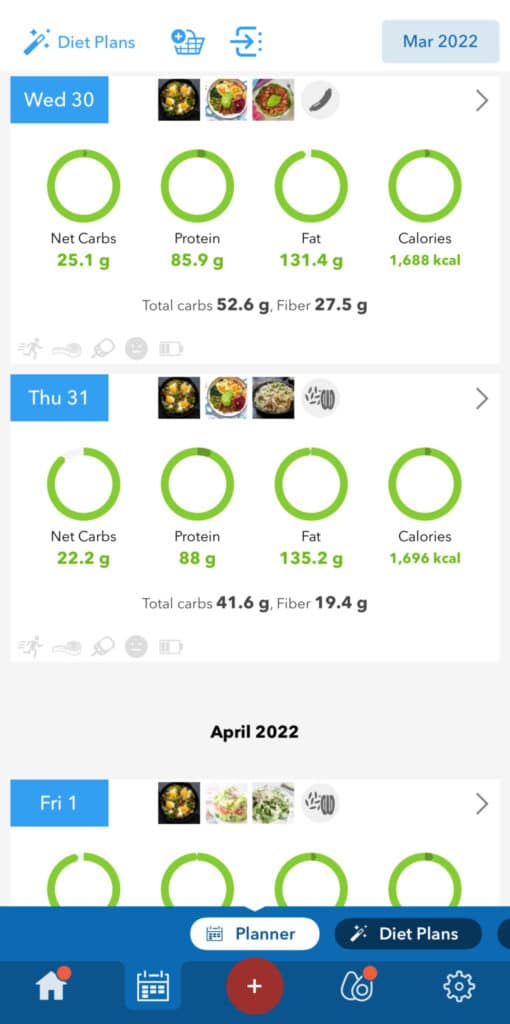
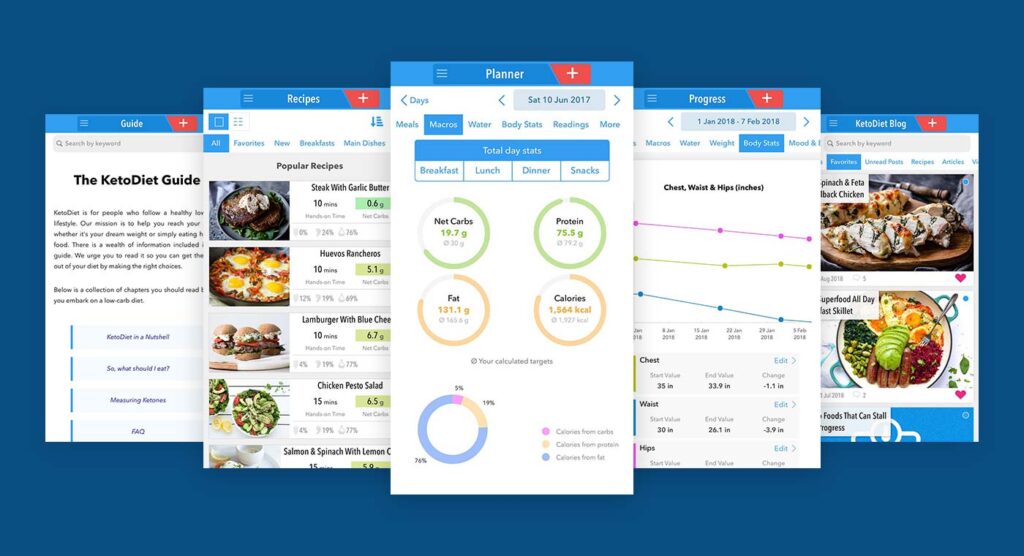
Are you looking to embrace a keto diet and need help planning your meals? Look no further, because the Keto Diet Appketo Diet Meal Plan is here to assist you on your journey towards achieving your health and fitness goals. With this app, you can easily access a wide range of delicious and nutritious keto-friendly recipes, along with a personalized meal plan tailored to your specific dietary needs. Whether you’re a beginner or a seasoned keto enthusiast, this app provides a user-friendly and convenient solution to help you stay on track and make the most out of your ketogenic lifestyle. Say goodbye to the guesswork and hello to a healthier, happier you with the Keto Diet Appketo Diet Meal Plan.
What is the Keto Diet
The Keto Diet, short for ketogenic diet, is a low-carb, high-fat diet that has gained popularity in recent years for its potential health benefits and weight loss results. The main goal of the Keto Diet is to shift your metabolism into a state of ketosis, where your body primarily burns fat for fuel instead of carbohydrates.
Definition of the Keto Diet
The Keto Diet is a diet plan that focuses on consuming foods that are high in healthy fats, moderate in protein, and very low in carbohydrates. By restricting carbohydrate intake, your body enters a state of ketosis, where it begins to burn stored fats for energy instead of relying on glucose from carbohydrates.
How the Keto Diet Works
The Keto Diet works by drastically reducing your carbohydrate intake and increasing your fat consumption. When you consume fewer carbohydrates, your body depletes its glycogen stores and starts breaking down fats into ketones to use as an alternative energy source. This metabolic process, known as ketosis, can help you lose weight and improve your overall health.
Benefits of the Keto Diet
- Weight Loss: One of the main benefits of the Keto Diet is its ability to promote weight loss. By restricting carbohydrates and increasing fat intake, your body becomes more efficient at burning fat for fuel, leading to a reduction in body weight.
- Blood Sugar Control: The Keto Diet may help individuals with diabetes or insulin resistance by improving insulin sensitivity and stabilizing blood sugar levels.
- Increased Energy Levels: Many people report increased energy levels and improved mental clarity when following the Keto Diet due to the stable blood sugar levels and efficient energy production from fats.
- Reduced Inflammation: The Keto Diet’s emphasis on healthy fats and reduction of processed carbohydrates may help reduce inflammation in the body, which is associated with various chronic diseases.
- Potential Health Benefits: The Keto Diet has been studied for its potential benefits in managing conditions such as epilepsy, polycystic ovary syndrome (PCOS), and certain neurological disorders.
Potential Side Effects
While the Keto Diet can have numerous benefits, there are some potential side effects to be aware of, especially during the initial transition period:
- Keto Flu: When first starting the Keto Diet, some people may experience symptoms such as fatigue, headache, irritability, and nausea. These symptoms, known as keto flu, are temporary and usually subside within a few days to a week.
- Nutritional Deficiencies: Since the Keto Diet restricts certain food groups, such as fruits and grains, there is a risk of nutrient deficiencies, especially if the diet is not properly balanced.
- Digestive Issues: The increase in fat intake may cause digestive issues such as constipation or diarrhea in some individuals. Adequate fiber intake and hydration can help mitigate these issues.
- Potential Muscle Loss: In some cases, the Keto Diet may lead to muscle loss if protein intake is too low or if the diet is not properly planned. It is essential to prioritize sufficient protein consumption to maintain muscle mass.
Using a Keto Diet App
Introduction to Keto Diet Apps
In the digital age, there are numerous resources available to support individuals following the Keto Diet. One valuable tool is a Keto Diet app, which can help you track your macronutrient intake, find keto-friendly recipes, and stay motivated on your health journey.
Features of a Keto Diet App
A good Keto Diet app typically offers a range of features to assist you in planning and monitoring your diet:
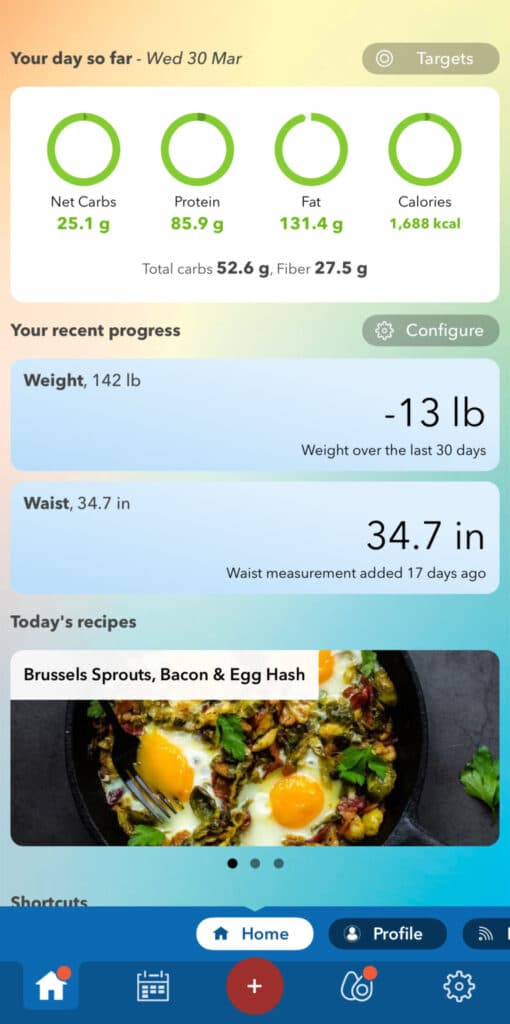
- Macronutrient Tracking: The app allows you to easily track your daily intake of carbohydrates, fats, and proteins, ensuring you stay within your desired macronutrient ratios.
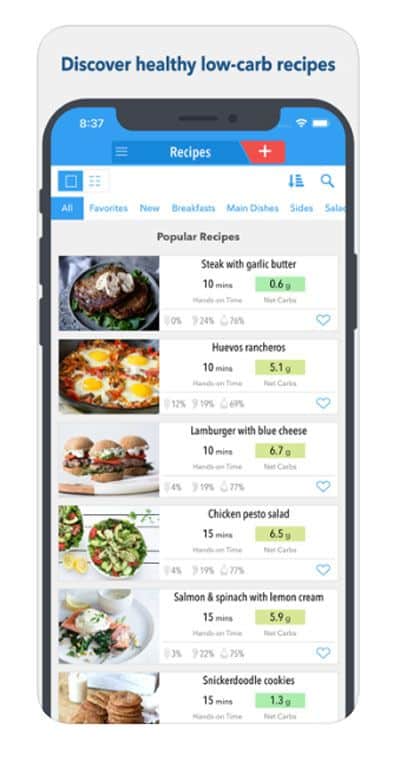
- Recipe Finder: With a vast database of keto-friendly recipes, the app helps you discover new meal ideas that align with your dietary goals.
- Meal Planning and Shopping Lists: Many apps offer meal planning functions, allowing you to create personalized meal plans and generate shopping lists based on your chosen recipes.
- Progress Tracking: A Keto Diet app often includes features to track your weight loss, body measurements, and other relevant metrics to monitor your progress.
- Educational Resources: Some apps provide educational content, such as articles and guides, to help you better understand the principles of the Keto Diet and make informed choices.
- Community Support: Many apps provide a platform for users to connect with a community of like-minded individuals, offering support, advice, and inspiration.
Benefits of Using a Keto Diet App
Using a Keto Diet app can offer several benefits to those following the diet:
- Convenience: A Keto Diet app makes it easier to plan and track your meals, saving you time and effort in calculating your macronutrient ratios manually.
- Accountability: Logging your food intake and monitoring your progress through an app helps you stay accountable to your goals and make adjustments if needed.
- Variety and Inspiration: With access to a variety of keto-friendly recipes, a Keto Diet app can help keep your meals exciting and prevent monotony in your diet.
- Education and Guidance: Many apps provide valuable educational resources, helping you learn more about the Keto Diet and make informed decisions about your nutrition.
- Community Support: Engaging with the app’s community can provide a sense of support, motivation, and connection with others who are also following the Keto Diet.
Popular Keto Diet Apps
Several popular Keto Diet apps are available, each offering unique features and functionalities:
- Carb Manager: This app allows you to track your daily macronutrient intake, access a large recipe library, create customized meal plans, and monitor your progress.
- MyFitnessPal: While not specifically designed for the Keto Diet, MyFitnessPal offers a comprehensive food tracking database that includes a wide range of keto-friendly options.
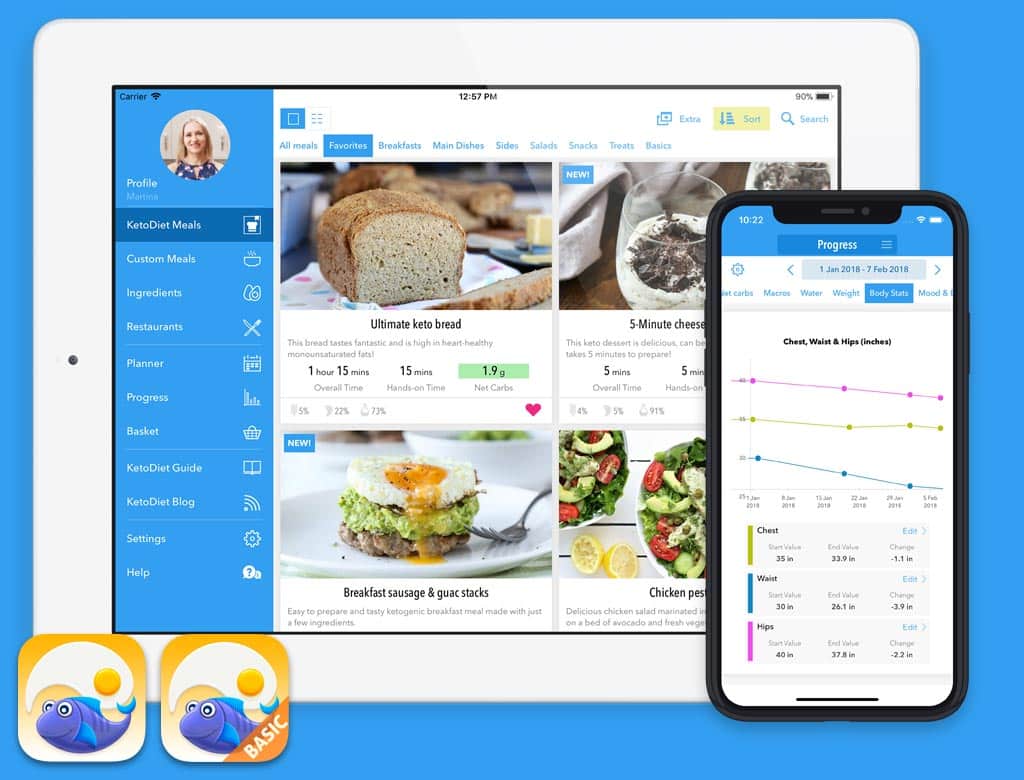
- KetoDiet: This app provides an extensive collection of keto recipes, a customizable meal planner, and progress tracking features, as well as educational resources.
- Senza: Senza focuses on simplifying the Keto Diet by offering features such as goal tracking, meal planning, an easy-to-use food diary, and a community platform for support.
- Total Keto Diet: Total Keto Diet offers a straightforward approach to tracking your macronutrient intake, showcasing progress charts, and providing a curated collection of keto recipes.
Creating a Keto Diet Meal Plan
Understanding Macronutrient Ratio
A crucial aspect of the Keto Diet is understanding and maintaining the appropriate macronutrient ratio. The typical macronutrient breakdown for the Keto Diet is as follows:
- Carbohydrates: Approximately 5-10% of total daily caloric intake
- Protein: Approximately 20-25% of total daily caloric intake
- Fat: Approximately 70-75% of total daily caloric intake
By adhering to these macronutrient ratios, you can help your body enter and sustain a state of ketosis.
Determining Daily Caloric Intake
To create a Keto Diet meal plan, you first need to determine your daily caloric intake. This can be calculated using various formulas, such as the Harris-Benedict equation or the Mifflin-St. Jeor equation, which take into account factors like your age, gender, weight, height, and activity level. These equations provide an estimated caloric intake that can serve as a starting point for your meal planning.
Selecting Keto-friendly Ingredients
When creating a Keto Diet meal plan, it is important to choose ingredients that are low in carbohydrates but high in healthy fats. Some examples of keto-friendly foods include:
- Meats and poultry: Beef, chicken, pork, lamb, and turkey are excellent sources of protein without significant carbohydrate content.
- Fish and seafood: Fatty fish like salmon, sardines, and mackerel are not only rich in omega-3 fatty acids but also low in carbs.
- Eggs: Eggs are a versatile keto-friendly ingredient, full of healthy fats and protein.
- Low-carb vegetables: Leafy greens, broccoli, cauliflower, zucchini, and bell peppers are low in carbohydrates and provide essential nutrients.
- Healthy fats: Avocado, coconut oil, olive oil, and nuts/seeds are excellent sources of healthy fats that can be incorporated into a keto meal plan.
- Dairy products: Cheese, butter, and full-fat yogurt or cream are allowed in moderation as they contain fat and protein but should be consumed judiciously due to their potential higher carbohydrate content.
Meal Planning Strategies
When planning your meals on the Keto Diet, there are several effective strategies that can help ensure a balanced and enjoyable eating experience:
- Batch Cooking: Preparing larger quantities of food in advance allows you to have readily available meals throughout the week, reducing the temptation to deviate from your diet.
- Meal Prep: Taking time each week to plan your meals, make a shopping list, and prepare ingredients in advance can save valuable time during busy weekdays.
- Portion Control: Measuring and tracking your portions can help you stay within your prescribed macronutrient ratios and prevent overeating.
- Experiment with Recipes: Trying new recipes can keep your meals exciting and prevent boredom with your keto diet.
Sample Keto Diet Meal Plan
Here’s an example of a one-day Keto Diet meal plan:
- Breakfast: Scrambled eggs cooked in butter with sautéed spinach and topped with avocado slices.
- Lunch: Grilled chicken breast served with a side of roasted Brussels sprouts tossed in olive oil and sprinkled with parmesan cheese.
- Snack: A handful of mixed nuts (almonds, walnuts, macadamia nuts) with a serving of full-fat Greek yogurt.
- Dinner: Baked salmon with a lemon-dill sauce, served with steamed asparagus and a side salad dressed with olive oil and vinegar.
- Dessert: A small serving of mixed berries topped with whipped cream (made with full-fat coconut milk).
It’s important to note that individual dietary needs and preferences may vary, so adjusting portion sizes or ingredient choices based on personal requirements is recommended.
Popular Keto Diet Recipes
Breakfast Recipes
- Keto Avocado and Bacon Egg Cups: Halve an avocado and remove the pit. Place bacon strips around the inside of each half, creating a cup shape. Crack an egg into each avocado half, season with salt and pepper, and bake until the eggs are cooked to your liking.
- Keto Spinach and Feta Omelet: Whisk together eggs, chopped spinach, crumbled feta cheese, salt, and pepper. Cook the omelet in a non-stick skillet with a small amount of butter or oil until set.
Lunch Recipes
- Keto Chicken Caesar Salad: Toss grilled chicken breast, romaine lettuce, grated parmesan cheese, and a homemade Caesar dressing (made with anchovy paste, garlic, Dijon mustard, lemon juice, olive oil, and mayonnaise).
- Keto Turkey and Avocado Lettuce Wraps: Fill large lettuce leaves with sliced turkey breast, mashed avocado, sliced cucumber, and a drizzle of lime juice.
Dinner Recipes
- Keto Garlic Butter Steak and Broccoli: Sear a steak in a hot skillet with garlic-infused butter, seasoning with salt and pepper. Serve with steamed broccoli and a sprinkle of grated Parmesan cheese.
- Keto Lemon Herb Baked Salmon: Place salmon fillets in a baking dish and drizzle with a mixture of melted butter, lemon juice, minced garlic, and fresh herbs like dill or parsley. Bake until the salmon is cooked through and flakes easily with a fork.
Snack Recipes
- Keto Cheese and Veggie Platter: Arrange a selection of cheese cubes, such as cheddar, Gouda, and pepper jack, alongside sliced bell peppers, cucumber, and cherry tomatoes.
- Keto Almond Butter Fat Bombs: Mix together almond butter, coconut oil, a small amount of sugar substitute, and a dash of vanilla extract. Spoon the mixture into silicone molds and freeze until set.
Dessert Recipes
- Keto Chocolate Avocado Mousse: Blend ripe avocados, cocoa powder, sugar substitute, vanilla extract, and a pinch of salt until smooth and creamy. Serve chilled, topped with whipped cream and a sprinkle of cocoa nibs.
- Keto Berry Chia Pudding: Combine chia seeds, unsweetened almond milk, a touch of sugar substitute, and a handful of fresh or frozen berries. Let the mixture sit in the fridge overnight to thicken.
Tips for Success on the Keto Diet
Staying Consistent
Consistency is key when following the Keto Diet. Here are a few tips to help you stay on track:
- Plan your meals and snacks in advance to ensure you have keto-friendly options readily available.
- Stock your pantry and refrigerator with keto-approved ingredients and snacks to avoid temptations.
- Find support from friends, family, or online communities to stay motivated and accountable.
Monitoring Ketone Levels
Tracking your ketone levels can provide insight into your body’s state of ketosis. Consider the following methods:
- Blood Ketone Meters: These handheld devices measure the levels of ketones in your blood. They provide accurate and immediate results but can be more expensive.
- Breath Ketone Meters: These devices analyze the ketones in your breath. They offer convenience but may not be as accurate as blood meters.
- Urine Ketone Strips: These affordable test strips measure ketone presence in urine. However, they are less accurate for long-term monitoring.
Staying Hydrated
Maintaining proper hydration is crucial on the Keto Diet. Drink plenty of water throughout the day and consider adding electrolyte supplements to prevent dehydration and balance mineral levels.
Getting Sufficient Healthy Fats
Ensure you are consuming enough healthy fats on the Keto Diet by incorporating sources such as avocados, nuts, seeds, olive oil, and fatty fish into your meals. Healthy fats provide satiety and are a significant fuel source on the keto diet.
Managing Electrolyte Balance
The Keto Diet can cause changes in electrolyte balance. To prevent imbalances, consider incorporating sodium, potassium, and magnesium-rich foods into your diet or using electrolyte supplements under the guidance of a healthcare professional.
Exercising on the Keto Diet
Effects of Exercise on Ketosis
Exercise can have various effects on your body while following the Keto Diet. It may enhance fat burning, improve insulin sensitivity, and support overall health and well-being. However, it is important to understand how exercise and ketosis interact to optimize your results.
Recommended Types of Exercise
While any form of exercise can be beneficial, certain types are particularly well-suited for individuals following the Keto Diet:
- Aerobic/Cardiovascular Exercise: Activities such as walking, jogging, cycling, or swimming can increase calorie expenditure and support cardiovascular health.
- Resistance Training: Strength training exercises, using bodyweight or weights, can help preserve and build lean muscle mass while on the Keto Diet.
- High-Intensity Interval Training (HIIT): HIIT workouts involve short bursts of intense exercise followed by periods of rest. This type of exercise can be effective for improving metabolic health and enhancing fat burning.
Timing of Exercise
Some individuals on the Keto Diet prefer to exercise in a fasted state, while others prefer to consume a small snack before their workout. Experiment and listen to your body to determine what works best for you. It may take time to adapt to exercising while in ketosis.
Pre- and Post-Workout Nutrition
Pre- and post-workout nutrition can play a role in optimizing your exercise performance and recovery:
- Pre-Workout: If you consume a pre-workout snack, choose a small amount of easily digestible carbohydrates paired with a source of protein, such as a banana with almond butter or a protein shake.
- Post-Workout: After exercise, prioritize consuming an adequate amount of protein to support muscle repair and growth. Consider having a protein shake, a meal rich in protein and healthy fats, or Greek yogurt with nuts and berries.
Adjusting Macronutrient Intake for Exercise
Depending on your exercise intensity and duration, you may need to adjust your macronutrient intake to support your energy needs. If engaging in prolonged or high-intensity exercise, you may need to slightly increase your carbohydrate intake to ensure optimal performance.
Common Challenges on the Keto Diet
Keto Flu
Keto flu refers to a collection of symptoms that some individuals experience when transitioning to the Keto Diet. It can include fatigue, headache, irritability, and nausea. To minimize keto flu symptoms, ensure you stay hydrated, consume adequate electrolytes, and gradually reduce your carbohydrate intake rather than making sudden drastic changes.
Cravings and Food Restrictions
Food cravings, especially for carbohydrates, can be a common challenge on the Keto Diet. To combat cravings, try incorporating healthy fats and protein-rich foods into your meals, practicing mindful eating, and finding keto-friendly alternatives for your favorite high-carb foods.
Social Situations and Dining Out
Navigating social situations and dining out can be challenging when following the Keto Diet, but it is not impossible. Consider expressing your dietary needs to your friends or restaurant staff in advance, looking for keto-friendly options on the menu, and bringing a keto-friendly dish to share at social gatherings.
Traveling on the Keto Diet
Traveling can make it more difficult to stick to the Keto Diet, but with some preparation, it is still manageable. Pack keto-friendly snacks, research restaurants and grocery stores at your destination, and consider bringing portable options like nuts, jerky, or low-carb protein bars.
Maintaining Long-Term Success
The Keto Diet is most effective when approached as a long-term lifestyle change. To maintain long-term success, focus on developing a sustainable relationship with food, incorporating variety into your meals, and finding joy in the process of nourishing your body.
Supplements for the Keto Diet
Electrolyte Supplements
As the Keto Diet can affect electrolyte balance, electrolyte supplements can help ensure you maintain proper mineral levels. Look for supplements that contain sodium, potassium, and magnesium.
MCT Oil
Medium-chain triglyceride (MCT) oil is a popular supplement among individuals on the Keto Diet. MCT oil is easily digested and converted into ketones, providing a quick source of energy. It can be added to coffee, smoothies, or used in cooking.
Exogenous Ketones
Exogenous ketones are ketones produced outside the body, often in the form of supplements or drinks. Some individuals use exogenous ketones to support their transition into ketosis, increase energy levels, or enhance mental clarity.
Digestive Enzymes
Some people may experience digestive issues when starting the Keto Diet. Digestive enzyme supplements can help alleviate symptoms such as bloating or indigestion by supporting the breakdown and absorption of fats and proteins.
Fiber Supplements
As the Keto Diet tends to be lower in dietary fiber, some individuals may benefit from incorporating fiber supplements to support regular bowel movements and overall gut health. Look for supplements derived from natural sources like psyllium husk or acacia fiber.
Tracking Progress and Results
Importance of Tracking
Tracking your progress and results is essential to evaluate the effectiveness of the Keto Diet for your individual needs and goals. Regular tracking can help you identify patterns, make adjustments, and celebrate milestones along your journey.
Tracking Food Intake
Using a keto diet app or a food journal can help you track your daily food intake, ensuring you stay within your prescribed macronutrient ratios and calorie goals. This allows you to identify areas for improvement and maintain awareness of your dietary choices.
Monitoring Weight Loss
Besides tracking your food intake, monitoring changes in your body weight can provide valuable information about the effectiveness of the Keto Diet for weight loss. It is important to keep in mind that weight loss can vary from person to person and may be influenced by factors beyond your diet alone.
Measuring Ketone Levels
Monitoring your ketone levels, whether through blood, breath, or urine, can help confirm whether you are in a state of ketosis. However, it is important to remember that the state of ketosis does not guarantee weight loss or overall health improvements.
Tracking Non-Scale Victories
Non-scale victories refer to the positive changes and improvements that occur as a result of the Keto Diet, which may not be evident on the scale. These can include increased energy levels, improved mental clarity, better sleep quality, and improved markers of health such as cholesterol or blood sugar levels.
Final Thoughts on the Keto Diet
Is the Keto Diet Right for You?
The decision to adopt the Keto Diet should be based on your individual health goals, preferences, and medical considerations. Consult with a healthcare professional or registered dietitian before starting any new diet to ensure it aligns with your specific needs.
Consulting with a Healthcare Professional
It is crucial to consult with a healthcare professional before embarking on the Keto Diet, particularly if you have any underlying medical conditions or take medications. They can provide personalized guidance, monitor your progress, and ensure the dietary plan is safe and appropriate for you.
Building a Sustainable Lifestyle
Rather than viewing the Keto Diet as a short-term fix, focus on building a sustainable lifestyle that encompasses balanced nutrition, regular physical activity, stress management, and adequate sleep. Incorporate the principles of the Keto Diet into a long-term routine that works for you.
Personalizing the Keto Diet
Remember that the Keto Diet is not a one-size-fits-all approach. Pay attention to your body’s signals, experiment with different foods and ratios, and adjust your dietary plan as needed to suit your individual needs and preferences. By personalizing the Keto Diet, you can increase your chances of long-term success and overall well-being.