Nutritional ketosis is a metabolic state that occurs when your body shifts from using glucose as its primary source of energy to utilizing fat. This transition typically happens when you significantly reduce your carbohydrate intake, prompting your liver to convert fatty acids into ketones. These ketones then serve as an alternative fuel source for your brain and body.
This state is often sought after by individuals following ketogenic diets, which emphasize high fat, moderate protein, and very low carbohydrate consumption. In essence, nutritional ketosis is not merely a diet but a profound metabolic shift. When you enter this state, your body becomes highly efficient at burning fat for energy.
This can lead to various physiological changes, including increased fat oxidation and improved insulin sensitivity. Many people pursue nutritional ketosis for weight loss, enhanced mental clarity, and improved energy levels. However, understanding the nuances of this metabolic state is crucial for anyone considering this dietary approach.
Key Takeaways
- Nutritional ketosis is a metabolic state where the body uses fat as its primary fuel source instead of carbohydrates.
- Signs and symptoms of nutritional ketosis include increased energy, mental clarity, and reduced appetite.
- Testing for nutritional ketosis can be done through blood, urine, or breath tests to measure ketone levels.
- Monitoring ketone levels is important to ensure that the body is in a state of ketosis and to adjust the diet and lifestyle as needed.
- Dietary indicators of nutritional ketosis include a low-carbohydrate, high-fat diet, while physical indicators include weight loss and improved physical performance.
Signs and Symptoms of Nutritional Ketosis
As you enter nutritional ketosis, you may notice several signs and symptoms that indicate your body is adapting to this new energy source. One of the most common early indicators is the presence of ketones in your breath or urine, which can produce a distinct fruity or acetone-like smell. This occurs as your body begins to produce and excrete ketones, signaling that it has shifted into a state of ketosis.
You might also experience increased thirst and a dry mouth, as the process of ketone production can lead to dehydration. In addition to these physical signs, you may also experience changes in your energy levels and appetite. Many individuals report a decrease in hunger and cravings once they are in nutritional ketosis, which can be attributed to the satiating nature of fats and proteins.
You might find that you have more stable energy throughout the day, avoiding the typical blood sugar spikes and crashes associated with high carbohydrate diets. However, it’s important to note that some people may initially experience what is commonly referred to as the “keto flu,” which can include fatigue, headaches, and irritability as your body adjusts to this new metabolic state.
Testing for Nutritional Ketosis
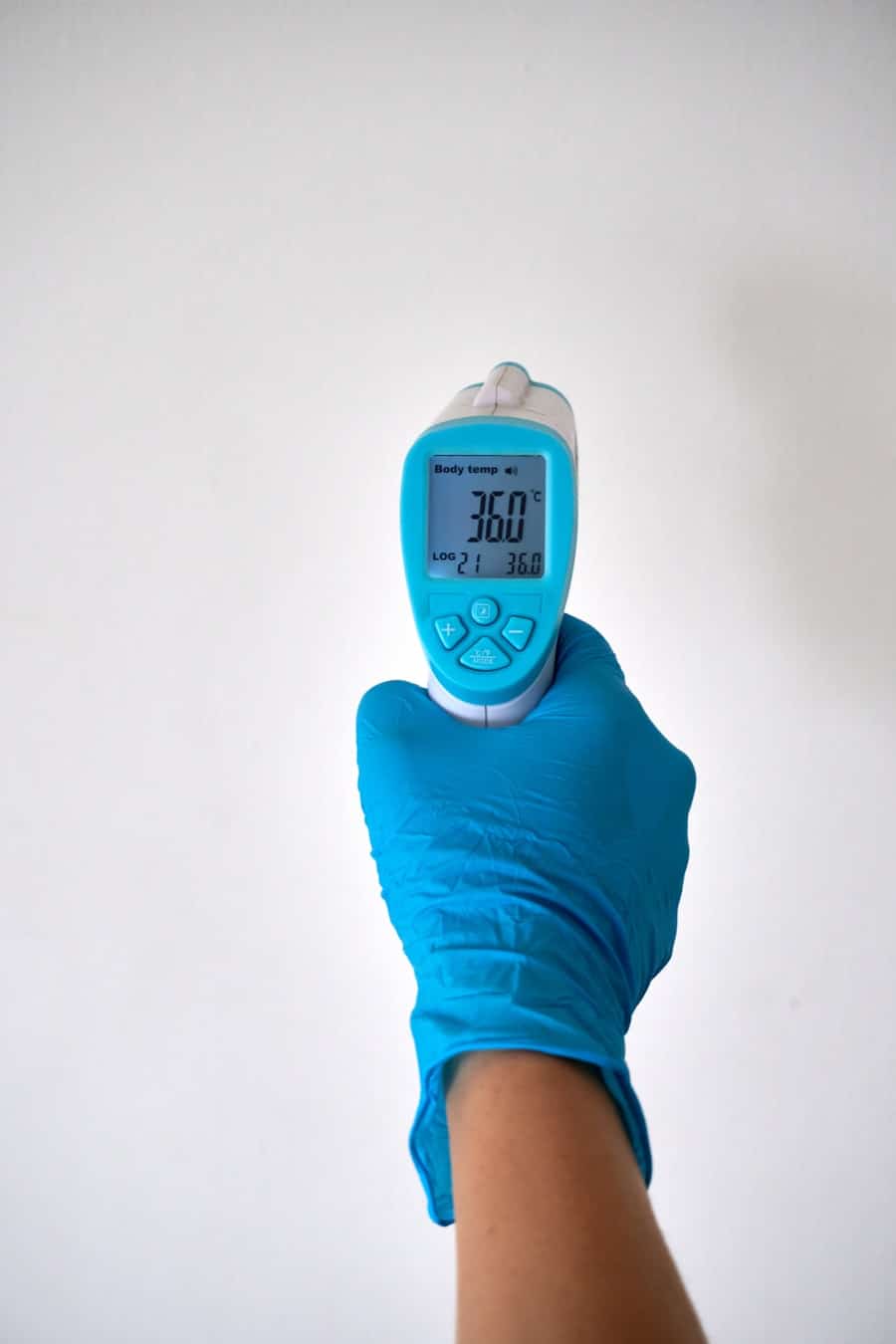
To determine whether you have entered nutritional ketosis, various testing methods are available. The most common approaches include urine testing, blood testing, and breath testing. Each method has its advantages and limitations, so understanding these can help you choose the best option for your needs.
Urine test strips are often the most accessible and cost-effective way to measure ketone levels. They work by detecting acetoacetate, one of the primary ketones produced during ketosis. Blood testing is considered the gold standard for measuring ketone levels because it provides a more accurate assessment of your current state of ketosis.
By using a blood ketone meter, you can measure beta-hydroxybutyrate (BHB), the most abundant ketone in the bloodstream. This method may be more expensive than urine testing but offers precise insights into your metabolic state. Breath testing is another option that measures acetone levels in your breath, providing a non-invasive way to gauge ketosis.
While it may not be as widely used as blood testing, it can still offer valuable information about your ketone production.
Monitoring Ketone Levels
Monitoring your ketone levels is essential for ensuring that you remain in nutritional ketosis and achieve your health goals. Regularly checking your ketone levels can help you understand how your body responds to dietary changes and lifestyle factors. If you choose to use urine test strips, it’s important to note that they may become less accurate over time as your body adapts to ketosis.
As you become more efficient at utilizing ketones for energy, the amount excreted in urine may decrease. Blood testing provides a more reliable method for monitoring ketone levels over time. By tracking your BHB levels regularly, you can identify patterns and make necessary adjustments to your diet or lifestyle.
Ideally, you want to maintain blood ketone levels between 0.5 to 3.0 mmol/L to experience the benefits of nutritional ketosis fully. Additionally, keeping a food diary can help you correlate dietary choices with changes in your ketone levels, allowing for more informed decisions moving forward.
Dietary Indicators of Nutritional Ketosis
Your diet plays a crucial role in achieving and maintaining nutritional ketosis. A well-formulated ketogenic diet typically consists of approximately 70-75% fat, 20-25% protein, and only 5-10% carbohydrates. To enter ketosis effectively, you’ll need to focus on high-quality fats such as avocados, nuts, seeds, olive oil, and fatty fish while minimizing carbohydrate intake from grains, sugars, and starchy vegetables.
In addition to macronutrient ratios, paying attention to micronutrients is equally important. Ensuring adequate intake of vitamins and minerals can help mitigate potential deficiencies that may arise from a restrictive diet. Foods rich in magnesium, potassium, and sodium are particularly beneficial during the transition into ketosis, as they can help alleviate symptoms associated with the keto flu and support overall health.
Physical Indicators of Nutritional Ketosis

Changes in Body Composition
One notable change is often observed in body composition; many individuals experience a reduction in body fat percentage as their bodies become more efficient at burning fat for fuel. This transformation can lead to noticeable changes in how your clothes fit and how you perceive your physique.
Improved Mental Clarity and Focus
Another physical indicator is improved mental clarity and focus. Many people report heightened cognitive function once they adapt to using ketones as their primary energy source. This mental clarity can be attributed to the brain’s preference for ketones over glucose during periods of low carbohydrate availability.
Increased Physical Endurance
Additionally, some individuals may notice an increase in physical endurance during exercise as their bodies become adept at utilizing fat stores for energy.
Potential Benefits of Nutritional Ketosis
The potential benefits of nutritional ketosis extend beyond weight loss; many individuals seek this metabolic state for its numerous health advantages. One significant benefit is improved insulin sensitivity, which can be particularly beneficial for those with insulin resistance or type 2 diabetes. By reducing carbohydrate intake and stabilizing blood sugar levels, nutritional ketosis may help manage blood glucose more effectively.
Furthermore, some studies suggest that nutritional ketosis may have neuroprotective effects, potentially benefiting individuals with neurological disorders such as epilepsy or Alzheimer’s disease. The brain’s reliance on ketones for energy may provide an alternative fuel source that supports cognitive function and reduces neuroinflammation. Additionally, many people report enhanced energy levels and reduced fatigue when following a ketogenic diet, making it an appealing option for those seeking improved overall well-being.
Risks and Considerations of Nutritional Ketosis
While nutritional ketosis offers various benefits, it is essential to consider potential risks and challenges associated with this dietary approach. One significant concern is the possibility of nutrient deficiencies due to the restrictive nature of a ketogenic diet. Limiting carbohydrate-rich foods can lead to reduced intake of essential vitamins and minerals found in fruits, vegetables, and whole grains.
To mitigate this risk, it’s crucial to focus on nutrient-dense foods within the allowed macronutrient framework. Additionally, some individuals may experience adverse effects during the initial transition into ketosis, commonly referred to as the “keto flu.” Symptoms such as fatigue, headaches, irritability, and digestive issues can occur as your body adapts to burning fat instead of carbohydrates. Staying well-hydrated and ensuring adequate electrolyte intake can help alleviate these symptoms during the adjustment period.
In conclusion, nutritional ketosis represents a significant shift in how your body utilizes energy sources. By understanding its signs, symptoms, testing methods, dietary indicators, physical manifestations, potential benefits, and associated risks, you can make informed decisions about whether this metabolic state aligns with your health goals. As with any dietary approach, it’s essential to consult with a healthcare professional before making significant changes to ensure that nutritional ketosis is appropriate for your individual circumstances.
FAQs
What is Nutritional Ketosis?
Nutritional ketosis is a metabolic state in which the body uses fat as its primary fuel source, producing ketones as a byproduct. This is achieved through a low-carbohydrate, high-fat diet.
How Do I Know if I am in Nutritional Ketosis?
There are several ways to determine if you are in nutritional ketosis, including using urine test strips, blood ketone meters, or breath ketone analyzers. These tools measure the presence of ketones in the body, indicating that you are in a state of ketosis.
What are the Signs and Symptoms of Nutritional Ketosis?
Signs and symptoms of nutritional ketosis may include increased energy, mental clarity, and reduced appetite. Some people also experience a fruity odor on their breath, known as “keto breath,” as well as weight loss and improved physical performance.
How Long Does it Take to Reach Nutritional Ketosis?
The time it takes to reach nutritional ketosis can vary from person to person. Generally, it takes 2-7 days of following a strict low-carbohydrate, high-fat diet to enter into a state of ketosis. However, individual factors such as metabolism, activity level, and carbohydrate intake can influence the timeline.
Are There Risks Associated with Nutritional Ketosis?
While nutritional ketosis can have benefits for some individuals, it may not be suitable for everyone. People with certain medical conditions, such as diabetes or kidney disease, should consult with a healthcare professional before attempting a ketogenic diet. Additionally, some people may experience side effects such as “keto flu” during the initial transition period.