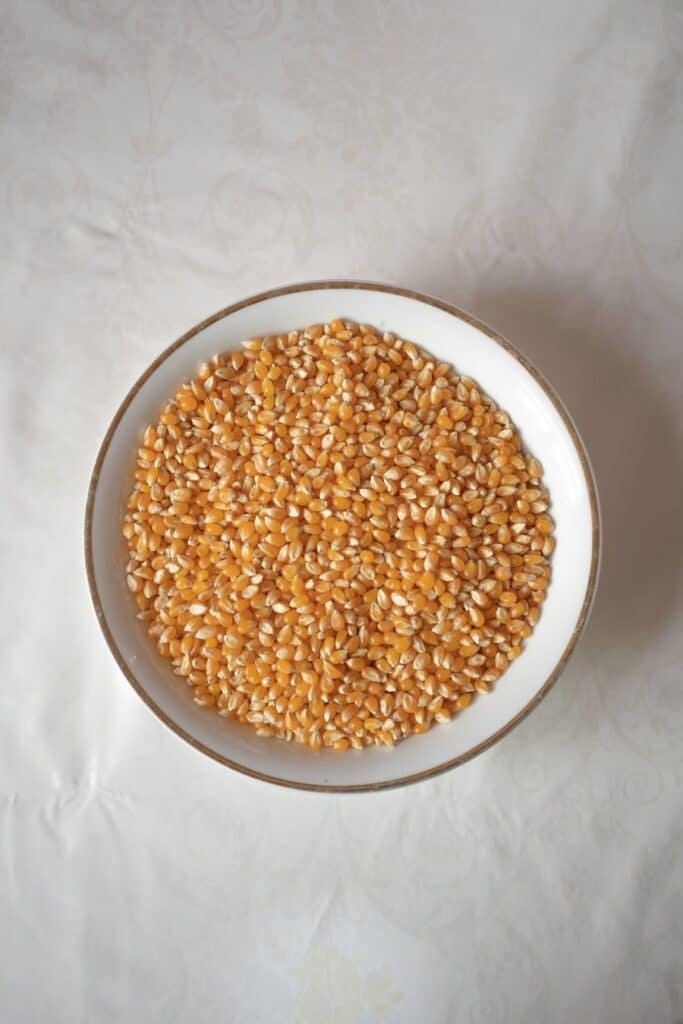
The ketogenic diet, often referred to simply as “keto,” is a high-fat, low-carbohydrate eating plan designed to shift your body’s metabolism away from carbohydrates and towards fat. By drastically reducing your intake of carbohydrates and replacing them with fats, you encourage your body to enter a state known as ketosis. In this metabolic state, your body becomes incredibly efficient at burning fat for energy, which can lead to weight loss and other health benefits.
Typically, a ketogenic diet consists of approximately 70-75% fats, 20-25% protein, and only about 5-10% carbohydrates. As you embark on a ketogenic journey, you may find that the diet not only helps with weight management but also has potential therapeutic benefits for various health conditions. Some studies suggest that it may aid in managing epilepsy, type 2 diabetes, and even certain neurological disorders.
However, transitioning to this way of eating can be challenging, especially when it comes to understanding which foods fit into the strict macronutrient ratios required for success. This is where knowledge about specific foods, such as quinoa, becomes essential.
Key Takeaways
- The ketogenic diet is a high-fat, low-carbohydrate diet that has been shown to help with weight loss and improve certain health conditions.
- Quinoa is a gluten-free, high-protein grain that is often considered a superfood due to its nutritional content.
- Quinoa is relatively high in carbohydrates compared to other low-carb foods, with around 21 grams of net carbs per 3.5 ounces.
- While quinoa may not be suitable for strict ketogenic diets, it can be included in small portions for those following a more flexible approach.
- Including quinoa in a ketogenic diet can provide additional fiber, protein, and essential nutrients, but it may also hinder ketosis and fat-burning.
Understanding Quinoa
Quinoa is often hailed as a superfood due to its impressive nutritional profile. Technically a seed rather than a grain, quinoa is gluten-free and packed with essential nutrients. It is rich in protein, containing all nine essential amino acids, making it a complete protein source.
This quality makes quinoa particularly appealing for vegetarians and vegans who may struggle to obtain sufficient protein from plant-based sources. Additionally, quinoa is high in fiber, vitamins, and minerals such as magnesium, iron, and B vitamins. When you cook quinoa, it has a fluffy texture and a slightly nutty flavor that can enhance a variety of dishes.
It can be used as a base for salads, served alongside vegetables, or incorporated into soups and stews. Its versatility makes it a popular choice among health-conscious individuals looking to add nutritious options to their meals. However, as you explore the potential of quinoa in your diet, it’s crucial to consider its carbohydrate content and how it fits into specific dietary frameworks like the ketogenic diet.
Carbohydrate Content of Quinoa
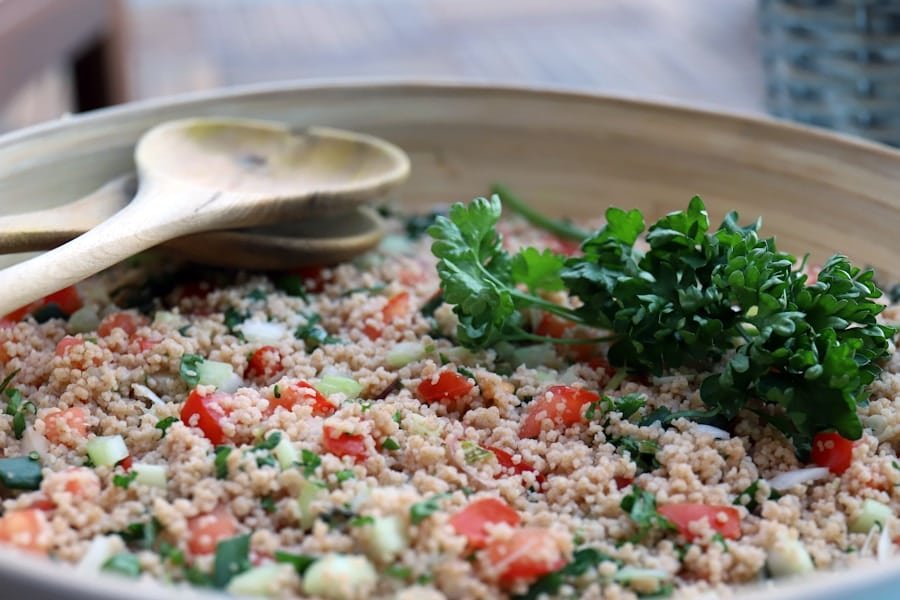
When evaluating quinoa’s suitability for a ketogenic diet, one of the most critical factors to consider is its carbohydrate content. A typical serving of cooked quinoa (about one cup) contains approximately 39 grams of carbohydrates. While quinoa does offer a wealth of nutrients, this carbohydrate level is significantly higher than what is typically allowed on a ketogenic diet, where daily carb intake is often limited to around 20-50 grams.
In addition to its carbohydrate content, it’s important to note that quinoa has a relatively high glycemic index compared to other low-carb foods. This means that consuming quinoa can lead to a more rapid increase in blood sugar levels, which may not align with the goals of maintaining stable blood sugar levels on a ketogenic diet. As you weigh the pros and cons of including quinoa in your meals, understanding its carbohydrate profile will be essential in making informed dietary choices.
Can Quinoa be Included in a Ketogenic Diet?
Given its carbohydrate content, including quinoa in a strict ketogenic diet can be quite challenging. While some individuals may attempt to incorporate small amounts of quinoa into their meals, doing so requires careful planning and consideration of overall carbohydrate intake throughout the day. If you choose to include quinoa, it’s crucial to monitor portion sizes closely and ensure that the rest of your meals remain low in carbohydrates.
Some people on a more liberal version of the ketogenic diet may find that they can tolerate small servings of quinoa without significantly impacting their state of ketosis. However, this varies from person to person based on individual metabolic responses and activity levels. If you are considering adding quinoa to your diet, it may be beneficial to experiment with small amounts while closely tracking your body’s response and ketone levels.
Potential Benefits of Including Quinoa in a Ketogenic Diet
Despite its higher carbohydrate content, there are potential benefits to including quinoa in a ketogenic diet for some individuals. One significant advantage is its nutritional density; quinoa is rich in vitamins and minerals that can support overall health. For those who may struggle to meet their micronutrient needs on a strict keto plan, incorporating small amounts of quinoa could help bridge that gap.
Additionally, the fiber content in quinoa can promote digestive health and help maintain satiety. This can be particularly beneficial if you find yourself feeling hungry or deprived on a low-carb diet. The protein content in quinoa also contributes to feelings of fullness and can help stabilize energy levels throughout the day.
If you are mindful about portion sizes and overall carbohydrate intake, quinoa may serve as a nutritious addition that enhances your meals while still aligning with your dietary goals.
Potential Drawbacks of Including Quinoa in a Ketogenic Diet
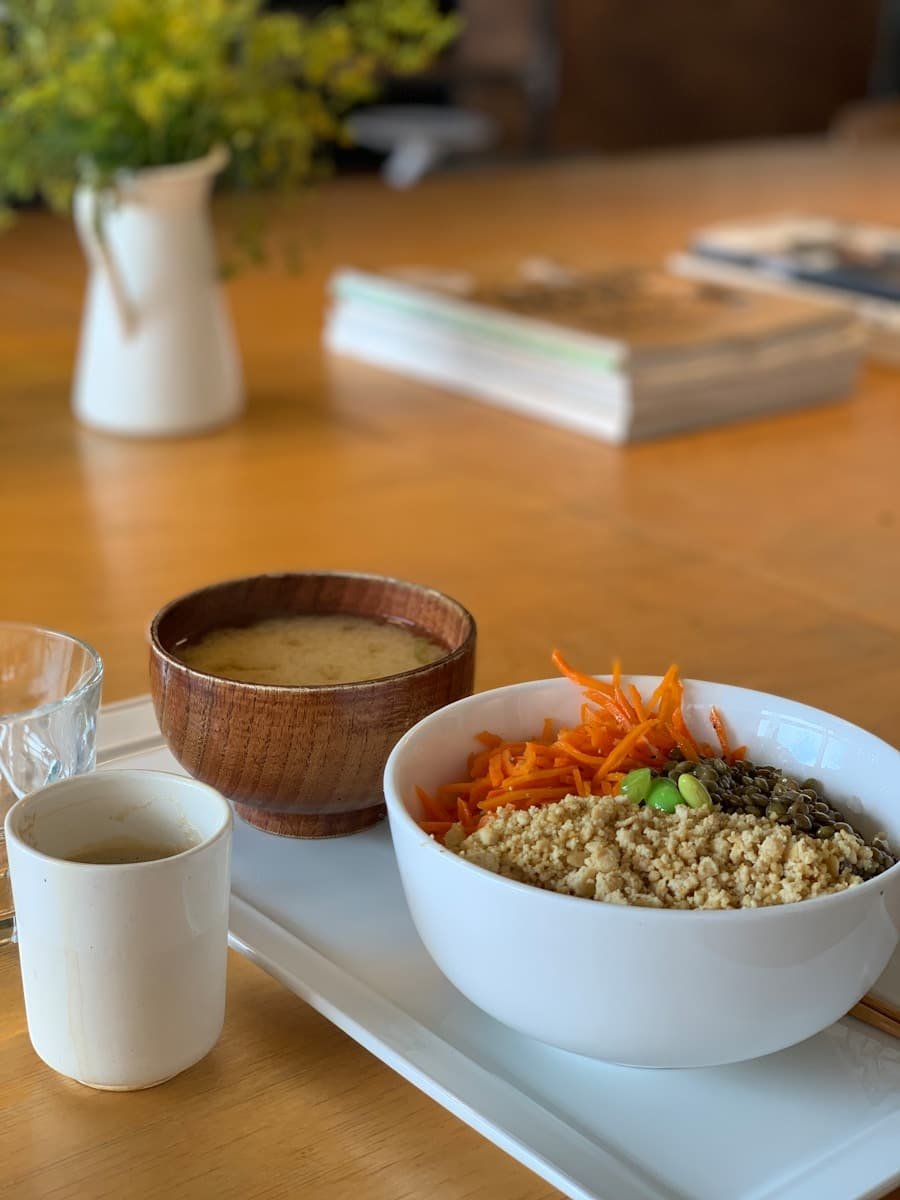
While there are potential benefits to including quinoa in your ketogenic diet, there are also notable drawbacks that warrant consideration. The most significant concern is its carbohydrate content; even small servings can quickly add up and push you over your daily carb limit. This could hinder your ability to maintain ketosis and achieve the desired weight loss or health benefits associated with the ketogenic lifestyle.
Moreover, some individuals may experience digestive discomfort when consuming quinoa due to its saponin content—a natural compound found on the outer layer of the seed that can cause irritation in some people. If you have sensitivities or digestive issues, this could further complicate your decision to include quinoa in your diet. Ultimately, weighing these potential drawbacks against the benefits will help you make an informed choice about whether or not quinoa has a place in your ketogenic eating plan.
Alternatives to Quinoa on a Ketogenic Diet
If you decide that quinoa isn’t the right fit for your ketogenic lifestyle due to its carbohydrate content or other concerns, there are plenty of alternatives that can provide similar nutritional benefits without compromising your dietary goals. One popular substitute is cauliflower rice—a low-carb option that mimics the texture of grains while being significantly lower in carbohydrates. You can easily prepare cauliflower rice by grating or processing cauliflower florets and then sautéing them until tender.
Another excellent alternative is zucchini noodles (or “zoodles”), which can serve as a base for various dishes while keeping your carb count low. Additionally, other seeds such as chia seeds or flaxseeds can provide healthy fats and fiber without the high carbohydrate load associated with quinoa. By exploring these alternatives, you can still enjoy satisfying meals while adhering to the principles of a ketogenic diet.
Making Informed Choices for Your Ketogenic Diet
Navigating the complexities of a ketogenic diet requires careful consideration of food choices and their impact on your overall health goals. While quinoa offers numerous nutritional benefits, its higher carbohydrate content may pose challenges for those strictly adhering to keto guidelines. As you evaluate whether or not to include quinoa in your meals, it’s essential to consider your individual dietary needs, preferences, and how your body responds to different foods.
Ultimately, making informed choices about what you eat will empower you on your journey toward better health and wellness. Whether you decide to incorporate small amounts of quinoa or opt for alternative low-carb options, remember that balance and moderation are key components of any successful dietary approach. By staying attuned to your body’s signals and adjusting your food choices accordingly, you can create a sustainable eating plan that supports both your ketogenic goals and overall well-being.
FAQs
What is a ketogenic diet?
A ketogenic diet is a high-fat, adequate-protein, low-carbohydrate diet that forces the body to burn fats rather than carbohydrates for energy. This process produces ketones, which the body can use for energy.
Can I have quinoa on a ketogenic diet?
Quinoa is not typically recommended on a ketogenic diet as it is relatively high in carbohydrates. One cup of cooked quinoa contains about 39 grams of carbohydrates, which is significantly higher than the daily allowance for most people on a ketogenic diet.
Are there any low-carb alternatives to quinoa on a ketogenic diet?
Yes, there are several low-carb alternatives to quinoa that can be consumed on a ketogenic diet. Some options include cauliflower rice, shirataki noodles, and spiralized vegetables such as zucchini or spaghetti squash.
What are the benefits of following a ketogenic diet?
Some potential benefits of following a ketogenic diet include weight loss, improved blood sugar control, and increased mental clarity. It may also have benefits for certain medical conditions such as epilepsy and type 2 diabetes.
Is it important to track macronutrient intake on a ketogenic diet?
Yes, tracking macronutrient intake, particularly carbohydrates, is important on a ketogenic diet to ensure that the body stays in a state of ketosis. This typically involves keeping carbohydrate intake to around 20-50 grams per day.