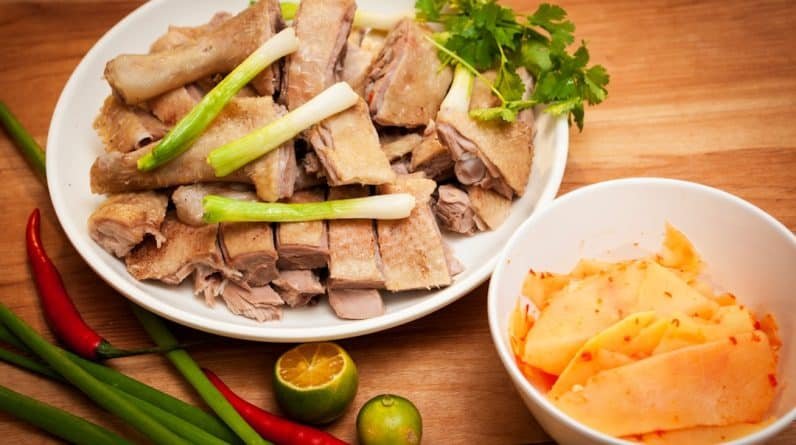
When you embark on a ketogenic diet, you may come across two distinct approaches: clean keto and dirty keto. Clean keto emphasizes whole, unprocessed foods that are low in carbohydrates and high in healthy fats. This approach focuses on nutrient-dense options, such as avocados, leafy greens, nuts, and high-quality proteins.
You might find that clean keto not only helps you achieve ketosis but also supports overall health and well-being. On the other hand, dirty keto allows for a more flexible interpretation of the diet, where the primary focus is on maintaining low carbohydrate intake, regardless of the quality of the food consumed. This means you could indulge in fast food, processed snacks, and other convenience items as long as they fit within your carb limit.
Understanding the differences between these two approaches is crucial for making informed dietary choices. While both can lead to weight loss and ketosis, the long-term effects on your health can vary significantly. Clean keto promotes a balanced intake of nutrients, while dirty keto may lead to deficiencies and health issues over time.
As you navigate your ketogenic journey, it’s essential to consider not just the macronutrient ratios but also the quality of the foods you choose to consume.
Key Takeaways
- Clean Keto focuses on consuming whole, nutrient-dense foods, while Dirty Keto allows for processed and low-quality food choices.
- Nutrient density is crucial in Clean Keto as it ensures that the body receives essential vitamins, minerals, and antioxidants for optimal health.
- Dirty Keto may pose potential health risks due to the consumption of processed foods, artificial ingredients, and unhealthy fats.
- Whole foods play a significant role in Clean Keto by providing essential nutrients, fiber, and promoting overall health and well-being.
- Processed foods in Dirty Keto can have a negative impact on health, leading to inflammation, weight gain, and increased risk of chronic diseases.
The Importance of Nutrient Density in Clean Keto
Nutrient density is a cornerstone of clean keto, emphasizing the importance of consuming foods that provide a high amount of vitamins, minerals, and other beneficial compounds relative to their calorie content. When you focus on nutrient-dense foods, you ensure that your body receives the essential nutrients it needs to function optimally. This is particularly important on a ketogenic diet, where carbohydrate sources are limited.
By prioritizing foods like leafy greens, cruciferous vegetables, and healthy fats from sources like olive oil and fatty fish, you can create a well-rounded diet that supports your health goals. Incorporating nutrient-dense foods into your clean keto lifestyle can also help you feel more satisfied and energized. When you consume foods rich in vitamins and minerals, you may experience improved mood, better digestion, and enhanced cognitive function.
This holistic approach to eating not only aids in weight loss but also fosters a sense of well-being that can be hard to achieve with a more lax approach like dirty keto. By focusing on nutrient density, you empower yourself to make choices that benefit both your body and mind.
Potential Health Risks of Dirty Keto

While dirty keto may seem appealing due to its flexibility and convenience, it comes with several potential health risks that you should be aware of. One significant concern is the reliance on processed foods, which often contain unhealthy fats, additives, and preservatives. These ingredients can lead to inflammation in the body and may contribute to chronic diseases over time.
If you choose to follow a dirty keto approach, you might find yourself consuming more unhealthy trans fats and sugars than you realize, which can undermine your health goals. Another risk associated with dirty keto is the potential for nutrient deficiencies. Since this approach often neglects whole foods in favor of convenience items, you may miss out on essential vitamins and minerals that are crucial for overall health.
Over time, these deficiencies can lead to various health issues, including weakened immune function, poor bone health, and even cognitive decline. As you consider your dietary choices, it’s essential to weigh the short-term benefits of dirty keto against the long-term consequences for your health.
The Role of Whole Foods in Clean Keto
Whole foods play a vital role in clean keto by providing the essential nutrients your body needs while keeping carbohydrate intake low. When you prioritize whole foods—such as fresh vegetables, high-quality meats, eggs, nuts, and seeds—you create a foundation for a healthy ketogenic lifestyle. These foods are not only rich in nutrients but also tend to be more satisfying than their processed counterparts.
You may find that incorporating whole foods into your meals helps curb cravings and keeps you feeling full longer. Moreover, whole foods are often free from artificial additives and preservatives that can negatively impact your health. By choosing clean sources of nutrition, you support your body’s natural processes and promote optimal functioning.
This approach can lead to improved energy levels, better digestion, and enhanced mental clarity. As you embrace clean keto, focusing on whole foods will help you cultivate a sustainable eating pattern that nourishes both your body and mind.
The Impact of Processed Foods in Dirty Keto
Processed foods are a hallmark of dirty keto, and their impact on your health cannot be overlooked. While these foods may fit within your carbohydrate limits, they often come with hidden dangers that can compromise your well-being. Many processed items are loaded with unhealthy fats, sugars, and sodium—ingredients that can lead to weight gain and other health issues over time.
If you find yourself relying on these convenience foods, it’s essential to recognize how they may be affecting your overall health. Additionally, processed foods often lack the essential nutrients found in whole foods. This means that while you may be meeting your macronutrient goals on dirty keto, you could still be depriving your body of vital vitamins and minerals necessary for optimal functioning.
Over time, this imbalance can lead to various health problems, including fatigue, digestive issues, and weakened immunity. As you navigate your dietary choices, consider the long-term implications of consuming processed foods regularly.
Clean Keto and Long-Term Health

Adopting a clean keto lifestyle can have significant benefits for your long-term health. By focusing on whole foods and nutrient density, you create a sustainable eating pattern that supports not only weight loss but also overall wellness. Research suggests that diets rich in whole foods can reduce the risk of chronic diseases such as heart disease, diabetes, and certain cancers.
When you prioritize clean eating within the framework of keto, you’re investing in your future health. Moreover, clean keto encourages mindful eating practices that foster a healthier relationship with food. By being intentional about what you consume and prioritizing nutrient-dense options, you may find yourself more attuned to your body’s hunger cues and nutritional needs.
This awareness can lead to lasting changes in your eating habits that extend beyond the ketogenic diet itself. As you embrace clean keto for the long haul, you’re not just focusing on short-term weight loss; you’re cultivating a lifestyle that promotes longevity and vitality.
The Dangers of Excessive Saturated Fats in Dirty Keto
One of the significant concerns with dirty keto is the potential for excessive saturated fat intake. While healthy fats are an essential component of any ketogenic diet, not all fats are created equal. Dirty keto often encourages the consumption of low-quality fats found in processed meats and fast food items.
These unhealthy fats can contribute to elevated cholesterol levels and increase the risk of heart disease over time. If you’re following a dirty keto approach without considering the quality of fats you’re consuming, you may inadvertently harm your cardiovascular health. It’s crucial to strike a balance by incorporating healthy fats from sources like avocados, nuts, seeds, and olive oil while minimizing unhealthy saturated fats from processed foods.
By being mindful of your fat sources within the context of keto, you can support heart health while still enjoying the benefits of a low-carb lifestyle.
Clean Keto and Sustainable Weight Loss
Clean keto offers a pathway to sustainable weight loss by promoting healthy eating habits that are easy to maintain over time. When you focus on whole foods rich in nutrients, you’re more likely to feel satisfied after meals without resorting to calorie-dense processed options. This sense of fullness can help prevent overeating and support weight management efforts in the long run.
Additionally, clean keto encourages a balanced approach to macronutrients that can help stabilize blood sugar levels and reduce cravings for unhealthy snacks. By prioritizing nutrient-dense options like vegetables and lean proteins, you’re setting yourself up for success in achieving your weight loss goals while also supporting overall health. As you embrace clean keto as a sustainable lifestyle choice rather than a temporary diet, you’ll find it easier to maintain your progress over time.
The Risks of Nutrient Deficiencies in Dirty Keto
One of the most significant risks associated with dirty keto is the potential for nutrient deficiencies due to an overreliance on processed foods. While these items may fit within your carbohydrate limits, they often lack essential vitamins and minerals necessary for optimal health. If you’re not careful about incorporating nutrient-dense options into your meals, you could find yourself missing out on vital nutrients like fiber, magnesium, potassium, and B vitamins.
Over time, these deficiencies can lead to various health issues ranging from fatigue and digestive problems to weakened immunity and cognitive decline. If you’re considering dirty keto as an option for weight loss or other health goals, it’s crucial to be aware of these risks and take steps to mitigate them by incorporating whole foods into your diet whenever possible.
Clean Keto and Gut Health
Gut health is an essential aspect of overall well-being that can be significantly impacted by dietary choices. Clean keto promotes gut health by emphasizing fiber-rich vegetables and fermented foods that support a healthy microbiome. When you prioritize whole foods in your ketogenic diet, you’re providing your gut with the nutrients it needs to thrive.
In contrast, dirty keto often lacks fiber due to its reliance on processed foods that are low in nutrients but high in unhealthy fats and sugars. This imbalance can lead to digestive issues such as constipation or bloating over time. By choosing clean keto options that nourish your gut microbiome—such as leafy greens, nuts, seeds, and fermented products—you can support digestive health while enjoying the benefits of a low-carb lifestyle.
Balancing Clean and Dirty Keto for Optimal Health
While clean keto is generally considered the healthier option for long-term well-being, there may be times when a more flexible approach like dirty keto seems appealing or convenient. Striking a balance between these two approaches can help you enjoy the benefits of both while minimizing potential risks to your health. You might find it helpful to adopt a primarily clean keto diet while allowing occasional indulgences in less nutritious options when necessary—perhaps during social events or busy days when convenience takes precedence.
By being mindful of these choices and ensuring they don’t become habitual patterns in your diet, you can maintain a healthy balance that supports both weight loss goals and overall well-being. In conclusion, understanding the differences between clean keto and dirty keto is crucial for making informed dietary choices that align with your health goals. By prioritizing nutrient density through whole foods while being mindful of potential risks associated with processed options, you can cultivate a sustainable ketogenic lifestyle that promotes long-term health and vitality.
FAQs
What is Clean Keto and Dirty Keto?
Clean Keto focuses on consuming whole, nutrient-dense foods such as lean proteins, healthy fats, and non-starchy vegetables. Dirty Keto, on the other hand, allows for the consumption of processed and low-quality foods as long as they fit within the macronutrient guidelines.
What are the Risks of Clean Keto?
Clean Keto is generally considered a healthier option as it promotes the consumption of whole, nutrient-dense foods. However, some risks may include potential nutrient deficiencies if not carefully planned and monitored.
What are the Risks of Dirty Keto?
Dirty Keto may lead to an increased intake of processed and low-quality foods, which can contribute to inflammation, digestive issues, and potential long-term health problems. It may also lead to nutrient deficiencies due to the lack of emphasis on consuming whole, nutrient-dense foods.
Which Keto Approach is Recommended for Overall Health?
Clean Keto is generally recommended for overall health as it focuses on consuming whole, nutrient-dense foods that provide essential vitamins, minerals, and antioxidants. This approach supports long-term health and well-being.