
If you’ve been on a quest to lose weight or improve your overall health, chances are you’ve come across the term “Keto Diet Dr Berg”. This popular dietary approach, developed by Dr. Eric Berg, focuses on consuming a high amount of healthy fats, a moderate amount of protein, and minimal carbohydrates. By following this eating plan, many individuals have reported significant weight loss and improved energy levels. In this article, we will explore the principles of the Keto Diet Dr Berg and discover how it can potentially transform your health and wellbeing.
1. What is the Keto Diet?
1.1 Understanding the ketosis process
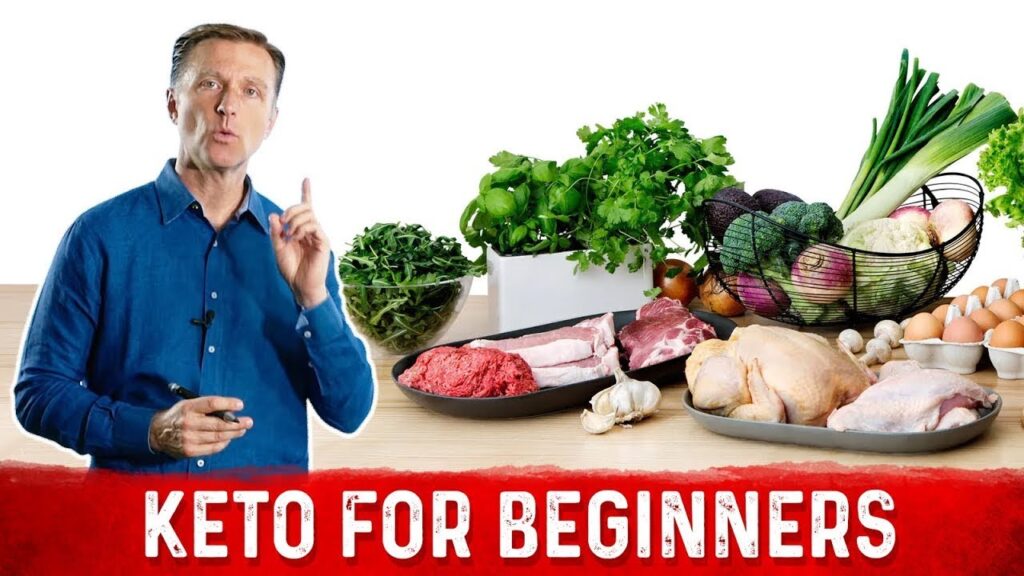
The Keto Diet, also known as the ketogenic diet, is a low-carbohydrate, high-fat diet that aims to put your body into a metabolic state called ketosis. Ketosis occurs when your body doesn’t have enough carbohydrates to burn for energy, so it begins to break down fats instead. This process produces ketones, which are molecules that serve as an alternative fuel source for your body and brain.
1.2 Basic principles of the Keto Diet
The basic principles of the Keto Diet involve drastically reducing your carbohydrate intake and increasing your consumption of healthy fats. Typically, the macronutrient ratio on the Keto Diet is around 70-75% fat, 20-25% protein, and 5-10% carbohydrates. By restricting carbohydrates, you force your body to rely on fat as its primary fuel source, leading to various health benefits.
2. Benefits of the Keto Diet
2.1 Weight loss and improved body composition
One of the primary benefits of the Keto Diet is its ability to promote weight loss and improve body composition. When you enter ketosis, your body becomes more efficient at burning fat for energy, which can help you shed excess pounds. Additionally, the high-fat and moderate protein content of the diet can help you feel satisfied and reduce cravings, making it easier to stick to a calorie deficit.
2.2 Increased energy and mental clarity
Many individuals report experiencing increased energy levels and improved mental clarity on the Keto Diet. This is because ketones are a more efficient fuel source for the brain compared to glucose. By stabilizing blood sugar levels and providing a steady supply of energy, ketosis can help improve cognitive function and focus.
2.3 Better blood sugar control and insulin sensitivity
The Keto Diet has shown promising results in improving blood sugar control and insulin sensitivity, making it beneficial for individuals with diabetes or those at risk of developing the condition. By minimizing carbohydrate intake, you can prevent spikes in blood sugar and reduce the need for insulin, leading to more stable blood sugar levels.
2.4 Reduced inflammation and oxidative stress
Chronic inflammation and oxidative stress are underlying factors in many diseases. The Keto Diet has been shown to reduce inflammation markers and oxidative stress, potentially decreasing the risk of developing conditions like heart disease, cancer, and neurodegenerative disorders.
2.5 Potential benefits for epilepsy and neurodegenerative conditions
The therapeutic use of the Keto Diet, particularly for epilepsy, has been well-established. The Ketogenic Diet is often used as a treatment option for individuals with drug-resistant epilepsy, reducing the frequency and severity of seizures. Additionally, there is promising research suggesting that the Keto Diet may have beneficial effects on other neurodegenerative conditions, such as Alzheimer’s disease and Parkinson’s disease.
3. Dr. Berg’s Approach to the Keto Diet
3.1 Dr. Berg’s credentials and expertise
Dr. Eric Berg is a renowned chiropractor and nutritionist with over 30 years of experience. He has dedicated his career to helping individuals achieve optimal health through nutrition and lifestyle interventions. With his extensive knowledge in functional medicine, Dr. Berg has become an influential figure in the ketogenic community.
3.2 Focus on nutrient-dense, whole foods
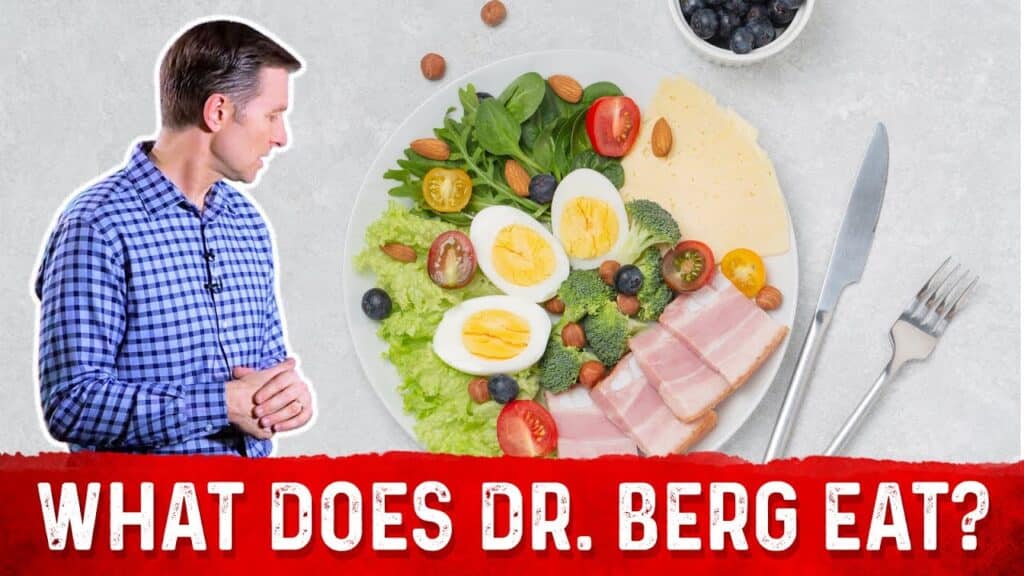
Dr. Berg emphasizes the importance of consuming nutrient-dense, whole foods on the Keto Diet. While it is common for some individuals to rely heavily on processed ketogenic products, Dr. Berg advocates for a diet rich in organic vegetables, healthy fats, and quality proteins. This approach ensures that your body receives all the essential vitamins, minerals, and antioxidants it needs to thrive.
3.3 Emphasis on adequate protein intake
Protein is essential for maintaining muscle mass, supporting cellular function, and promoting satiety. Dr. Berg recommends consuming an adequate amount of protein to prevent muscle loss and support overall health while on the Keto Diet. It is important to balance protein intake with fat consumption, as excessive protein can hinder ketosis.
3.4 Importance of healthy fats
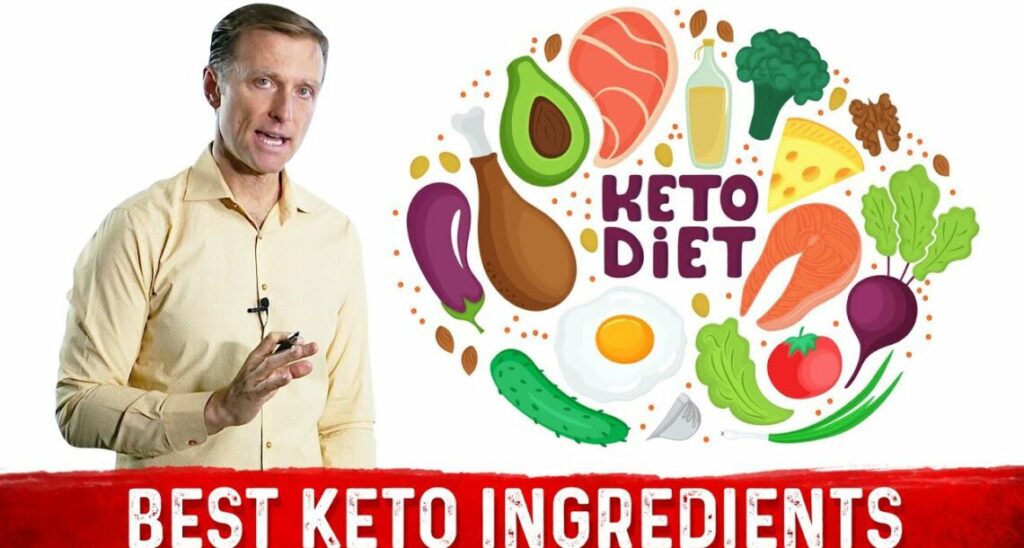
Healthy fats play a crucial role in the Keto Diet, providing the majority of your daily calorie intake. Dr. Berg encourages the consumption of avocados, coconut oil, grass-fed butter, olive oil, and other natural sources of healthy fats. These fats provide fuel for your body, aid in the absorption of fat-soluble vitamins, and help maintain ketosis.
3.5 Recommendations for tracking macros
To ensure success on the Keto Diet, Dr. Berg recommends tracking your macronutrient intake. This involves monitoring your daily grams of fat, protein, and carbohydrates to maintain the appropriate balance for ketosis. Tracking macros can help you stay accountable and make adjustments as needed to achieve your desired health goals.
3.6 Addressing common nutrient deficiencies on the Keto Diet
As with any diet, deficiencies in certain nutrients can occur if not carefully monitored. Dr. Berg advises supplementing with essential vitamins and minerals, such as magnesium, potassium, and electrolytes, to prevent deficiencies while on the Keto Diet. Additionally, he suggests incorporating a variety of vegetables and low-carbohydrate fruits to ensure adequate fiber and micronutrient intake.
4. Getting Started with the Keto Diet
4.1 Assessing your health and consulting with a healthcare professional
Before starting the Keto Diet, it is important to assess your overall health and consult with a healthcare professional, especially if you have any underlying medical conditions or are taking medications. A medical professional can help determine if the Keto Diet is appropriate for you and provide guidance on how to safely implement it.
4.2 Setting realistic goals and expectations
Like any lifestyle change, setting realistic goals and managing expectations is essential for long-term success on the Keto Diet. It is important to understand that weight loss and the onset of ketosis may vary from person to person. Instead of solely focusing on the number on the scale, consider other benefits such as improved energy levels and overall health markers.
4.3 Steps to transition into ketosis
Transitioning into ketosis requires reducing your carbohydrate intake and gradually increasing your fat consumption. Dr. Berg advises starting by eliminating processed sugars and refined carbohydrates from your diet and gradually decreasing your overall carb intake. Increasing healthy fat sources is crucial during this transition period to provide your body with the necessary fuel.
4.4 Potential side effects and tips to minimize them
As your body adapts to the Keto Diet, you may experience side effects commonly referred to as the “keto flu.” These can include fatigue, mood swings, and gastrointestinal issues. To minimize these symptoms, Dr. Berg suggests staying well-hydrated, replenishing electrolytes, and ensuring adequate salt intake. Additionally, gradually reducing carbohydrate intake can help your body adjust more smoothly.

5. Sample Keto Meal Plan
5.1 Breakfast options
- Avocado and bacon omelet
- Chia seed pudding with almond milk and berries
- Spinach and mushroom frittata
5.2 Lunch ideas
- Grilled chicken salad with mixed greens, avocado, and olive oil dressing
- Zucchini noodles with pesto and grilled shrimp
- Cauliflower rice stir-fry with tofu or chicken
5.3 Dinner recipes
- Baked salmon with roasted asparagus
- Bunless cheeseburgers with lettuce wraps and avocado
- Spaghetti squash with meatballs and marinara sauce
5.4 Snack suggestions
- Almonds or macadamia nuts
- Cheese cubes or cheese crisps
- Celery sticks with almond butter
5.5 Tips for dining out on the Keto Diet
When dining out on the Keto Diet, you can make smart choices by opting for grilled or roasted meats, steamed vegetables, and salads with olive oil-based dressings. Avoid starchy sides, bread, and sugary sauces. Don’t be afraid to ask your server for modifications or substitutions to fit your dietary needs.
6. Exercise and Physical Activity on the Keto Diet
6.1 Understanding the role of exercise in ketosis
Exercise can complement the Keto Diet by enhancing fat burning, improving insulin sensitivity, and promoting overall health and wellbeing. Engaging in physical activity can also help preserve lean muscle mass, which is important for maintaining a healthy metabolism.
6.2 Recommended types of exercise
Both aerobic exercises, such as jogging or cycling, and resistance training, such as weightlifting or bodyweight exercises, can be beneficial on the Keto Diet. These activities help burn calories, build strength, and optimize body composition. Finding activities you enjoy and incorporating them into your routine is key to long-term adherence.
6.3 Timing of exercise sessions
The timing of your exercise sessions may depend on personal preference and energy levels. Some individuals find exercising in a fasted state, such as in the morning before breakfast, to be beneficial for increasing fat burning. Others prefer to fuel their workouts with a small high-fat snack before exercising. Experiment with different approaches to find what works best for you.
6.4 Tips for optimizing performance and recovery
To optimize exercise performance and aid in recovery while on the Keto Diet, it is important to prioritize hydration, electrolyte balance, and adequate protein intake. Drinking plenty of water, replenishing electrolytes with supplements or electrolyte-rich foods, and consuming enough protein can help support muscle recovery and prevent fatigue.

7. Common Challenges and Solutions on the Keto Diet
7.1 Dealing with keto flu and electrolyte imbalances
The keto flu is a common challenge that some individuals experience when transitioning into ketosis. To minimize symptoms, ensure you are adequately hydrated and replenish electrolytes by consuming foods rich in potassium, magnesium, and sodium. Additionally, easing into the Keto Diet gradually can help your body adjust more smoothly.
7.2 Overcoming cravings and staying motivated
Cravings for carbohydrates can be a challenge on the Keto Diet, especially in the initial stages. To overcome cravings, focus on consuming nutrient-dense, satisfying foods and incorporating a variety of flavors and textures into your meals. Stay motivated by setting realistic goals, tracking your progress, and celebrating non-scale victories.
7.3 Social and practical challenges
Social situations and practical challenges, such as dining out, can be difficult while following the Keto Diet. However, with planning and communication, you can navigate these situations successfully. Researching keto-friendly options at restaurants, bringing your own snacks to social gatherings, and educating friends and family about your dietary needs can help make these situations easier.
7.4 Troubleshooting weight loss plateaus
Weight loss plateaus can occur on any diet, including the Keto Diet. If you find your progress has stalled, reassess your macronutrient intake, ensure you are in a calorie deficit, and consider incorporating intermittent fasting or modifying your exercise routine. Remember that weight loss is not always linear, and other improvements in health and body composition may still be occurring.
8. Frequently Asked Questions about the Keto Diet
8.1 Can the Keto Diet be followed long term?
The Keto Diet can be followed long term if done properly and under the guidance of a healthcare professional. Some individuals choose to cycle in and out of ketosis, while others adopt it as a sustainable lifestyle. It is crucial to ensure you are meeting all your nutritional needs and adjusting your macros as needed to support your health goals.
8.2 Is it safe for everyone, including athletes and pregnant women?
While the Keto Diet can be safe for many individuals, it is always recommended to consult with a healthcare professional before starting any dietary changes, especially for athletes and pregnant women. These populations have specific nutritional needs that need to be addressed to ensure optimal health and performance.
8.3 Can you drink alcohol on the Keto Diet?
Alcohol can be consumed in moderation on the Keto Diet, but it is important to choose low-carbohydrate options. Hard liquors, such as vodka or whiskey, are lower in carbs compared to beer or sugary cocktails. Remember that alcohol can hinder fat burning and may affect your ketosis, so it is essential to consume it in moderation.
8.4 How to handle cheat meals and special occasions?
Cheat meals or special occasions can be enjoyed occasionally while on the Keto Diet. However, it is important to approach them mindfully and with moderation. If you choose to indulge in higher-carb foods, be aware that it may temporarily kick you out of ketosis, and it may take a few days to reestablish your ketone production.
8.5 Are there any potential risks or side effects?
While the Keto Diet can have numerous benefits, it is essential to be aware of potential risks and side effects. These can include nutrient deficiencies if not carefully planned, an initial adjustment period known as the keto flu, and the potential for an increased intake of saturated fats. Working with a healthcare professional and practicing the diet correctly can help mitigate these risks.
9. Success Stories and Testimonials
9.1 Inspiring stories of individuals who achieved their goals on the Keto Diet
The Keto Diet has transformed the lives of many individuals, leading to inspiring success stories. People have reported significant weight loss, improved energy levels, reversal of chronic conditions, and enhanced mental clarity. These stories serve as a source of motivation and encouragement for those considering or already following the Keto Diet.
9.2 Dr. Berg’s role in supporting and empowering his clients
Dr. Berg has played a significant role in supporting and empowering his clients throughout their Keto Diet journey. Through his educational content and personalized advice, he has helped individuals overcome challenges, achieve their health goals, and make sustainable lifestyle changes. Dr. Berg’s focus on individualized care and evidence-based recommendations has made him a trusted resource in the keto community.
10. Final Thoughts and Conclusion
10.1 Summary of the key points discussed
The Keto Diet is a low-carbohydrate, high-fat diet that aims to put your body into a state of ketosis. It offers numerous benefits, including weight loss, increased energy, improved blood sugar control, reduced inflammation, and potential therapeutic effects for certain health conditions. Dr. Berg’s approach to the Keto Diet emphasizes the importance of nutrient-dense whole foods, adequate protein intake, healthy fats, and individualized care.
10.2 Emphasizing the importance of individualization and seeking professional guidance
While the Keto Diet can be effective for many individuals, it is essential to approach it with individualization and seek professional guidance. Everyone’s nutritional needs and health goals are different, and working with a healthcare professional can help you navigate potential challenges, ensure proper nutrient intake, and minimize risks. The Keto Diet can be a powerful tool for improving health, but it should always be tailored to your individual needs and done with the proper knowledge and support.


