Have you ever wondered how your diet can impact your gallbladder health? You might have heard about the keto diet and its many potential benefits, but how does it specifically relate to gallbladder function? Understanding this connection can help you make informed choices that nurture your body.
What is the Keto Diet?
The ketogenic diet, often referred to as the keto diet, is a low-carbohydrate, high-fat eating plan that has gained popularity for its weight loss and health benefits. By significantly reducing your carbohydrate intake and replacing it with fat, your body enters a state called ketosis. In ketosis, your body becomes efficient at burning fat for energy instead of carbohydrates. This can lead to weight loss and potentially improve various health markers.
How Does the Keto Diet Work?
To understand how the keto diet works, it’s important to know a bit about your body’s normal energy processes. Typically, you consume carbohydrates, which your body breaks down into glucose. This glucose serves as your primary energy source.
When you significantly decrease your carbohydrate intake, your body runs low on glucose. In response, it starts breaking down fats into ketones, which are used as an alternative fuel source. This metabolic state can offer several benefits, from fat loss to improved mental clarity.
The Gallbladder: An Overview
Your gallbladder is a small organ located beneath your liver, and it plays a crucial role in digestion. It stores bile, a digestive fluid produced by your liver, that helps break down fats. When you eat, your gallbladder releases bile into your small intestine to aid in the digestion process.
Common Gallbladder Issues
While the gallbladder is often overlooked, it can face several challenges, including:
- Gallstones: Hard deposits that form in the gallbladder, often leading to pain and digestive problems.
- Cholecystitis: Inflammation of the gallbladder that can result in severe pain.
- Biliary colic: Spasms of the gallbladder or bile ducts, usually due to gallstones.
If you have a gallbladder issue, understanding dietary choices becomes essential for managing your symptoms and overall health.
The Connection Between the Keto Diet and Gallbladder Health
So, how does the keto diet fit into the picture of gallbladder health? Some evidence suggests that a low-carb, high-fat diet could affect gallbladder function and related conditions either positively or negatively. Let’s break it down.
Potential Benefits of the Keto Diet for Gallbladder Health
-
Weight Loss and Gallstones
By promoting weight loss, the keto diet may indirectly reduce the risk of gallstones. Obesity is a significant risk factor for gallbladder issues, so shedding excess weight can lessen strain on this organ. The reduced carbohydrate intake leads to fewer insulin spikes, which can also decrease cholesterol saturation in bile, potentially minimizing the risk of stone formation. -
Stable Blood Sugar Levels
The keto diet can help stabilize blood sugar levels due to its low carbohydrate content. Fluctuating blood sugar can lead to increased insulin levels, which may have a negative impact on gallbladder function. When your blood sugar is stable, your body is more likely to maintain a healthy gallbladder. -
Reduced Inflammation
Chronic inflammation can affect gallbladder health. The keto diet encourages the consumption of anti-inflammatory foods, such as avocados, nuts, and fatty fish. Incorporating these foods into your meals can help support overall hormonal balance and reduce gallbladder irritation.
Risks of the Keto Diet for Gallbladder Health
While there are potential benefits to adopting a keto diet, there are also risks to consider if you have gallbladder issues.
-
Increased Fat Intake
Since the keto diet is high in fat, it can sometimes cause discomfort, particularly if your gallbladder is already compromised. A diet that is too rich in fats without adequate bile production can lead to symptoms like pain and indigestion. -
Risk of Gallstones
A very high-fat diet may contribute to the development of gallstones in some individuals. This is particularly the case if bile is not released efficiently or if someone predisposed to gallstones makes abrupt dietary changes. -
Digestive Issues
Transitioning to a high-fat diet can pose challenges for your digestive system. If your body isn’t used to processing fats, you might experience nausea, diarrhea, or abdominal discomfort during the initial stages of the diet.
Getting Started with the Keto Diet
If you’re considering the keto diet for gallbladder health, it’s crucial to approach it thoughtfully. Here are some tips for getting started.
Consult with a Healthcare Professional
Before making significant changes to your diet, it’s always wise to consult with a healthcare professional. They can help ensure it’s a safe choice for you, especially if you have existing gallbladder issues or other related concerns.
Gradual Transition
Instead of drastically cutting carbs and ramping up fat intake, consider gradually lowering your carbohydrate consumption while increasing healthy fats little by little. This way, your body can adjust more comfortably to the changes.
Focus on Healthy Fats
Not all fats are created equal. Be mindful of the types of fats you incorporate into your diet. Include sources of healthy fats, such as:
- Olive oil
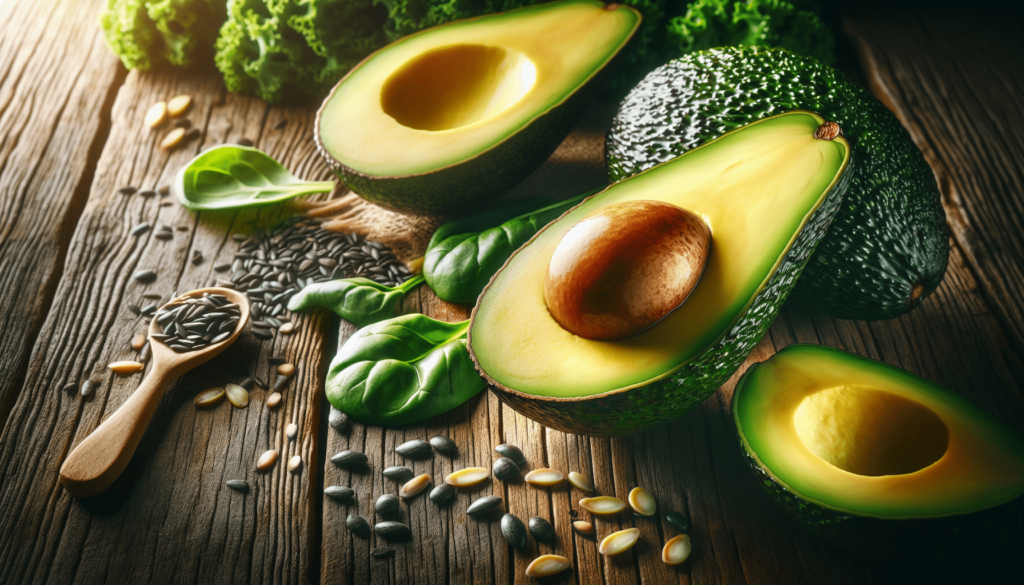
- Avocados
- Nuts and seeds
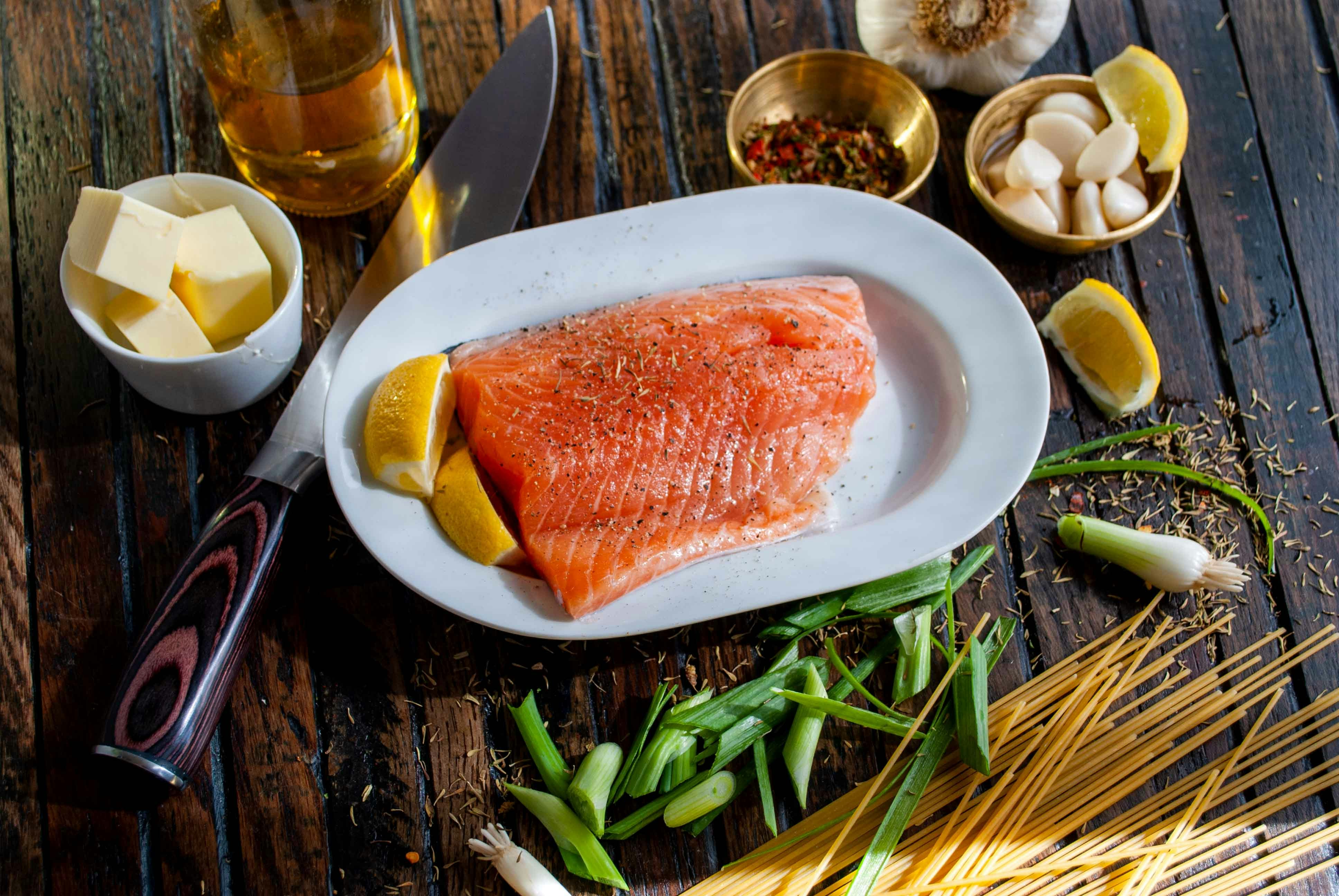
- Fatty fish (like salmon)
Monitor Your Body’s Response
Listen to your body and take note of how you feel. If you experience significant discomfort or symptoms associated with gallbladder issues, consider adjusting your fat intake or revisiting your dietary plan.
| Healthy Fats to Include | Fats to Limit or Avoid |
|---|---|
| Olive oil | Trans fats |
| Avocados | Processed oils |
| Nuts (almonds, walnuts) | Saturated fats (in excess) |
| Fatty fish (salmon, sardines) | Fried foods |
Meal Planning on the Keto Diet
Meal planning is crucial for successfully following any diet, especially the keto diet. Having a plan can prevent you from reaching for high-carb options when hunger strikes.
Sample Keto Meal Plan
Here’s a simple sample meal plan to give you an idea of how you might structure your keto diet:
| Meal | Option 1 | Option 2 |
|---|---|---|
| Breakfast | Scrambled eggs with spinach and avocado | Greek yogurt with seeds and berries |
| Lunch | Grilled chicken salad with olive oil | Zucchini noodles with pesto and shrimp |
| Snack | A handful of almonds or walnuts | Cheese slices with cucumber |
| Dinner | Baked salmon with asparagus | Stir-fried beef and broccoli with sesame oil |
This plan is just a starting point. Personalize it according to your tastes and nutritional needs.
Staying Hydrated
As you make dietary adjustments, remember that hydration is vital. Drinking enough water helps support all your bodily functions, including digestion. It can also help you manage any potential constipation that may arise from dietary changes. Aim for at least eight glasses of water daily, and consider adding herbal teas for variety.
Listening to Your Body
While embarking on this dietary journey, it’s essential to prioritize self-care. Monitor how you feel as your diet changes, and don’t hesitate to adjust your approach if something doesn’t sit well with you.
Signs to Monitor
Be attentive to signs that might indicate your diet isn’t working well for you:
- Digestive Issues: Bloating, gas, or diarrhea can indicate that your body is struggling with the change in fat intake.
- Abdominal Pain: If you experience consistent pain after eating, it might signal a gallbladder flare-up or intolerance to high-fat foods.
- Fatigue: Feeling unusually tired may suggest that your body is not adjusting well to the energy source switch.
The Importance of Physical Activity
Integrating physical activity into your routine can enhance the benefits of the keto diet. Regular exercise supports overall health and can help your body adapt more efficiently to metabolic changes.
Types of Exercise to Consider
- Cardiovascular Activities: Such as walking, cycling, and swimming can boost your mood and improve heart health.
- Strength Training: Building muscle mass can help you maintain a healthy metabolism, which is important on a low-carb diet.
- Flexibility and Balance Exercises: Yoga or pilates can enhance overall wellness and relaxation.
Long-Term Considerations
Transitioning to a keto diet is a significant change, and it’s essential to think about the long term. While keto may be beneficial initially, consider how you will maintain balance in your eating habits going forward.
Reassessing Your Diet
After a few months on the keto diet, evaluate how you feel. If you’ve improved your gallbladder health and achieved your goals, you might want to consider a sustainable version of the keto diet that includes a broader variety of foods while still focusing on healthy fats and lower carbohydrates.
Potential for Reintroducing Carbs
If you decide to reintroduce carbohydrates later, do so gradually. Focus on healthy, high-fiber options like whole grains, fruits, and vegetables to support your gallbladder.
Closing Thoughts
Your diet plays a crucial role in your gallbladder health, and the keto diet may offer a pathway to better health for some individuals. However, it’s not a one-size-fits-all solution, and individual responses can vary widely.
Listening to your body, consulting with healthcare professionals, and making gradual adjustments can set you on the path to a balanced and healthy lifestyle. Remember, the journey to health and wellness is unique for everyone, and you have the power to make the best decisions for your body.
Wouldn’t it be nice to feel empowered over your dietary choices while supporting both your gallbladder and overall health?