Have you ever wondered how your diet might impact your mental health?
The relationship between what you eat and how you feel emotionally can be quite profound. One diet that has garnered attention in recent years for its potential mental health benefits is the ketogenic diet. This article will provide detailed insights into the ketogenic diet and its possible effects on mental health.

What is the Ketogenic Diet?
The ketogenic diet, often known simply as “keto,” is a high-fat, moderate-protein, and very low-carbohydrate eating plan. The primary goal of this diet is to shift your body into a state called ketosis. In ketosis, your body becomes highly efficient at burning fat for energy instead of relying on carbohydrates.
Macronutrient Breakdown
Understanding the macronutrient ratios is key to effectively following the ketogenic diet. Here’s a brief breakdown:
| Macronutrient | Percentage of Daily Intake |
|---|---|
| Fat | 70-80% |
| Protein | 20-25% |
| Carbohydrates | 5-10% |
In simple terms, the majority of your calories will come from fats, with minimal carbohydrates and moderate protein.
How Does the Ketogenic Diet Work?
When you significantly reduce your carbohydrate intake and replace it with fat, your body enters ketosis. In this state, the liver converts fatty acids into ketones, which serve as an alternative fuel source for the brain. This transition can take a few days, and some people may experience symptoms commonly referred to as the “keto flu,” which can include fatigue, irritability, and brain fog.
Switching Fuels: Glucose to Ketones
Under normal circumstances, your body relies on glucose (from carbohydrates) for energy. However, in the absence of carbohydrates, the body becomes adaptable. This metabolic flexibility means your brain can thrive on ketones, which have been shown to be a more stable energy source.

The Connection Between Diet and Mental Health
Research suggests that diet plays a significant role in mental health. Nutritional psychiatry is an emerging field that studies how what you eat affects your mood, cognition, and behavior. Some studies have indicated that a diet rich in healthy fats and low in carbohydrates, like the ketogenic diet, may provide certain mental health benefits.
Neurotransmitters and Mood
Your brain communicates with the rest of your body using chemicals called neurotransmitters. Diet can influence the production and function of these neurotransmitters, affecting everything from mood to anxiety levels.
For instance, some studies suggest that a higher fat intake can lead to increased production of brain-derived neurotrophic factor (BDNF), which is essential for brain health and function. Increased BDNF levels are linked to improved mood and cognitive function.
Potential Mental Health Benefits of the Ketogenic Diet
So, what specific mental health benefits might you experience while following a ketogenic diet? Let’s take a closer look.
Improved Mood Stability
Many individuals report experiencing a more stable mood on a ketogenic diet. This may be due to the regulatory effects of ketones on brain function. When your brain relies on a consistent fuel source like ketones, it may be less susceptible to the fluctuations often associated with glucose-related energy spikes and crashes.
Reduced Anxiety and Stress Levels
Some research indicates that ketogenic diets may lead to reduced anxiety and stress levels. The composition of the diet, particularly the intake of omega-3 fatty acids from healthy fats, can contribute positively to brain health. These fats may also play a role in regulating inflammatory responses within the brain, which are linked to anxiety and depression.
Enhanced Cognitive Function
Individuals on a ketogenic diet frequently report clearer thinking and improved focus. This could be attributed to the increased production of ketones and their neuroprotective properties. A diet rich in good fats can also support overall brain health, reducing the risk of cognitive decline.
Decreased Symptoms of Depression
While more research is needed in this area, some studies have suggested that a ketogenic diet may have antidepressant effects. The potential reasons include the regulation of neurotransmitter levels and the reduction of inflammation, which has been implicated in the pathobiology of depression.
The Role of Inflammation in Mental Health
One possible mechanism by which the ketogenic diet may affect mental health is through its anti-inflammatory properties. Chronic inflammation has been linked with a range of mental health issues, including depression and anxiety.
Inflammation and the Brain
Inflammation in the brain can affect neurotransmitter levels and overall neural function. The ketogenic diet, known for its anti-inflammatory effects, may help reduce this inflammation, potentially alleviating some symptoms of mental health disorders.
Foods That Fight Inflammation
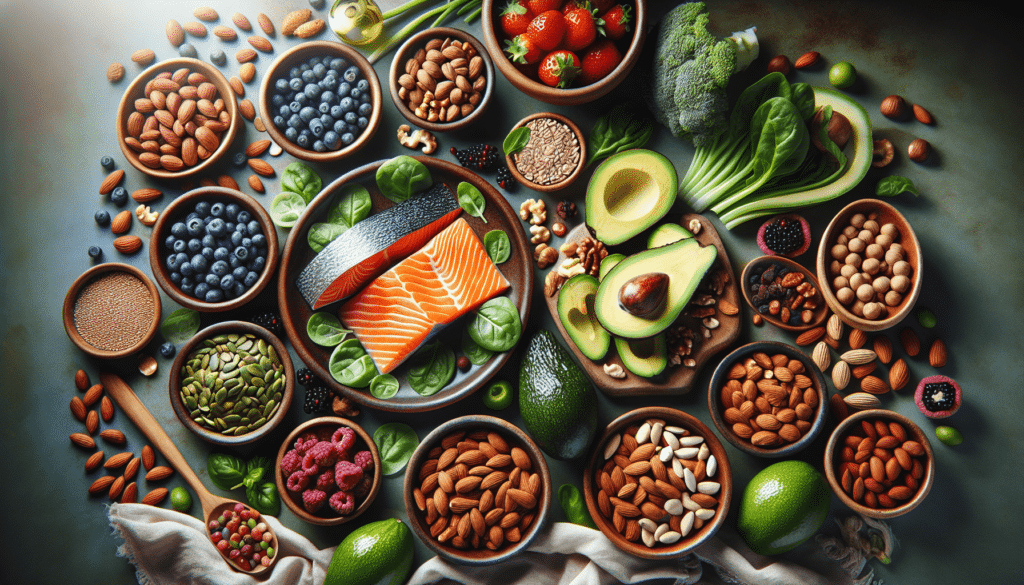
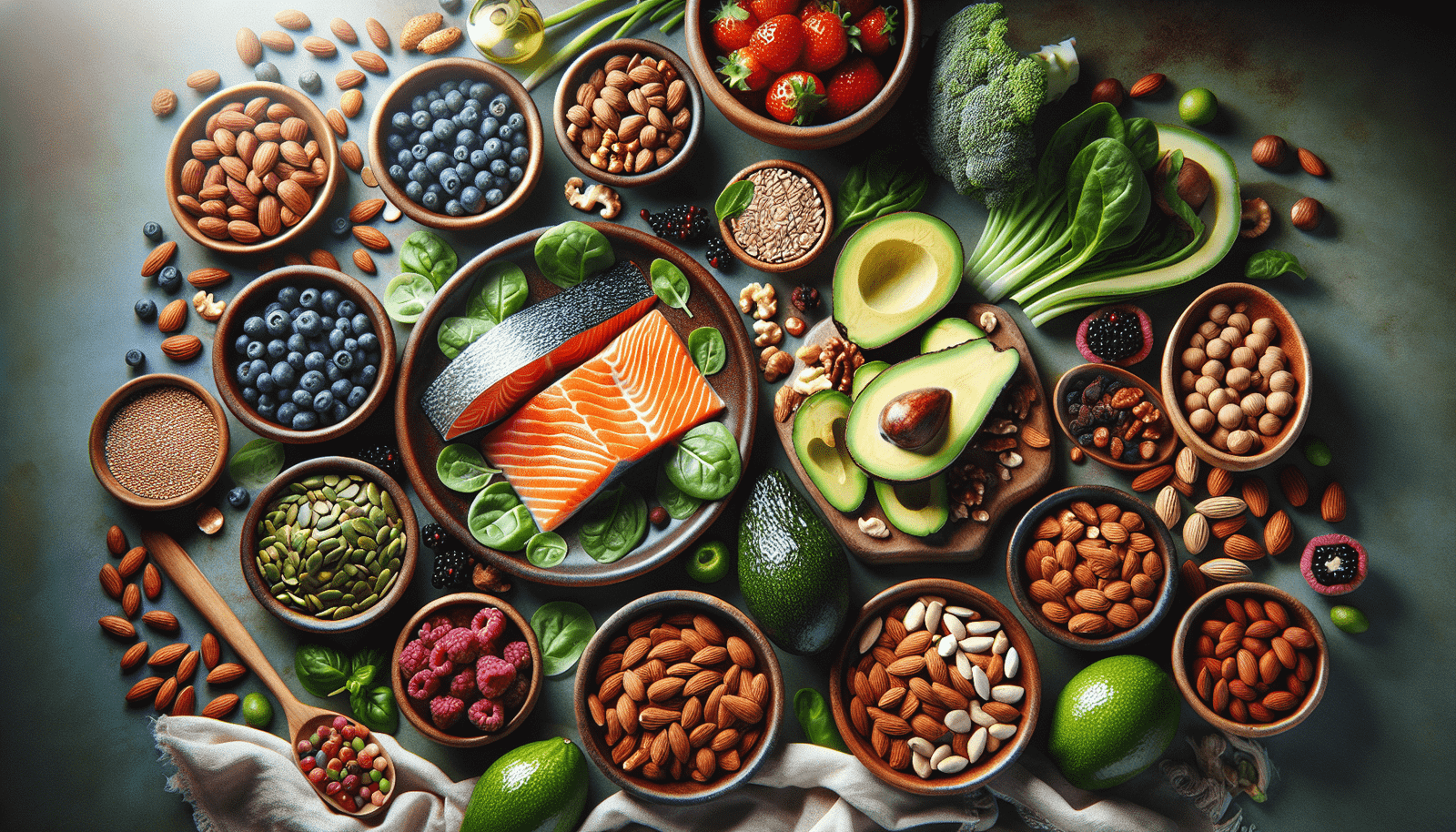
Incorporating anti-inflammatory foods into your ketogenic diet is possible. Foods rich in omega-3 fatty acids, such as fatty fish, walnuts, and flaxseeds, can be combined with traditional ketogenic staples like olive oil and avocados to create a brain-healthy diet.
The Science Behind the Ketogenic Diet and Mental Health
Research on the ketogenic diet and its potential mental health benefits is still evolving. However, various studies have provided us with intriguing insights.
Clinical Trials and Studies
A number of clinical studies have explored the effects of the ketogenic diet on conditions such as epilepsy, Alzheimer’s disease, and other neurodegenerative disorders. Some of these studies have reported improvements in mood and cognitive function, paving the way for further research in the field of mental health.
Preliminary Findings
Although more extensive research is needed, preliminary findings suggest that the ketogenic diet might have protective effects on brain health. It’s important to note that individual reactions to the diet can vary, and what works for one person may not work for another.

Getting Started on the Ketogenic Diet
If you’re considering trying the ketogenic diet to improve your mental health, it’s essential to do so thoughtfully. Here are some steps to help you get started:
Consult a Healthcare Professional
Before making significant changes to your diet, it’s always a good idea to consult with a healthcare professional, especially if you have pre-existing health conditions or are taking medications.
Set Realistic Goals
Recognizing what you want to achieve can help streamline your transition. Whether it’s improved energy levels, better mood stability, or increased focus, having clear goals will guide your journey.
Begin Gradually
Transitioning into a ketogenic diet can be challenging. Instead of diving into a strict ketogenic regimen immediately, consider gradually reducing carbohydrates while increasing your fat intake. This might help in minimizing any potential side effects.
Meal Planning and Preparation
Planning is key when starting any new dietary regimen. Create a list of foods that fit the ketogenic framework, focusing on high-quality fats, low-carb veggies, and moderate protein sources. Having a meal plan can help you stay on track.
Potential Challenges and How to Overcome Them
While there are numerous benefits associated with the ketogenic diet, some challenges may arise as well.
The Keto Flu
As your body adapts to burning fat for fuel, you may experience the “keto flu.” Symptoms might include fatigue, headaches, irritability, and cravings. Staying hydrated and ensuring you consume enough electrolytes can help alleviate these symptoms.
Social Situations and Dining Out
Dining out or attending social gatherings can pose challenges when adhering to a ketogenic diet. However, many restaurants now offer low-carb options, and you can always communicate your dietary needs. Bringing your own snacks to events can also help.
Long-term Sustainability
Some people may find the ketogenic diet challenging to stick with long-term. It’s crucial to listen to your body and adjust as needed. Finding a balance that works for you, perhaps cycling between a ketogenic diet and a more moderate approach, may be more sustainable.
Nutritional Strategies for Mental Health
While the ketogenic diet can have potential benefits for mental health, it’s essential to adopt a holistic approach to nutrition.
A Balanced Diet is Key
Incorporating a variety of foods, even within a ketogenic framework, plays a vital role in overall health. This means including nutrient-dense foods rich in vitamins and minerals to support optimal brain function.
Stay Hydrated
Hydration is crucial. Dehydration can lead to symptoms like fatigue, irritability, and difficulty concentrating. Ensure you are drinking enough water throughout the day, especially when transitioning to a new diet.
Incorporate Physical Activity
Regular physical activity can also improve your mental health. Exercise releases endorphins, which are natural mood lifters. Consider pairing the ketogenic diet with regular workouts to enhance your overall well-being.
Conclusion: Is the Ketogenic Diet Right for You?
Ultimately, the ketogenic diet may offer some mental health benefits, but it might not be suitable for everyone. Listening to your body and consulting with healthcare professionals will assist you in making informed dietary choices.
Whether you’re dealing with mood issues, anxiety, or just seeking to enhance your cognitive function, keeping an open mind about your diet and mental health connection can lead to positive changes. Remember, personal experimentation and adjustment are key to finding what truly works for your well-being, so take your time and enjoy the journey!