Have you ever wondered if the keto diet is a safe option for your health? This trendy low-carb diet has taken the world by storm, promising rapid weight loss and improved energy levels. However, amidst the excitement, many questions arise regarding its safety and long-term effects. Let’s take a closer look at what the ketogenic diet entails and whether it’s a healthy choice for you.

Understanding the Ketogenic Diet
The ketogenic diet, often referred to as the keto diet, involves significantly reducing your carbohydrate intake and replacing it with fats. The primary goal of this diet is to shift your body into a state known as ketosis, where it becomes more efficient at burning fat for energy rather than carbohydrates.
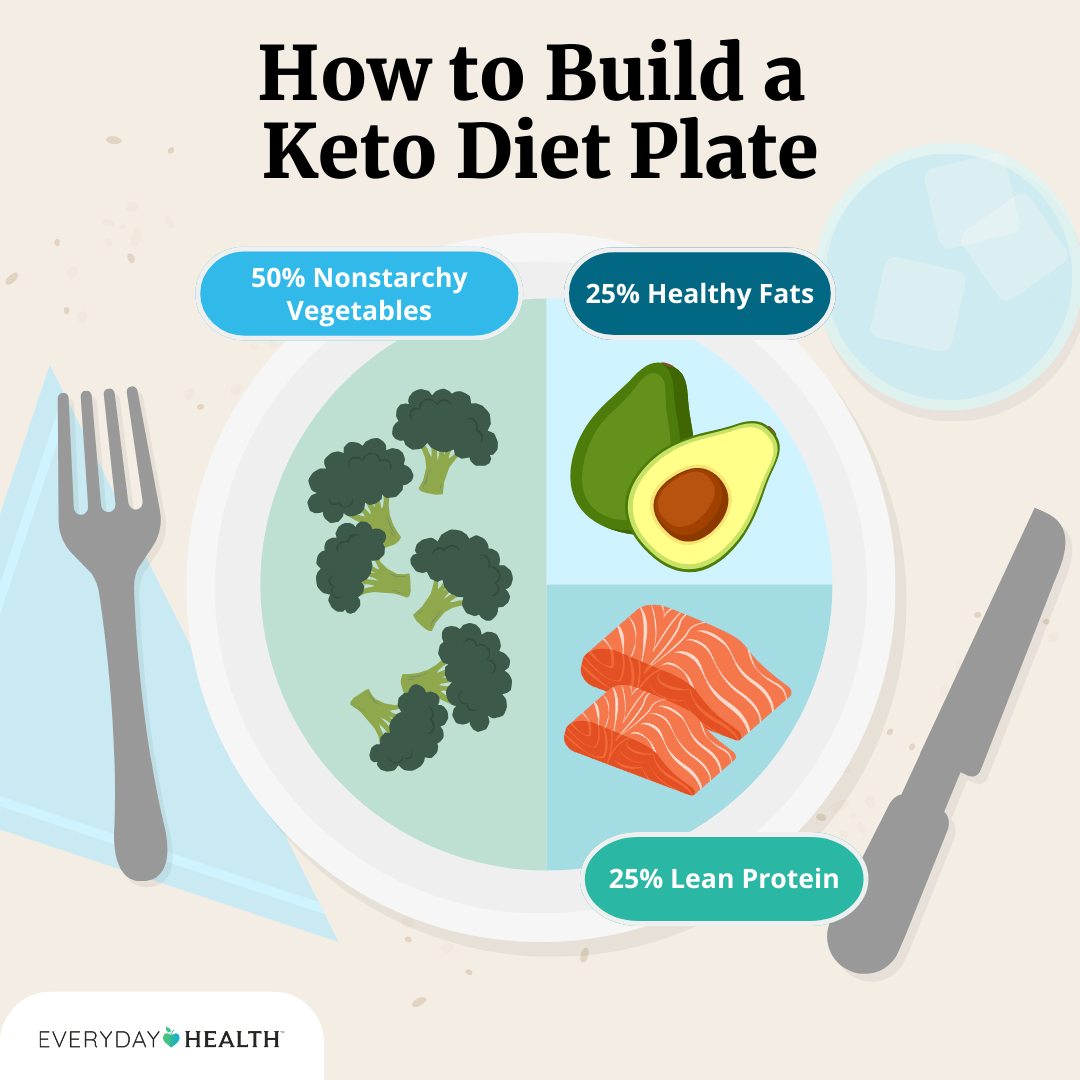
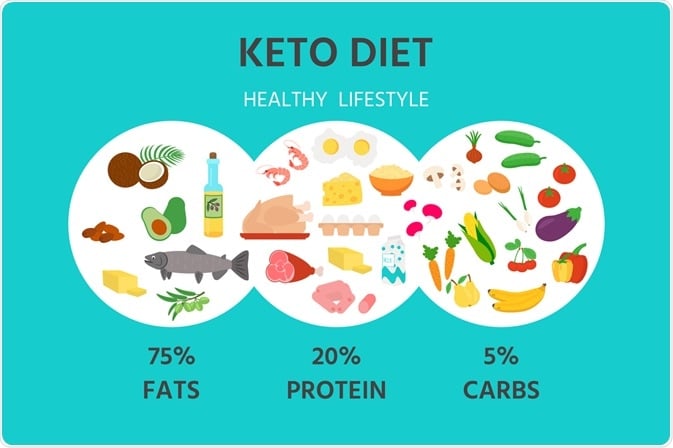
In a typical keto diet, about 70-75% of your daily calories come from fats, 20-25% from protein, and only 5-10% from carbohydrates. This macronutrient ratio is quite different from standard dietary recommendations, which usually suggest a higher carbohydrate intake.
How Does the Keto Diet Work?
When you drastically cut carbs, your body faces a shortage of glucose, which is the primary form of energy. To adapt, your liver begins to convert fats into ketones, which your brain and body can use for energy. This metabolic shift can lead to various physical and mental benefits, but it’s important to understand how this process affects your health over time.
Common Foods in a Keto Diet
Understanding the types of foods you can include in the keto diet is an essential step toward safety. Here’s a breakdown of what typically fills a keto plate:
| Food Category | Examples |
|---|---|
| Healthy Fats | Avocados, olive oil, nuts, seeds |
| Proteins | Fatty fish, eggs, meat, poultry |
| Low-Carb Vegetables | Spinach, broccoli, cauliflower, zucchini |
| Dairy Products | Cheese, full-fat yogurt, heavy cream |
Keeping these foods in mind helps build a balanced approach to the keto diet. The quality of fats and proteins you consume plays a significant role in how your body reacts to this dietary change.
The Benefits of the Keto Diet
Before jumping to conclusions about safety, let’s consider some of the benefits that people often experience when following the keto diet.
Weight Loss
One of the most compelling attractions of the keto diet is its potential for weight loss. Many people report rapid initial weight loss as they shed water weight and body fat during the first weeks. Studies show that the fat-burning process can lead to significant weight loss results, making it an appealing choice.
Improved Mental Clarity
Ketones have been found to provide a more stable energy source for the brain, which can lead to enhanced mental clarity and focus. Many followers claim that transitioning to a ketogenic lifestyle helps with cognitive functions, reducing brain fog and leading to better productivity.
Stabilized Blood Sugar Levels
For those with type 2 diabetes or insulin resistance, the keto diet can help stabilize blood sugar levels. By minimizing carbohydrate intake, you reduce spikes and crashes in blood sugar, which can lead to more sustainable energy throughout the day.
Decreased Hunger and Cravings
Many people on the keto diet find that their appetite decreases significantly. With a higher intake of fats and proteins, you may experience reduced hunger pangs, leading to fewer cravings and easier adherence to dietary goals.
Potential Risks Associated with the Keto Diet
Despite its many benefits, the keto diet does come with potential risks that you should be aware of. Understanding these can help you make an informed decision about whether this diet is suitable for you.
Nutrient Deficiencies
By cutting out many foods, particularly fruits and certain vegetables, you may miss out on essential vitamins and minerals. For example, a lack of fiber can lead to digestive issues, while insufficient vitamin C can affect your immune system.
The Keto Flu
When transitioning to a keto diet, many experience what is often referred to as the “keto flu.” Symptoms may include fatigue, irritability, headache, and nausea. While these symptoms are generally temporary, they can be uncomfortable and may deter some people from continuing on the diet.
Heart Health Concerns
The high intake of saturated fats associated with some interpretations of the keto diet can raise concern for heart health. It’s vital to focus on healthy fat sources and consider the implications of long-term saturated fat consumption on cardiovascular health.
Liver and Kidney Strain
Since your body is processing higher amounts of protein and fat, there can be extra strain on your liver and kidneys. Particularly for those with preexisting conditions, it’s essential to consult with a healthcare professional before making significant dietary changes.
Long-Term Effects of the Keto Diet
Understanding the long-term effects is crucial for anyone considering the keto diet. Research into the long-term safety of keto is still ongoing, but here are some areas of concern.
Bone Health
Some studies suggest that the keto diet may affect bone health due to decreased mineral content in the diet and changes in metabolism. A significant reduction in fruits and vegetables can affect bone density over time, making it an important consideration moving forward.
Gut Health
With lower fiber intake, your gut health might also suffer. A well-balanced diet promotes the growth of beneficial bacteria; cutting out many fiber-rich foods could potentially lead to an imbalance in your gut microbiome.
Sustainability and Social Implications
Long-term adherence to the keto diet can be challenging. The restrictions may not align with social dining and can lead to feelings of isolation at gatherings. It’s essential to reflect on whether this diet is sustainable for you and fits your lifestyle.
Who Should Avoid the Keto Diet?
While some may thrive on the keto diet, it may not be suitable for everyone. Here are some groups who should approach the keto diet with caution or consider avoiding it altogether:
Individuals with Medical Conditions
If you have a history of pancreatitis or liver disease, the extra fat may put further stress on these organs. Similarly, if you suffer from gallbladder issues, high fat intake could exacerbate symptoms.
Pregnant or Breastfeeding Women
Pregnant and breastfeeding women have unique nutritional needs which may not be met by a strict keto diet. It’s crucial to provide adequate nutrients for both your health and the health of your baby during these stages.
Those with a History of Eating Disorders
If you have a history of disordered eating, restrictive diets could trigger unhealthy behaviors. It’s important to approach any dietary changes mindfully and, if necessary, with professional guidance.
Anyone on Certain Medications
Certain medications, especially those related to diabetes, may require careful evaluation if you are considering a ketogenic diet. Sudden changes in diet can affect how your body responds to medications, so seeking medical advice is essential.
Making the Keto Diet Safer
If you’re intrigued by the keto diet but concerned about safety, there are ways to approach it that can help mitigate potential risks.
Consult a Healthcare Professional
Before making any drastic dietary changes, it’s best to consult with a healthcare professional so you can get personalized advice tailored to your health history and current needs.
Focus on Whole Foods
Rather than relying on low-carb processed foods, aim for whole food sources. Emphasizing nutrient-dense choices will help you avoid deficiencies. Incorporate plenty of low-carb vegetables, high-quality proteins, and healthy fats for a balanced approach.
Monitor Your Health
Regular check-ups with your healthcare provider can help ensure that you remain in good health while pursuing the keto diet. Blood tests can monitor cholesterol levels, kidney function, and other vital markers.
Stay Hydrated
Hydration is key while following any diet, especially one that can cause initial fluid loss like keto. Drink plenty of water throughout the day, and consider incorporating electrolyte-rich foods or supplements, particularly during the early stages.

Alternatives to the Keto Diet
If the keto diet doesn’t seem like the right fit for you, there are numerous other dietary plans you might consider that can also promote health and weight loss without the same level of restrictions.
Mediterranean Diet
The Mediterranean diet emphasizes healthy fats from olive oil, nuts, and fish while allowing for a variety of fruits, vegetables, legumes, and whole grains. This diet is known for heart health benefits and is generally easier to sustain over the long term.
Paleo Diet
The paleo diet encourages consuming whole foods similar to those available during the Paleolithic era. This includes fruits, vegetables, lean meats, fish, and nuts while avoiding processed foods, grains, and legumes.
Intermittent Fasting
Instead of focusing solely on macronutrient ratios, intermittent fasting introduces specific eating windows. This approach can promote weight loss and improve metabolic health without overly restrictive food choices.
Plant-Based Diet
A plant-based diet prioritizes fruits, vegetables, whole grains, nuts, and seeds while minimizing animal products. Studies suggest that plant-based diets can have numerous health benefits and may also support sustainable weight management.
Final Thoughts
Considering whether the keto diet is safe for you is a multi-faceted question. While it offers benefits that many find appealing, it also raises important safety concerns that shouldn’t be ignored. By educating yourself about the potential risks and benefits, consulting with a healthcare professional, and listening to your body, you can make the best decision. Always remember that sustainable health is about finding the best balance that works for you personally. Whether it includes keto or another approach, focusing on your overall well-being is what matters the most.