Foods In Ketogenic Diet
The ketogenic diet, often referred to as keto, has gained significant popularity among those seeking to lose weight, improve their health, or achieve a higher state of mental clarity. But what exactly does this diet entail when it comes to food choices? In this article, we’ll delve deep into the foods that fit into a ketogenic diet, equipping you with the knowledge you need to make informed decisions about your meals.

Understanding the Ketogenic Diet
Before jumping into the specifics of what you can eat on a ketogenic diet, it’s essential to understand the principles behind it. The ketogenic diet is high in fats, moderate in proteins, and low in carbohydrates. When you significantly reduce your carb intake and replace it with fat, your body enters a metabolic state known as ketosis. In ketosis, your body becomes incredibly efficient at burning fat for energy. This not only aids in weight loss but can also provide you with sustained energy throughout the day.
The primary aim of adopting a ketogenic lifestyle is to get your body to rely on fat rather than glucose from carbohydrates as its primary source of fuel. The resulting state of ketosis has various benefits, including increased focus, reduced hunger pangs, and stabilized blood sugar levels, among others. Understanding the role of different macronutrients – fats, proteins, and carbohydrates – will guide the choices you make regarding food.
Foods to Embrace on a Ketogenic Diet
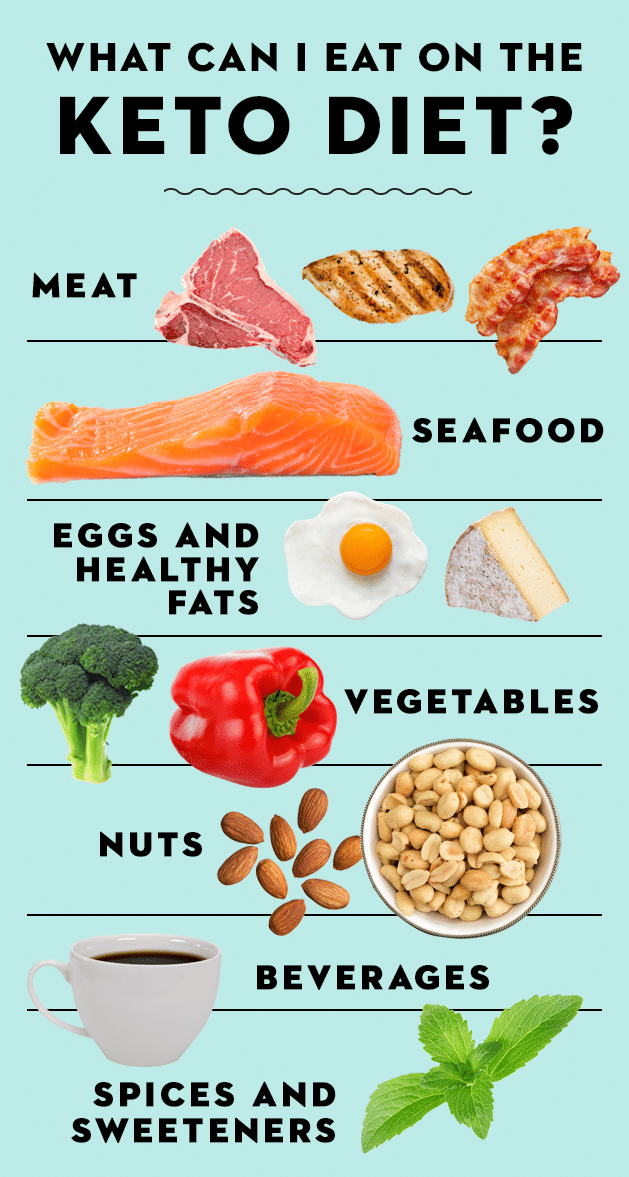
When you embark on a ketogenic diet, you’ll want to focus primarily on high-fat, low-carb foods. Let’s explore the categories of foods that you can enjoy.
Healthy Fats
Fats are the cornerstone of a ketogenic diet, and not all fats are created equal. It’s important to choose healthy sources of fat to nourish your body. Here are some fats you should embrace:
-
Avocado: This creamy fruit is not just delicious; it’s packed with monounsaturated fats, fiber, and various nutrients. You can enjoy it sliced, mashed, or even as a base for a smoothie.
-
Olive Oil: A staple of Mediterranean diets, extra virgin olive oil is rich in antioxidants and has anti-inflammatory properties. Use it for dressing salads or drizzling over cooked vegetables.
-
Coconut Oil: This oil contains medium-chain triglycerides (MCTs), which are easily metabolized. You can cook with it or add a spoonful to your coffee for a creamy, energizing boost.
-
Butter and Ghee: Full-fat dairy products like butter are excellent for cooking, while ghee (clarified butter) is a great option if you are lactose intolerant.
Proteins
On a ketogenic diet, protein intake should be moderate. You want to make sure you’re consuming enough to maintain muscle mass without spiking your insulin levels. Here are some protein sources to consider:
-
Grass-Fed Meat: Opt for beef, lamb, and pork that’s grass-fed whenever possible, as they contain higher levels of omega-3 fatty acids and nutrients like vitamin E.
-
Fatty Fish: Fish like salmon, mackerel, and sardines are fantastic choices. They’re not only rich in protein but also high in omega-3 fatty acids, which are essential for heart health.
-
Eggs: A nearly perfect food, eggs are incredibly versatile and packed with nutrients. They are a great source of good fats and protein, making them perfect for breakfast, lunch, or dinner.
Low-Carbohydrate Vegetables
Vegetables are vital for providing essential vitamins and minerals, and while you’ll want to limit your carb intake, many vegetables can fit comfortably within your ketogenic diet. Focus on non-starchy vegetables, which tend to be lower in carbs. Here’s a list of great options:
-
Leafy Greens: Spinach, kale, and Swiss chard are nutrient-dense and very low in carbs. They can be used in salads, smoothies, or cooked as a side dish.
-
Cruciferous Vegetables: Broccoli, cauliflower, and Brussels sprouts are all excellent choices. These vegetables are not only low in carbohydrates but also high in fiber.
-
Zucchini: A popular ingredient in keto recipes, zucchini is incredibly versatile. You can spiralize it into noodles or simply sauté it as a side dish.
Dairy Products
Dairy can be included in your ketogenic diet, but pay attention to the type you choose. Full-fat options are typically preferred to keep your fat intake high while staying low on carbs.
-
Cheese: Cheddar, mozzarella, and cream cheese are all great choices. They’re low in carbs and rich in flavor, making them perfect for snacking or cooking.
-
Greek Yogurt: Opt for full-fat versions with no added sugars. Greek yogurt can be enjoyed on its own or used in smoothies or as a base for dips.
-
Heavy Cream: Heavy cream is perfect for adding richness to your beverages or meals without a significant increase in carbs.
Nuts and Seeds
Nuts and seeds can be a fantastic source of healthy fats, but moderation is key since they can be calorie-dense. When snacking on these, opt for those that are low in carbohydrates.
-
Almonds: Rich in healthy fats and fiber, almonds make a perfect snack. Just be careful with portion sizes to avoid excessive carb intake.
-
Chia Seeds: These tiny seeds are loaded with omega-3 fatty acids and fiber. You can add them to smoothies or make chia seed pudding.
-
Flaxseeds: An excellent source of fiber, flaxseeds can be ground and added to smoothies, oatmeal, or baked goods for a nutritional boost.
Sweeteners
While sugar is off the table on a ketogenic diet, there are several low-carb sweeteners that you can use to satisfy your sweet tooth without disrupting ketosis.
-
Stevia: A plant-based sweetener that’s calorie-free and has no effect on blood sugar levels. It’s great for sweetening beverages or desserts.
-
Erythritol: A sugar alcohol that contains almost no calories and doesn’t spike blood sugar. It’s perfect for baking and cooking.
Foods to Avoid on a Ketogenic Diet
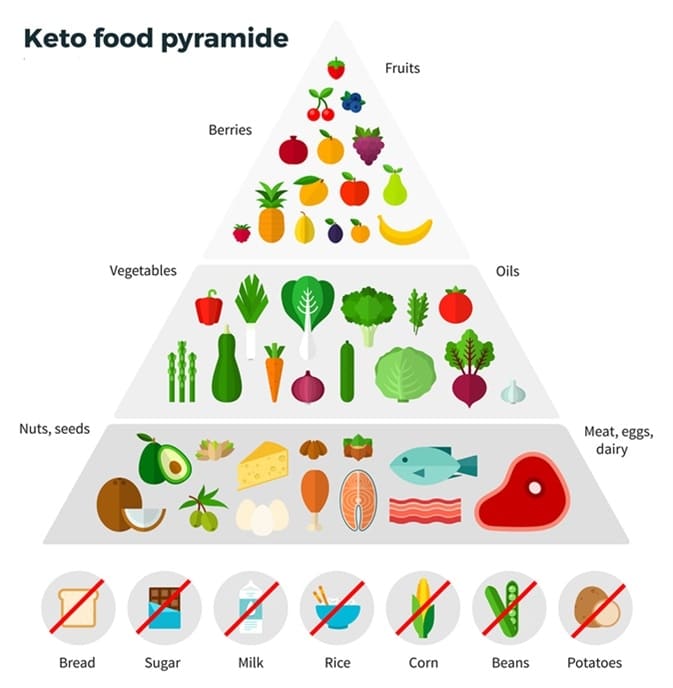
While understanding what to eat is essential, it’s equally important to know what to avoid. This will help you stay within your carb limits and maintain ketosis.
High-Carbohydrate Foods
To achieve and sustain ketosis, it’s crucial to limit your carbohydrate intake. Here are some foods that should be avoided:
-
Sugars: This includes cane sugar, agave syrup, honey, and even maple syrup. You will need to cut these from your diet entirely.
-
Starchy Vegetables: Potatoes, sweet potatoes, and corn are higher in carbohydrates and should be limited in a ketogenic diet.
-
Grains: Any products made with wheat, rice, or oats, including bread, pasta, and cereals, are generally off-limits due to their high carb content.
Packaged Foods
Processed and packaged foods may be convenient but often hide hidden sugars and carbs. Always read labels carefully or opt for whole, unprocessed foods whenever possible.
-
Snack Foods: Chips, crackers, and pretzels are high in carbs and should be avoided. Instead, snack on low-carb vegetables, cheese, or nuts.
-
Condiments and Sauces: Ketchup, barbecue sauce, and dressings often contain added sugars. Opt for low-carb alternatives or make your own using fresh ingredients.
Certain Fruits
While fruits can be a healthy part of a balanced diet, many are too high in sugars for a ketogenic diet. Here’s what to steer clear of:
-
Bananas: High in natural sugars, bananas can quickly add to your carb count and should be avoided.
-
Grapes and Cherries: These fruits are higher in sugar and can disrupt your journey into ketosis if consumed in large amounts.
Meal Planning on a Ketogenic Diet
Planning your meals while following a ketogenic diet can seem daunting, but with a little preparation, it can be a smooth process. Here are some tips to help you get started:
Create a Weekly Menu
By planning your meals for the week, you can make informed decisions while grocery shopping. Write down breakfast, lunch, and dinner options and ensure they fit within your macronutrient goals.
Batch Cooking
Preparing larger quantities of food at once can save you time during the week. Consider making a big batch of chili or stew – just be sure to monitor the carb content of any included ingredients.
Keep Healthy Snacks on Hand
Having healthy snacks available will prevent you from reaching for carb-heavy options. Stock your pantry with nuts or cheese and have low-carb vegetables ready to munch on.
The Benefits of Eating Keto
As you dive into the world of ketogenic diet foods, you might wonder why so many people are choosing this lifestyle. Besides its weight loss benefits, the ketogenic diet offers several advantages.
Enhanced Mental Clarity
Many followers of the ketogenic diet report improved focus and elevated cognitive function. This may be due to the brain using ketones for energy rather than glucose, which can cause fluctuations in energy levels.
Improved Energy Levels
By maintaining stable blood sugar levels through a low-carb approach, you can experience more consistent energy throughout the day without the crashes that often come from eating high-carb meals.
Better Blood Sugar Control
A ketogenic diet can be particularly beneficial for those with insulin resistance or type 2 diabetes. By limiting carbohydrates, you can help stabilize blood sugar levels over time.
Wrapping It Up
The ketogenic diet can be a rewarding lifestyle change, offering various health benefits while allowing you to enjoy wholesome and delicious foods. By focusing on high-fat, low-carb choices and avoiding sugar and starchy foods, you can support your body in achieving ketosis and improving your overall well-being.
If you’re considering making a shift to a ketogenic lifestyle or simply looking for creative meal ideas, I encourage you to explore the myriad of options available. Whether you’re a fan of creamy avocados, hearty meats, or vibrant greens, the ketogenic diet can fit your palate.
If you found this article helpful, please clap to show your support, leave a comment sharing your thoughts or experiences, and consider subscribing to my Medium newsletter for more updates and articles on a variety of topics! Your engagement means a lot and helps create a community around shared experiences and knowledge. Happy eating!