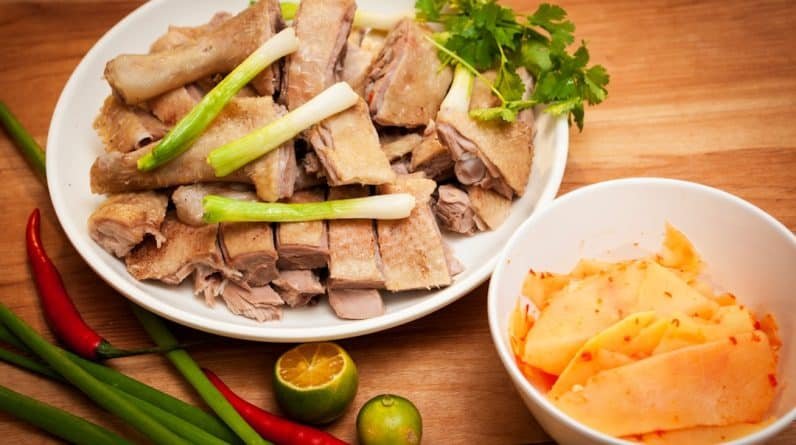
When embarking on a high protein keto diet, it’s essential to grasp the concept of macros, or macronutrients. In this context, macros refer to the three primary nutrients that provide energy: carbohydrates, proteins, and fats. The high protein keto approach typically emphasizes a higher intake of protein while maintaining low carbohydrate levels and moderate fat consumption.
This balance is crucial for achieving the desired state of ketosis, where your body shifts from burning carbohydrates for energy to utilizing fat. To effectively implement a high protein keto diet, you need to understand the specific ratios of these macronutrients. Generally, a high protein keto diet might consist of approximately 60-70% fat, 25-35% protein, and only about 5-10% carbohydrates.
However, these percentages can vary based on individual goals and needs. By familiarizing yourself with these ratios, you can better tailor your diet to support your health objectives while enjoying the benefits of ketosis.
Key Takeaways
- High protein keto macros typically involve consuming a higher percentage of calories from protein, moderate to low percentage from carbohydrates, and the rest from fat.
- Protein is essential in a keto diet as it helps maintain muscle mass, supports satiety, and aids in fat loss.
- To calculate high protein keto macros, determine your protein needs based on your body weight and activity level, then adjust your fat and carbohydrate intake accordingly.
- Opt for lean sources of protein such as poultry, fish, and tofu, and incorporate healthy fats and low-carb vegetables to balance your meals.
- Balancing protein with fat and carbohydrates is crucial in a keto diet to ensure you stay in ketosis and achieve your health and fitness goals.
The Importance of Protein in a Keto Diet
Protein plays a pivotal role in any diet, but its significance is magnified in a keto regimen. As you reduce carbohydrate intake, your body requires an adequate amount of protein to maintain muscle mass and support overall bodily functions. When you consume sufficient protein, you not only help preserve lean muscle but also promote satiety, which can be particularly beneficial when you’re trying to manage your weight.
Moreover, protein is essential for various bodily processes, including hormone production and immune function. In a high protein keto diet, the increased protein intake can help mitigate some of the common side effects associated with transitioning into ketosis, such as fatigue and muscle loss. By ensuring that you consume enough protein, you can enhance your overall well-being while adhering to the principles of a ketogenic lifestyle.
How to Calculate Your High Protein Keto Macros
Calculating your high protein keto macros is a straightforward process that involves determining your daily caloric needs and then applying the appropriate macronutrient ratios. Start by calculating your Total Daily Energy Expenditure (TDEE), which considers factors such as age, gender, weight, height, and activity level. Once you have your TDEE, you can establish a caloric goal that aligns with your weight loss or maintenance objectives.
After determining your caloric intake, you can break down your macros. For instance, if your goal is to consume 2,000 calories per day on a high protein keto diet with 30% protein, you would calculate that 600 calories should come from protein. Since each gram of protein contains four calories, this translates to 150 grams of protein per day.
By following this method, you can ensure that your macronutrient distribution aligns with your dietary goals while keeping you in ketosis.
Choosing the Right Sources of Protein for a Keto Diet
Selecting the right sources of protein is crucial for maximizing the benefits of a high protein keto diet. You should prioritize high-quality protein sources that are low in carbohydrates and rich in essential amino acids. Some excellent options include lean meats like chicken, turkey, and beef, as well as fatty fish such as salmon and mackerel.
These foods not only provide ample protein but also offer healthy fats that complement your ketogenic lifestyle. In addition to animal-based proteins, you can also incorporate plant-based options like tofu and tempeh into your diet. However, be mindful of their carbohydrate content and ensure they fit within your macro limits.
Eggs are another fantastic choice; they are versatile and packed with nutrients while being low in carbs. By diversifying your protein sources, you can enjoy a variety of flavors and textures while meeting your high protein keto macro goals.
Balancing Protein with Fat and Carbohydrates in a Keto Diet
While protein is essential in a high protein keto diet, achieving the right balance with fats and carbohydrates is equally important. Fats should remain the primary source of energy in this dietary approach, as they are crucial for maintaining ketosis. You should aim to include healthy fats from sources like avocados, olive oil, nuts, and seeds to ensure that you are meeting your energy needs without exceeding your carbohydrate limits.
Carbohydrates should be kept to a minimum to maintain ketosis; however, it’s important to choose nutrient-dense options when you do consume them. Non-starchy vegetables like leafy greens and cruciferous vegetables can provide essential vitamins and minerals without significantly impacting your carb intake. Striking the right balance between these macronutrients will help you achieve optimal results on your high protein keto journey while keeping you satisfied and energized.
Adjusting High Protein Keto Macros for Different Goals
Your high protein keto macros may need adjustment based on your specific health goals. For instance, if you’re aiming for weight loss, you might want to increase your protein intake slightly while keeping fats moderate to help preserve muscle mass during caloric deficits. Conversely, if you’re looking to build muscle or improve athletic performance, you may need to increase both protein and fat intake to support recovery and energy levels.
Additionally, factors such as age, gender, and activity level can influence how you adjust your macros. For example, active individuals may require more protein to support muscle repair after workouts. It’s essential to listen to your body and make adjustments as needed while monitoring how these changes affect your overall progress on the high protein keto diet.
Potential Benefits of High Protein Keto Macros
Adopting a high protein keto diet can offer numerous benefits beyond weight loss. One significant advantage is improved satiety; higher protein intake can help you feel fuller for longer periods, reducing the likelihood of snacking on unhealthy foods. This can be particularly beneficial for those who struggle with cravings or emotional eating.
Moreover, a high protein keto diet may enhance metabolic health by promoting fat loss while preserving lean muscle mass. This dual effect can lead to improved body composition over time. Additionally, some studies suggest that higher protein diets may support better blood sugar control and insulin sensitivity, making them an appealing option for individuals with metabolic concerns or diabetes.
Potential Drawbacks of High Protein Keto Macros
While there are many benefits associated with high protein keto macros, it’s essential to be aware of potential drawbacks as well. One concern is that excessive protein intake can lead to gluconeogenesis—a process where the body converts excess protein into glucose—potentially hindering ketosis if not managed properly. Therefore, it’s crucial to find the right balance that allows you to enjoy the benefits of increased protein without compromising your ketogenic state.
Another potential drawback is that some individuals may experience digestive issues when increasing their protein intake significantly. This could manifest as bloating or discomfort if you’re not accustomed to consuming large amounts of protein-rich foods. To mitigate this risk, gradually increase your protein intake while ensuring you’re also consuming adequate fiber from low-carb vegetables.
Tips for Meeting High Protein Keto Macros
Meeting your high protein keto macros doesn’t have to be daunting; with some planning and creativity, it can be quite enjoyable. One effective strategy is meal prepping—preparing meals in advance allows you to control portion sizes and ensure that you’re hitting your macro targets throughout the week. Consider batch-cooking proteins like chicken or beef and pairing them with low-carb vegetables for quick meals.
Incorporating snacks into your routine can also help you meet your protein goals without feeling deprived. Options like Greek yogurt (unsweetened), cheese sticks, or hard-boiled eggs are convenient choices that provide a good amount of protein while remaining low in carbs. Additionally, consider using protein powders or supplements if you’re struggling to meet your daily requirements through whole foods alone.
Common Mistakes to Avoid with High Protein Keto Macros
As you navigate the world of high protein keto macros, it’s important to be aware of common pitfalls that could derail your progress. One frequent mistake is underestimating portion sizes; even healthy foods can contribute to excess calorie intake if consumed in large quantities. Be mindful of serving sizes and track your food intake if necessary to stay on target.
Another mistake is neglecting fat intake in favor of higher protein consumption. While it’s essential to prioritize protein on this diet, remember that fats are still the primary energy source in ketosis. Striking a balance between these macronutrients is key; don’t shy away from healthy fats like avocados or olive oil just because you’re focusing on increasing protein.
Consulting a Professional for High Protein Keto Macro Guidance
If you’re feeling overwhelmed by the intricacies of calculating and adjusting your high protein keto macros, seeking guidance from a professional can be incredibly beneficial. A registered dietitian or nutritionist who specializes in ketogenic diets can provide personalized advice tailored to your unique needs and goals. They can help you navigate potential challenges and ensure that you’re meeting all nutritional requirements while following this dietary approach.
Consulting a professional can also provide peace of mind as you embark on this journey. They can assist in monitoring your progress and making necessary adjustments along the way based on how your body responds to the diet. With expert guidance, you’ll be better equipped to achieve success on your high protein keto journey while maintaining overall health and well-being.
FAQs
What are high protein keto macros?
High protein keto macros refer to a specific macronutrient ratio that is followed in a ketogenic diet, with an emphasis on consuming a higher amount of protein while still maintaining a low-carbohydrate intake.
What is the macronutrient ratio for high protein keto macros?
The macronutrient ratio for high protein keto macros typically involves consuming around 30-35% of calories from protein, 60-65% from fat, and 5-10% from carbohydrates.
What are the benefits of following high protein keto macros?
Following high protein keto macros can help in promoting satiety, preserving lean muscle mass, and supporting fat loss while maintaining ketosis. It can also aid in improving overall body composition and metabolic health.
What are some good sources of protein for high protein keto macros?
Good sources of protein for high protein keto macros include lean meats, poultry, fish, eggs, dairy products, tofu, tempeh, and protein supplements such as whey or plant-based protein powders.
Are there any potential drawbacks to following high protein keto macros?
Some potential drawbacks of following high protein keto macros may include an increased risk of kidney damage in individuals with pre-existing kidney conditions, as well as the potential for consuming excessive calories if not monitored closely.
Is it necessary to track macros when following high protein keto macros?
Tracking macros can be helpful in ensuring that the desired macronutrient ratio is being met, but it is not always necessary. Some individuals may find success in following high protein keto macros without strict macro tracking, as long as they are mindful of their food choices.