If you’ve ever been curious about the Keto diet but felt overwhelmed by the abundance of information out there, fret no more! This article will give you a concise breakdown of the basics of the Keto diet, making your journey towards a healthier lifestyle much more manageable. From understanding what the Keto diet is all about to its potential benefits and how to get started, this article will provide you with a friendly and informative introduction to this popular diet trend. So get ready to discover the fundamentals of the Keto diet and pave your way towards a healthier you!
What is the Keto Diet?
The Keto Diet, short for Ketogenic Diet, is a low-carb, high-fat diet that has gained popularity in recent years. It involves significantly reducing your carbohydrate intake and replacing it with fat. This way of eating encourages your body to enter a metabolic state called ketosis, where it relies on fat for fuel instead of carbohydrates.
Definition
The Keto Diet involves consuming foods that are high in healthy fats, moderate in protein, and low in carbohydrates. The goal is to shift the body’s primary source of energy from carbohydrates to fat. By limiting the intake of carbs, the body starts producing ketones in the liver to be used as fuel instead.
How it Works
When you consume a low amount of carbohydrates, your body’s glucose levels decrease. As a result, your liver begins to convert stored fat into ketones, which are used as an alternative source of energy. This metabolic state is called ketosis. By relying on fat for energy, your body can efficiently burn fat and potentially aid in weight loss. Additionally, the Keto Diet can also have other positive effects on your overall health.
Purpose of the Keto Diet
The Keto Diet is known for its numerous health benefits, including weight loss, improved mental focus, reduced inflammation, and increased energy levels.
Weight Loss
One of the main reasons people turn to the Keto Diet is for weight loss. By severely reducing your carbohydrate intake, your body is forced to burn fat for fuel, resulting in weight loss. Additionally, the high-fat content of the diet helps you feel fuller for longer, leading to a reduced calorie intake.
Improved Mental Focus
Another benefit of the Keto Diet is improved mental focus and clarity. When your body is in ketosis, your brain uses ketones as fuel, which can enhance cognitive function and mental performance.
Reduced Inflammation
Following a Keto Diet has been shown to have anti-inflammatory effects. By cutting out processed and high-carb foods, which are often sources of inflammation, you can potentially reduce inflammation in your body. This may lead to a reduction in symptoms of chronic conditions such as arthritis and certain autoimmune disorders.
Increased Energy Levels
Many people report increased energy levels when following the Keto Diet. This is due to the stable blood sugar levels that result from consuming a low-carb diet. Without the spikes and crashes associated with high-carb meals, you can experience sustained energy throughout the day.
How to Follow the Keto Diet
While the idea of drastically reducing carbohydrate intake and increasing fat consumption may sound challenging, with proper planning and knowledge, following the Keto Diet can be relatively straightforward.
Calculating Macros
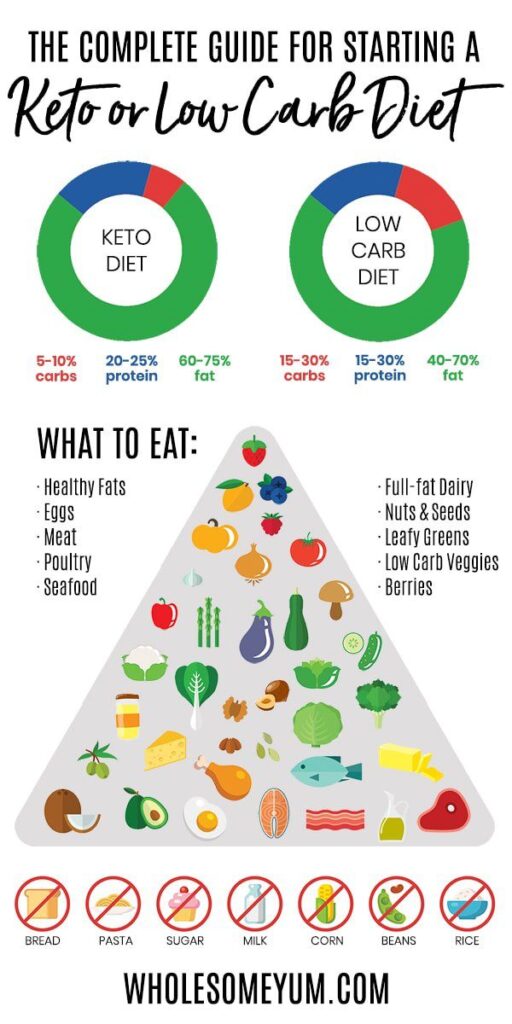
One of the most important aspects of the Keto Diet is calculating your macronutrient ratios. These ratios refer to the percentage of your daily calorie intake that should come from fats, proteins, and carbohydrates. A typical Keto Diet often consists of 70-75% fat, 20-25% protein, and 5-10% carbohydrates.
Choosing Foods
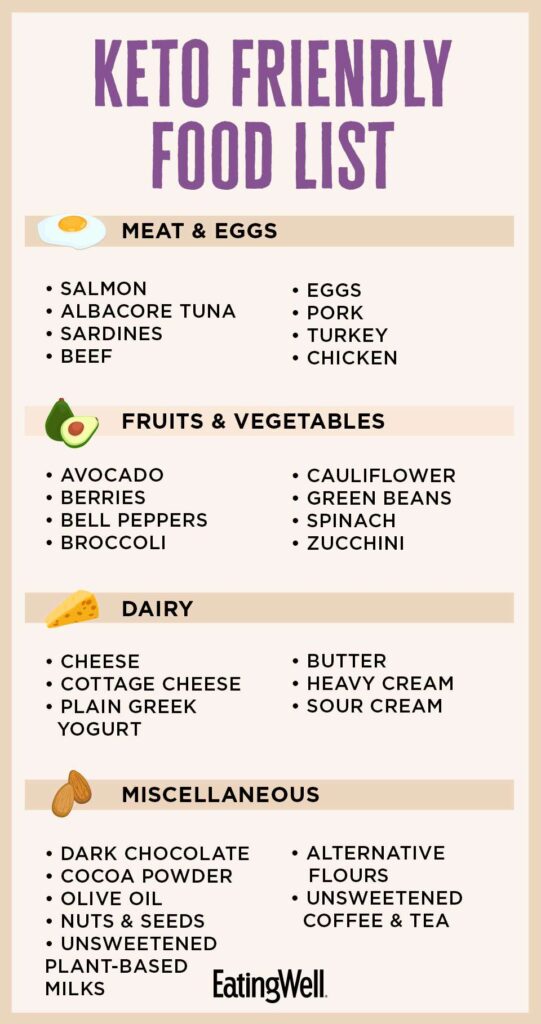
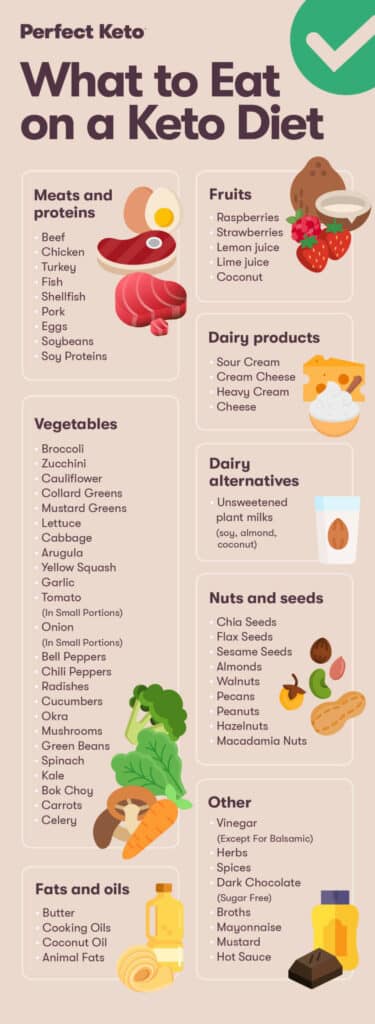
When it comes to choosing foods for the Keto Diet, it’s important to focus on low-carb, high-fat options. Some examples include meat, seafood, low carb vegetables, healthy fats, dairy products, and nuts and seeds. It’s best to avoid foods that are high in carbohydrates, such as grains, sugary foods and drinks, processed foods, and fruit.
Preparing Meals
Meal preparation plays a crucial role in successfully following the Keto Diet. Planning your meals in advance allows you to ensure that you are consuming the right balance of fats, proteins, and carbohydrates. This can involve cooking meals in bulk, portioning them out, and having them readily available throughout the week.
Foods to Eat on the Keto Diet
To support ketosis and maintain a healthy keto lifestyle, it’s important to incorporate the following foods into your diet:
Meats and Seafood
Meats and seafood are excellent sources of protein and healthy fats. Opt for unprocessed cuts of meat, such as beef, chicken, pork, and turkey. Fresh fish and shellfish are also great options.
Low Carb Vegetables
Low carb vegetables are rich in nutrients and provide fiber while keeping your carbohydrate intake in check. Some examples include leafy greens, broccoli, cauliflower, zucchini, and bell peppers.
Healthy Fats
Healthy fats are a staple of the Keto Diet. Avocados, coconut oil, olive oil, butter, and ghee are all great sources of healthy fats to include in your meals.
Dairy Products
Dairy products, such as cheese, full-fat yogurt, and heavy cream, can be enjoyed in moderation on the Keto Diet. However, it’s important to choose high-fat, low-carb options and be mindful of portion sizes.
Nuts and Seeds
Nuts and seeds are another great source of healthy fats and can make for a convenient and satisfying snack. Opt for options such as almonds, walnuts, chia seeds, and flaxseeds.

Foods to Avoid on the Keto Diet
To maintain ketosis and maximize the benefits of the Keto Diet, it’s important to avoid certain foods:
Sugary Foods and Drinks
Highly processed and sugary foods and drinks should be avoided on the Keto Diet. This includes candy, soda, fruit juices, pastries, and sugary cereals.
Grains and Starches
Grains and starches, such as bread, pasta, rice, and potatoes, are high in carbohydrates and can hinder ketosis. It’s best to restrict or eliminate these foods on the Keto Diet.
Processed Foods
Processed foods often contain hidden sugars and unhealthy fats, making them unsuitable for the Keto Diet. It’s important to read labels carefully and choose whole, unprocessed foods instead.
Fruit (in large quantities)
While fruit contains essential vitamins and minerals, it also contains natural sugars, which can impact ketosis. Small portions of low-sugar fruits, such as berries, can be incorporated into the Keto Diet, but large quantities should be limited.
Alcohol
Alcohol can hinder ketosis and may also interfere with weight loss efforts. Most types of alcohol are high in carbohydrates or sugars, so it’s best to avoid them while following the Keto Diet.
Potential Benefits of the Keto Diet
In addition to weight loss and increased energy levels, the Keto Diet has several other potential benefits:
Weight Loss
The Keto Diet has been shown to be effective for weight loss. By reducing carbohydrate intake and increasing fat consumption, your body can efficiently burn stored fat for fuel.
Stabilized Blood Sugar Levels
Following a low-carb, high-fat diet like Keto can help stabilize blood sugar levels. This is particularly beneficial for individuals with diabetes or those at risk of developing diabetes.
Improved Heart Health
The Keto Diet has been associated with improvements in several cardiovascular risk factors, including decreased levels of triglycerides, LDL cholesterol, and blood pressure. These improvements can lead to a healthier heart.
Enhanced Brain Function
Many individuals report improved mental clarity and focus when following the Keto Diet. This may be due to the ketones produced during ketosis, as they can provide an alternative source of fuel for the brain.
Reduced Inflammation
Cutting out inflammatory foods and following a low-carb, high-fat diet like Keto has been shown to have anti-inflammatory effects. Reduced inflammation can potentially lead to a decrease in symptoms of chronic conditions.
Challenges of the Keto Diet
While the Keto Diet can offer numerous benefits, it also comes with its own set of challenges:
Keto Flu
When starting the Keto Diet, some individuals may experience what is commonly referred to as the “keto flu.” This is a temporary set of symptoms that can include fatigue, headaches, irritability, and nausea as your body adjusts to using ketones for fuel instead of carbohydrates.
Increased Fat Intake
For those accustomed to a low-fat diet, the idea of consuming large amounts of fat can be initially daunting. However, it’s important to remember that on the Keto Diet, fat becomes the primary source of energy.
Restrictive Nature
The Keto Diet can be quite restrictive in terms of food choices. It requires careful meal planning and avoiding many commonly consumed foods. This can make social situations and dining out more challenging.
Possible Side Effects of the Keto Diet
While the Keto Diet is generally considered safe for most people, there are some potential side effects to be aware of:
Keto Flu
As mentioned earlier, the keto flu can occur when starting the Keto Diet. Fortunately, it is a temporary phase that typically subsides within a week or two as your body adapts to using ketones for fuel.
Digestive Issues
Some individuals may experience digestive issues, such as constipation or diarrhea, when first transitioning to the Keto Diet. This is often a result of changes in diet and can usually be managed with increased water intake and adding more fiber-rich vegetables.
Nutrient Deficiencies
The restrictive nature of the Keto Diet can lead to potential nutrient deficiencies if not carefully planned. It’s important to ensure you are still getting a variety of nutrients from vegetables, healthy fats, and quality protein sources.
Keto Diet for Specific Populations
While the Keto Diet can be followed by many individuals, there are certain populations that should approach it with caution or adjust it to meet their specific needs:
Athletes and Bodybuilders
Athletes and bodybuilders may require more carbohydrates to fuel their intense workouts and facilitate recovery. Modifications to the traditional Keto Diet, such as cyclical or targeted ketogenic diets, can be considered to meet their specific needs.
People with Diabetes
People with diabetes can potentially benefit from the Keto Diet, as it can help stabilize blood sugar levels. However, it is important to consult with a healthcare professional before making any dietary changes, as medication adjustments may be necessary.
Women
Women may experience hormonal fluctuations and unique dietary needs, so it’s important for them to listen to their bodies when following the Keto Diet. Some women may need to modify their approach during different phases of their menstrual cycle.
Pregnant or Breastfeeding Women
Pregnant or breastfeeding women should avoid strict versions of the Keto Diet, as it can potentially reduce nutrient intake. It’s important to prioritize a balanced diet during this time to support both the mother and baby’s nutritional needs.
Children
While the Keto Diet has been used therapeutically to manage certain medical conditions in children, it should only be implemented under the guidance of a healthcare professional. Children have different nutrient requirements and growth needs, so strict ketogenic diets may not be suitable.
Conclusion
The Keto Diet is a low-carb, high-fat diet that can be an effective tool for weight loss, improved mental focus, reduced inflammation, and increased energy levels. By following a carefully planned approach, incorporating the right foods, and considering individual needs, many individuals can successfully adhere to the Keto Diet and enjoy its potential benefits.