The ketogenic diet, commonly referred to as the keto diet, is a low-carbohydrate, high-fat eating plan designed to shift your body’s metabolism from burning glucose to burning fat. This metabolic state, known as ketosis, occurs when your carbohydrate intake is significantly reduced, prompting your body to utilize fat as its primary energy source. By drastically lowering your carb intake and replacing it with fat, you can encourage your body to enter this state of ketosis, which can lead to weight loss and other health benefits.
As you embark on this journey, it’s essential to grasp the fundamental principles of the keto diet. Typically, a standard keto diet consists of approximately 70-75% fats, 20-25% protein, and only about 5-10% carbohydrates. This macronutrient distribution is crucial for achieving and maintaining ketosis.
You may find that this approach not only helps in weight management but also enhances mental clarity and energy levels. However, understanding the science behind the diet is just the beginning; you’ll need to adapt your eating habits and lifestyle to fully embrace this new way of living.
Key Takeaways
- The keto diet is a high-fat, low-carb eating plan that can help with weight loss and improved health.
- Planning meals and snacks on the keto diet involves focusing on high-fat, moderate-protein, and low-carb options.
- Stocking your kitchen with keto-friendly foods means having plenty of healthy fats, low-carb vegetables, and high-quality proteins on hand.
- Preparing for keto flu and other side effects involves staying hydrated, getting enough electrolytes, and being patient as your body adjusts to the diet.
- Incorporating exercise into your keto lifestyle can help improve your overall health and enhance weight loss efforts.
Planning Your Meals and Snacks
Meal planning is a vital component of successfully following the keto diet. By taking the time to plan your meals and snacks in advance, you can ensure that you stay within your carbohydrate limits while still enjoying a variety of delicious foods. Start by creating a weekly meal plan that includes breakfast, lunch, dinner, and snacks.
This will help you avoid impulsive eating decisions that could derail your progress. Consider incorporating a mix of protein sources, healthy fats, and low-carb vegetables to keep your meals balanced and satisfying. When planning your snacks, think about options that are both convenient and keto-friendly.
Nuts, cheese, and avocados are excellent choices that can easily be packed for on-the-go snacking. You might also explore recipes for keto-friendly snacks like fat bombs or vegetable dips made with cream cheese or guacamole. By having these snacks readily available, you can curb cravings and maintain your energy levels throughout the day without compromising your dietary goals.
Stocking Your Kitchen with Keto-Friendly Foods
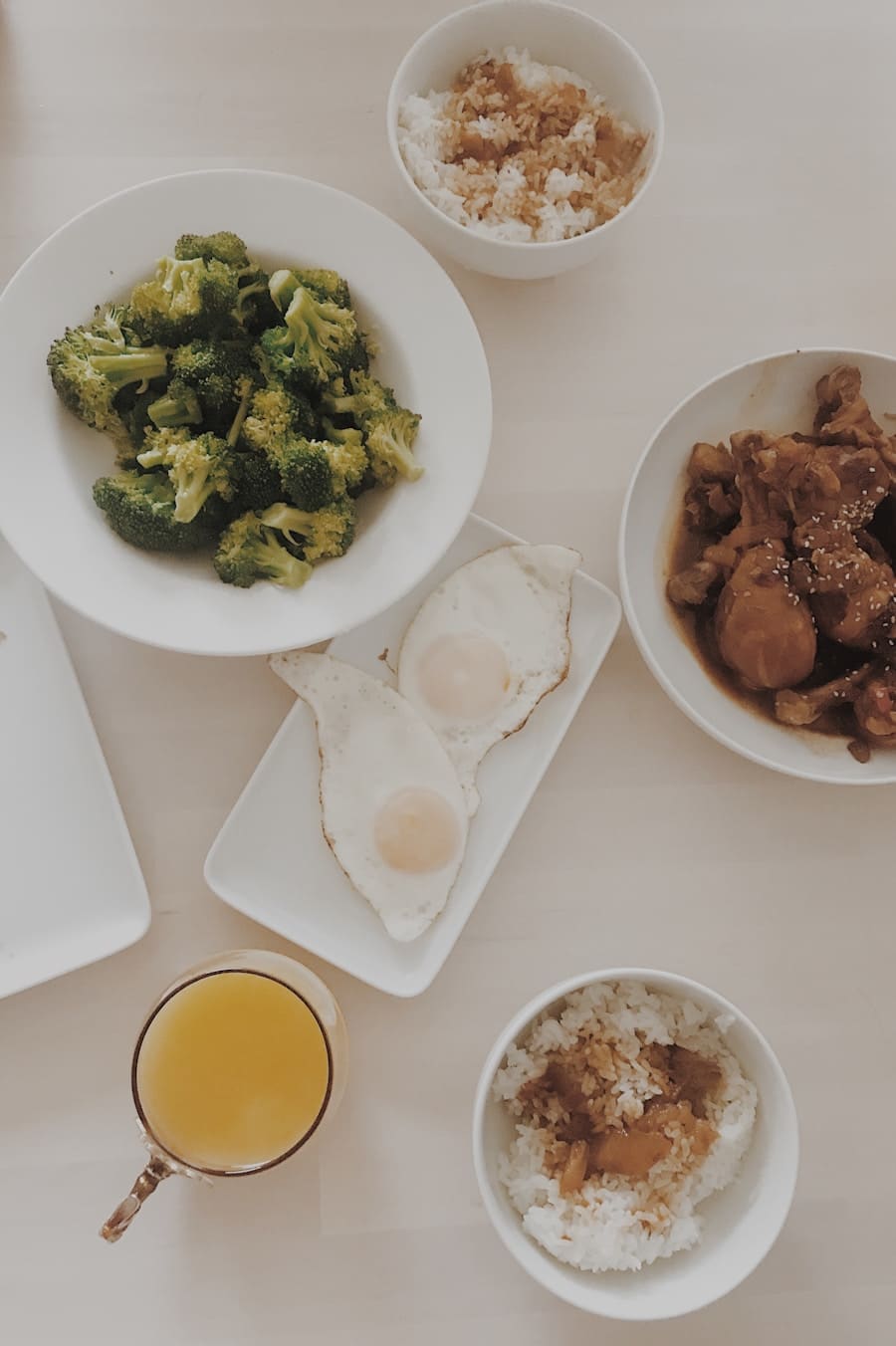
To set yourself up for success on the keto diet, it’s essential to stock your kitchen with foods that align with your new eating plan. Begin by clearing out any high-carb items that may tempt you, such as sugary snacks, bread, pasta, and grains. Once you’ve decluttered your pantry, focus on filling it with keto-friendly staples.
Healthy fats like olive oil, coconut oil, and butter should be at the forefront of your shopping list. These fats will serve as the foundation for many of your meals. In addition to healthy fats, prioritize protein sources such as grass-fed meats, poultry, fish, and eggs.
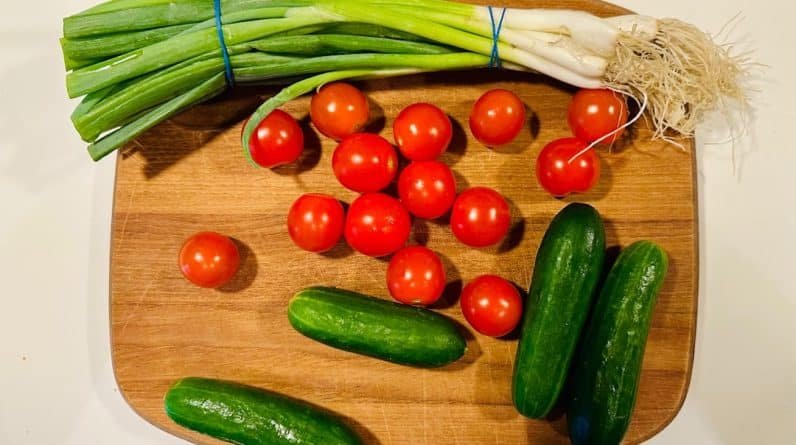
These foods not only provide essential nutrients but also help keep you feeling full and satisfied. Don’t forget to include a variety of low-carb vegetables like leafy greens, broccoli, cauliflower, and zucchini. These vegetables are not only nutritious but also add volume to your meals without significantly increasing your carb intake.
By curating a well-stocked kitchen filled with keto-friendly options, you’ll find it easier to stick to your dietary goals.
Preparing for Keto Flu and Other Side Effects
As you transition into the keto diet, it’s common to experience what is often referred to as the “keto flu.” This term describes a collection of symptoms that some individuals may encounter during the initial phase of adapting to ketosis. Symptoms can include fatigue, headaches, irritability, and digestive issues. Understanding that these side effects are temporary can help you stay motivated during this adjustment period.
It’s essential to stay hydrated and replenish electrolytes by consuming foods rich in potassium, magnesium, and sodium. To mitigate the effects of keto flu, consider gradually reducing your carbohydrate intake rather than making a sudden switch. This approach allows your body to adapt more smoothly to its new fuel source.
Additionally, ensuring that you consume enough healthy fats can help ease the transition by providing your body with the energy it needs. Remember that while these side effects can be uncomfortable, they are often short-lived and can be managed with proper preparation and self-care.
Incorporating Exercise into Your Keto Lifestyle
While the keto diet primarily focuses on nutrition, incorporating exercise into your routine can enhance your results and overall well-being. Regular physical activity not only supports weight loss but also improves cardiovascular health and boosts mood. As you begin your keto journey, consider integrating both aerobic exercises—such as walking, running, or cycling—and strength training into your weekly schedule.
This combination can help you build muscle while burning fat more efficiently. It’s important to listen to your body as you adjust to both the keto diet and a new exercise regimen. You may find that your energy levels fluctuate during the initial stages of ketosis; therefore, it’s wise to start with moderate workouts and gradually increase intensity as you become more accustomed to the diet.
Additionally, consider timing your workouts around your meals for optimal energy levels—some individuals find that exercising after consuming a meal provides them with the stamina they need for a productive workout.
Tracking Your Progress and Adjusting Your Plan
Experimenting with Different Foods
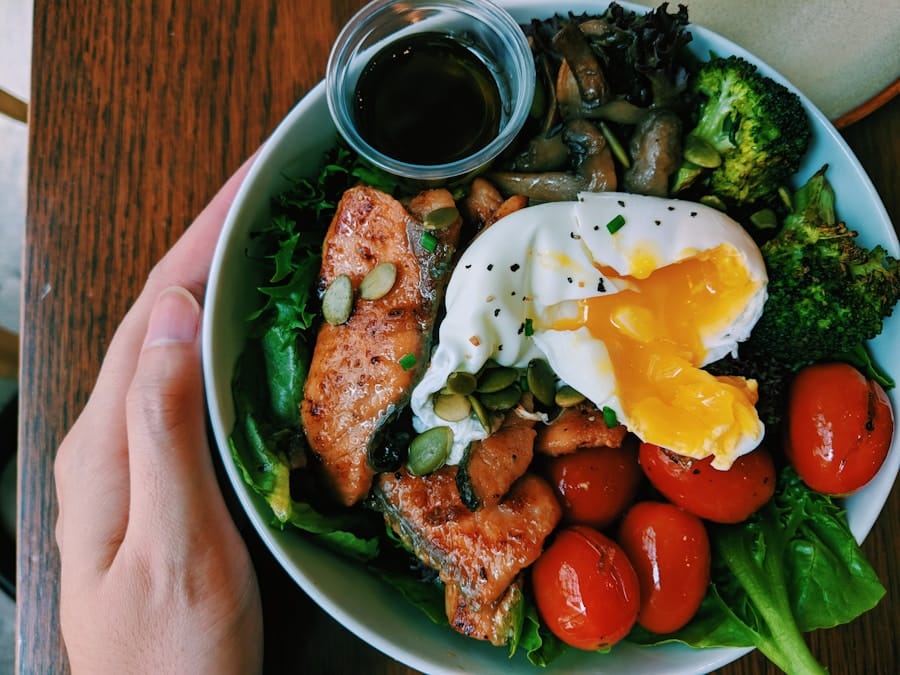
Pay attention to how certain foods affect your energy levels and overall well-being. If you find that certain meals leave you feeling sluggish or unsatisfied, don’t hesitate to experiment with different ingredients or recipes until you discover what suits you best.
Seeking Support and Accountability
Embarking on a new dietary journey can be challenging, but seeking support from others can make a significant difference in your success on the keto diet. Consider joining online communities or local support groups where individuals share their experiences and tips related to keto living. Engaging with others who are on a similar path can provide motivation and encouragement during difficult moments.
Additionally, having an accountability partner—whether it’s a friend or family member—can help keep you focused on your goals. Sharing your progress with someone else can create a sense of responsibility that encourages you to stay committed to your dietary choices. Remember that you don’t have to navigate this journey alone; surrounding yourself with supportive individuals can enhance your experience and increase your chances of long-term success.
Setting Realistic Goals and Expectations
As you embark on the keto diet, it’s essential to set realistic goals and expectations for yourself. While it’s natural to want quick results, sustainable weight loss typically occurs gradually over time. Instead of fixating solely on the number on the scale, consider setting non-scale victories as well—such as improved energy levels or enhanced mental clarity—as indicators of success.
By establishing achievable goals, you can maintain motivation without feeling overwhelmed by unrealistic expectations. Celebrate small milestones along the way; whether it’s fitting into a favorite pair of jeans or completing a challenging workout, acknowledging these accomplishments can boost your confidence and reinforce positive habits. Remember that this journey is about creating lasting changes in your lifestyle rather than seeking immediate gratification; patience and persistence will ultimately lead to success on the keto diet.
FAQs
What is the Keto Diet?
The Keto Diet is a high-fat, low-carbohydrate diet that has been shown to help with weight loss and improve certain health conditions. It involves drastically reducing carbohydrate intake and replacing it with fat, putting the body into a metabolic state called ketosis.
How can I prepare for the Keto Diet?
To prepare for the Keto Diet, it’s important to educate yourself about the principles of the diet, plan your meals in advance, and gradually reduce your carbohydrate intake while increasing your fat consumption. It’s also helpful to consult with a healthcare professional before starting the diet.
What foods should I eat on the Keto Diet?
Foods that are typically consumed on the Keto Diet include meat, fish, eggs, high-fat dairy products, nuts, seeds, low-carb vegetables, and healthy fats such as avocado and olive oil. It’s important to avoid high-carb foods like grains, sugar, and starchy vegetables.
How can I set myself up for success on the Keto Diet?
Setting yourself up for success on the Keto Diet involves meal planning, stocking your kitchen with keto-friendly foods, staying hydrated, and finding support from others who are following the diet. It’s also important to be patient and give your body time to adjust to the changes in your eating habits.