Embarking on a ketogenic lifestyle can be a transformative journey for many individuals seeking to improve their health and well-being. At its core, the ketogenic diet is a high-fat, low-carbohydrate eating plan designed to shift your body into a state of ketosis. In this metabolic state, your body becomes highly efficient at burning fat for energy instead of relying on carbohydrates.
This shift not only aids in weight loss but can also enhance mental clarity and provide sustained energy levels throughout the day. As you delve into this lifestyle, you may find that it requires a significant adjustment in your eating habits, as you learn to prioritize healthy fats while minimizing your intake of sugars and starches. Understanding the principles of the ketogenic diet is essential for success.
You will need to familiarize yourself with the macronutrient ratios that define this way of eating, typically comprising around 70-75% fats, 20-25% protein, and only about 5-10% carbohydrates. This means that your meals will often consist of avocados, nuts, seeds, fatty fish, and oils, while grains, sugars, and most fruits will be limited. As you adapt to this new way of eating, you may experience initial challenges, such as the “keto flu,” which can include symptoms like fatigue and irritability.
However, these symptoms are usually temporary and can be mitigated with proper hydration and electrolyte balance.
Key Takeaways
- Ketogenic lifestyle involves consuming high-fat, moderate-protein, and low-carbohydrate foods to induce ketosis for energy production.
- Alcohol consumption can disrupt ketosis by prioritizing alcohol metabolism over fat metabolism, leading to a temporary halt in ketone production.
- Different types of alcoholic beverages have varying impacts on ketosis, with spirits and dry wines being more keto-friendly than beer and sweet cocktails.
- Incorporating alcohol into a ketogenic diet can be done by choosing low-carb options, moderating intake, and being mindful of mixers and additives.
- Potential risks of alcohol consumption on ketosis include dehydration, impaired judgment, and increased risk of hypoglycemia, which can be minimized by staying hydrated and consuming alcohol in moderation.
Effects of Alcohol on Ketosis
As you navigate the ketogenic lifestyle, you may wonder how alcohol fits into the equation. Alcohol can have a significant impact on your state of ketosis, primarily because it is metabolized differently than other macronutrients. When you consume alcohol, your body prioritizes its metabolism over fats and carbohydrates.
This means that while your body is busy processing the alcohol, it may temporarily halt fat burning, which can disrupt your ketosis. Understanding this dynamic is crucial for making informed choices about alcohol consumption while adhering to a ketogenic diet. Moreover, the type of alcohol you choose can further influence your state of ketosis.
Some alcoholic beverages are higher in carbohydrates than others, which can lead to an increase in blood sugar levels and potentially knock you out of ketosis. Additionally, alcohol can lower your inhibitions and lead to poor food choices that may not align with your dietary goals. Therefore, being mindful of how alcohol affects your body and your ketogenic journey is essential for maintaining your desired state of ketosis.
Types of Alcoholic Beverages and Their Impact on Ketosis
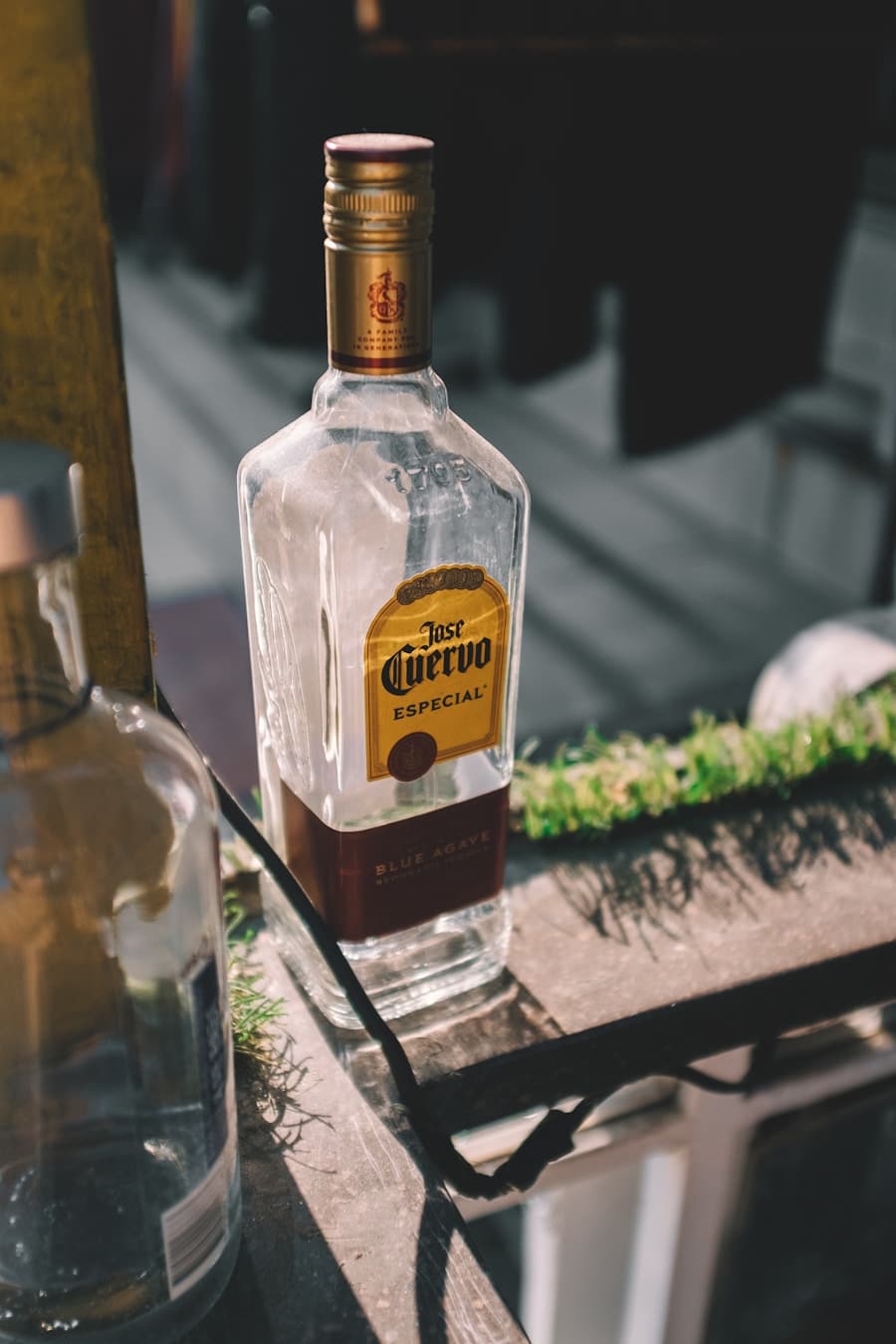
When it comes to selecting alcoholic beverages while on a ketogenic diet, not all options are created equal. You will find that some drinks are more compatible with your dietary goals than others. For instance, spirits such as vodka, gin, rum, and whiskey are generally low in carbohydrates and can be consumed in moderation without significantly impacting your ketosis.
These clear liquors are often considered the best choices for those following a ketogenic lifestyle. On the other hand, beer and sweet wines tend to be higher in carbohydrates and sugars, making them less suitable for maintaining ketosis.
Similarly, sweet wines and cocktails made with sugary mixers can also pose a challenge. If you enjoy wine, opting for dry varieties with lower sugar content can be a better choice. By being selective about the types of alcoholic beverages you consume, you can enjoy social occasions without derailing your ketogenic goals.
Tips for Incorporating Alcohol into a Ketogenic Diet
Incorporating alcohol into your ketogenic diet doesn’t have to be an all-or-nothing approach. With some thoughtful planning and moderation, you can enjoy an occasional drink while still adhering to your dietary goals. One effective strategy is to choose low-carb mixers when preparing cocktails.
For example, using soda water or diet tonic water instead of sugary sodas or juices can help keep the carbohydrate content low while still allowing you to enjoy a refreshing drink. Another tip is to practice portion control. Instead of indulging in multiple drinks during a social gathering, consider limiting yourself to one or two servings of low-carb alcohol.
This not only helps you stay within your carbohydrate limits but also allows you to savor each drink more fully. Additionally, staying hydrated by drinking water between alcoholic beverages can help mitigate some of the negative effects of alcohol consumption and keep you feeling your best.
Potential Risks and Side Effects of Alcohol Consumption on Ketosis
While enjoying alcohol in moderation can be compatible with a ketogenic lifestyle, it’s essential to be aware of the potential risks and side effects associated with its consumption. One significant concern is that alcohol can impair judgment and lead to poor food choices that may not align with your dietary goals. When you’re under the influence, you might find it easier to indulge in high-carb snacks or meals that could disrupt your ketosis.
Furthermore, alcohol can have a dehydrating effect on the body, which may exacerbate some common side effects of the ketogenic diet, such as fatigue or headaches. It’s crucial to prioritize hydration when consuming alcohol to minimize these effects. Additionally, excessive alcohol consumption can lead to weight gain over time due to its calorie content and potential for increased appetite.
Being mindful of these risks will help you make informed decisions about when and how much to drink while following a ketogenic diet.
Strategies for Minimizing the Impact of Alcohol on Ketosis
To minimize the impact of alcohol on your state of ketosis, consider implementing several strategies that allow you to enjoy social occasions without compromising your dietary goals. One effective approach is to plan ahead by researching low-carb options at bars or restaurants before attending an event. Knowing what drinks are available can help you make better choices when it comes time to order.
Another strategy is to consume food alongside your alcoholic beverages. Eating a meal rich in healthy fats and proteins before or during drinking can slow down the absorption of alcohol and help maintain stable blood sugar levels. This practice not only supports your ketosis but also helps prevent excessive intoxication.
Additionally, consider setting limits for yourself regarding how often you consume alcohol each week; this will help you maintain a balanced approach while still enjoying social interactions.
Balancing Alcohol Consumption with Ketogenic Diet Goals
Finding a balance between enjoying alcohol and adhering to your ketogenic diet goals is essential for long-term success. It’s important to recognize that moderation is key; indulging occasionally is perfectly acceptable as long as it doesn’t become a regular habit that derails your progress. By setting clear boundaries for yourself regarding when and how much you drink, you can enjoy social events without feeling guilty or compromising your health objectives.
Moreover, consider keeping track of your carbohydrate intake when consuming alcohol. Many people find it helpful to log their food and drink choices in a journal or app to ensure they stay within their daily limits. This practice not only helps you remain accountable but also allows you to make informed decisions about what to consume based on how it fits into your overall dietary plan.
Finding a Healthy Balance
In conclusion, navigating the world of alcohol while following a ketogenic lifestyle requires careful consideration and planning. By understanding how different types of alcoholic beverages impact ketosis and implementing strategies for moderation, you can enjoy social occasions without sacrificing your health goals. Remember that balance is key; it’s entirely possible to incorporate occasional drinks into your life while still prioritizing your well-being.
Ultimately, finding a healthy balance between enjoying alcohol and adhering to a ketogenic diet is about making informed choices that align with your personal goals. By staying mindful of what you consume and being aware of how it affects your body, you can create a sustainable approach that allows you to thrive on your ketogenic journey while still enjoying life’s pleasures in moderation.
FAQs
What is a ketogenic lifestyle?
A ketogenic lifestyle involves consuming a high-fat, moderate-protein, and low-carbohydrate diet to induce a state of ketosis in the body. This means the body burns fat for fuel instead of carbohydrates.
How does alcohol consumption fit into a ketogenic lifestyle?
Alcohol consumption can be challenging to fit into a ketogenic lifestyle because most alcoholic beverages contain carbohydrates. However, certain types of alcohol, such as dry wines and spirits like vodka and whiskey, can be consumed in moderation while following a ketogenic diet.
What are the effects of alcohol consumption on ketosis?
Alcohol consumption can temporarily pause the body’s ability to burn fat for fuel, as the body prioritizes metabolizing the alcohol. This can potentially slow down the process of ketosis. Additionally, some alcoholic beverages contain carbohydrates, which can also affect ketosis if consumed in large quantities.
Can alcohol consumption kick you out of ketosis?
Consuming alcohol in moderation, especially low-carb options like dry wines and spirits, may not necessarily kick you out of ketosis. However, excessive alcohol consumption or consuming high-carb alcoholic beverages can potentially disrupt ketosis.
Are there any risks or considerations for alcohol consumption on a ketogenic diet?
Alcohol can affect individuals differently, and some people may experience increased intoxication or hangover symptoms while following a ketogenic diet. It’s important to be mindful of alcohol’s potential impact on ketosis and to consume alcohol in moderation while following a ketogenic lifestyle. Additionally, alcohol can also add extra calories to the diet, which may need to be accounted for when following a ketogenic diet for weight loss.