
As you embark on your ketogenic journey, you may find yourself navigating a world where dietary choices and social interactions often collide. The ketogenic diet, characterized by its low carbohydrate and high-fat intake, has gained immense popularity for its potential benefits in weight loss, mental clarity, and overall health. However, one area that often raises questions is the relationship between the keto diet and alcohol consumption.
You might be curious about how your body processes alcohol while in a state of ketosis and whether your tolerance levels will change. Understanding the dynamics of alcohol tolerance on a ketogenic diet is essential for anyone looking to enjoy social gatherings without compromising their health goals. As you delve deeper into this topic, you will discover that the effects of alcohol can be quite different when you are in ketosis compared to when you are following a standard diet.
This article aims to explore the science behind alcohol metabolism on keto, how it impacts blood alcohol levels, and what you can do to enjoy a drink responsibly while maintaining your dietary goals.
Key Takeaways
- Keto can affect alcohol tolerance and metabolism
- Alcohol metabolism is impacted by the ketogenic diet
- Keto can lead to higher blood alcohol levels
- Keto may increase the effects of alcohol intoxication
- Tips for drinking alcohol on keto include staying hydrated and choosing low-carb options
The Science Behind Alcohol Metabolism on Keto
To grasp how alcohol metabolism works on a ketogenic diet, it’s important to first understand how your body processes alcohol in general. When you consume alcohol, your liver prioritizes its metabolism over other nutrients. This is because alcohol is considered a toxin by your body, and it must be broken down before anything else can be processed.
On a standard diet, your body typically has a steady supply of glucose from carbohydrates, which it uses for energy. However, when you are in ketosis, your body shifts to burning fat for fuel instead. In this state, your liver produces ketones from fatty acids, which serve as an alternative energy source.
When you consume alcohol while in ketosis, your liver still prioritizes metabolizing the alcohol first. This can lead to a unique situation where the presence of alcohol may interfere with the production of ketones. As a result, you may experience different effects from alcohol than you would on a higher-carb diet.
You might find that you feel the effects of alcohol more quickly or intensely when in ketosis, as your body is not as efficient at processing it alongside fat metabolism.
Keto’s Impact on Blood Alcohol Levels
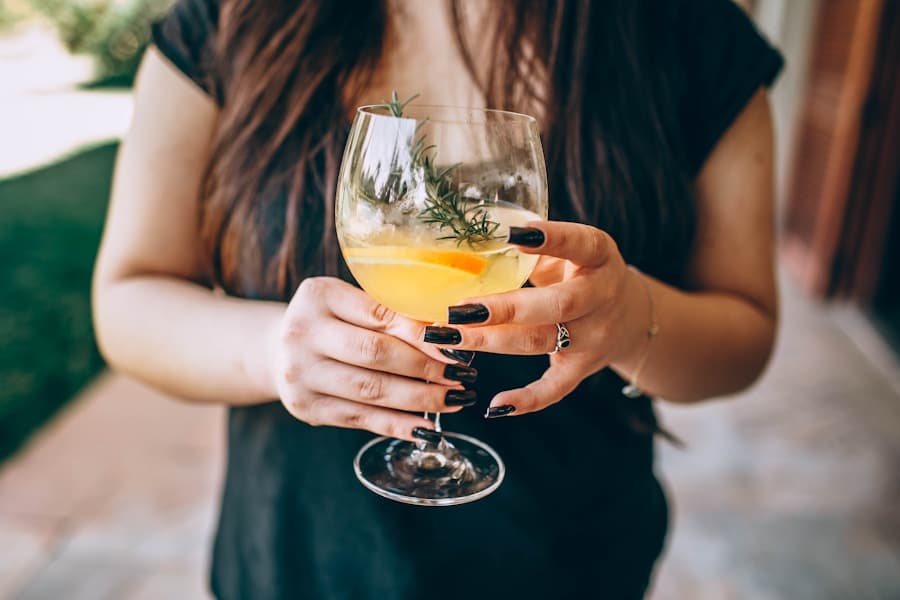
When you consume alcohol on a ketogenic diet, you may notice that your blood alcohol levels can rise more rapidly than expected. This phenomenon occurs because your body is not relying on carbohydrates for energy and is instead focused on metabolizing fat and alcohol simultaneously. The absence of carbohydrates means that there is less glucose available to help buffer the effects of alcohol in your system.
Consequently, you might find that even small amounts of alcohol can lead to higher blood alcohol concentrations. Additionally, the type of alcoholic beverages you choose can also influence how your body reacts while on keto. Many traditional alcoholic drinks are high in sugar and carbohydrates, which can further complicate your experience.
Opting for low-carb options like spirits mixed with soda water or dry wines can help mitigate some of these effects. By being mindful of what you drink, you can better manage your blood alcohol levels and maintain a more stable state of ketosis.
Effects of Keto on Alcohol Intoxication
As you continue to explore the relationship between keto and alcohol, it’s crucial to consider how being in ketosis affects your level of intoxication. Many individuals report feeling intoxicated more quickly when consuming alcohol on a ketogenic diet. This heightened sensitivity can be attributed to several factors, including changes in metabolism and the absence of carbohydrates that typically help buffer the effects of alcohol.
You may also experience different symptoms of intoxication while on keto. For instance, some people report feeling more euphoric or lightheaded after just one drink compared to their experiences on a standard diet. This can lead to an increased risk of overindulgence if you’re not careful.
It’s essential to listen to your body and recognize when you’ve reached your limit, as the signs of intoxication may manifest differently for you while in ketosis.
Tips for Drinking Alcohol on Keto
If you decide to enjoy a drink while adhering to a ketogenic lifestyle, there are several strategies you can employ to minimize any negative effects. First and foremost, consider choosing low-carb alcoholic beverages. Spirits like vodka, gin, rum, and whiskey are generally low in carbohydrates and can be enjoyed with zero-calorie mixers like soda water or diet tonic.
Dry wines are also good options, as they typically contain fewer sugars than sweeter varieties. Another important tip is to stay hydrated. Alcohol can be dehydrating, and when combined with the diuretic effects of ketosis, it’s crucial to drink plenty of water before, during, and after consuming alcohol.
This will help mitigate some of the negative side effects associated with drinking while on keto. Additionally, pacing yourself is key; try to limit your intake to one drink per hour to give your body time to metabolize the alcohol effectively.
Potential Risks and Side Effects of Mixing Keto and Alcohol

While enjoying an occasional drink on a ketogenic diet can be manageable, there are potential risks and side effects that you should be aware of. One significant concern is the possibility of impaired judgment and coordination due to increased sensitivity to alcohol. This heightened effect can lead to accidents or poor decision-making if you’re not cautious.
Moreover, mixing keto and alcohol may also lead to gastrointestinal discomfort for some individuals. The combination of alcohol and a high-fat diet can sometimes result in digestive issues such as bloating or nausea. It’s essential to pay attention to how your body responds and adjust your drinking habits accordingly.
If you notice any adverse reactions, it may be wise to reconsider your choices or limit your consumption altogether.
Personal Experiences and Anecdotal Evidence
Many individuals who have navigated the waters of drinking while on keto have shared their personal experiences online, providing valuable insights into what works for them. Some report that they have had to significantly reduce their alcohol intake compared to their pre-keto days due to increased sensitivity. Others have found that certain types of drinks work better for them than others; for example, some prefer clear spirits over darker liquors due to perceived differences in hangover severity.
Anecdotal evidence suggests that many people have successfully integrated occasional drinking into their ketogenic lifestyle by being mindful of their choices and listening to their bodies. You might find it helpful to connect with others who share similar experiences or seek advice from online communities dedicated to keto living. These shared stories can provide encouragement and practical tips for managing alcohol consumption while staying true to your dietary goals.
Conclusion and Recommendations for Managing Alcohol Tolerance on Keto
In conclusion, understanding how alcohol interacts with a ketogenic diet is crucial for anyone looking to maintain their health goals while enjoying social occasions. As you navigate this unique relationship, remember that moderation is key. By choosing low-carb beverages, staying hydrated, and being mindful of your body’s signals, you can enjoy an occasional drink without derailing your progress.
Ultimately, it’s essential to listen to your body and adjust your habits as needed. Everyone’s experience with keto and alcohol will differ based on individual tolerance levels and metabolic responses. By being informed and cautious, you can strike a balance that allows you to enjoy life while adhering to your ketogenic lifestyle.
FAQs
What is the keto diet?
The keto diet is a high-fat, low-carbohydrate diet that has been shown to help with weight loss and improve certain health conditions such as epilepsy and diabetes.
How does alcohol affect the body on a keto diet?
Alcohol can have a stronger and quicker effect on the body when consumed on a keto diet due to the body’s altered state of ketosis. Ketosis can lead to lower alcohol tolerance and increased intoxication.
Why does keto affect alcohol tolerance?
When the body is in ketosis, it prioritizes metabolizing ketones over other substances, including alcohol. This can lead to alcohol being metabolized more slowly, resulting in a lower alcohol tolerance.
What are the potential risks of drinking alcohol on a keto diet?
Drinking alcohol on a keto diet can increase the risk of dehydration, as the body may excrete more water while in ketosis. It can also lead to a higher risk of experiencing hangover symptoms due to the body’s altered state.
Are there any tips for drinking alcohol on a keto diet?
If choosing to drink alcohol on a keto diet, it is important to stay hydrated and consume alcohol in moderation. Choosing lower-carbohydrate alcoholic beverages and avoiding sugary mixers can also help minimize the impact on ketosis. It is recommended to consult with a healthcare professional before consuming alcohol on a keto diet.





