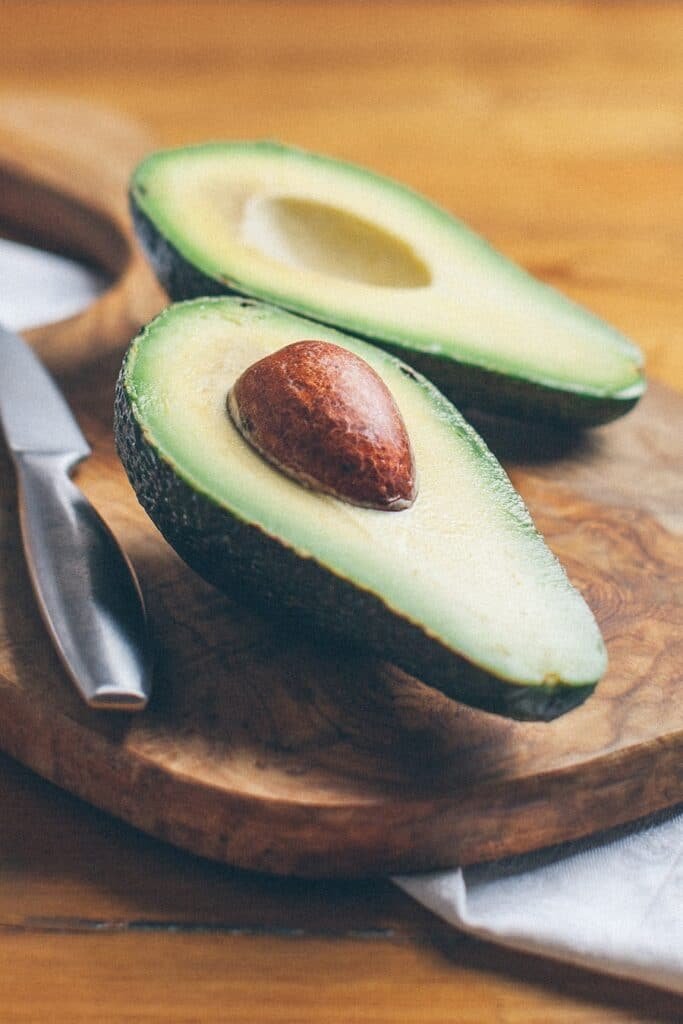
Ketosis is a metabolic state that your body enters when it has limited access to carbohydrates, prompting it to burn fat for fuel instead. When you significantly reduce your carbohydrate intake, your body depletes its glycogen stores and begins to convert fatty acids into ketones, which serve as an alternative energy source. This process can lead to weight loss, improved mental clarity, and increased energy levels.
You may find that during ketosis, your body becomes more efficient at burning fat, which can be particularly appealing if you are looking to shed some pounds or improve your overall health. To achieve ketosis, you typically need to follow a ketogenic diet, which is high in fats, moderate in proteins, and very low in carbohydrates. This dietary shift forces your body to adapt to using fat as its primary energy source.
As you embark on this journey, you might experience a range of symptoms known as the “keto flu,” which can include fatigue, headaches, and irritability. However, these symptoms are often temporary and can be alleviated by staying hydrated and ensuring you are consuming enough electrolytes. Once your body fully adapts to ketosis, you may notice a significant boost in your energy levels and mental clarity.
Key Takeaways
- Ketosis is a metabolic state where the body burns fat for fuel instead of carbohydrates, leading to weight loss and improved energy levels.
- Avocado is a nutrient-dense fruit high in healthy fats, fiber, and vitamins, making it an ideal food for a ketogenic diet.
- The high fat and low carbohydrate content of avocados make them a perfect fit for a ketogenic diet, helping to maintain ketosis and promote weight loss.
- Avocados offer numerous benefits for ketosis, including improved satiety, better blood sugar control, and enhanced nutrient absorption.
- While avocados are a great addition to a ketogenic diet, it’s important to moderate portion sizes to avoid consuming too many calories and potentially hindering weight loss.
Nutritional Profile of Avocado
Avocado is often hailed as a superfood due to its impressive nutritional profile. This creamy fruit is rich in healthy monounsaturated fats, particularly oleic acid, which is known for its heart-healthy properties. In addition to being a great source of fats, avocados are packed with essential vitamins and minerals, including potassium, vitamin K, vitamin E, and various B vitamins.
These nutrients play crucial roles in maintaining overall health and well-being, making avocados a valuable addition to your diet. Moreover, avocados are low in carbohydrates, which makes them an ideal food choice for those following a ketogenic diet. A typical avocado contains about 12-15 grams of carbohydrates, but most of these are fiber, which your body does not digest.
This means that the net carbs in an avocado are quite low, allowing you to enjoy this delicious fruit without jeopardizing your state of ketosis. The combination of healthy fats and fiber not only helps keep you satiated but also supports digestive health.
Avocado and Ketosis: The Connection
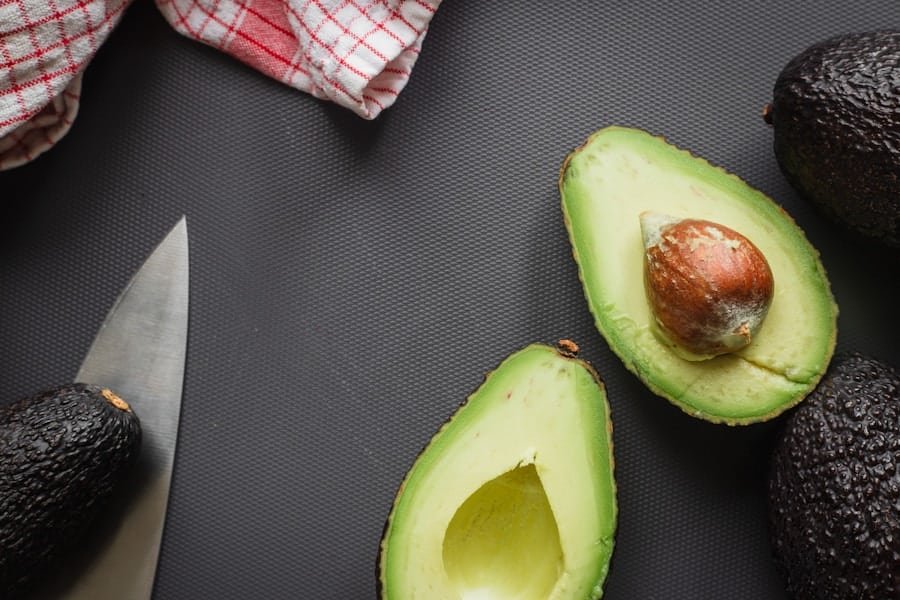
The connection between avocado and ketosis lies primarily in the fruit’s unique composition of macronutrients.
This makes them an excellent choice for maintaining ketosis without sacrificing flavor or nutrition.
The high-fat content in avocados can help you meet your daily fat intake goals while providing essential nutrients that support overall health. In addition to their macronutrient profile, avocados also contain various phytonutrients and antioxidants that can enhance your health during ketosis. These compounds may help reduce inflammation and oxidative stress in the body, which can be particularly beneficial when transitioning to a ketogenic diet.
By incorporating avocados into your meals, you not only enjoy their creamy texture and rich flavor but also support your body’s adaptation to burning fat for fuel.
Benefits of Avocado for Ketosis
One of the primary benefits of incorporating avocado into your ketogenic diet is its ability to promote satiety. The healthy fats and fiber found in avocados can help you feel full for longer periods, reducing the likelihood of snacking on high-carb foods that could disrupt your ketosis. This can be especially helpful when you’re trying to manage cravings or maintain portion control while enjoying delicious meals.
Additionally, avocados are known for their heart-healthy properties. The monounsaturated fats they contain can help lower bad cholesterol levels while raising good cholesterol levels.
By including avocados in your meals, you can enjoy the benefits of healthy fats while supporting cardiovascular health.
Potential Drawbacks of Avocado for Ketosis
While avocados offer numerous benefits for those following a ketogenic diet, it’s essential to consider potential drawbacks as well. One concern is that avocados are calorie-dense; if you’re not mindful of portion sizes, it’s easy to consume more calories than intended. This could hinder weight loss efforts if you’re not careful about balancing your overall caloric intake with your dietary goals.
Another potential drawback is that some individuals may experience digestive issues when consuming large amounts of avocados due to their high fiber content. If you’re not accustomed to a high-fiber diet, introducing avocados too quickly could lead to discomfort or bloating. It’s important to listen to your body and gradually incorporate avocados into your meals while ensuring you’re drinking plenty of water to aid digestion.
How to Incorporate Avocado into a Ketogenic Diet
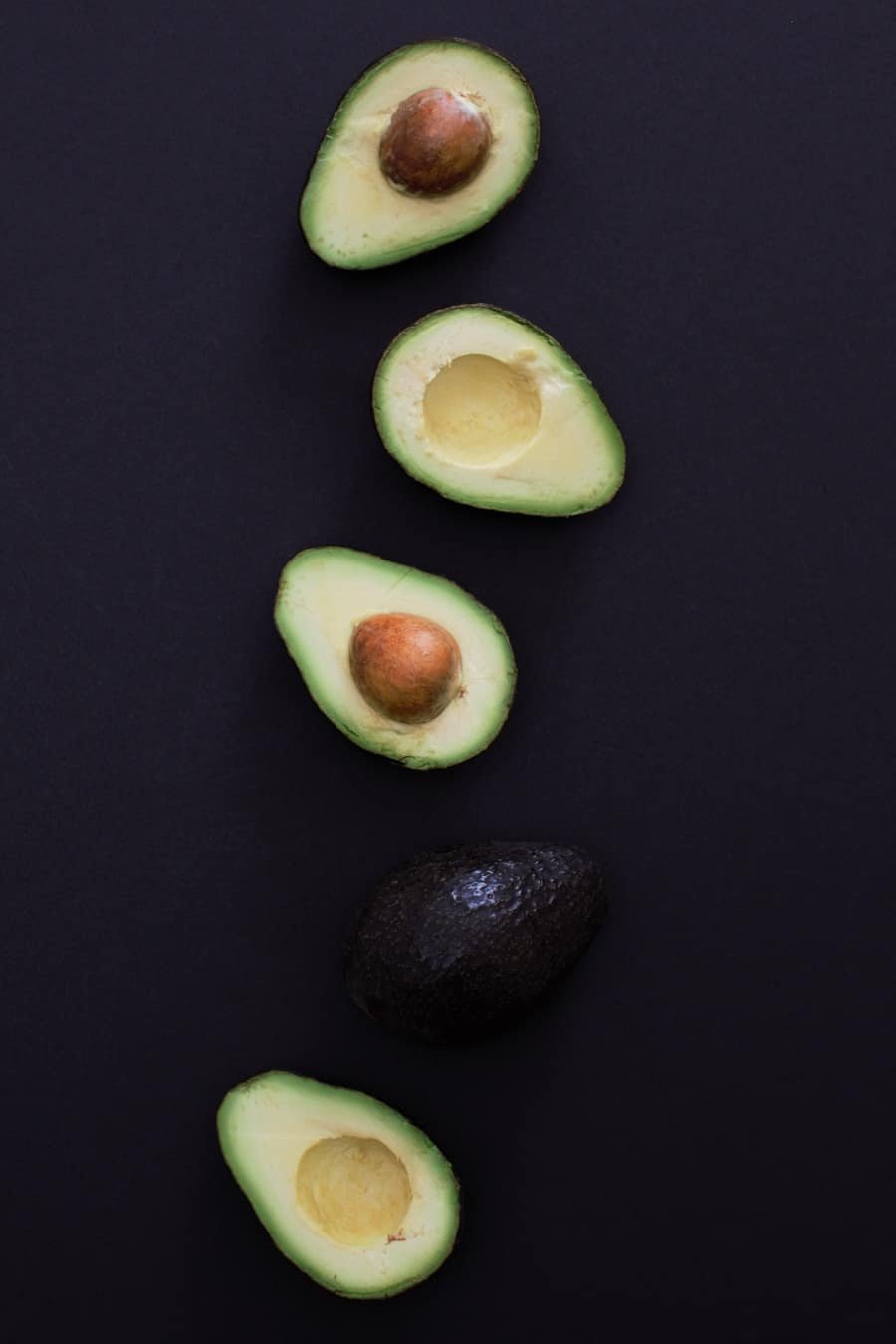
Incorporating avocado into your ketogenic diet can be both enjoyable and versatile. One simple way to enjoy avocados is by slicing them and adding them to salads or bowls filled with leafy greens and other low-carb vegetables. You can also mash them up to create guacamole, which pairs perfectly with raw veggies or low-carb tortilla chips for a satisfying snack.
Another delicious option is to blend avocado into smoothies for added creaminess and healthy fats without significantly increasing the carbohydrate content. You might also consider using avocado as a spread on low-carb bread or crackers instead of traditional spreads like butter or mayonnaise. The possibilities are endless when it comes to incorporating this nutrient-dense fruit into your meals.
Other Foods to Pair with Avocado for Ketosis
To maximize the benefits of avocado while maintaining ketosis, consider pairing it with other keto-friendly foods. For instance, combining avocado with eggs creates a nutrient-rich breakfast that is both filling and delicious. You could prepare avocado toast on low-carb bread topped with poached eggs or whip up an avocado omelet for a satisfying start to your day.
Additionally, avocados pair well with various proteins such as grilled chicken or fish. You might create a refreshing salad featuring mixed greens, diced avocado, grilled shrimp, and a zesty lemon vinaigrette for a light yet satisfying meal. Incorporating other healthy fats like olive oil or nuts can further enhance the nutritional value of your dishes while keeping you within your carbohydrate limits.
Is Avocado Good for Ketosis?
In conclusion, avocados are an excellent addition to a ketogenic diet due to their unique nutritional profile and numerous health benefits. Their high content of healthy fats and low net carbohydrates make them an ideal food choice for maintaining ketosis while providing essential nutrients that support overall well-being. While there are some potential drawbacks to consider, such as calorie density and digestive issues for some individuals, the advantages often outweigh these concerns.
By incorporating avocados into your meals creatively and mindfully, you can enjoy their rich flavor and creamy texture while reaping the benefits they offer during your ketogenic journey. Whether you’re adding them to salads, smoothies, or enjoying them on their own, avocados can play a significant role in helping you achieve your health goals while keeping your taste buds satisfied. So go ahead and embrace this versatile fruit as part of your ketogenic lifestyle; you may find that it becomes one of your favorite staples!
FAQs
What is ketosis?
Ketosis is a metabolic state in which the body burns fat for fuel instead of carbohydrates. This occurs when the body’s carbohydrate intake is very low, leading to the production of ketones as a byproduct of fat metabolism.
Is avocado good for ketosis?
Yes, avocados are a good choice for those following a ketogenic diet. They are high in healthy fats and low in carbohydrates, making them a suitable option for maintaining ketosis.
How does avocado support ketosis?
Avocados are rich in monounsaturated fats, which can help the body enter and maintain ketosis. Additionally, they are low in carbohydrates and high in fiber, making them a great choice for those following a ketogenic diet.
Can I eat unlimited amounts of avocado on a ketogenic diet?
While avocados are a healthy choice for a ketogenic diet, it’s important to consume them in moderation. They are calorie-dense, and overeating them could lead to consuming more calories than needed for ketosis.
Are there any downsides to consuming avocados on a ketogenic diet?
Some individuals may need to be mindful of their avocado intake, as they are high in calories and fat. Additionally, those with latex allergies may also be allergic to avocados. It’s important to consult with a healthcare professional before making significant changes to your diet.