
The ketogenic diet, commonly referred to as the keto diet, is a high-fat, low-carbohydrate eating plan that has gained immense popularity in recent years. At its core, the keto diet aims to shift your body’s primary energy source from carbohydrates to fats, a metabolic state known as ketosis. When you significantly reduce your carbohydrate intake, your body begins to burn fat for fuel, producing ketones in the process.
This shift can lead to various benefits, including weight loss, improved mental clarity, and increased energy levels. However, if you’re looking to build muscle while following this diet, it’s essential to understand how these changes affect your body. When you embark on a keto diet, your body undergoes significant metabolic adaptations.
While many people associate muscle building with high carbohydrate intake, the keto diet can still support muscle growth when approached correctly. The key lies in understanding how to balance your macronutrients—fats, proteins, and carbohydrates—to ensure that your body has the necessary resources for muscle repair and growth. By focusing on high-quality protein sources and maintaining an adequate caloric intake, you can effectively build muscle while enjoying the benefits of a ketogenic lifestyle.
Key Takeaways
- The Keto diet can be effective for muscle building by promoting fat loss and preserving lean muscle mass.
- Protein plays a crucial role in muscle growth on the Keto diet, and it’s important to consume an adequate amount to support muscle recovery and repair.
- Balancing carbohydrate intake is essential for muscle building on Keto, as too few carbs can hinder performance and muscle growth.
- Incorporating strength training into a Keto diet can help maximize muscle building potential and improve overall body composition.
- Potential challenges for building muscle on Keto include electrolyte imbalances and inadequate calorie intake, which can be addressed through proper supplementation and meal planning.
The Role of Protein in Muscle Growth on the Keto Diet
Protein is a crucial macronutrient for anyone looking to build muscle, and this holds true even on a keto diet. As you reduce your carbohydrate intake, it becomes increasingly important to ensure that you’re consuming enough protein to support muscle repair and growth. Protein provides the building blocks—amino acids—that your body needs to recover from workouts and build new muscle tissue.
On a keto diet, you should aim for a moderate protein intake that aligns with your fitness goals and activity level. To maximize muscle growth on a keto diet, consider incorporating high-quality protein sources into your meals. Foods such as lean meats, fish, eggs, and dairy products are excellent options that not only provide essential amino acids but also fit well within the high-fat framework of the diet.
Additionally, you might want to explore plant-based protein sources like nuts and seeds, which can also contribute healthy fats to your overall intake. By prioritizing protein in your meals, you can create an environment conducive to muscle growth while adhering to the principles of the keto diet.
Balancing Carbohydrate Intake for Muscle Building on Keto
While the keto diet is characterized by low carbohydrate intake, it’s important to recognize that not all carbs are created equal. For those focused on muscle building, strategically incorporating some carbohydrates around your workouts can be beneficial. This approach is often referred to as targeted ketogenic dieting (TKD), where you consume a small amount of carbs before or after exercise to provide your muscles with the necessary energy for optimal performance.
Finding the right balance of carbohydrates can be a bit of a trial-and-error process. You may want to experiment with different amounts and timing of carb intake to see how your body responds. For instance, consuming a small serving of fast-digesting carbs like fruit or a sports drink before a workout can help enhance your performance and recovery without significantly disrupting ketosis.
By carefully managing your carbohydrate intake, you can support muscle growth while still reaping the benefits of a ketogenic lifestyle.
Incorporating Strength Training into a Keto Diet
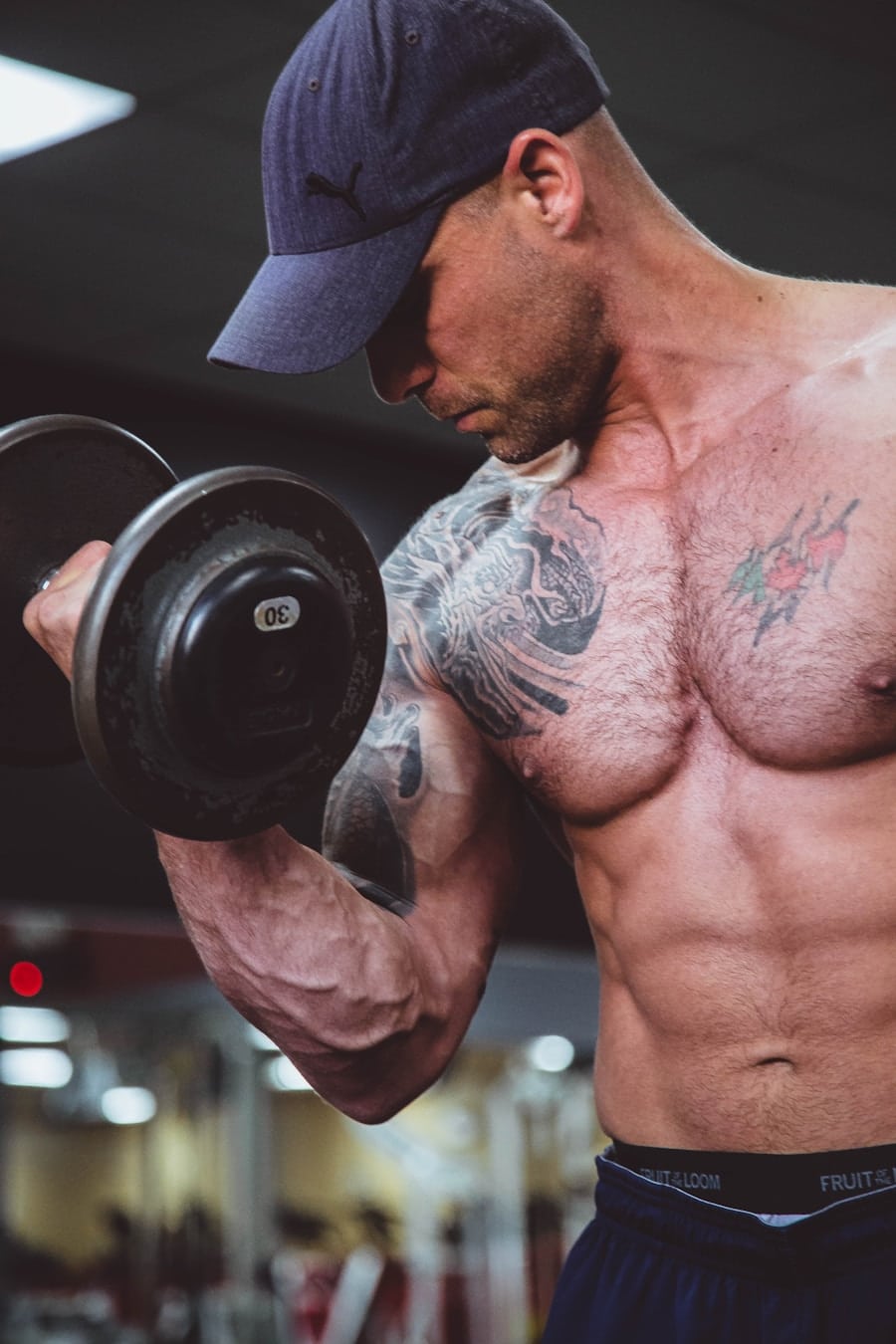
Strength training is an essential component of any muscle-building program, and it’s no different when following a keto diet. Engaging in regular resistance training not only stimulates muscle growth but also helps maintain lean muscle mass during periods of caloric deficit. When combined with a well-structured keto diet, strength training can lead to impressive results in terms of muscle development and overall body composition.
To effectively incorporate strength training into your keto lifestyle, focus on compound movements that engage multiple muscle groups. Exercises such as squats, deadlifts, bench presses, and rows are excellent choices that promote overall strength and hypertrophy. Additionally, consider varying your training routine by incorporating different rep ranges and intensities to keep your muscles challenged.
By committing to a consistent strength training regimen while following a keto diet, you can optimize your muscle-building potential and achieve your fitness goals.
Potential Challenges and Solutions for Building Muscle on Keto
While the keto diet offers numerous benefits for muscle building, it’s not without its challenges. One common issue many individuals face is the initial adjustment period when transitioning to ketosis. During this time, you may experience fatigue, decreased performance in the gym, or even muscle cramps due to electrolyte imbalances.
To mitigate these challenges, it’s crucial to stay hydrated and ensure you’re getting enough electrolytes—such as sodium, potassium, and magnesium—through food or supplements. Another potential hurdle is the misconception that you need high carbohydrate intake for optimal muscle growth. While carbs play a role in fueling workouts and recovery, it’s entirely possible to build muscle on a keto diet by focusing on adequate protein intake and strategic carb timing.
If you find yourself struggling with energy levels during workouts or feeling excessively fatigued, consider adjusting your macronutrient ratios or incorporating targeted carbs around training sessions. By being proactive about these challenges and finding solutions that work for you, you can successfully navigate the journey of building muscle on a keto diet.
The Importance of Adequate Fat Intake for Muscle Building on Keto

In a ketogenic diet, fat serves as the primary energy source, making it essential for overall health and performance. Adequate fat intake is particularly important for those looking to build muscle because it provides the necessary calories needed for recovery and growth. When you consume enough healthy fats—such as avocados, olive oil, nuts, and fatty fish—you create an environment where your body can thrive and support muscle development.
Moreover, dietary fats play a vital role in hormone production, including testosterone and growth hormone—both of which are crucial for muscle growth. By ensuring that you’re consuming sufficient healthy fats in your diet, you not only fuel your workouts but also support optimal hormonal balance that can enhance your muscle-building efforts. Striking the right balance between fats and proteins will help you maintain energy levels while promoting recovery after intense training sessions.
Monitoring Progress and Adjusting Macros for Muscle Growth on Keto
To effectively build muscle on a keto diet, it’s essential to monitor your progress regularly and make adjustments as needed. Tracking your macronutrient intake can help you identify whether you’re meeting your protein needs while maintaining an appropriate level of fat consumption. Consider using apps or food journals to log your meals and ensure that you’re staying within your desired macronutrient ratios.
As you progress in your fitness journey, be open to adjusting your macros based on how your body responds. If you find that you’re not gaining muscle or experiencing fatigue during workouts, it may be time to reassess your protein intake or overall caloric consumption. On the other hand, if you’re gaining weight too quickly or feeling sluggish, consider reducing fat intake slightly or adjusting carb timing around workouts.
By staying attuned to your body’s signals and making informed adjustments along the way, you can optimize your muscle-building efforts on a keto diet.
Real-life Success Stories of Muscle Building on the Keto Diet
Many individuals have successfully built muscle while following a ketogenic diet, proving that it is indeed possible to achieve impressive results without relying heavily on carbohydrates. For instance, countless athletes have shared their experiences of transitioning to keto and discovering newfound strength and endurance in their training sessions. These success stories often highlight how individuals have managed to lose excess body fat while simultaneously increasing their lean muscle mass.
One inspiring example is that of a fitness enthusiast who struggled with traditional bodybuilding diets filled with carbs but found success on keto by focusing on high-quality protein sources and incorporating strength training into their routine. They reported improved energy levels during workouts and faster recovery times after intense training sessions. Such stories serve as motivation for anyone considering the keto diet as a viable option for building muscle while enjoying its numerous health benefits.
In conclusion, building muscle on a ketogenic diet is not only achievable but can also lead to remarkable results when approached thoughtfully. By understanding the role of protein, balancing carbohydrate intake strategically, incorporating strength training effectively, and addressing potential challenges head-on, you can create an environment conducive to muscle growth while enjoying the benefits of ketosis. With dedication and careful monitoring of your progress, you can embark on a successful journey toward achieving your fitness goals on the keto diet.
FAQs
What is the keto diet?
The keto diet is a high-fat, low-carbohydrate diet that has been shown to help with weight loss and improve certain health conditions such as epilepsy and diabetes.
Can you build muscle on the keto diet?
Yes, it is possible to build muscle on the keto diet. While the keto diet may not be the traditional approach to muscle building, it can still be effective when combined with proper exercise and protein intake.
How does the keto diet affect muscle building?
The keto diet may affect muscle building by reducing the body’s glycogen stores, which can impact high-intensity exercise performance. However, the diet can still support muscle growth through adequate protein intake and resistance training.
What are some tips for building muscle on the keto diet?
Some tips for building muscle on the keto diet include consuming enough protein to support muscle growth, engaging in resistance training exercises, staying hydrated, and ensuring adequate intake of essential nutrients and electrolytes.
Are there any potential drawbacks to building muscle on the keto diet?
Some potential drawbacks of building muscle on the keto diet may include decreased exercise performance during high-intensity activities, initial adjustment period as the body adapts to using fat as its primary fuel source, and potential nutrient deficiencies if not carefully planned.





