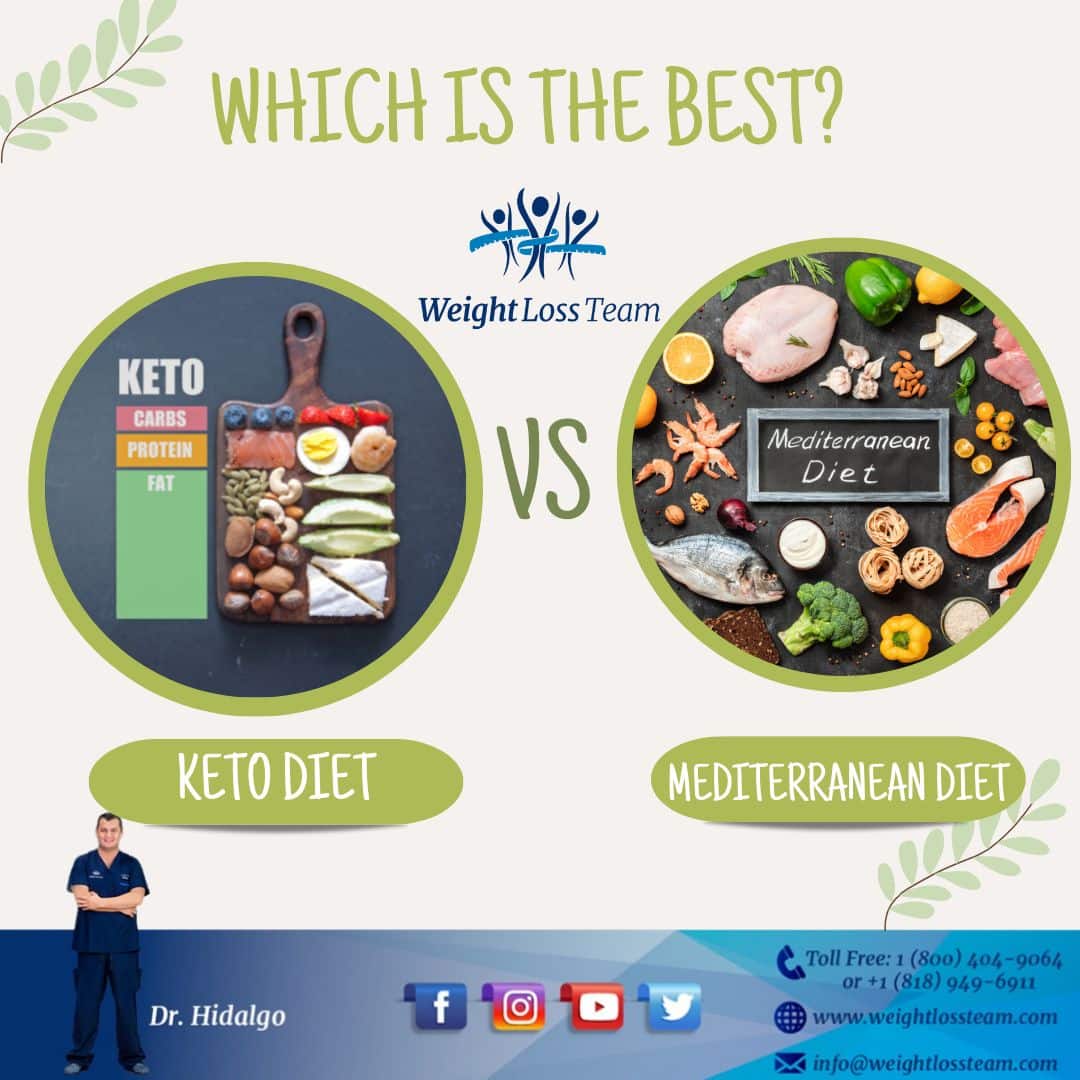
Have you ever wondered how combining the Mediterranean diet with the keto lifestyle could benefit you? This unique blend offers a delicious and nutritious way to improve your health. By drawing on the flavors and ingredients typical of Mediterranean cuisine while adhering to the principles of a ketogenic diet, you create a harmonious approach to eating that’s both satisfying and beneficial.
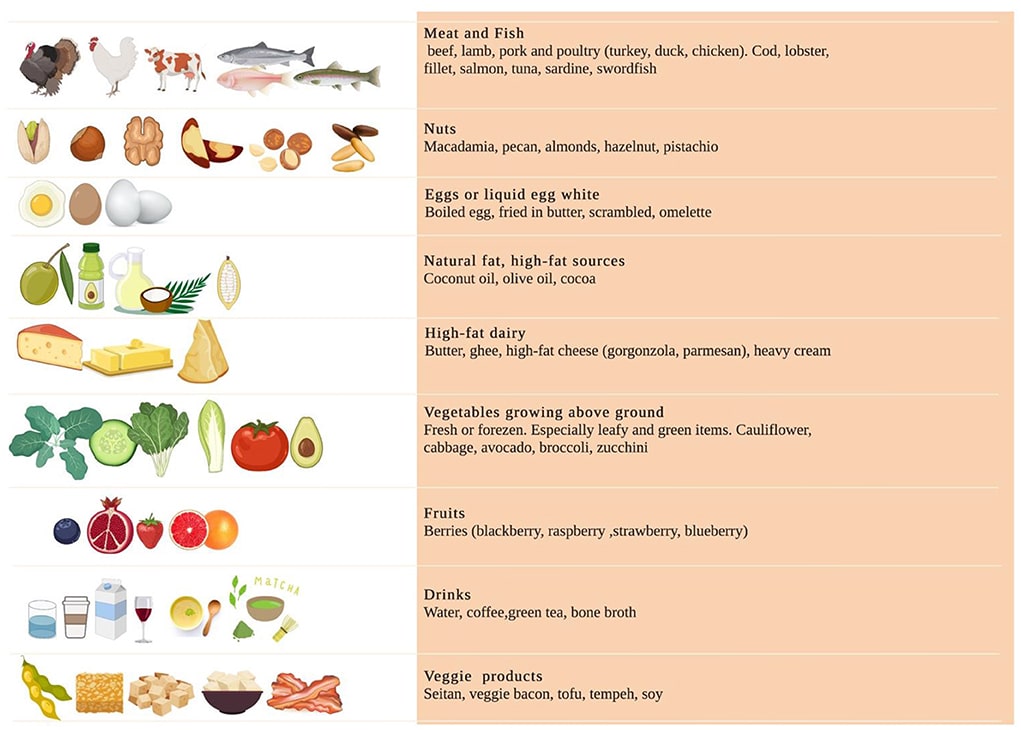
The Mediterranean Diet: An Overview
The Mediterranean diet is inspired by the traditional eating patterns of countries bordering the Mediterranean Sea. This diet emphasizes whole foods, healthy fats, and a variety of fresh ingredients. It’s not just about what you eat; it’s also about how you eat. Meals are often enjoyed leisurely with family and friends, highlighting shared experiences and community.
Key Components of the Mediterranean Diet
The Mediterranean diet focuses on the following:
- Fruits and Vegetables: A colorful plate filled with a wide range of fruits and vegetables.
- Whole Grains: Foods like brown rice, barley, and whole-grain bread provide essential fiber.
- Healthy Fats: Olive oil is the star, with nuts, seeds, and fatty fish like salmon also playing a key role.
- Lean Proteins: Poultry, eggs, and legumes are preferred over red meats.
- Dairy in Moderation: Greek yogurt and cheese are included, but in smaller amounts.
This diet is as much about the quality of food as it is about quantity, supporting overall wellness and promoting heart health.
The Keto Diet: An Overview
The ketogenic diet, or keto for short, is a low-carb, high-fat diet that encourages your body to enter a state of ketosis. In ketosis, your body burns fat for fuel instead of carbohydrates, which can lead to significant weight loss and improved health markers.
Key Components of the Keto Diet
The keto diet includes:
- High Fat: About 70-75% of your daily caloric intake should come from healthy fats like avocado, butter, and coconut oil.
- Moderate Protein: Roughly 20-25% of your diet should consist of protein sources such as meat, fish, eggs, and dairy.
- Low Carbohydrates: Limiting carbs to about 5-10%, focusing on non-starchy vegetables.
By drastically reducing carbs and increasing fats, you can effectively shift your body’s metabolism to burn fat.
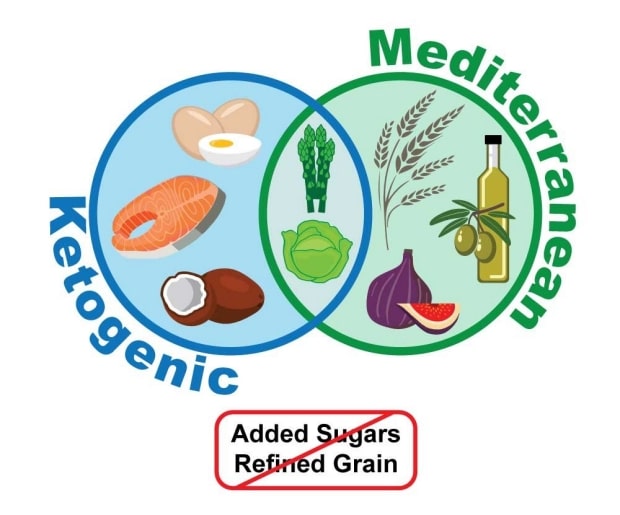
The Intersection: Mediterranean Keto Diet
Now you might be thinking, how does one blend these two diets? The Mediterranean Keto Diet combines the healthy, vibrant elements of Mediterranean cuisine with the low-carb principles of the keto diet. Let’s take a closer look at how this fusion works.
Embracing Healthy Fats
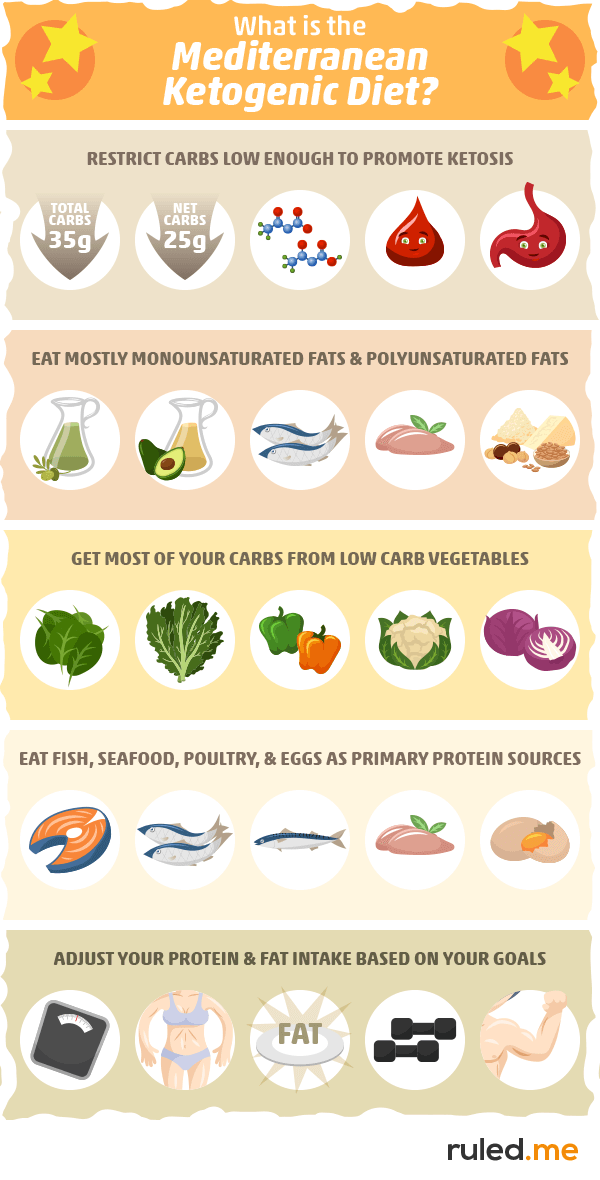
In the Mediterranean Keto Diet, you focus on healthy fats. These fats not only help you achieve ketosis but also come packed with nutrients. Olive oil is a staple, providing antioxidants and anti-inflammatory properties. Other healthy fat sources include fatty fish like mackerel and sardines, which are rich in omega-3 fatty acids.
Choosing Low-Carb Vegetables
When you’re on a ketogenic diet, you need to be mindful of your carbohydrate intake. Thankfully, the Mediterranean diet has plenty of options that are low in carbs. Think leafy greens, zucchini, eggplant, and bell peppers. These vegetables are rich in vitamins and minerals, providing your body with essential nutrients without spiking your blood sugar.
Quality Proteins
While traditional Mediterranean cuisine often includes lean proteins, integrating keto means focusing on higher-fat animal products. Incorporating more fatty cuts of meat, such as lamb or pork belly, and enjoying fish high in fat can keep your protein intake in line while also providing satisfying meals.
Incorporating Dairy Wisely
In the Mediterranean diet, dairy is consumed in moderation. When transitioning to a keto approach, you can include full-fat dairy options like Greek yogurt, cheese, and cream. Just be sure you’re monitoring portions to keep your carb count in check.
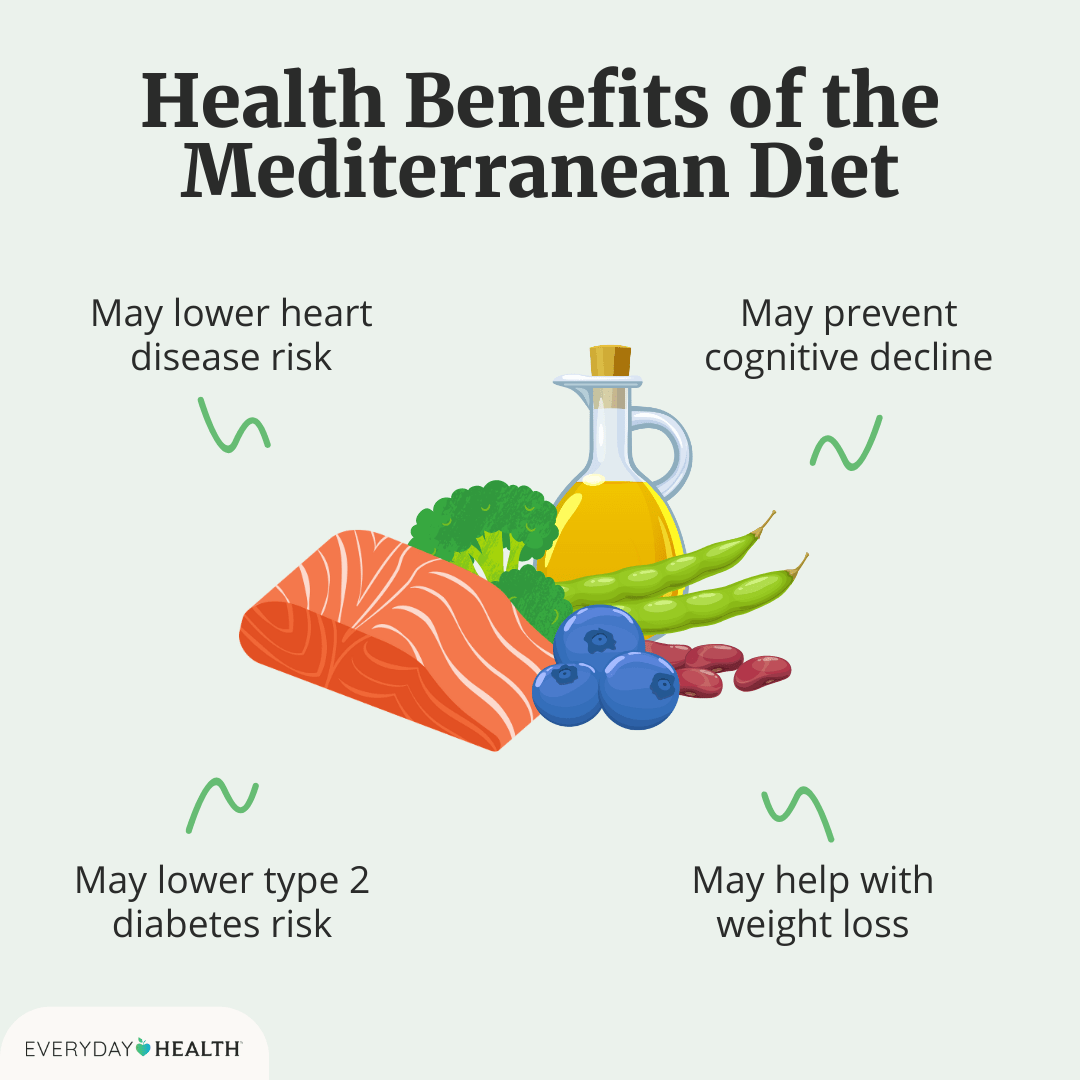
Health Benefits of the Mediterranean Keto Diet
Adopting the Mediterranean Keto Diet can offer a plethora of health benefits. Below are a few aspects to consider that make this diet a compelling choice.
Weight Loss and Maintenance
One of the most significant advantages of the Mediterranean Keto Diet is its potential for weight loss. The combination of healthy fats and low carbs can enhance fat burning and make you feel fuller longer, helping you regulate your appetite.
Improved Heart Health
By emphasizing healthy fats while reducing saturated fats, the Mediterranean Keto Diet promotes heart health. The focus on foods rich in omega-3s and antioxidants, coupled with lower sugar intake, can contribute to lowering bad cholesterol levels and improving overall cardiovascular health.
Better Blood Sugar Control
Switching to this style of eating can also help stabilize blood sugar levels. Because of the lower carbohydrate intake and reduced reliance on sugary foods, individuals often experience more stable energy levels throughout the day.
Enhanced Brain Function
Research suggests that the healthy fats found in the Mediterranean Keto Diet can support cognitive function. Omega-3 fatty acids are known to promote brain health, potentially reducing the risk of neurodegenerative diseases.
Anti-Inflammatory Properties
Many of the foods promoted in this diet, such as olive oil, nuts, and fish, possess anti-inflammatory properties. These can help combat inflammation in the body and reduce the risks of chronic health issues.
How to Get Started with the Mediterranean Keto Diet
Transitioning to the Mediterranean Keto Diet may seem daunting at first, but with some planning and preparation, you can ease into this lifestyle seamlessly.
Step 1: Create a Meal Plan
Begin by outlining your meals for the week. Focus on incorporating healthy fats, lean proteins, and low-carb vegetables. Planning your meals will help you stay consistent and make shopping easier.
Step 2: Stock Your Pantry
Ensure your pantry is filled with Mediterranean staples. Here’s a quick reference table to guide you:
| Category | Foods to Include |
|---|---|
| Healthy Fats | Olive oil, avocado, nuts, seeds |
| Proteins | Fatty fish, chicken, lamb, eggs, high-fat dairy |
| Low-Carb Vegetables | Spinach, zucchini, cauliflower, green beans |
| Herbs and Spices | Oregano, thyme, basil, garlic |
Step 3: Cook at Home
Cooking at home allows you to control the ingredients and ensure they align with your dietary goals. Try out Mediterranean recipes that feature keto-friendly ingredients.
Step 4: Stay Hydrated
Don’t forget to drink plenty of water! It’s crucial for overall health and can help you feel fuller, which is especially beneficial when transitioning to a new diet.
Step 5: Monitor Your Progress
As you adopt the Mediterranean Keto Diet, keep track of how you feel and any changes you notice. This could be in terms of weight, energy levels, or overall well-being.
Recipes to Try
Finding delicious recipes helps you stay excited about your food choices. Here are a few Mediterranean Keto recipes to get you started.
Greek Salad with Avocado
A colorful, refreshing salad that’s rich in healthy fats and low in carbs.
- Ingredients: Cucumbers, bell peppers, radishes, olive oil, feta cheese, avocado, lemon juice, oregano, salt, and pepper.
- Instructions: Chop all vegetables and toss them in a bowl. Drizzle with olive oil and lemon juice, then sprinkle with feta and oregano.
Mediterranean Zucchini Noodles with Pesto
A perfect alternative to pasta that’s low in carbs and full of flavor.
- Ingredients: Zucchini, basil pesto (homemade or store-bought), pine nuts, parmesan cheese.
- Instructions: Spiralize the zucchini into noodles, sauté briefly, and toss with pesto, toasted pine nuts, and parmesan cheese.
Baked Salmon with Herbs
A nutrient-packed dish that’s easy to prepare and very keto-friendly.
- Ingredients: Salmon fillets, olive oil, lemon, fresh herbs (like dill or parsley), salt, and pepper.
- Instructions: Preheat the oven, place salmon on a baking sheet, drizzle with olive oil, season, and bake until cooked through.
Overcoming Challenges
While making dietary changes can be beneficial, it can also present challenges. Here are some common hurdles you might encounter and how to overcome them.
Cravings for Carbs
It’s normal to experience cravings when reducing carbs. To tackle this, focus on filling meals rich in healthy fats and proteins that keep you satisfied.
Social Situations
Eating out or attending gatherings can be tricky. Check menus in advance, and don’t hesitate to ask for adjustments or bring along a keto-friendly dish to share.
Understanding Nutritional Needs
Finding the right balance of nutrients can take time. Consulting with a healthcare provider or a registered dietitian can help tailor your approach to meet your personal health goals.
Conclusion
Incorporating the Mediterranean Keto Diet into your lifestyle can offer various health benefits while allowing you to enjoy flavorful meals. By embracing healthy fats, low-carb vegetables, and high-quality proteins, you can create a sustainable eating plan that nourishes both your body and mind.
As you consider transitioning to this delicious way of eating, remember to listen to your body and make adjustments as needed. Sharing meals with loved ones or experimenting with new recipes can also enhance your experience. With a little planning and creativity, you’ll find that the Mediterranean Keto Diet can be a fulfilling way to support your health and well-being.