The ketogenic diet, often referred to simply as the keto diet, is a low-carbohydrate, high-fat eating plan that has gained immense popularity in recent years. At its core, the keto diet aims to shift your body’s metabolism from relying on carbohydrates for energy to utilizing fats instead. This metabolic state is known as ketosis, where your body becomes highly efficient at burning fat for fuel.
By drastically reducing your carbohydrate intake and replacing it with healthy fats, you encourage your body to enter this state, leading to various health benefits. As you embark on this dietary journey, it’s essential to understand the macronutrient breakdown that characterizes the keto diet. Typically, the diet consists of approximately 70-75% fats, 20-25% protein, and only about 5-10% carbohydrates.
This significant reduction in carbs forces your body to adapt to a new source of energy. You may find that this shift not only helps with weight loss but can also improve mental clarity and energy levels. However, it’s crucial to approach the keto diet with a well-informed mindset, as understanding its principles will help you navigate the challenges and reap the benefits effectively.
Key Takeaways
- The keto diet is a high-fat, low-carb diet that aims to put the body in a state of ketosis, where it burns fat for fuel instead of carbohydrates.
- Initial changes in the body when starting the keto diet may include rapid weight loss, increased energy, and improved mental clarity.
- Managing keto flu symptoms, such as fatigue and headaches, can be done by staying hydrated, consuming electrolytes, and gradually reducing carbohydrate intake.
- Meal planning and preparation are essential for success on the keto diet, including focusing on high-fat, low-carb foods and avoiding processed and sugary items.
- Tracking macros (fat, protein, and carbs) and electrolytes is crucial for maintaining ketosis and avoiding nutrient deficiencies while on the keto diet.
Initial Changes in the Body
When you first start the keto diet, your body undergoes several changes as it adjusts to this new way of eating. Initially, you may experience a rapid loss of water weight due to the depletion of glycogen stores in your muscles and liver. Glycogen binds to water, so as you reduce your carbohydrate intake, your body releases this stored water, leading to quick weight loss.
While this can be encouraging, it’s important to remember that this initial drop is primarily water weight and not necessarily fat loss. As you continue on the keto diet, your body will begin to adapt to burning fat for fuel. This transition can take anywhere from a few days to a couple of weeks, during which you may experience various physical changes.
You might notice fluctuations in your energy levels as your body learns to utilize fat instead of carbohydrates. Some people report feeling more energetic and focused once they are fully in ketosis, while others may experience fatigue or lethargy during the adjustment period. Understanding these initial changes can help you stay motivated and committed to your keto journey.
Managing Keto Flu
One of the most common challenges you may face when starting the keto diet is what is often referred to as “keto flu.” This term describes a collection of symptoms that can occur as your body transitions into ketosis. Symptoms may include fatigue, headaches, irritability, nausea, and difficulty sleeping. These effects are typically temporary and can last anywhere from a few days to a week.
However, knowing how to manage these symptoms can make your transition smoother and more comfortable. To alleviate the discomfort associated with keto flu, it’s essential to stay hydrated and ensure you’re getting enough electrolytes. As your body adjusts to a lower carbohydrate intake, it excretes more water and electrolytes like sodium, potassium, and magnesium.
Incorporating foods rich in these minerals or considering supplements can help mitigate symptoms. Additionally, gradually reducing your carbohydrate intake rather than making a sudden switch can ease the transition and minimize the severity of keto flu. Listening to your body and giving yourself time to adjust is key during this phase.
Meal Planning and Preparation
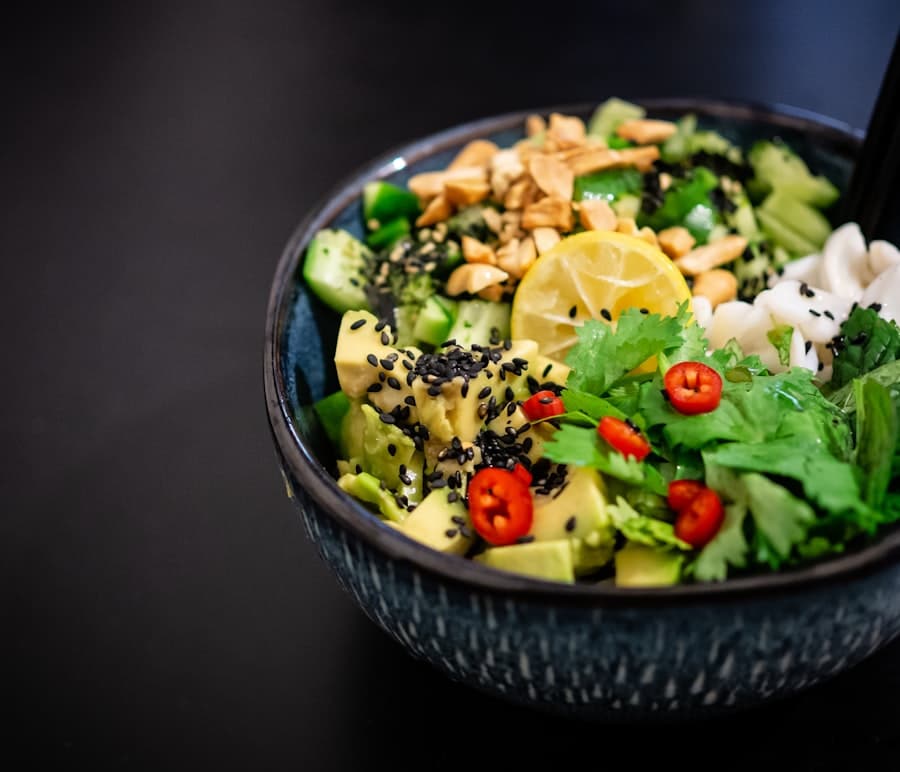
Effective meal planning and preparation are crucial components of successfully adhering to the keto diet. With its specific macronutrient requirements, having a well-thought-out plan can help you avoid pitfalls and ensure you’re consuming the right foods. Start by familiarizing yourself with keto-friendly ingredients such as avocados, nuts, seeds, fatty fish, and low-carb vegetables.
Creating a weekly meal plan that incorporates these foods will not only simplify your grocery shopping but also make it easier to stick to your dietary goals. When preparing meals, consider batch cooking or prepping ingredients in advance. This approach can save you time during busy weekdays and reduce the temptation to reach for non-keto options when hunger strikes.
You might also explore various recipes that align with the keto diet; there are countless resources available online that offer creative ideas for breakfast, lunch, dinner, and snacks. By making meal preparation a priority, you’ll set yourself up for success on your keto journey.
Tracking Macros and Electrolytes
To maximize the benefits of the keto diet, tracking your macronutrient intake is essential. Keeping an eye on your daily consumption of fats, proteins, and carbohydrates will help ensure that you remain within the desired ratios for ketosis. There are numerous apps and tools available that can assist you in logging your meals and calculating your macros accurately.
By tracking what you eat, you’ll gain a better understanding of how different foods affect your body and overall progress. In addition to monitoring macronutrients, paying attention to your electrolyte levels is equally important on the keto diet. As mentioned earlier, reducing carbohydrate intake can lead to increased excretion of electrolytes.
To maintain balance and prevent symptoms like muscle cramps or fatigue, consider incorporating foods rich in sodium (like broth), potassium (such as leafy greens), and magnesium (found in nuts and seeds). Regularly checking in on both your macros and electrolytes will help you stay on track and feel your best throughout your keto journey.
Physical and Mental Changes

As you continue with the keto diet, you may begin to notice various physical and mental changes that reflect your body’s adaptation to this new way of eating. Many individuals report experiencing increased energy levels and improved mental clarity once they are fully in ketosis. This boost in cognitive function can be attributed to ketones—byproducts of fat metabolism—that serve as an efficient fuel source for the brain.
You might find that tasks requiring focus become easier as your body becomes accustomed to burning fat for energy. On the physical side, weight loss is often one of the most noticeable changes when following a ketogenic diet. As your body shifts into ketosis and begins utilizing stored fat for fuel, you may see a gradual reduction in body weight and inches around your waistline.
However, it’s important to remember that everyone’s experience is unique; some may lose weight more quickly than others. Embracing these changes while remaining patient with yourself is vital for long-term success on the keto diet.
Support and Community
Embarking on a new dietary journey can sometimes feel isolating, but finding support and community can make all the difference in your success on the keto diet. Connecting with others who share similar goals can provide motivation, encouragement, and valuable insights into navigating challenges along the way. Consider joining online forums or social media groups dedicated to the keto lifestyle; these platforms often offer a wealth of information from experienced individuals who have faced similar hurdles.
In addition to online communities, seeking support from friends or family members can also enhance your experience on the keto diet. Sharing meals or cooking together can create a sense of camaraderie while reinforcing healthy habits. If possible, find a buddy who is also interested in trying out the keto lifestyle; having someone to share recipes with or discuss progress can keep you accountable and motivated throughout your journey.
Setting Realistic Expectations
As you embark on the keto diet, it’s crucial to set realistic expectations for yourself. While many people experience significant weight loss or health improvements on this eating plan, results can vary widely based on individual factors such as metabolism, activity level, and adherence to dietary guidelines. Understanding that progress may not always be linear will help you maintain a positive mindset throughout your journey.
Additionally, remember that adopting a new lifestyle takes time and patience. It’s essential to celebrate small victories along the way rather than focusing solely on long-term goals. Whether it’s successfully completing a week of meal prep or feeling more energetic during workouts, acknowledging these achievements can boost your motivation and reinforce positive habits.
By setting realistic expectations and being kind to yourself throughout this process, you’ll be better equipped to navigate the ups and downs of the keto diet while enjoying its many benefits.
FAQs
What is the keto diet?
The keto diet is a high-fat, low-carbohydrate diet that has been shown to help with weight loss and improve certain health conditions. It involves drastically reducing carbohydrate intake and replacing it with fat, forcing the body into a state of ketosis where it burns fat for fuel.
What can I eat on the keto diet?
On the keto diet, you can eat high-fat foods such as meat, fish, eggs, dairy, nuts, seeds, and healthy oils. You should also include low-carb vegetables like leafy greens, broccoli, and cauliflower. It’s important to avoid high-carb foods like bread, pasta, rice, and sugary snacks.
What are the potential benefits of the keto diet?
Some potential benefits of the keto diet include weight loss, improved blood sugar control, reduced inflammation, and increased mental clarity. It may also be beneficial for certain medical conditions such as epilepsy and type 2 diabetes.
What are the potential side effects of starting the keto diet?
When starting the keto diet, some people may experience symptoms known as the “keto flu,” which can include fatigue, headache, dizziness, and irritability. This is often temporary and can be minimized by staying hydrated and ensuring adequate intake of electrolytes.
How can I prepare for the first week on the keto diet?
To prepare for the first week on the keto diet, it’s important to plan your meals and stock up on keto-friendly foods. You may also want to gradually reduce your carbohydrate intake in the days leading up to starting the diet to help minimize potential side effects. Additionally, it can be helpful to educate yourself about the principles of the keto diet and seek support from others who have experience with it.