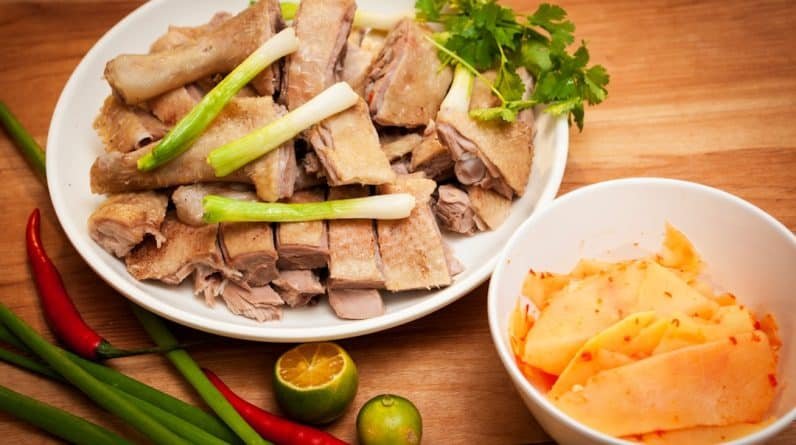
The ketogenic diet, commonly known as the keto diet, is a low-carbohydrate, high-fat eating plan that has gained immense popularity in recent years. At its core, the keto diet aims to shift your body’s metabolism from relying on carbohydrates for energy to utilizing fats instead. This metabolic state is known as ketosis, where your body becomes highly efficient at burning fat for fuel.
By drastically reducing your carbohydrate intake and replacing it with healthy fats, you can encourage your body to enter this state of ketosis, leading to significant weight loss and other health benefits. As you embark on the keto journey, it’s essential to understand the macronutrient breakdown that characterizes this diet. Typically, a standard keto diet consists of approximately 70-75% fats, 20-25% protein, and only about 5-10% carbohydrates.
This stark contrast to traditional dietary guidelines can be daunting at first, but it opens up a world of delicious food options that are both satisfying and nutritious. Foods such as avocados, nuts, seeds, fatty fish, and low-carb vegetables become staples in your kitchen, allowing you to enjoy meals while effectively managing your weight.
Key Takeaways
- The keto diet involves consuming high amounts of healthy fats, moderate protein, and very low carbohydrates to induce a state of ketosis.
- The keto diet can help post-pregnancy fat loss by promoting fat burning, reducing appetite, and stabilizing blood sugar levels.
- The keto diet affects fat loss by shifting the body’s primary fuel source from glucose to fat, leading to increased fat burning and weight loss.
- Safe implementation of the keto diet after pregnancy involves gradual transition, adequate hydration, and monitoring for any negative side effects.
- Managing nutrient intake on the keto diet involves focusing on high-quality fats, adequate protein, and low-carbohydrate vegetables to ensure proper nourishment.
- Incorporating exercise with the keto diet for post-pregnancy fat loss can enhance fat burning, improve muscle tone, and boost overall energy levels.
- Potential risks and side effects of the keto diet after pregnancy include nutrient deficiencies, keto flu, and potential impact on breastfeeding.
- Realistic expectations for fat loss on the keto diet after pregnancy involve gradual and sustainable weight loss, with a focus on overall health and well-being.
- Tips for success on the keto diet after pregnancy include meal planning, seeking support, and staying consistent with the diet and lifestyle changes.
- Seeking professional guidance for keto and fat loss after pregnancy can provide personalized support, ensure safety, and optimize results.
- Testimonials and success stories of post-pregnancy fat loss with the keto diet can provide inspiration and motivation for those considering this approach.
Benefits of the Keto Diet for Post-Pregnancy Fat Loss
After pregnancy, many women find themselves facing the challenge of shedding the extra weight gained during those nine months. The keto diet can be particularly beneficial in this regard, as it not only promotes fat loss but also helps stabilize blood sugar levels and reduce cravings. By following a low-carb approach, you can minimize insulin spikes that often lead to increased hunger and weight gain.
This can be especially helpful during the postpartum period when hormonal fluctuations can make it difficult to maintain a balanced diet. Moreover, the keto diet encourages the consumption of nutrient-dense foods that can support your recovery after childbirth. Healthy fats provide essential fatty acids that are crucial for hormone regulation and overall well-being.
Additionally, the protein intake associated with the keto diet can aid in muscle repair and recovery, which is vital for new mothers who may be feeling fatigued. As you navigate the challenges of motherhood, adopting a keto lifestyle can empower you to take control of your health and body.
How the Keto Diet Affects Fat Loss
The mechanism behind fat loss on the keto diet is rooted in its ability to alter your body’s energy source. When you significantly reduce carbohydrate intake, your body depletes its glycogen stores and begins to burn fat for energy instead. This process not only leads to weight loss but also helps in reducing body fat percentage.
As you enter ketosis, your liver produces ketones from fatty acids, which serve as an alternative energy source for your brain and body. Additionally, the keto diet has been shown to suppress appetite due to the satiating nature of fats and proteins. When you consume fewer carbs, you may experience reduced hunger pangs and cravings, making it easier to stick to your dietary goals.
This combination of increased fat oxidation and decreased appetite creates a powerful environment for fat loss, allowing you to shed those post-pregnancy pounds more effectively.
Safe Implementation of the Keto Diet After Pregnancy
While the keto diet offers numerous benefits for post-pregnancy fat loss, it’s crucial to implement it safely and mindfully. Your body has undergone significant changes during pregnancy and childbirth, so transitioning to a low-carb lifestyle should be approached with care. Start by gradually reducing your carbohydrate intake rather than making drastic changes overnight.
This will help your body adjust more comfortably to the new dietary regimen. It’s also important to listen to your body’s signals during this transition. If you experience fatigue or other adverse effects, consider adjusting your macronutrient ratios or consulting with a healthcare professional.
Staying hydrated is essential as well; drinking plenty of water can help alleviate some common side effects associated with the keto diet, such as headaches or fatigue. Remember that every individual’s journey is unique, so be patient with yourself as you navigate this new way of eating.
Managing Nutrient Intake on the Keto Diet
One of the challenges of following a keto diet is ensuring that you’re still getting all the essential nutrients your body needs, especially after pregnancy. While focusing on high-fat foods is key to achieving ketosis, it’s equally important to incorporate a variety of nutrient-dense options into your meals. Leafy greens, cruciferous vegetables, and low-carb fruits like berries should be included in your diet to provide vitamins and minerals that support overall health.
Consider tracking your food intake using apps or journals to ensure you’re meeting your nutritional needs while adhering to the keto guidelines. This practice can help you identify any potential deficiencies and make necessary adjustments. Additionally, incorporating supplements such as omega-3 fatty acids or multivitamins may be beneficial in filling any gaps in your nutrition during this transitional phase.
Incorporating Exercise with the Keto Diet for Post-Pregnancy Fat Loss
Exercise plays a vital role in any weight loss journey, including when following the keto diet after pregnancy. Engaging in regular physical activity not only helps accelerate fat loss but also improves overall mood and energy levels—both of which are essential for new mothers. As you begin to incorporate exercise into your routine, consider starting with low-impact activities such as walking or postpartum yoga before gradually increasing intensity.
Strength training can also be particularly effective when combined with the keto diet. Building muscle mass can enhance your metabolism and promote further fat loss while helping you regain strength after childbirth. Aim for a balanced approach that includes both cardiovascular exercises and strength training sessions throughout the week.
Remember to listen to your body and adjust your workout routine based on how you feel during this postpartum period.
Potential Risks and Side Effects of the Keto Diet After Pregnancy
While many people experience positive outcomes on the keto diet, it’s essential to be aware of potential risks and side effects—especially after pregnancy. Some individuals may encounter symptoms such as fatigue, dizziness, or digestive issues during the initial transition into ketosis, often referred to as the “keto flu.” These symptoms typically subside within a few days but can be uncomfortable nonetheless. Additionally, there may be concerns regarding nutrient deficiencies if not managed properly.
Since certain food groups are restricted on the keto diet, it’s crucial to ensure that you’re still obtaining adequate vitamins and minerals necessary for recovery and overall health. Consulting with a healthcare professional or registered dietitian can help mitigate these risks and ensure that you’re following a safe and balanced approach.
Realistic Expectations for Fat Loss on the Keto Diet After Pregnancy
Setting realistic expectations is vital when embarking on any weight loss journey, including post-pregnancy fat loss through the keto diet. While some individuals may experience rapid weight loss initially due to water weight loss from reduced carbohydrate intake, sustainable fat loss takes time and consistency. It’s important to remember that every body is different; factors such as genetics, metabolism, and lifestyle will influence how quickly you see results.
Aim for gradual weight loss rather than drastic changes; a safe rate is typically around 1-2 pounds per week. This approach not only promotes healthier habits but also increases the likelihood of maintaining your results long-term. Celebrate small victories along the way—whether it’s fitting into an old pair of jeans or feeling more energetic—as these milestones contribute to your overall success.
Tips for Success on the Keto Diet After Pregnancy
To maximize your success on the keto diet after pregnancy, consider implementing several practical tips into your daily routine. First and foremost, meal planning can be a game-changer; by preparing meals in advance, you’ll have healthy options readily available when hunger strikes. This can help prevent impulsive eating choices that may derail your progress.
Additionally, surrounding yourself with a supportive community can make a significant difference in staying motivated. Whether it’s joining online forums or connecting with friends who share similar goals, having a support system can provide encouragement and accountability throughout your journey. Lastly, don’t forget to practice self-compassion; weight loss is not always linear, and setbacks are a natural part of any transformation process.
Seeking Professional Guidance for Keto and Fat Loss After Pregnancy
As you navigate the complexities of post-pregnancy fat loss through the keto diet, seeking professional guidance can be invaluable. A registered dietitian or nutritionist specializing in postpartum health can provide personalized recommendations tailored to your unique needs and circumstances. They can help you create a balanced meal plan that aligns with your goals while ensuring you’re meeting all necessary nutrient requirements.
Additionally, consulting with a healthcare provider before making significant dietary changes is essential—especially if you have any underlying health conditions or concerns related to breastfeeding. They can offer insights into how the keto diet may impact your health during this critical time and help you make informed decisions about your dietary choices.
Testimonials and Success Stories of Post-Pregnancy Fat Loss with the Keto Diet
Hearing success stories from others who have embarked on a similar journey can be incredibly motivating as you pursue post-pregnancy fat loss through the keto diet. Many women have shared their experiences of shedding unwanted pounds while enjoying delicious meals that fit within their new lifestyle. These testimonials often highlight not only physical transformations but also improvements in energy levels and overall well-being.
For instance, one mother recounted how she struggled with postpartum weight gain until she discovered the keto diet; within months, she lost over 30 pounds while feeling more energized than ever before. Another woman shared her story of how adopting a low-carb lifestyle helped her regain confidence in her body after childbirth—showing that success on this journey is not just about numbers on a scale but also about feeling empowered in one’s own skin. In conclusion, embarking on a post-pregnancy fat loss journey through the keto diet can be both rewarding and challenging.
By understanding how this dietary approach works and implementing it safely while managing nutrient intake and incorporating exercise, you can achieve your goals effectively. Remember to set realistic expectations and seek professional guidance when needed; with determination and support, you can navigate this transformative phase successfully.
FAQs
What is the keto diet?
The keto diet is a high-fat, low-carbohydrate diet that has been shown to help with weight loss and improve overall health. It involves drastically reducing carbohydrate intake and replacing it with fat, which puts the body into a metabolic state called ketosis.
Is the keto diet safe for postpartum women?
It is important for postpartum women to consult with their healthcare provider before starting any new diet, including the keto diet. The body undergoes significant changes during and after pregnancy, and it is important to ensure that any dietary changes are safe and appropriate for the individual.
Can the keto diet help with fat loss after pregnancy?
Some women have reported success with using the keto diet to aid in fat loss after pregnancy. However, individual results may vary, and it is important to approach weight loss in a healthy and sustainable manner, especially after giving birth.
What are some potential benefits of the keto diet for postpartum women?
Some potential benefits of the keto diet for postpartum women may include improved energy levels, better blood sugar control, and potential weight loss. However, more research is needed to fully understand the effects of the keto diet specifically on postpartum women.
Are there any potential risks or drawbacks to the keto diet for postpartum women?
Some potential risks or drawbacks of the keto diet for postpartum women may include nutrient deficiencies, potential impact on breastfeeding, and the potential for the diet to be too restrictive for some individuals. It is important to carefully consider these factors and consult with a healthcare provider before starting the keto diet after pregnancy.