
Keto Diet Alcohol
If you’re following a keto diet and wondering if you can still enjoy a drink or two, you’re in luck! This article is all about the keto diet and alcohol. We’ll discuss which drinks are low-carb and keto-friendly, so you can make informed choices while still indulging in your favorite alcoholic beverages.
Whether you prefer beer, wine, or spirits, we’ve got you covered with tips and recommendations to keep you on track with your keto lifestyle. Raise a glass and let’s explore the world of keto-friendly alcohol together!

Overview
What is the keto diet?
The keto diet, short for the ketogenic diet, is a low-carb, high-fat diet that has gained popularity in recent years. The primary goal of the keto diet is to induce a metabolic state called ketosis, in which the body burns fat for fuel instead of carbohydrates. By drastically reducing your carbohydrate intake and increasing your fat consumption, the keto diet encourages your body to switch from using glucose as its primary energy source to using stored fat instead. This can lead to weight loss and other health benefits.
What is alcohol?
Alcohol is a beverage that is commonly consumed for relaxation and socializing purposes. It is produced through the fermentation of sugars by yeast. There are various types of alcoholic beverages, including beer, wine, and spirits, each with its own alcohol content. While alcohol is technically considered a macronutrient, it is not an essential nutrient and provides no significant nutritional value.
Understanding the interaction between the keto diet and alcohol
When it comes to the keto diet and alcohol, there are several important factors to consider. First, alcohol is metabolized differently in the body compared to other macronutrients, such as carbohydrates and fats. Second, alcohol contains calories that can potentially hinder weight loss progress on the keto diet. Third, certain alcoholic beverages may contain significant amounts of carbohydrates, which can disrupt ketosis. It is essential to understand how alcohol affects the body on a keto diet and make informed choices to ensure optimal results.
Alcohol and the Keto Diet
Effects of alcohol on ketosis
Alcohol can have both direct and indirect effects on ketosis. When you consume alcohol, your body prioritizes metabolizing it over any other macronutrient, including fat. This means that while alcohol is being metabolized, your body temporarily stops burning fat for fuel. Additionally, some alcoholic beverages may contain carbohydrates, which can cause a spike in blood sugar levels and kick you out of ketosis. It’s important to note that everyone’s tolerance to alcohol and ability to maintain ketosis may vary.
Caloric content of different alcoholic beverages
Alcoholic beverages contain calories, and these calories can add up quickly. The caloric content of alcohol varies depending on the type of beverage and its alcohol percentage. For example, a standard beer typically contains around 150-200 calories, a glass of wine contains around 120-150 calories, and a shot of spirits contains around 90-100 calories. It’s essential to factor in these calories when considering alcohol consumption on the keto diet, as they can contribute to weight gain if not accounted for.
Alcohol’s impact on weight loss
While alcohol itself does not directly lead to weight gain, it can indirectly impact weight loss progress on the keto diet. As mentioned earlier, alcohol contains calories that can contribute to your overall caloric intake. If you regularly consume alcohol in excess and do not adjust your diet and activity levels accordingly, you may struggle to lose weight or even experience weight gain. Additionally, excessive alcohol consumption can impair judgment and lead to making poor food choices, further hindering your weight loss goals.
Choosing Keto-Friendly Drinks
Low-carb alcoholic options
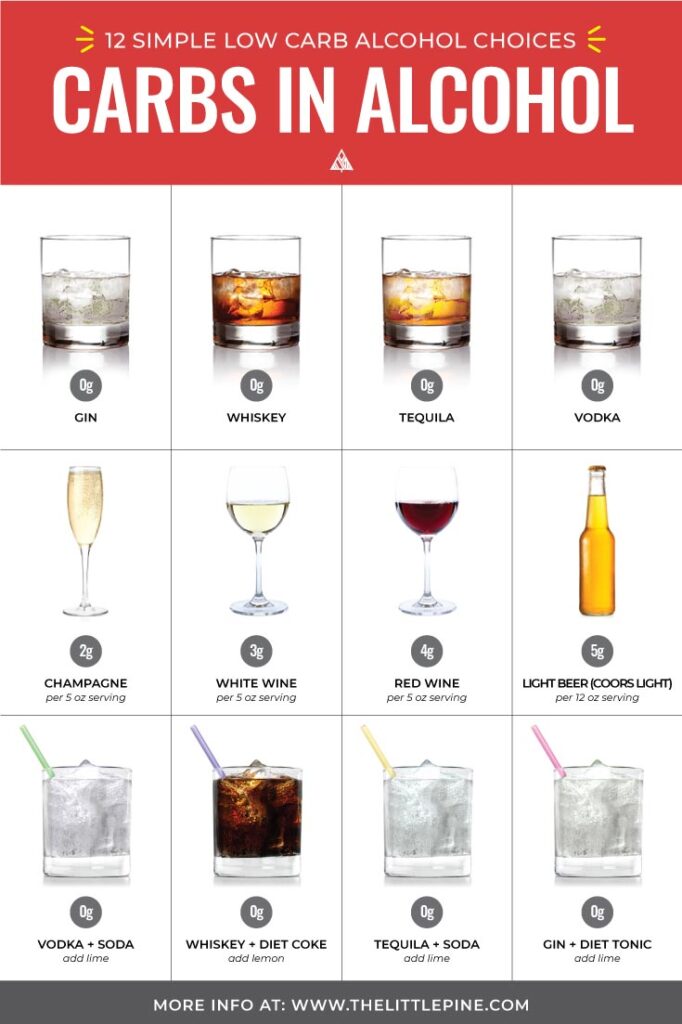
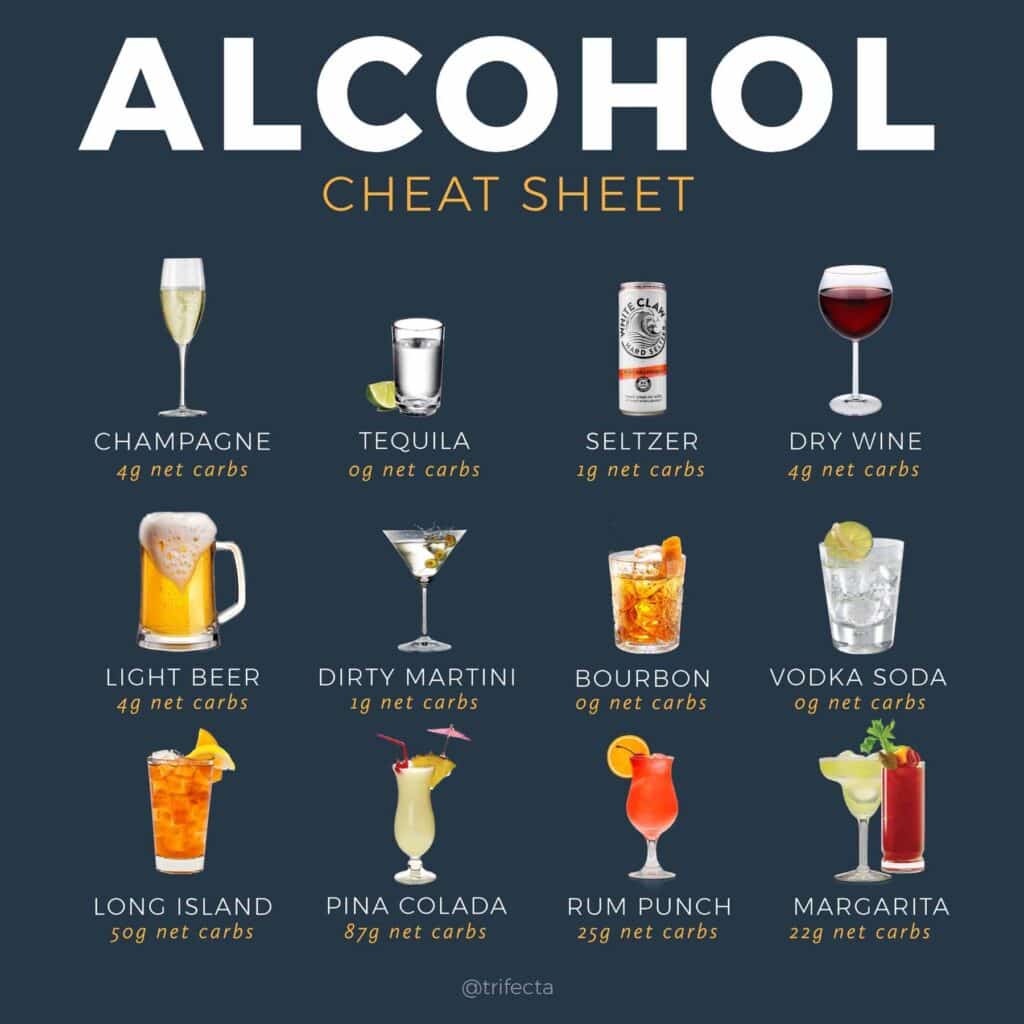
When following a keto diet, it’s important to choose alcoholic beverages that are low in carbohydrates. Spirits such as vodka, whiskey, and tequila are generally low in carbs and can be enjoyed in moderation. However, it’s crucial to avoid flavored spirits or those mixed with sugary additives, as they can significantly increase the carbohydrate content. Light beers and dry wines, such as red or white wine, can also be consumed in moderation on the keto diet, as they tend to have fewer carbs compared to their counterparts.
Keto-friendly mixers
Many traditional mixers, such as soda, fruit juice, or tonic water, are high in sugar and carbohydrates, making them unsuitable for the keto diet. Instead, opt for low-carb mixers, such as sparkling water, diet soda, or sugar-free tonic water. Adding a squeeze of citrus or some fresh herbs can enhance the flavor without adding unnecessary carbs. Alternatively, enjoy your spirits neat or on the rocks for a carb-free option.
Managing alcohol intake on the keto diet
It’s crucial to practice moderation when consuming alcohol on the keto diet. Excessive alcohol intake can not only hinder weight loss progress but also have adverse health effects. Set limits for yourself, both in terms of the number of drinks and the frequency of consumption. Remember to account for the calories and potential carbohydrate content in the alcoholic beverages you choose. Being mindful of your alcohol intake and making informed choices will help you maintain a healthy balance while following the keto diet.
Potential Risks and Considerations
Dehydration and electrolyte imbalance
Alcohol is a diuretic, meaning it increases urine production and can lead to dehydration. This can be particularly concerning on the keto diet, as the body excretes more water when in ketosis. Dehydration can result in fatigue, dizziness, and other unpleasant symptoms. To counteract this, it’s essential to stay hydrated by drinking plenty of water before, during, and after consuming alcohol. Additionally, replenishing electrolytes by consuming foods or supplements rich in minerals such as sodium, potassium, and magnesium can help maintain a proper electrolyte balance.
Increased risk of liver damage
Excessive and chronic alcohol consumption can lead to liver damage, including conditions such as fatty liver disease, alcoholic hepatitis, and cirrhosis. The keto diet itself has been shown to have potential benefits for liver health, but when combined with excessive alcohol consumption, the risk of liver damage may increase. It’s essential to be aware of the potential risks and prioritize your liver health by consuming alcohol in moderation and seeking medical advice if you have any underlying liver conditions.
Alcohol’s impact on metabolism and fat burning
When alcohol is present in the body, its metabolism takes precedence over other metabolic processes, including the metabolism of stored fats. This means that while alcohol is being metabolized, your body will temporarily stop burning fat for fuel. This can potentially slow down your progress on the keto diet if you frequently consume alcohol. It’s essential to strike a balance between enjoying alcohol in moderation and staying focused on your weight loss goals.

Tips for Safe Consumption
Moderation and setting limits
One of the key principles of consuming alcohol on the keto diet is moderation. Setting limits for yourself and sticking to them can help you avoid excessive alcohol intake and the potential negative consequences. This may include setting a maximum number of drinks per week or per occasion. Keep in mind that the body processes alcohol differently on a keto diet, so it may be wise to reduce your alcohol intake compared to before starting the diet.
Staying hydrated
As mentioned earlier, alcohol can lead to dehydration. To avoid this, make sure to drink plenty of water before, during, and after consuming alcohol. It’s also a good idea to alternate between alcoholic beverages and water to stay hydrated and pace your alcohol consumption. Additionally, consuming foods rich in water content, such as fruits and vegetables, can contribute to your overall hydration.
Avoiding sugary mixers
Sugary mixers can significantly increase the carbohydrate content of your drink, making them unsuitable for the keto diet. Opt for low-carb mixers such as sparkling water, diet soda, or sugar-free tonic water. If you prefer a sweeter taste, consider using natural sweeteners like stevia or monk fruit extract. It’s essential to read labels and choose mixers that are free from added sugars or artificial sweeteners, as these can hurt your health.
Recipes for Keto-Friendly Cocktails
Low-carb Mojito
Ingredients:
- 2 ounces of white rum
- Fresh mint leaves
- Juice of half a lime
- 1 teaspoon of powdered erythritol
- Club soda
- Ice
Instructions:
- In a glass, muddle a few fresh mint leaves with the juice of half a lime and powdered erythritol.
- Add the white rum and stir to combine.
- Fill the glass with ice and top it off with club soda.
- Garnish with a sprig of fresh mint and enjoy your refreshing low-carb mojito!
Keto-friendly Margarita
Ingredients:
- 2 ounces of tequila
- Juice of one lime
- 1 ounce of sugar-free orange-flavored syrup or extract
- Salt (optional)
- Ice
Instructions:
- Rim a glass with salt (optional) by moistening the rim with lime juice and dipping it into salt.
- In a shaker, combine the tequila, lime juice, and sugar-free orange-flavored syrup or extract.
- Shake well and pour the mixture into the glass filled with ice.
- Garnish with a lime wedge and enjoy your keto-friendly margarita!
Sugar-free Moscow Mule
Ingredients:
- 2 ounces of vodka
- Juice of half a lime
- Sugar-free ginger beer
- Ice
- Optional: Fresh mint or lime wedges for garnish
Instructions:
- Fill a glass with ice and add the vodka and lime juice.
- Top it off with sugar-free ginger beer.
- Stir gently to combine.
- Garnish with fresh mint or lime wedges if desired, and enjoy your sugar-free Moscow Mule!
Common Misconceptions
Alcohol and ketosis
There is a common misconception that alcohol can kick you out of ketosis. While certain alcoholic beverages can contain carbohydrates that might disrupt ketosis, moderate consumption of low-carb alcoholic options can be compatible with ketosis. It’s essential to consider the overall carbohydrate content of the alcohol you consume and adjust your macros accordingly.
Drinking alcohol while in ketosis
Another misconception is that drinking alcohol while in ketosis is unsafe or unhealthy. While excessive alcohol consumption can have adverse health effects, moderate alcohol consumption can generally be enjoyed while following a keto diet. Making informed choices, staying hydrated, and being mindful of your alcohol intake can help you maintain a healthy balance between enjoying alcohol and achieving your health goals.
Balancing enjoyment and health on the keto diet is possible when it comes to alcohol consumption. By understanding the effects of alcohol on ketosis, choosing keto-friendly drinks, being aware of potential risks and considerations, and following safe consumption tips, you can responsibly incorporate alcohol into your keto lifestyle.
Remember to prioritize moderation, hydration, and avoiding sugary additives or mixers. With this knowledge, you can make informed choices about alcohol consumption while still experiencing the benefits of the keto diet.
Making Informed choices about alcohol consumption
RELATED TOPICS ABOUT Keto Diet Alcohol:
Alcohol En Keto Diet, Alcohol In Keto Diet,
Alcohol On Keto Diet Uk,
Can You Drink Alcohol On Keto Diet Plan,
Keto Diet Alcohol Allowed,
Keto Diet Alcohol Smell,
Keto Diet Alcoholic Drink Recipes,
Keto Diet And Alcohol,
Keto Diet And Alcohol Tolerance,
Keto Diet And Alcoholic Liver Disease,
Keto Diet No Alcohol,
Keto Diet Sugar Alcohol,
Ketogenic Diet Alcohol Use Disorder,
Ketogenic Diet Alcohol Withdrawal,
Low Carb Diet Sugar Alcohol,
Low Carb Diet With Alcohol
==========
Content 10/10/G


