
Keto Diet Foods List
The ketogenic diet, commonly referred to as the keto diet, is a low-carbohydrate, high-fat eating plan that has gained immense popularity in recent years. At its core, the keto diet aims to shift your body’s metabolism from relying on carbohydrates for energy to utilizing fats instead. This metabolic state is known as ketosis, in which your body becomes highly efficient at burning fat for energy.
By drastically reducing your carbohydrate intake and replacing it with healthy fats, you can encourage your body to enter this state, leading to various health benefits. When you embark on the keto diet, you typically consume about 70-75% of your daily calories from fats, 20-25% from proteins, and only about 5-10% from carbohydrates. This significant reduction in carbs forces your body to adapt and find alternative energy sources.
Many people turn to the keto diet for weight loss, improved mental clarity, and increased energy levels. However, it’s essential to approach this diet with a clear understanding of its principles and potential challenges, as it may not be suitable for everyone.
Key Takeaways
- The Keto Diet is a high-fat, low-carbohydrate diet that aims to put the body into a state of ketosis, where it burns fat for fuel instead of carbohydrates.
- Foods to eat on the Keto Diet include meat, fish, eggs, high-fat dairy, nuts, seeds, low-carb vegetables, and healthy oils.
- Foods to avoid on the Keto Diet include sugary foods, grains, fruit, tubers, and high-carb processed foods.
- Keto-friendly protein sources include meat, poultry, fish, eggs, and plant-based proteins such as tofu and tempeh.
- Keto-friendly fat sources include avocados, olive oil, coconut oil, butter, and high-fat dairy products like cheese and heavy cream.
Foods to Eat on the Keto Diet
When you start the keto diet, you’ll discover a wide array of delicious foods that fit perfectly into this low-carb lifestyle. Emphasizing healthy fats is crucial, so you’ll want to incorporate avocados, olive oil, coconut oil, and butter into your meals. These foods not only provide essential nutrients but also help keep you satiated throughout the day.
You can enjoy avocados sliced on salads or blended into smoothies, while olive oil can be drizzled over vegetables or used as a base for salad dressings. In addition to healthy fats, you’ll also want to include a variety of protein sources in your diet. Meats such as beef, pork, chicken, and fish are excellent choices that can be prepared in numerous ways.
Eggs are another versatile option that can be prepared in various ways, including scrambled, boiled, or made into omelets. Incorporating these foods into your meals will not only help you meet your macronutrient goals but also keep your taste buds satisfied.
Foods to Avoid on the Keto Diet

As you navigate the keto diet, it’s equally important to know which foods to avoid to maintain ketosis. The primary culprits are high-carbohydrate foods that can quickly derail your progress. Sugary snacks and beverages are among the first items to eliminate from your pantry.
This includes candies, cakes, cookies, and even fruit juices that are loaded with sugar. Instead of reaching for these tempting treats, consider satisfying your sweet tooth with keto-friendly alternatives. Grains and starchy vegetables are also off-limits on the keto diet.
Foods like bread, pasta, rice, potatoes, and corn can significantly increase your carbohydrate intake and hinder your ability to stay in a state of ketosis. It’s essential to read labels carefully and be mindful of hidden carbs in processed foods. By avoiding these high-carb options and focusing on low-carb alternatives, you’ll be better equipped to achieve your dietary goals.
Keto-Friendly Protein Sources
When it comes to protein on the keto diet, you have a plethora of options that can help you meet your nutritional needs while keeping your carb intake low. Animal-based proteins are particularly favored in this diet due to their minimal carbohydrate content. You can indulge in various cuts of meat such as ribeye steak, chicken thighs, and pork belly.
These options not only provide ample protein but also come with healthy fats that align perfectly with the principles of the keto diet. Fish and seafood are also excellent protein sources that complement a keto lifestyle well. Fatty fish, such as salmon and mackerel, are not only rich in omega-3 fatty acids but also provide high-quality protein without the carbs.
If you prefer plant-based options, consider incorporating tofu or tempeh into your meals; however, be mindful of their carbohydrate content and portion sizes to maintain a balanced diet. By diversifying your protein sources, you can keep your meals exciting while adhering to the keto guidelines.
Keto-Friendly Fat Sources
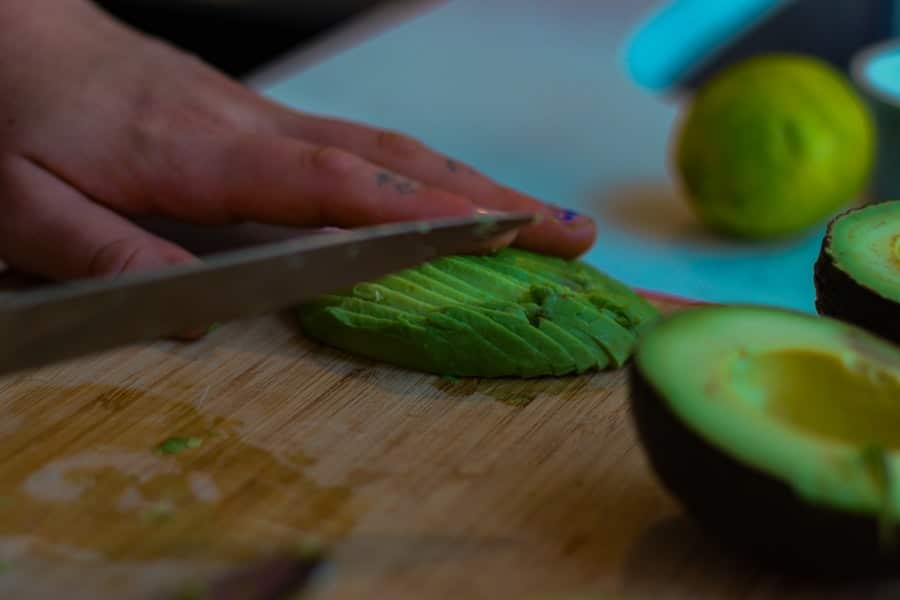
Fats are the cornerstone of the keto diet, and there are numerous delicious sources you can incorporate into your meals. Healthy fats not only provide energy but also support overall health by promoting satiety and nutrient absorption. Avocados are one of the best sources of fat, rich in monounsaturated fats and packed with fiber.
You can enjoy them sliced on salads or blended into creamy dressings. Another fantastic source of healthy fats is nuts and seeds. Almonds, walnuts, chia seeds, and flaxseeds are all great options that can be sprinkled on salads or blended into smoothies for added texture and flavor.
Additionally, oils such as olive oil and coconut oil are perfect for cooking or drizzling over dishes to enhance flavor while providing essential fatty acids. By incorporating these fat sources into your meals, you’ll not only meet your macronutrient goals but also enjoy a variety of flavors and textures.
Keto-Friendly Vegetable Options
While the keto diet restricts certain high-carb vegetables, there is still a wide range of low-carb options that you can enjoy without compromising your dietary goals. Leafy greens, such as spinach, kale, and arugula, are excellent choices that are low in carbs yet high in nutrients. You can use these greens as a base for salads or sauté them as a side dish to complement your protein sources.
Cruciferous vegetables, such as broccoli, cauliflower, and Brussels sprouts, are also excellent additions to your keto meal plan. These vegetables are not only low in carbohydrates but also provide fiber and essential vitamins. You can roast them with olive oil or steam them for a nutritious side dish.
By focusing on these low-carb vegetable options, you can ensure that you’re getting enough vitamins and minerals while staying within your carbohydrate limits.
Keto-Friendly Dairy Products
Dairy products can be a delightful addition to your keto diet if chosen wisely. Full-fat dairy options are generally preferred due to their lower carbohydrate content compared to their low-fat counterparts. Cheese is a popular choice among those following the keto lifestyle; varieties like cheddar, mozzarella, and cream cheese can add flavor and richness to your meals without adding excessive carbs.
Greek yogurt is another dairy product that can fit into your keto plan when consumed in moderation. Opt for full-fat versions with no added sugars for a creamy treat that can be enjoyed on its own or mixed with nuts for added texture and flavor. Heavy cream is also a versatile ingredient that can be used in coffee or incorporated into sauces for added richness.
By selecting the right dairy products, you can enhance your meals while adhering to the principles of the keto diet.
Keto-Friendly Snack Options
Finding satisfying snacks on the keto diet doesn’t have to be a challenge; there are plenty of delicious options available that will keep you energized between meals. One popular choice is nuts; they are nutrient-dense and provide healthy fats that align perfectly with your dietary goals. Almonds, macadamia nuts, and pecans make for great snacks that are easy to grab on the go.
Another tasty option is cheese crisps or cheese sticks; these provide a satisfying crunch while delivering protein and fat without the carbs. If you’re looking for something sweet yet keto-friendly, consider dark chocolate with a high cocoa content or homemade fat bombs made from coconut oil and nut butter. By keeping these snacks on hand, you’ll be well-equipped to stay on track with your keto journey while enjoying flavorful treats throughout the day.
The ketogenic diet offers a distinct approach to nutrition, emphasizing low-carbohydrate intake and high-fat consumption. By understanding which foods to eat and avoid, and incorporating various protein sources, healthy fats, vegetables, dairy products, and snacks into your meals, you can successfully navigate this dietary lifestyle while enjoying delicious food options along the way. Whether you’re seeking weight loss or improved energy levels, embracing the principles of the keto diet can lead to positive changes in your overall health and well-being.
FAQs
What is a keto diet?
A keto diet is a low-carb, high-fat diet that involves reducing carbohydrate intake and replacing it with fat. This reduction in carbohydrates puts the body into a metabolic state called ketosis, where it becomes more efficient at burning fat for energy.
What foods are allowed on a keto diet?
Foods allowed on a keto diet include meats, fatty fish, eggs, butter, cheese, low-carb vegetables (such as leafy greens and cauliflower), avocados, nuts and seeds, healthy oils (like olive oil and coconut oil), and some low-sugar fruits (like berries).
What foods should be avoided on a keto diet?
Foods to avoid on a keto diet include high-carb foods such as grains (wheat, rice, corn), starchy vegetables (potatoes, sweet potatoes), sugary foods and drinks, high-sugar fruits (such as bananas and grapes), and processed foods with added sugars.
How can I plan my meals on a keto diet?
When planning meals on a keto diet, focus on incorporating a variety of low-carb, high-fat foods such as meats, fish, eggs, non-starchy vegetables, and healthy fats. It’s essential to track your macronutrient intake to ensure you are staying within the recommended carb, protein, and fat ratios for a keto diet.
Are there any potential side effects of a keto diet?
Some potential side effects of a keto diet, especially during the initial transition phase, may include the “keto flu” (flu-like symptoms), constipation, bad breath, and nutrient deficiencies if the diet is not well-balanced. It’s essential to stay hydrated and consume enough electrolytes while on a keto diet. Consulting with a healthcare professional before starting a keto diet is recommended.
RELATED TOPICS ABOUT Keto Diet Foods List:
Keto Food List,
Keto Diet Food List,
Ketogenic Diet Food List,
Approved Foods for Keto Diet,
Low Carb Foods List for Keto,
Keto Friendly Foods List,
Printable Keto Food List,
Keto Diet Foods List Pdf,
Free Keto Diet Food List,
Downloadable Keto Food Chart,
Keto Diet Checklist,
Keto Grocery List,
Keto Protein Food List,
Keto Fats and Oils List,
Keto Vegetables List,
Keto Fruits List,
Keto Dairy Products List,
Keto Snack Foods List,
Keto Food List for Beginners,
Keto Food List for Diabetics,
Keto Food List for Women,
Keto Food List for Weight Loss,
Clean Keto Food List,
Budget-friendly Keto Food List,
Keto Foods to Eat and Avoid,
Keto Yes and No Food List,
What Not to Eat on Keto,
Non-keto Foods List,
Hidden Carbs in Foods,
7 Day Keto Food List,
Weekly Keto Grocery List,
Keto Shopping List and Meal Plan,
Keto Meal Prep Food List,
Keto Meal Plan with Food List
==========
Content 10/10/G





