
The ketogenic diet, commonly known as the keto diet, has gained significant attention in recent years, particularly among individuals managing diabetes. If you are considering this low-carbohydrate, high-fat eating plan, it’s essential to understand how it can impact your blood sugar levels and overall health. The primary goal of the keto diet is to shift your body into a state of ketosis, where it burns fat for fuel instead of carbohydrates.
For diabetics, this can lead to improved blood sugar control and weight management, which are crucial for maintaining optimal health. However, embarking on a keto journey requires careful planning and consideration, especially when it comes to food choices. As a diabetic, you must be vigilant about the types of foods you consume to avoid spikes in blood sugar levels.
This article will guide you through the various food categories you should avoid or limit while following a keto diet, ensuring that you can reap the benefits without compromising your health.
Key Takeaways
- The Keto diet can be beneficial for diabetics by helping to manage blood sugar levels and promote weight loss.
- Avoiding processed and refined carbohydrates is crucial on a Keto diet for diabetics to maintain stable blood sugar levels.
- Diabetics on a Keto diet should steer clear of sugary foods and sweeteners to prevent spikes in blood sugar levels.
- Limiting or avoiding starchy vegetables is important for diabetics on a Keto diet to control carbohydrate intake.
- Diabetics should be mindful of fruits high in sugar and their impact on blood sugar levels while on a Keto diet.
Understanding the Importance of Avoiding Certain Foods on a Keto Diet
Understanding the Impact of Carbohydrates on Blood Sugar
When you adopt a keto diet, your primary focus should be on reducing carbohydrate intake significantly. This is particularly important for diabetics, as carbohydrates can directly affect blood glucose levels. By avoiding certain foods, you can maintain a state of ketosis and keep your blood sugar levels stable.
The Importance of Food Choices on the Keto Diet
Understanding which foods to avoid is crucial for your success on this diet. Moreover, not all carbohydrates are created equal. Some foods can cause rapid spikes in blood sugar, while others may have a more gradual effect.
Making Informed Choices for a Healthier You
As you navigate your keto journey, it’s essential to educate yourself about these differences. By making informed choices and steering clear of specific food categories, you can enhance your overall well-being and enjoy the benefits of the keto lifestyle.
Processed and Refined Carbohydrates to Avoid
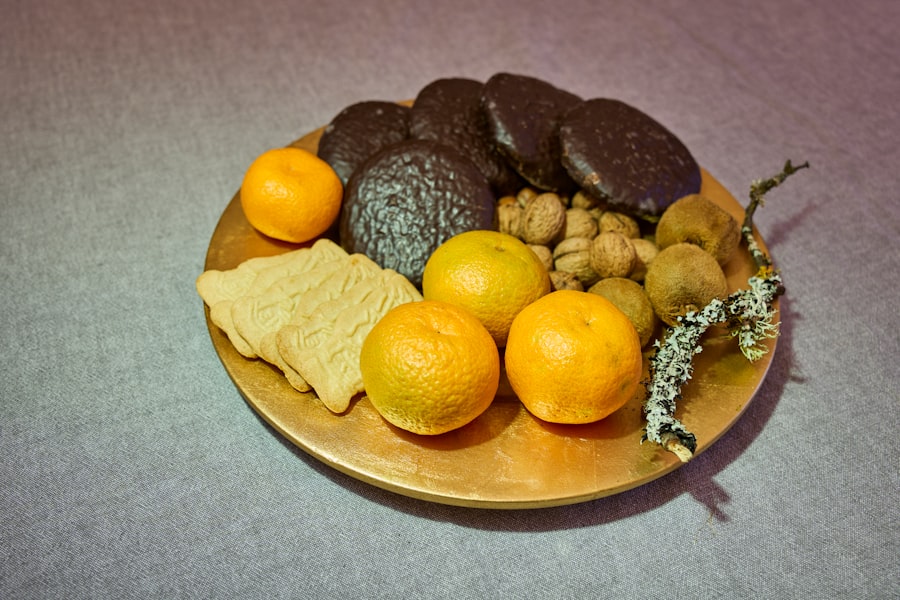
One of the first categories of foods you should eliminate from your diet is processed and refined carbohydrates. These include items like white bread, pastries, and many snack foods that are high in added sugars and low in nutritional value. If you find yourself reaching for these convenient options, it’s time to reconsider your choices.
Processed carbs can lead to rapid increases in blood sugar levels, making them particularly harmful for diabetics. Instead of processed carbohydrates, focus on whole foods that are low in carbs and high in healthy fats. Incorporating foods like avocados, nuts, and seeds can provide you with the necessary nutrients while keeping your carbohydrate intake in check.
By avoiding processed and refined carbs, you’ll not only support your keto goals but also promote better overall health.
Sugary Foods and Sweeteners to Steer Clear of
Sugary foods are another category that you must be cautious about while following a keto diet. This includes obvious culprits like candy, cookies, and sugary beverages. These items can cause significant spikes in blood sugar levels, which can be detrimental to your health as a diabetic.
Even seemingly harmless foods like flavored yogurts or granola bars often contain hidden sugars that can derail your efforts. When it comes to sweeteners, it’s essential to choose wisely. While some artificial sweeteners may seem like a good alternative, they can still impact insulin sensitivity and overall health.
Instead, consider using natural sweeteners like stevia or erythritol in moderation. By steering clear of sugary foods and being mindful of your sweetener choices, you can maintain better control over your blood sugar levels while enjoying the benefits of a keto diet.
Starchy Vegetables to Limit or Avoid
While vegetables are generally considered healthy, not all are suitable for a keto diet—especially for diabetics. Starchy vegetables like potatoes, corn, and peas are high in carbohydrates and can lead to increased blood sugar levels. If you enjoy these vegetables, it’s essential to limit their intake or find low-carb alternatives that fit within your dietary restrictions.
Instead of starchy vegetables, opt for non-starchy options such as leafy greens, broccoli, cauliflower, and zucchini. These vegetables are not only low in carbs but also packed with essential vitamins and minerals that support your overall health. By making these substitutions, you can enjoy a variety of flavors and textures while keeping your carbohydrate intake low.
Fruits High in Sugar to Be Mindful of

Fruits are often considered healthy due to their vitamins and antioxidants; however, many fruits are high in natural sugars that can impact your blood sugar levels. As a diabetic on a keto diet, it’s crucial to be mindful of the types of fruits you consume. Fruits like bananas, grapes, and mangoes are particularly high in sugar and should be limited or avoided altogether.
Instead of high-sugar fruits, consider incorporating berries into your diet. Strawberries, raspberries, and blackberries are lower in carbohydrates and can be enjoyed in moderation on a keto diet. They provide essential nutrients without causing significant spikes in blood sugar levels.
By being selective about the fruits you consume, you can enjoy their health benefits while adhering to your dietary goals.
High-Carb Nuts and Seeds to Watch Out For
Nuts and seeds are often touted as healthy snacks; however, not all varieties are suitable for a keto diet—especially for those managing diabetes. Some nuts and seeds are higher in carbohydrates than others, which can hinder your progress on the keto journey. For instance, cashews and pistachios contain more carbs compared to almonds or walnuts.
When snacking on nuts or seeds, opt for those that are lower in carbohydrates and higher in healthy fats. Almonds, macadamia nuts, and sunflower seeds are excellent choices that can help keep your carb intake in check while providing essential nutrients. By being mindful of the types of nuts and seeds you consume, you can enjoy their benefits without compromising your dietary goals.
Dairy Products with Added Sugars to Avoid
Dairy products can be a great source of protein and healthy fats on a keto diet; however, many commercial dairy products contain added sugars that can sabotage your efforts. Flavored yogurts, sweetened creamers, and certain cheeses may have hidden sugars that can lead to increased blood sugar levels. To stay on track with your keto diet as a diabetic, choose plain dairy products without added sugars.
Full-fat Greek yogurt or unsweetened almond milk can be excellent alternatives that provide flavor without the extra carbs. By carefully selecting your dairy products, you can enjoy their nutritional benefits while maintaining better control over your blood sugar levels.
Hidden Sources of Carbohydrates to Be Aware of
As you navigate the keto diet, it’s essential to be aware of hidden sources of carbohydrates that may not be immediately obvious. Many processed foods contain added sugars or starches that can contribute to your overall carb intake without you realizing it. Sauces, dressings, and even some condiments may contain hidden sugars that can impact your blood sugar levels.
To avoid these pitfalls, always read labels carefully before purchasing any packaged food items. Look for products that are labeled as low-carb or sugar-free whenever possible. By being vigilant about hidden sources of carbohydrates, you can better manage your dietary choices and stay on track with your keto goals.
Pre-Packaged Keto Foods to Be Cautious of
While pre-packaged keto foods may seem convenient and appealing, they often come with their own set of challenges—especially for diabetics. Many of these products may contain artificial ingredients or unhealthy fats that could negatively impact your health. Additionally, some pre-packaged items may still contain higher levels of carbohydrates than advertised.
When considering pre-packaged keto foods, take the time to research the ingredients thoroughly. Opt for brands that prioritize whole food ingredients and transparency in their labeling. By being cautious about pre-packaged options, you can ensure that you’re making choices that align with your health goals while following a keto diet.
Navigating the Keto Diet for Diabetics
Navigating the keto diet as a diabetic requires careful planning and consideration of food choices. By understanding which foods to avoid—such as processed carbohydrates, sugary items, starchy vegetables, high-sugar fruits, high-carb nuts and seeds, dairy products with added sugars, hidden sources of carbs, and pre-packaged options—you can create a sustainable eating plan that supports your health goals. As you embark on this journey, remember that education is key.
The more informed you are about what to include in your diet and what to avoid, the better equipped you’ll be to manage your diabetes effectively while enjoying the benefits of a ketogenic lifestyle. With dedication and mindfulness regarding food choices, you can successfully navigate the keto diet while maintaining stable blood sugar levels and improving your overall well-being.
FAQs
What are some keto foods to avoid for diabetics?
Some keto foods to avoid for diabetics include high-carb fruits, starchy vegetables, processed meats with added sugars, and high-sugar dairy products.
Why should diabetics avoid high-carb fruits on a keto diet?
High-carb fruits can cause a spike in blood sugar levels, which can be problematic for diabetics. It’s important for diabetics to monitor their carbohydrate intake to manage their blood sugar levels effectively.
What are some examples of starchy vegetables to avoid on a keto diet for diabetics?
Starchy vegetables such as potatoes, sweet potatoes, and corn should be avoided by diabetics on a keto diet due to their high carbohydrate content.
Why should diabetics avoid processed meats with added sugars on a keto diet?
Processed meats with added sugars can contribute to increased blood sugar levels, which can be detrimental for diabetics. It’s important for diabetics to choose unprocessed, lean meats to maintain stable blood sugar levels.
What are some high-sugar dairy products that diabetics should avoid on a keto diet?
High-sugar dairy products such as sweetened yogurt, flavored milk, and sugary creamers should be avoided by diabetics on a keto diet. These products can lead to spikes in blood sugar levels and should be replaced with unsweetened, low-carb alternatives.





