The ketogenic diet, commonly known as the keto diet, has gained significant attention for its potential benefits in managing blood sugar levels. At its core, the keto diet emphasizes a high-fat, moderate-protein, and very low-carbohydrate intake. By drastically reducing carbohydrates, your body enters a state of ketosis, where it begins to burn fat for fuel instead of glucose.
This metabolic shift can lead to more stable blood sugar levels, making it an appealing option for those looking to manage diabetes or prediabetes. When you adopt the keto diet, you may notice a decrease in insulin spikes that often accompany carbohydrate consumption. This is particularly beneficial for individuals who struggle with insulin resistance.
By minimizing carbohydrate intake, you can help your body maintain a more consistent level of blood sugar throughout the day. This not only aids in weight management but also reduces the risk of developing complications associated with high blood sugar levels, such as fatigue, mood swings, and long-term health issues.
Key Takeaways
- The keto diet can help control blood sugar levels by reducing carbohydrate intake and promoting fat burning for energy.
- Avocado is a healthy fat that can help stabilize blood sugar levels and provide essential nutrients for overall health.
- Leafy greens are nutrient-dense and low in carbs, making them an excellent choice for maintaining stable blood sugar levels on a keto diet.
- Berries are rich in antioxidants and low in sugar, making them a great option for satisfying sweet cravings without spiking blood sugar.
- Nuts and seeds provide protein and healthy fats for sustained energy and can help regulate blood sugar levels on a keto diet.
Avocado: A Healthy Fat for Stable Blood Sugar
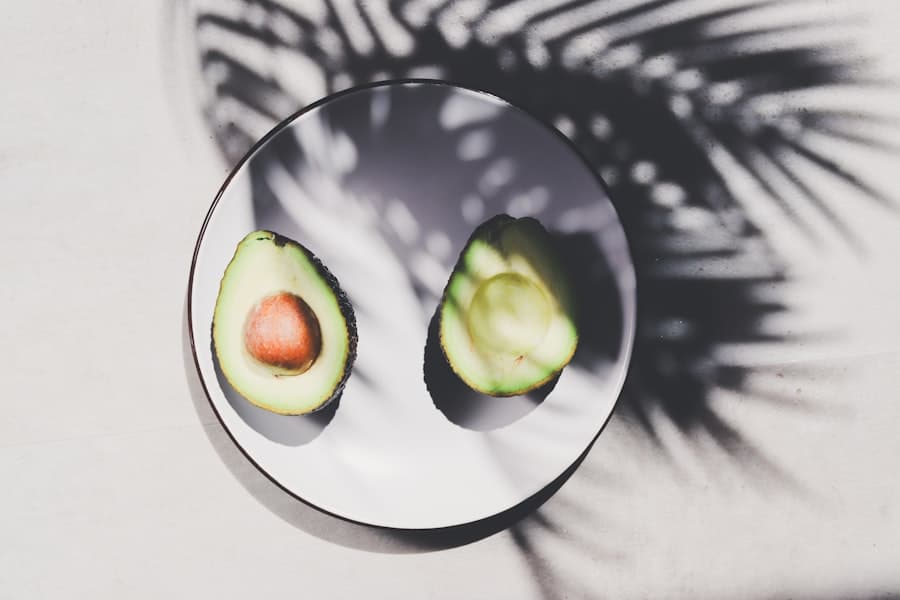
Avocados are often hailed as a superfood, and for good reason. They are rich in healthy monounsaturated fats, which can help you feel satiated and reduce cravings. When you incorporate avocados into your meals, you provide your body with a source of energy that does not cause significant spikes in blood sugar.
The fiber content in avocados also plays a crucial role in stabilizing blood sugar levels by slowing down the absorption of sugars into your bloodstream. In addition to their fat and fiber content, avocados are packed with essential vitamins and minerals, including potassium and vitamin E. These nutrients contribute to overall health and can support heart health, which is particularly important for those managing blood sugar levels.
By adding avocados to your diet, you not only enhance the flavor of your meals but also promote a balanced approach to nutrition that supports stable blood sugar.
Leafy Greens: Nutrient-Dense and Low-Carb
Leafy greens are a cornerstone of the keto diet and an excellent choice for anyone looking to manage their blood sugar levels effectively. Vegetables like spinach, kale, and Swiss chard are incredibly low in carbohydrates while being rich in vitamins A, C, and K, as well as minerals like calcium and magnesium. This nutrient density makes them an ideal food choice for maintaining overall health without compromising your carbohydrate limits.
Incorporating leafy greens into your meals can also provide a wealth of antioxidants that combat oxidative stress in the body. This is particularly beneficial for those with blood sugar concerns, as oxidative stress can exacerbate insulin resistance. By filling your plate with these vibrant greens, you not only nourish your body but also create a satisfying and colorful meal that supports your keto journey.
Berries: Antioxidant-Rich and Low in Sugar
When it comes to fruits on a keto diet, berries are often the go-to option due to their low sugar content and high antioxidant levels. Strawberries, blueberries, raspberries, and blackberries are all excellent choices that can satisfy your sweet tooth without derailing your blood sugar management efforts. These fruits are not only delicious but also packed with vitamins and minerals that contribute to overall health.
The antioxidants found in berries, such as flavonoids and vitamin C, play a vital role in reducing inflammation and protecting your cells from damage. This is particularly important for individuals managing blood sugar levels, as chronic inflammation can lead to insulin resistance over time. By enjoying a handful of berries as a snack or incorporating them into your meals, you can indulge in a sweet treat while still adhering to your dietary goals.
Nuts and Seeds: Protein and Healthy Fats for Sustained Energy
Nuts and seeds are another fantastic addition to your keto diet that can help stabilize blood sugar levels while providing sustained energy. Almonds, walnuts, chia seeds, and flaxseeds are all nutrient-dense options that offer a combination of healthy fats, protein, and fiber. This unique blend helps keep you feeling full longer and prevents the rapid spikes and drops in blood sugar that can occur with high-carb snacks.
In addition to their macronutrient profile, nuts and seeds are rich in essential vitamins and minerals such as vitamin E, magnesium, and zinc. These nutrients support various bodily functions, including immune health and muscle function. By incorporating a variety of nuts and seeds into your diet, you not only enhance the flavor of your meals but also provide your body with the tools it needs to maintain stable blood sugar levels.
Fatty Fish: Omega-3s for Heart Health and Blood Sugar Regulation

Fatty fish like salmon, mackerel, and sardines are excellent sources of omega-3 fatty acids, which have been shown to have numerous health benefits, including improved heart health and better blood sugar regulation. Omega-3s can help reduce inflammation in the body, which is particularly important for those managing blood sugar levels. By including fatty fish in your diet regularly, you can support both cardiovascular health and metabolic function.
Moreover, fatty fish are high in protein while being low in carbohydrates, making them an ideal choice for those following a keto diet. The combination of protein and healthy fats helps keep you satiated while providing essential nutrients that support overall well-being. Whether grilled, baked, or added to salads, incorporating fatty fish into your meals can be both delicious and beneficial for maintaining stable blood sugar levels.
Coconut Oil: Medium-Chain Triglycerides for Quick Energy
Coconut oil has gained popularity in recent years for its unique composition of medium-chain triglycerides (MCTs), which are rapidly absorbed by the body and converted into energy. This makes coconut oil an excellent choice for those on a keto diet looking for quick energy sources without spiking blood sugar levels. MCTs can provide an immediate source of fuel for your brain and muscles while promoting fat burning.
In addition to its energy-boosting properties, coconut oil has been linked to various health benefits, including improved cholesterol levels and enhanced cognitive function. By incorporating coconut oil into your cooking or using it as a base for salad dressings, you can enjoy its rich flavor while reaping its numerous health benefits. Whether you use it in smoothies or as a cooking oil, coconut oil is a versatile ingredient that aligns perfectly with your keto lifestyle.
Eggs: Protein-Packed and Blood Sugar Friendly
Eggs are often considered one of nature’s perfect foods due to their impressive nutrient profile. They are rich in high-quality protein while being low in carbohydrates, making them an ideal choice for anyone looking to manage their blood sugar levels effectively. The protein content in eggs helps keep you feeling full longer and stabilizes blood sugar by slowing down the absorption of glucose into the bloodstream.
Moreover, eggs contain essential vitamins and minerals such as vitamin B12, selenium, and choline. These nutrients play vital roles in various bodily functions, including metabolism and brain health. Whether scrambled, poached, or hard-boiled, eggs are a versatile ingredient that can be easily incorporated into your meals throughout the day.
By making eggs a staple in your diet, you can enjoy their numerous health benefits while supporting stable blood sugar levels.
Non-Starchy Vegetables: Fiber and Nutrients without Spiking Blood Sugar
Non-starchy vegetables are an essential component of any keto diet focused on blood sugar control. Vegetables like broccoli, cauliflower, zucchini, and bell peppers are low in carbohydrates while being high in fiber and essential nutrients. The fiber content helps slow down digestion and promotes feelings of fullness without causing significant spikes in blood sugar levels.
Incorporating non-starchy vegetables into your meals not only enhances flavor but also adds valuable nutrients that support overall health. These vegetables are rich in vitamins A and C, potassium, and antioxidants that help combat inflammation and oxidative stress. By filling your plate with colorful non-starchy vegetables, you create satisfying meals that nourish your body while keeping your blood sugar levels stable.
Olive Oil: Heart-Healthy Fat for Blood Sugar Control
Olive oil is often regarded as one of the healthiest fats available due to its high content of monounsaturated fats and antioxidants. When used as part of a balanced diet, olive oil can help improve heart health while also supporting stable blood sugar levels. The healthy fats found in olive oil can enhance insulin sensitivity, making it easier for your body to regulate blood sugar effectively.
Incorporating olive oil into your meals is simple; use it as a dressing for salads or drizzle it over roasted vegetables for added flavor. Its versatility makes it an excellent choice for various dishes while providing numerous health benefits. By choosing olive oil as your primary cooking fat or salad dressing, you can enjoy its rich taste while promoting better blood sugar control.
Grass-Fed Meats: Protein and Nutrient-Dense Option for Keto and Blood Sugar Management
Grass-fed meats are an excellent source of high-quality protein that aligns perfectly with the principles of the keto diet. Unlike conventionally raised meats, grass-fed options tend to have higher levels of omega-3 fatty acids and conjugated linoleic acid (CLA), both of which have been linked to improved metabolic health and better blood sugar regulation. By choosing grass-fed meats over conventional options, you not only support sustainable farming practices but also provide your body with nutrient-dense protein sources.
In addition to their superior nutritional profile, grass-fed meats are versatile ingredients that can be prepared in various ways to suit your taste preferences. Whether grilled, roasted, or slow-cooked, these meats can be incorporated into hearty meals that keep you satisfied without compromising your dietary goals. By making grass-fed meats a staple in your diet, you can enjoy delicious meals while supporting stable blood sugar levels.
In conclusion, adopting a keto diet focused on whole foods can significantly impact your ability to manage blood sugar levels effectively. By incorporating healthy fats like avocados and olive oil, nutrient-dense vegetables like leafy greens and non-starchy options, antioxidant-rich berries, protein-packed foods like eggs and grass-fed meats, along with omega-3-rich fatty fish and coconut oil’s quick energy benefits—you’re setting yourself up for success on this dietary journey. Each food choice plays a vital role in stabilizing blood sugar while providing essential nutrients that support overall health.
Embrace these foods as part of your lifestyle change; they will not only help you achieve better blood sugar control but also enhance your overall well-being.
FAQs
What is the keto diet?
The keto diet is a high-fat, low-carbohydrate diet that has been shown to help control blood sugar levels and promote weight loss.
How does the keto diet help with blood sugar control?
The keto diet helps control blood sugar levels by reducing the intake of carbohydrates, which are the main source of blood sugar spikes. By consuming fewer carbs and more healthy fats, the body enters a state of ketosis, where it burns fat for fuel instead of glucose.
What are the best keto foods for blood sugar control?
Some of the best keto foods for blood sugar control include avocados, olive oil, fatty fish, nuts and seeds, low-carb vegetables, and lean meats.
Are there any foods to avoid on the keto diet for blood sugar control?
Foods to avoid on the keto diet for blood sugar control include sugary foods, starchy vegetables, grains, and high-carb fruits.
Is the keto diet safe for everyone?
The keto diet may not be suitable for everyone, especially those with certain medical conditions such as pancreatitis, liver disease, or a history of disordered eating. It is important to consult with a healthcare professional before starting any new diet.