The ketogenic diet, commonly known as the keto diet, has gained immense popularity in recent years due to its potential for weight loss and health benefits. At its core, the keto diet is a low-carbohydrate, high-fat eating plan that encourages your body to enter a state of ketosis, where it burns fat for fuel instead of carbohydrates. However, if you identify as a vegetarian, you may wonder how to adapt this high-fat, low-carb lifestyle while still adhering to your dietary preferences.
Embracing a vegetarian keto diet requires a thoughtful approach to ensure you are meeting your nutritional needs while maintaining the principles of ketosis. This means you will need to focus on incorporating plant-based fats and proteins while minimizing carbohydrate intake from grains, legumes, and starchy vegetables. By understanding the fundamentals of the keto diet and how they can align with vegetarianism, you can create a sustainable and enjoyable eating plan that supports your health goals.
Key Takeaways
- The keto diet for vegetarians focuses on high fat, moderate protein, and low carb intake to achieve ketosis.
- Essential nutrients for vegetarian keto include protein, healthy fats, and low-carb vegetables to maintain a balanced diet.
- Protein sources for vegetarian keto include tofu, tempeh, eggs, and plant-based protein powders.
- Low-carb vegetables for vegetarian keto include leafy greens, cauliflower, zucchini, and bell peppers.
- Healthy fats for vegetarian keto include avocados, nuts, seeds, and plant-based oils like olive and coconut oil.
Essential Nutrients for Vegetarian Keto
Key Nutrients to Focus On
Key nutrients to focus on include B vitamins, iron, calcium, omega-3 fatty acids, and vitamin D. These nutrients play vital roles in energy production, bone health, and overall well-being.
Meeting Nutritional Needs
To meet your nutritional needs, consider incorporating a variety of nutrient-dense foods into your meals. Leafy greens, nuts, seeds, and fortified plant-based milk can help you achieve a balanced intake of essential vitamins and minerals.
Supplementation Options
Additionally, you may want to explore supplements for nutrients that are harder to obtain from a vegetarian keto diet, such as omega-3 fatty acids from algae oil or vitamin B12 from fortified sources. By being mindful of your nutrient intake, you can ensure that your vegetarian keto diet is both healthy and satisfying.
Protein Sources for Vegetarian Keto
Protein is an essential macronutrient that plays a critical role in muscle repair, immune function, and overall health. As a vegetarian on a keto diet, you will need to find alternative protein sources that align with your dietary restrictions while keeping your carbohydrate intake low. Fortunately, there are numerous plant-based protein options available that can help you meet your daily requirements.
Tofu and tempeh are excellent sources of protein that can be incorporated into various dishes. They are versatile ingredients that can absorb flavors well and can be grilled, stir-fried, or added to salads. Additionally, seitan, made from wheat gluten, is another high-protein option that can mimic the texture of meat in many recipes.
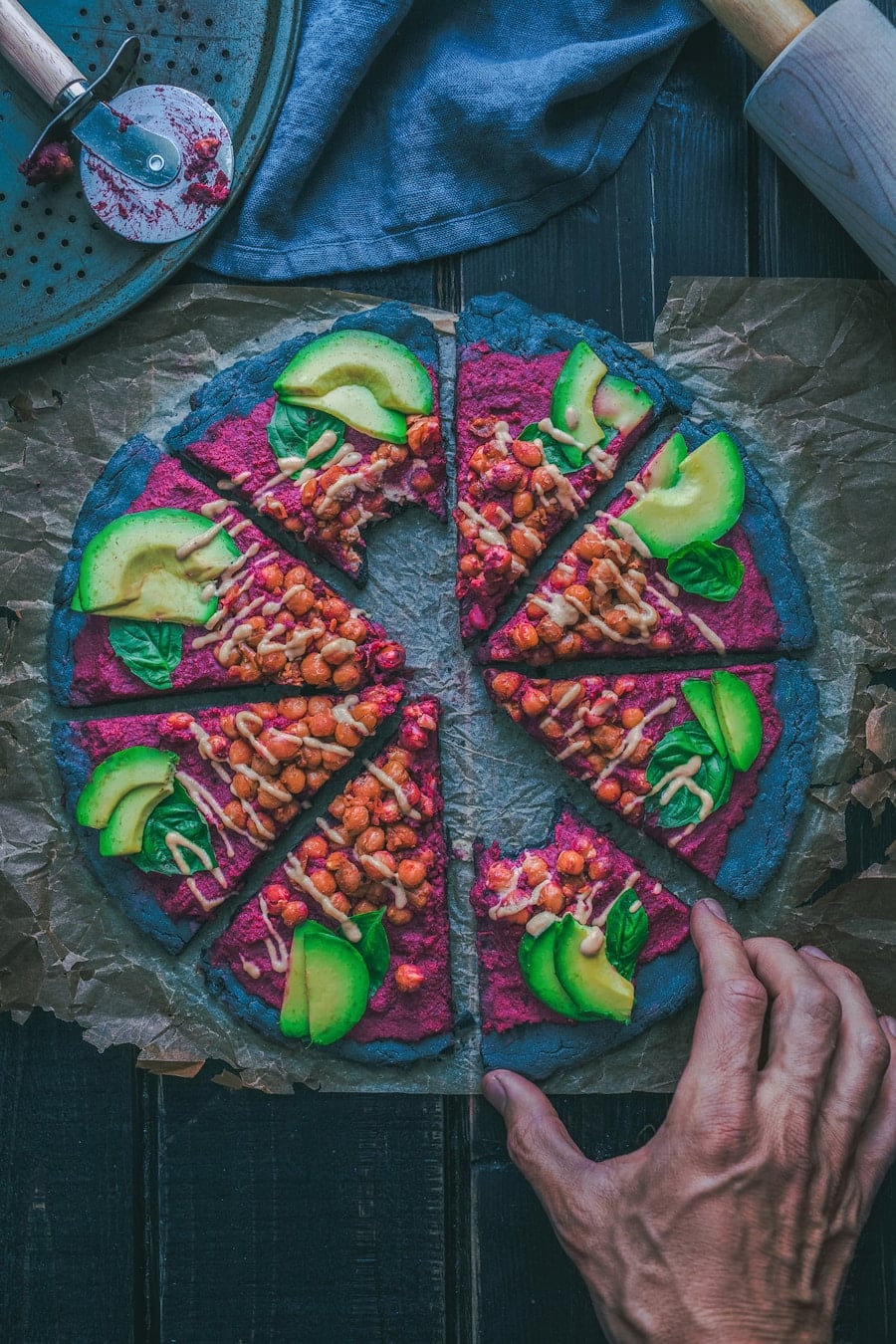
For those who prefer legumes, consider using small amounts of lentils or chickpeas in moderation, as they do contain carbohydrates but also provide valuable protein. By diversifying your protein sources, you can create satisfying meals that support your vegetarian keto lifestyle.
Low-carb Vegetables for Vegetarian Keto
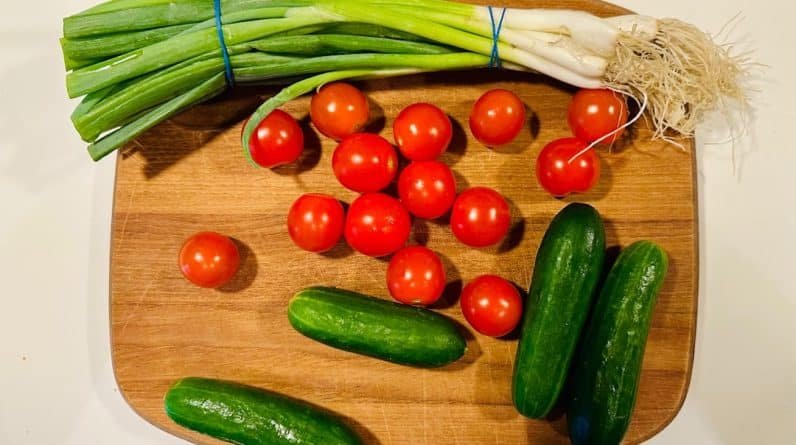
Vegetables are an essential component of any healthy diet, but when following a vegetarian keto plan, it is important to choose low-carb options that won’t hinder your progress toward ketosis. Non-starchy vegetables are your best friends in this regard; they are packed with nutrients while being low in carbohydrates. Leafy greens such as spinach, kale, and arugula are excellent choices that can be used in salads or smoothies.
Other low-carb vegetables include zucchini, cauliflower, broccoli, and bell peppers. These vegetables can be roasted, sautéed, or used as substitutes for higher-carb ingredients in various recipes. For instance, cauliflower can be transformed into rice or mashed potatoes, providing a satisfying base for many dishes without the added carbs.
By incorporating a variety of low-carb vegetables into your meals, you can enjoy a colorful and nutritious plate while staying within the parameters of your vegetarian keto diet.
Healthy Fats for Vegetarian Keto
Healthy fats are the cornerstone of the ketogenic diet and play a crucial role in helping your body transition into ketosis. As a vegetarian, you have access to a wide array of plant-based fats that can enhance your meals while providing essential fatty acids. Avocados are an excellent source of healthy monounsaturated fats and can be added to salads or smoothies for creaminess and flavor.
Nuts and seeds also provide healthy fats along with protein and fiber. Almonds, walnuts, chia seeds, and flaxseeds are all great options that can be sprinkled on salads or blended into smoothies. Additionally, consider incorporating oils such as olive oil or coconut oil into your cooking for added flavor and healthy fat content.
By focusing on these healthy fat sources, you can create delicious meals that keep you satisfied while adhering to the principles of the vegetarian keto diet.
Meal Planning and Recipes for Vegetarian Keto

Meal planning is an essential aspect of successfully following a vegetarian keto diet. By preparing meals in advance, you can ensure that you have nutritious options readily available while avoiding the temptation of high-carb foods. Start by creating a weekly meal plan that includes breakfast, lunch, dinner, and snacks.
This will help you stay organized and make grocery shopping more efficient. When it comes to recipes, there are countless delicious options available for vegetarian keto enthusiasts.
For lunch or dinner, try a zucchini noodle stir-fry with tofu and low-carb vegetables or a hearty salad topped with olive oil dressing and seeds. Don’t forget about snacks; cheese crisps or nut butter with celery sticks make for satisfying options between meals. By experimenting with different recipes and flavors, you can keep your vegetarian keto journey exciting and enjoyable.
Tips for Success on a Vegetarian Keto Diet
To thrive on a vegetarian keto diet, it is essential to adopt strategies that will support your goals and keep you motivated. One key tip is to stay informed about your macronutrient ratios—aiming for high fat intake while keeping carbohydrates low will help maintain ketosis. Consider using apps or food journals to track your daily intake and ensure you’re meeting your targets.
Another important aspect is to find community support. Engaging with others who share similar dietary preferences can provide encouragement and inspiration as you navigate this lifestyle change. Online forums or local meetups can be great resources for sharing recipes and tips or simply connecting with like-minded individuals.
Lastly, be patient with yourself; transitioning to a vegetarian keto diet may take time as you learn what works best for your body. Celebrate small victories along the way to stay motivated on your journey.
Potential Challenges and How to Overcome Them
While the vegetarian keto diet offers numerous benefits, it is not without its challenges. One common hurdle is the potential for nutrient deficiencies due to limited food choices. To combat this issue, prioritize variety in your meals by incorporating different protein sources, vegetables, and healthy fats.
This will help ensure you’re getting a broad spectrum of nutrients necessary for optimal health. Another challenge may arise from social situations where high-carb foods are prevalent. It can be difficult to navigate gatherings or dining out when options are limited.
To overcome this obstacle, consider preparing your own dishes to bring along or researching restaurant menus in advance to identify suitable choices. Communicating your dietary preferences with friends and family can also foster understanding and support during social events. By being proactive about these challenges, you can successfully maintain your vegetarian keto lifestyle while enjoying the benefits it brings to your health and well-being.
FAQs
What is a ketogenic diet?
A ketogenic diet is a high-fat, low-carbohydrate diet that has been shown to help with weight loss and improve certain health conditions. It involves drastically reducing carbohydrate intake and replacing it with fat, which puts the body into a metabolic state called ketosis.
Can vegetarians follow a ketogenic diet?
Yes, vegetarians can follow a ketogenic diet by focusing on high-fat, low-carb plant-based foods such as avocados, nuts, seeds, and low-carb vegetables. They can also incorporate vegetarian sources of protein such as eggs, dairy, and plant-based protein sources like tofu and tempeh.
What are some vegetarian-friendly foods that are low in carbs and high in fat?
Some vegetarian-friendly foods that are low in carbs and high in fat include avocados, coconut oil, olive oil, nuts and seeds, full-fat dairy products, and low-carb vegetables such as spinach, kale, and broccoli.
How can vegetarians ensure they are getting enough protein on a ketogenic diet?
Vegetarians can ensure they are getting enough protein on a ketogenic diet by incorporating sources such as eggs, dairy products, tofu, tempeh, and vegetarian-friendly protein powders. It’s important to focus on a variety of protein sources to ensure adequate intake of essential amino acids.
Are there any potential challenges for vegetarians following a ketogenic diet?
Some potential challenges for vegetarians following a ketogenic diet include limited food options, potential nutrient deficiencies if not carefully planned, and the need to be mindful of hidden carbs in vegetarian products such as meat substitutes and processed foods. It’s important for vegetarians to carefully plan their meals to ensure they are meeting their nutritional needs.