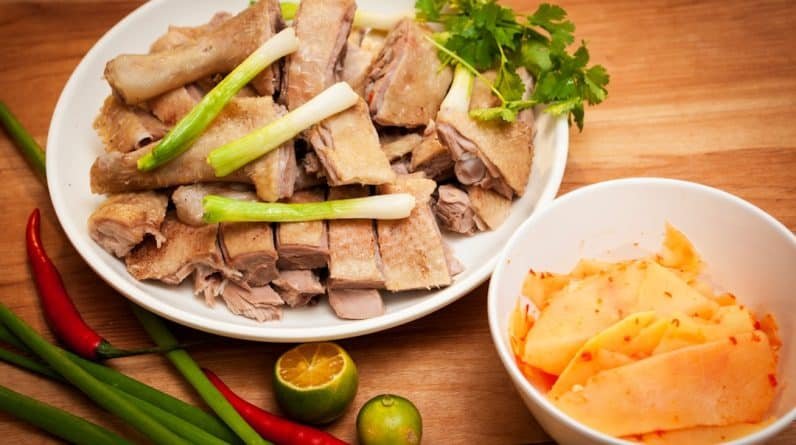
The ketogenic diet, commonly referred to as the keto diet, is a low-carbohydrate, high-fat eating plan that has gained immense popularity in recent years. At its core, the keto diet aims to shift your body’s metabolism from burning carbohydrates for energy to burning fat. This metabolic state is known as ketosis, where your body becomes highly efficient at converting fat into ketones, which serve as an alternative energy source.
By drastically reducing your carbohydrate intake and replacing it with healthy fats, you can encourage your body to enter this state of ketosis, leading to potential weight loss and improved energy levels. As you embark on this journey, it’s essential to understand the macronutrient breakdown that characterizes the keto diet. Typically, the diet consists of approximately 70-75% fats, 20-25% protein, and only about 5-10% carbohydrates.
This significant reduction in carbs forces your body to adapt and utilize fat as its primary fuel source. However, it’s not just about cutting carbs; it’s also about choosing the right types of fats and proteins. Emphasizing healthy fats from sources like avocados, nuts, seeds, and olive oil can enhance your overall health while keeping you satiated.
Understanding these principles will help you navigate the complexities of the keto diet more effectively.
Key Takeaways
- The keto diet is a high-fat, low-carb eating plan that can help with weight loss and improved health.
- Setting realistic goals is important for long-term success on the keto diet, such as aiming for gradual weight loss and focusing on overall health improvements.
- Planning meals and snacks ahead of time is crucial for staying on track with the keto diet and avoiding high-carb temptations.
- Stocking your pantry with keto-friendly foods like avocados, nuts, and low-carb vegetables can make sticking to the diet easier.
- Staying hydrated and maintaining electrolyte balance is essential on the keto diet, especially during the initial adjustment period.
Setting Realistic Goals
When starting any new dietary regimen, setting realistic and achievable goals is crucial for long-term success. As you consider adopting the keto diet, take a moment to reflect on what you hope to achieve. Whether your aim is weight loss, improved mental clarity, or enhanced athletic performance, defining clear objectives will provide you with direction and motivation.
It’s important to remember that significant changes don’t happen overnight; instead, they require patience and persistence. By setting small, incremental goals, you can celebrate your progress along the way and maintain your enthusiasm for the journey ahead. In addition to defining your goals, consider establishing a timeline for achieving them.
This could involve setting weekly or monthly milestones that allow you to track your progress effectively. For instance, if your goal is to lose a certain amount of weight, break it down into smaller targets that feel more manageable. This approach not only makes the process less daunting but also helps you stay focused on your ultimate objective.
Remember that setbacks may occur; however, viewing them as learning opportunities rather than failures will empower you to stay committed to your keto lifestyle.
Planning Meals and Snacks

Meal planning is a vital component of successfully adhering to the keto diet. By taking the time to plan your meals and snacks in advance, you can ensure that you have access to keto-friendly options when hunger strikes. Start by creating a weekly meal plan that includes breakfast, lunch, dinner, and snacks.
This will not only save you time during busy weekdays but also help you avoid the temptation of reaching for high-carb convenience foods. Consider incorporating a variety of recipes that excite your palate while keeping your carb intake in check. When planning your meals, focus on incorporating whole foods that are rich in healthy fats and proteins.
Dishes like avocado salads, zoodles (zucchini noodles) with pesto, or cauliflower rice stir-fries can be both satisfying and delicious. Additionally, don’t forget about snacks! Having keto-friendly snacks on hand can prevent you from straying off course when cravings hit.
Options like cheese sticks, hard-boiled eggs, or nut butter with celery can keep you satisfied between meals while adhering to your dietary goals.
Stocking Your Pantry with Keto-Friendly Foods
A well-stocked pantry is essential for successfully navigating the keto diet. As you prepare to embark on this journey, take inventory of your current pantry items and consider what needs to be replaced or added. Focus on stocking up on healthy fats such as olive oil, coconut oil, and avocado oil, which are fundamental to cooking and meal preparation on the keto diet.
Additionally, consider adding a variety of low-carb vegetables like spinach, broccoli, and bell peppers to ensure you’re getting essential nutrients while keeping your carb intake low. In addition to healthy fats and vegetables, it’s important to have a selection of protein sources readily available. This could include meats like chicken, beef, pork, or fish, as well as plant-based options such as tofu or tempeh for those following a vegetarian or vegan approach.
Don’t forget about nuts and seeds; they make excellent snacks and can be incorporated into various dishes for added texture and flavor. By curating a pantry filled with keto-friendly foods, you’ll set yourself up for success and make it easier to stick to your dietary goals.
Staying Hydrated and Electrolyte Balance
Hydration plays a crucial role in any diet, but it becomes even more important when following the keto diet. As your body transitions into ketosis, it tends to excrete more water and electrolytes due to reduced insulin levels. This can lead to symptoms commonly referred to as the “keto flu,” which may include fatigue, headaches, and muscle cramps.
To combat these effects, it’s essential to prioritize hydration by drinking plenty of water throughout the day. Aim for at least eight glasses of water daily, adjusting based on your activity level and individual needs. In addition to staying hydrated, maintaining a proper balance of electrolytes is vital for overall well-being on the keto diet.
Sodium, potassium, and magnesium are key electrolytes that may become depleted during this transition period. To replenish these minerals, consider incorporating foods rich in electrolytes into your meals—such as leafy greens for magnesium or avocados for potassium. You might also consider adding a pinch of salt to your water or consuming electrolyte supplements if needed.
By prioritizing hydration and electrolyte balance, you’ll help mitigate potential side effects while supporting your body’s adaptation to ketosis.
Incorporating Exercise

While the keto diet primarily focuses on nutrition, incorporating regular exercise into your routine can significantly enhance your results and overall well-being. Physical activity not only helps burn calories but also supports muscle maintenance during weight loss. As you begin your keto journey, consider integrating both aerobic exercises—like walking or cycling—and strength training into your weekly schedule.
This balanced approach will help improve cardiovascular health while promoting lean muscle mass. It’s important to listen to your body as you adjust to both the keto diet and a new exercise regimen. Initially, you may experience decreased energy levels as your body adapts to burning fat for fuel instead of carbohydrates.
However, many individuals report increased energy levels once they fully transition into ketosis. Start with moderate workouts and gradually increase intensity as you feel more comfortable. Remember that consistency is key; finding activities you enjoy will make it easier to stick with an exercise routine long-term.
Tracking Progress and Adjusting as Needed
Tracking your progress is an essential aspect of any dietary change, including the keto diet. By keeping a record of your food intake, weight changes, and how you feel physically and mentally throughout the process, you can gain valuable insights into what works best for you. Consider using a food diary or a mobile app designed for tracking macronutrients to help you stay accountable and make informed decisions about your meals.
As you monitor your progress, be open to adjusting your approach as needed. If you find that certain foods are causing cravings or hindering your progress, don’t hesitate to modify your meal plan accordingly. Additionally, if weight loss stalls or if you’re not feeling as energetic as you’d like, it may be worth reassessing your macronutrient ratios or caloric intake.
Remember that everyone’s body responds differently to dietary changes; what works for one person may not work for another. Being flexible and willing to adapt will ultimately lead you toward achieving your goals.
Seeking Support and Accountability
Embarking on a new dietary journey can be challenging at times; therefore, seeking support from others can make a significant difference in your success on the keto diet. Consider joining online communities or local support groups where individuals share their experiences and tips related to keto living. Engaging with others who understand the challenges and triumphs of this lifestyle can provide motivation and encouragement when you need it most.
Additionally, finding an accountability partner—whether it’s a friend or family member—can help keep you on track with your goals. Sharing your progress with someone else creates a sense of responsibility that can motivate you to stay committed even during difficult moments. Together, you can celebrate successes and navigate obstacles while fostering a supportive environment that encourages healthy habits.
Remember that building a network of support is not just beneficial for accountability; it also enhances the overall experience of adopting a new lifestyle like the keto diet. In conclusion, embracing the keto diet involves understanding its principles, setting realistic goals, planning meals thoughtfully, stocking up on appropriate foods, staying hydrated, incorporating exercise, tracking progress diligently, and seeking support from others. By approaching this lifestyle change with intention and commitment, you can pave the way for lasting success while enjoying the benefits that come with a ketogenic way of eating.
FAQs
What is the keto diet?
The keto diet is a high-fat, low-carbohydrate diet that has been shown to help with weight loss and improve overall health. It involves drastically reducing carbohydrate intake and replacing it with fat, which puts the body into a metabolic state called ketosis.
What are some tips for starting a keto diet?
Some tips for starting a keto diet include gradually reducing carbohydrate intake, increasing fat consumption, staying hydrated, and monitoring electrolyte levels. It’s also important to plan meals and snacks ahead of time and to be mindful of hidden carbohydrates in foods.
What are some common mistakes to avoid when starting a keto diet?
Common mistakes to avoid when starting a keto diet include not getting enough fat, consuming too many hidden carbohydrates, not staying properly hydrated, and not monitoring electrolyte levels. It’s also important to be mindful of portion sizes and to not rely too heavily on processed keto-friendly products.
What are some potential benefits of a keto diet?
Some potential benefits of a keto diet include weight loss, improved blood sugar control, increased energy levels, and reduced inflammation. It may also have potential benefits for certain medical conditions, such as epilepsy and certain neurological disorders.
Are there any potential risks or side effects of a keto diet?
Some potential risks or side effects of a keto diet include nutrient deficiencies, constipation, bad breath, and the “keto flu” during the initial transition period. It’s important to consult with a healthcare professional before starting a keto diet, especially for those with certain medical conditions or taking medications.