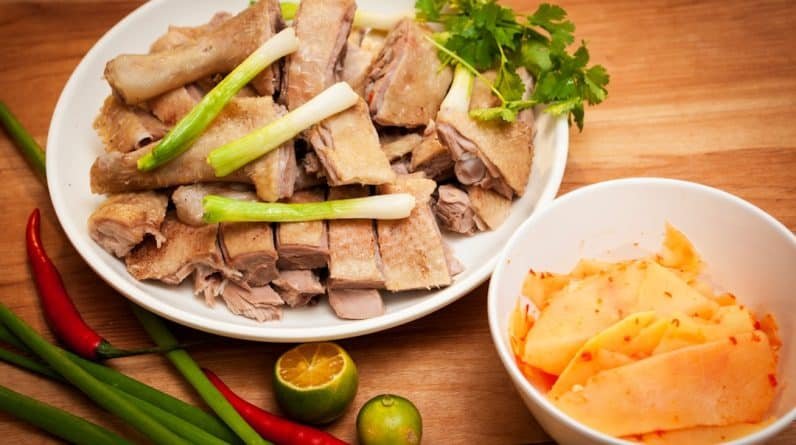
Paleo Keto is a dietary approach that combines principles from both the Paleo and ketogenic diets. At its core, it emphasizes whole, unprocessed foods that our ancestors would have consumed, while also promoting a state of ketosis through low carbohydrate intake. This means you focus on eating high-quality proteins, healthy fats, and non-starchy vegetables while significantly reducing your carbohydrate consumption.
The goal is to shift your body’s primary energy source from glucose to fat, which can lead to various health benefits. The mechanics of Paleo Keto involve restricting carbohydrates to a level that induces ketosis, a metabolic state where your body burns fat for fuel instead of carbohydrates. When you limit your carb intake, your liver converts fatty acids into ketones, which serve as an alternative energy source for your brain and body.
This shift not only helps in weight management but also stabilizes blood sugar levels, potentially reducing cravings and hunger pangs. By adhering to this diet, you may find that you feel more energized and focused throughout the day.
Key Takeaways
- Paleo Keto combines the principles of the Paleo and Keto diets, focusing on whole, unprocessed foods and high fat, low carb intake to achieve ketosis for energy.
- The Paleo Keto diet can provide sustained energy levels, mental clarity, and improved physical performance by utilizing fat as the primary fuel source.
- Foods to eat on the Paleo Keto diet include grass-fed meats, wild-caught fish, non-starchy vegetables, healthy fats, and some fruits, while processed foods, grains, and sugars should be avoided.
- Transitioning to a Paleo Keto lifestyle involves gradually reducing carbohydrate intake, increasing healthy fats, and incorporating intermittent fasting to help the body adapt to ketosis.
- Ketosis plays a key role in energy levels on the Paleo Keto diet by promoting the efficient burning of fat for fuel, leading to a steady supply of energy throughout the day.
The Benefits of Paleo Keto for Energy
One of the most significant advantages of the Paleo Keto diet is its potential to enhance your energy levels. By transitioning your body into a state of ketosis, you may experience a more stable energy supply throughout the day. Unlike the quick spikes and crashes associated with high-carb diets, the fat-burning process provides a steady stream of energy.
This can lead to improved mental clarity and focus, allowing you to tackle daily tasks with greater efficiency. Moreover, many individuals report feeling less fatigued and more vibrant after adopting the Paleo Keto lifestyle. This can be attributed to the reduction in sugar and processed foods, which often contribute to energy slumps.
Instead, by consuming nutrient-dense foods rich in healthy fats and proteins, you fuel your body with the essential nutrients it needs to function optimally. As a result, you may find yourself more motivated to engage in physical activities and pursue your passions.
Foods to Eat and Avoid on the Paleo Keto Diet

When embarking on a Paleo Keto journey, it’s crucial to understand which foods align with this dietary framework. Foods that are encouraged include grass-fed meats, wild-caught fish, eggs, avocados, nuts, seeds, and a variety of non-starchy vegetables like leafy greens, broccoli, and bell peppers. These foods are not only low in carbohydrates but also rich in essential nutrients that support overall health.
Conversely, there are several foods you should avoid on the Paleo Keto diet. This includes grains such as wheat, rice, and corn; legumes like beans and lentils; dairy products; refined sugars; and processed foods. These items can hinder your ability to enter ketosis and may lead to inflammation or digestive issues.
By focusing on whole foods and avoiding these common culprits, you set yourself up for success on your Paleo Keto journey.
How to Transition to a Paleo Keto Lifestyle
Transitioning to a Paleo Keto lifestyle can be an exciting yet challenging process. To start, it’s advisable to gradually reduce your carbohydrate intake while simultaneously increasing your healthy fat consumption. This can help ease your body into ketosis without causing drastic changes that may lead to discomfort or fatigue.
You might begin by eliminating processed foods and sugars from your diet while incorporating more whole foods. Another effective strategy is meal prepping. By planning your meals in advance, you can ensure that you have compliant options readily available, making it easier to stick to your new dietary choices.
Additionally, consider keeping a food journal to track what you eat and how you feel. This can provide valuable insights into how different foods affect your energy levels and overall well-being as you adapt to this new way of eating.
The Role of Ketosis in Energy Levels
Ketosis plays a pivotal role in enhancing energy levels on the Paleo Keto diet. When your body enters this metabolic state, it becomes highly efficient at burning fat for fuel. This not only helps in weight loss but also provides a consistent energy source that can last throughout the day.
Unlike carbohydrates, which can lead to fluctuations in blood sugar levels, ketones offer a more stable form of energy. Furthermore, many people find that being in ketosis improves their mental clarity and cognitive function. The brain thrives on ketones as an energy source, which can lead to enhanced focus and productivity.
As you continue on your Paleo Keto journey, you may notice that tasks that once felt daunting become more manageable as your energy levels stabilize.
Paleo Keto Meal Planning for Optimal Energy

Effective meal planning is essential for maintaining optimal energy levels on the Paleo Keto diet. Start by creating a weekly menu that includes a variety of protein sources such as chicken, beef, fish, and eggs. Incorporate healthy fats like olive oil, coconut oil, and avocados into your meals to ensure you’re getting enough calories while staying within your carb limits.
Don’t forget about vegetables! Fill your plate with non-starchy options like spinach, zucchini, and cauliflower to provide essential vitamins and minerals without adding excess carbohydrates. Preparing meals in bulk can also save time during busy weeks while ensuring you have nutritious options available when hunger strikes.
By being intentional about your meal planning, you can set yourself up for sustained energy throughout the day.
Incorporating Exercise into a Paleo Keto Lifestyle
Exercise is an integral part of any healthy lifestyle, including one based on the Paleo Keto diet. Engaging in regular physical activity not only complements your dietary choices but also enhances your overall well-being. As you transition into ketosis, you may find that your energy levels improve, making it easier to incorporate workouts into your routine.
Consider mixing different types of exercise to keep things interesting—strength training, cardio, yoga, or even outdoor activities like hiking can all be beneficial. Listen to your body as you adapt to this new lifestyle; some individuals may initially experience fatigue during workouts as their bodies adjust to burning fat for fuel instead of carbohydrates. However, with time and consistency, you’ll likely notice improved stamina and performance.
Tips for Sustaining Energy Levels on the Paleo Keto Diet
To sustain energy levels while following the Paleo Keto diet, it’s essential to prioritize nutrient-dense foods that provide lasting fuel. Focus on incorporating healthy fats into each meal; this could include adding avocado slices to salads or using olive oil as a dressing. Additionally, consider snacking on nuts or seeds between meals to keep hunger at bay and maintain steady energy levels.
Hydration is another critical factor in sustaining energy on this diet. Drinking plenty of water throughout the day helps support metabolic processes and can prevent feelings of fatigue or sluggishness. If you’re active or live in a hot climate, consider replenishing electrolytes through natural sources like bone broth or electrolyte-rich vegetables.
Potential Risks and Considerations of the Paleo Keto Diet
While the Paleo Keto diet offers numerous benefits, it’s essential to be aware of potential risks and considerations before diving in headfirst. One common concern is the initial adjustment period known as the “keto flu,” which can cause symptoms like fatigue, headaches, and irritability as your body adapts to burning fat for fuel instead of carbohydrates. Staying hydrated and ensuring adequate electrolyte intake can help mitigate these symptoms.
Additionally, it’s crucial to ensure you’re getting a balanced intake of nutrients while following this diet. Some individuals may struggle with deficiencies in vitamins or minerals if they don’t pay attention to their food choices. Regularly incorporating a variety of colorful vegetables and considering supplementation when necessary can help address these concerns.
Success Stories and Testimonials from Paleo Keto Practitioners
Many individuals have experienced transformative results by adopting the Paleo Keto lifestyle. Success stories often highlight significant weight loss achievements alongside improved energy levels and mental clarity. People frequently share how they’ve overcome cravings for sugar and processed foods after transitioning into ketosis, leading to healthier relationships with food.
Testimonials also emphasize the positive impact on overall health markers such as blood sugar levels and cholesterol profiles. Many practitioners report feeling more vibrant and active than ever before, allowing them to engage in activities they once found challenging or exhausting. These inspiring stories serve as motivation for those considering embarking on their own Paleo Keto journey.
Consultation with a Healthcare Professional Before Starting a Paleo Keto Diet
Before making any significant changes to your diet or lifestyle, it’s always wise to consult with a healthcare professional or registered dietitian. They can provide personalized guidance based on your individual health needs and goals while helping you navigate potential challenges associated with the Paleo Keto diet. A healthcare professional can also assist in monitoring any pre-existing conditions or medications that may be affected by dietary changes.
By seeking expert advice before starting this journey, you set yourself up for success while ensuring that you’re making informed decisions about your health and well-being. In conclusion, embracing the Paleo Keto lifestyle can lead to numerous benefits for energy levels and overall health when approached thoughtfully and intentionally. By understanding how this diet works and implementing effective strategies for meal planning and exercise, you can create a sustainable path toward improved vitality and well-being.
FAQs
What is the Paleo Keto diet?
The Paleo Keto diet combines elements of the Paleo diet, which focuses on whole, unprocessed foods, with the principles of the ketogenic diet, which emphasizes high fat, moderate protein, and low carbohydrate intake.
How does the Paleo Keto diet provide energy?
The Paleo Keto diet provides energy by encouraging the body to burn fat for fuel, a process known as ketosis. By limiting carbohydrate intake and increasing fat consumption, the body produces ketones, which serve as an alternative energy source.
What are the benefits of following a Paleo Keto diet for energy?
Some potential benefits of following a Paleo Keto diet for energy include improved mental clarity, sustained energy levels, and reduced cravings for sugary and processed foods.
What foods are allowed on the Paleo Keto diet?
Foods allowed on the Paleo Keto diet include lean meats, fish, eggs, nuts, seeds, healthy fats such as avocados and coconut oil, non-starchy vegetables, and some fruits in moderation.
Are there any potential drawbacks to the Paleo Keto diet for energy?
Some potential drawbacks of the Paleo Keto diet for energy may include initial side effects such as the “keto flu,” which can cause fatigue, headaches, and irritability as the body adjusts to using ketones for fuel. It may also be challenging to sustain in the long term for some individuals.