
Targeted Ketogenic Diet
Are you seeking a more targeted approach to the ketogenic diet? Look no further than the Targeted Ketogenic Diet (TKD). This variation of the popular low-carb, high-fat diet is designed to provide fuel for your body during intense physical activity while still maintaining ketosis.
By strategically timing your carbohydrate intake around your workouts, TKD allows you to optimize performance and recovery without sacrificing the benefits of ketosis. Discover how the Targeted Ketogenic Diet can take your fitness journey to the next level.
What is Targeted Ketogenic Diet (TKD)?
Definition
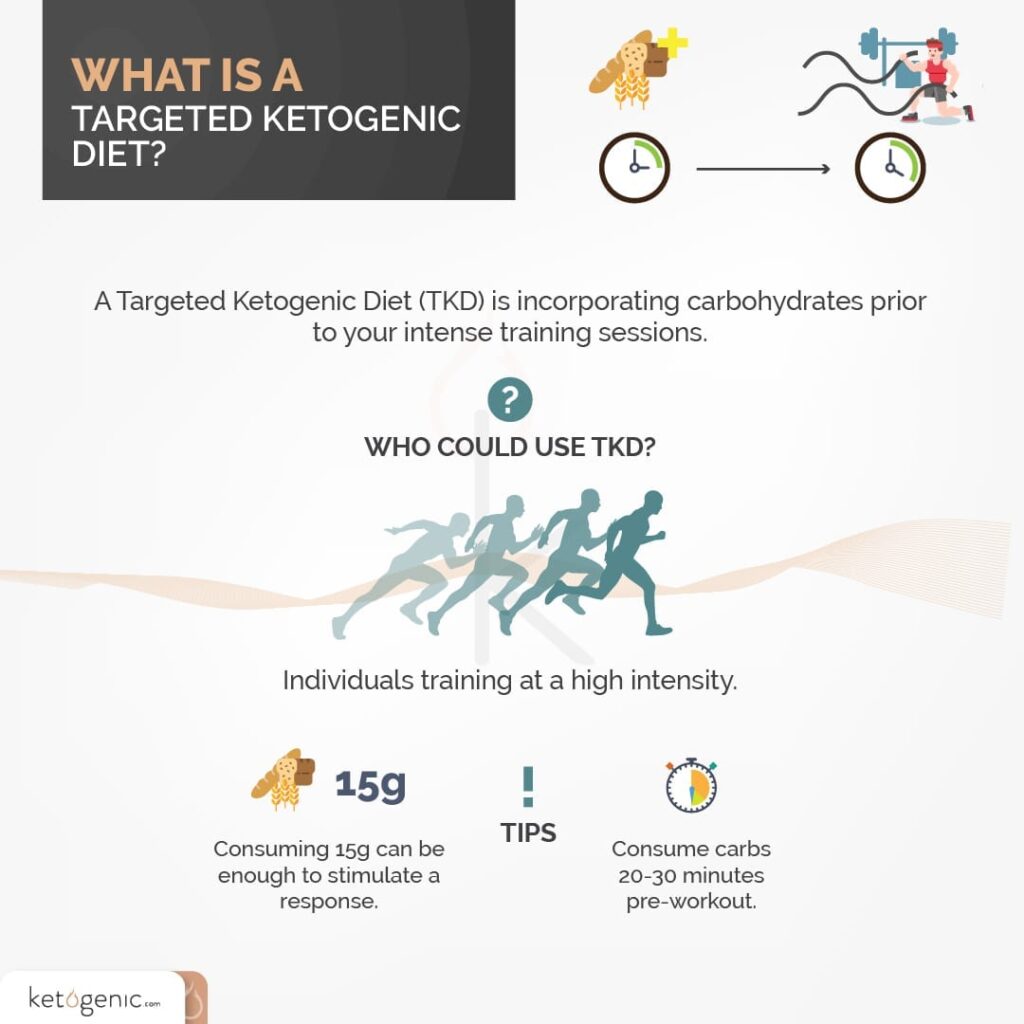
The Targeted Ketogenic Diet (TKD) is a variation of the standard ketogenic diet that involves strategically consuming carbohydrates before and after workouts to optimize performance and support muscle growth. Unlike the traditional ketogenic diet, which restricts carbohydrate intake to induce and maintain a state of ketosis, TKD allows for a small amount of carbohydrates to be consumed at specific times.
How it Works
The primary goal of TKD is to supply the body with sufficient carbohydrates to fuel intense workouts without disrupting the state of ketosis. By consuming targeted carbohydrates before and after exercise, the body can quickly utilize them for energy, while still relying on fat as its primary fuel source for the rest of the day. This approach allows individuals to experience the benefits of both ketosis and performance-enhancing carbohydrates.
Benefits
One of the key benefits of TKD is improved exercise performance. By strategically consuming carbohydrates before a workout, individuals may experience increased energy, enhanced endurance, and improved strength. This is especially beneficial for athletes and active individuals who engage in high-intensity training.
Furthermore, TKD allows for better muscle recovery and growth. The carbohydrates consumed before and after workouts provide the necessary energy to replenish glycogen stores and support muscle repair. This can result in faster recovery times, reduced muscle soreness, and improved overall muscle development.
Additionally, TKD may be beneficial for individuals seeking to lose weight. By incorporating targeted carbohydrates, individuals can maintain their energy levels during workouts, resulting in more intense and effective training sessions. This, in turn, can help promote calorie burning and fat loss.
Drawbacks
Despite the potential benefits, it is essential to consider the drawbacks of TKD. One of the main challenges is the precision required in timing carbohydrate intake. If carbohydrates are consumed too early or too late in relation to the workout, it may inhibit the body’s ability to remain in ketosis or result in suboptimal performance.
Another drawback is the risk of consuming excess carbohydrates. Overdoing the carbohydrate intake can easily lead to a calorie surplus, which may hinder weight loss efforts or even cause weight gain. Additionally, individuals may experience gastrointestinal discomfort or bloating if they consume high amounts of carbohydrates after a period of restriction.
Lastly, TKD may not be suitable for everyone, particularly those with certain medical conditions or individuals who prefer strict adherence to a standard ketogenic diet. It is always recommended to consult a healthcare professional or a registered dietitian before starting any new dietary regimen.
How to Implement Targeted Ketogenic Diet (TKD)?
Calculating Macros
Before starting TKD, it is essential to determine the appropriate macronutrient ratios for your individual needs. This can be achieved by calculating the ideal daily amounts of fat, protein, and carbohydrates to consume.
To calculate your macros, start by establishing your total daily energy expenditure (TDEE) – the number of calories your body needs to maintain its current weight. From there, adjust your macronutrient ratios based on your specific goals, such as weight loss, muscle gain, or performance enhancement.
Generally, TKD follows a high-fat, moderate-protein, and low-carbohydrate approach. Fat intake should typically account for approximately 70-80% of total calories, protein for 15-20%, and carbohydrates for 5-10%.
Choosing Targeted Carbohydrate Intake
Once the macros are calculated, the next step is determining the appropriate amount of carbohydrates to consume before and after workouts. This will vary depending on individual factors, such as activity level, intensity of workouts, and personal tolerance to carbohydrates.
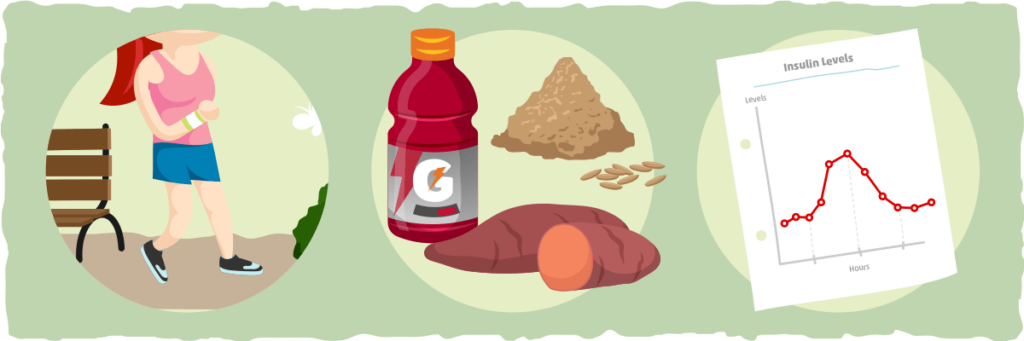
A standard recommendation is to consume 20-50 grams of easily digestible carbohydrates approximately 30-60 minutes before exercise. This can help provide a quick source of energy without causing a significant spike in blood sugar levels.
Timing of Carbohydrate Consumption
Equally important as the amount of carbohydrates is the timing of consumption. Carbohydrates should be strategically consumed before and after workouts to maximize their benefits and minimize any negative impact on ketosis.
Consuming carbohydrates before a workout helps to provide an immediate source of energy during exercise. This can be particularly beneficial for high-intensity or endurance training sessions. On the other hand, consuming carbohydrates after a workout helps replenish glycogen stores and support muscle recovery.
It is important to note that carbohydrates should be avoided during other times of the day when following a TKD, as this can potentially disrupt ketosis and hinder the benefits of the diet.
Foods to Include in a Targeted Ketogenic Diet (TKD)
Healthy Fats
When following TKD, it is essential to incorporate a variety of healthy fats into your diet. These fats provide the majority of your daily calories and help maintain a state of ketosis. Good sources of healthy fats include avocados, nuts and seeds, coconut oil, olive oil, and fatty fish like salmon or mackerel.
Protein Sources
Protein is an essential macronutrient for muscle growth and repair. Including high-quality protein sources in your TKD is necessary to support these processes. Good sources of protein include lean meats like chicken, turkey, and beef, as well as fish, eggs, and plant-based options like tofu or tempeh.
Low-Carb Vegetables
Low-carb vegetables are a valuable addition to any TKD. These vegetables are nutrient-dense, providing essential vitamins and minerals while keeping carbohydrate intake under control. Examples of low-carb vegetables include leafy greens (such as spinach and kale), cruciferous vegetables (like broccoli and cauliflower), zucchini, and asparagus.
Carbohydrate Sources
When it comes to the targeted carbohydrates in a TKD, it is essential to choose easily digestible options that provide quick energy. Good choices include fruits like berries, bananas, or apples, as well as easily digestible grains like white rice or gluten-free bread. It is crucial to select sources that fit within your calculated target carbohydrate intake.
Managing Exercise on a Targeted Ketogenic Diet (TKD)
Pre-Workout Meals
The pre-workout meal on a TKD should consist of the targeted carbohydrates mentioned earlier, along with a moderate amount of protein. The goal is to provide enough fuel to support the upcoming exercise without compromising ketosis. For example, a meal may include a piece of fruit and a small serving of lean protein, such as a chicken breast.
Post-Workout Meals
Post-workout meals are designed to replenish glycogen stores and support muscle recovery. Alongside the targeted carbohydrates, it is essential to consume an adequate amount of protein to facilitate muscle repair and growth. A meal may include a lean protein source, such as fish or tofu, paired with a serving of easily digestible carbohydrates, like white rice or sweet potatoes.
Supplements for Performance
In addition to a well-balanced diet, certain supplements can support performance in TKD. Creatine monohydrate, for instance, has been demonstrated to improve strength and power output during high-intensity workouts. Beta-alanine may also be beneficial for buffering lactic acid buildup, which can improve endurance. As with any supplement, it is best to consult with a healthcare professional before incorporating it into your routine.
Common Mistakes to Avoid on a Targeted Ketogenic Diet (TKD)
Consuming Excess Carbohydrates
One of the biggest mistakes to avoid on a TKD is consuming excessive amounts of carbohydrates. This can easily lead to an excess of calories, which may hinder weight loss efforts or cause weight gain. It is crucial to accurately measure and track carbohydrate intake to ensure it aligns with your calculated macros.
Neglecting Fat Intake
While TKD does allow for a small amount of carbohydrates, it is still essential to prioritize fat intake. Fat is the primary fuel source on a ketogenic diet, and neglecting fat consumption can result in inadequate energy levels and an inability to maintain ketosis. Incorporate healthy fats into your meals and ensure they make up the majority of your daily calories.
Improper Timing of Carbohydrate Consumption
Timing is key on a TKD, and improper timing of carbohydrate consumption can hinder its effectiveness. It is important to consume carbohydrates before and after workouts, as this is when your body can effectively utilize them for energy and muscle recovery. Avoid consuming carbohydrates at other times of the day to maintain a state of ketosis.
Is Targeted Ketogenic Diet (TKD) Suitable for Everyone?
Athletes and Active Individuals
TKD can be particularly beneficial for athletes and active individuals who engage in regular high-intensity or endurance training. The targeted carbohydrates provide a readily available energy source for these intense workouts, enabling improved performance and enhanced recovery. However, it is still essential to individualize the approach based on specific goals and needs.
Individuals with Certain Medical Conditions
While TKD can offer benefits to many individuals, it may not be suitable for everyone, particularly those with certain medical conditions. Individuals with diabetes, for example, need to carefully monitor their carbohydrate intake to manage blood sugar levels properly. Additionally, those with certain metabolic disorders or rare genetic conditions may need to follow a more controlled or medically supervised dietary approach.
It is always recommended to consult with a healthcare professional or registered dietitian before starting a TKD or making any significant changes to your diet, especially if you have any underlying health concerns.

Research and Evidence Supporting Targeted Ketogenic Diet (TKD)
Performance Enhancement
Several studies have shown that TKD can enhance athletic performance. By strategically consuming carbohydrates before a workout, individuals can experience increased energy, improved endurance, and better overall performance. This is particularly evident in high-intensity exercises, such as weightlifting, sprinting, or high-intensity interval training (HIIT).
Muscle Preservation
TKD has also been found to support muscle preservation and growth. The targeted carbohydrates help replenish glycogen stores, which are crucial for fueling muscles during workouts. Additionally, the protein consumed alongside carbohydrates supports muscle repair and growth, leading to improved muscle development and recovery.
Weight Loss
While the primary goal of TKD is not weight loss, it can still be a valuable tool for those seeking to shed excess pounds. By providing enough energy for intense workouts, TKD allows individuals to exercise at a higher intensity and potentially burn more calories. Additionally, the inclusion of carbohydrates before and after exercise may help regulate hunger and prevent overeating, supporting weight loss efforts.
Safety and Potential Side Effects of Targeted Ketogenic Diet (TKD)
Hypoglycemia
One potential side effect of TKD is the risk of hypoglycemia, or low blood sugar levels. If carbohydrates are not properly timed or if too many are consumed, it can lead to a temporary drop in blood sugar levels. This can cause symptoms such as dizziness, weakness, and confusion. It is essential to monitor blood sugar levels and adjust carbohydrate intake accordingly.
Digestive Issues
Another common side effect of TKD, and the ketogenic diet in general, is digestive issues. The sudden increase in fat intake and decrease in fiber due to carbohydrate restriction can lead to constipation, diarrhea, or other gastrointestinal discomfort. It is essential to consume adequate fiber from low-carb vegetables and stay hydrated to minimize these issues.
Electrolyte Imbalance
Following TKD, there may also be an increased risk of electrolyte imbalances. The transition to a ketogenic diet can lead to a rapid loss of water weight and electrolytes, particularly sodium, potassium, and magnesium. It is essential to ensure an adequate intake of these electrolytes through food sources or supplementation to maintain proper hydration and electrolyte balance.
The Targeted Ketogenic Diet (TKD) is a variation of the standard ketogenic diet that allows for the strategic consumption of carbohydrates before and after workouts. This approach aims to optimize performance, support muscle growth, and potentially aid in weight loss.
By calculating macros, selecting a targeted carbohydrate intake, and timing carbohydrate consumption strategically, individuals can optimize the benefits of TKD while maintaining a state of ketosis. However, it is essential to be aware of potential drawbacks and to tailor the approach to meet individual needs and goals.
Consultation with a healthcare professional or registered dietitian is recommended before starting TKD or making any significant dietary changes. With careful planning and adherence, TKD can be a valuable tool for athletes, active individuals, and those seeking to enhance their exercise performance while following a ketogenic diet.
RELATED TOPICS ABOUT Targeted Ketogenic Diet:
Tkd Diet,
Targeted Keto Diet,
Keto with Pre-workout Carbs,
Ketogenic Diet for Athletes,
Targeted Ketosis Plan,
Keto Carb Timing,
Tkd for Muscle Gain,
Targeted Keto for Workouts,
Pre-workout Carbs on Keto,
Keto and Strength Training,
Tkd for Exercise Performance,
Keto Diet for Lifting and Training,
How to Do Targeted Keto,
Targeted Keto Meal Plan,
Keto with Carb Timing,
Carb Intake Before Workout,
Keto Macros for Tkd,
Tkd Meal Prep,
Tkd for Fat Loss,
Tkd Vs Ckd,
Targeted Keto for Lean Muscle,
Tkd for Performance Enhancement,
Keto Without Strength Loss,
Fat Adaptation with Tkd,
Targeted Keto for Athletes,
Tkd for Beginners,
Tkd for Women,
Keto for Runners,
Keto for High-intensity Training,
Tkd Carb Timing Chart,
Printable Tkd Meal Planner,
Tkd Keto Guide Pdf,
Workout Nutrition on Keto,
Targeted Keto Tracker,
Weekly Tkd Plan
===========
Content 10/10/G


