Have you ever wondered how dietary choices could impact conditions like ADHD? You’re not alone in asking this. It’s fascinating to consider how the foods we eat can influence our mental well-being and cognitive functions. This article takes a detailed look into the ketogenic diet, particularly focusing on its potential effects on ADHD symptoms.

Understanding ADHD and Its Symptoms
ADHD, or Attention Deficit Hyperactivity Disorder, is a neurodevelopmental condition that affects both children and adults. It presents a variety of symptoms, which can include:
| Symptoms | Description |
|---|---|
| Inattention | Difficulty staying focused, often making careless mistakes. |
| Hyperactivity | Excessive movement, difficulty remaining still. |
| Impulsivity | Acting without thinking, interrupting others, and making decisions quickly. |
| Poor time management | Struggling to meet deadlines or manage time efficiently. |
| Emotional dysregulation | Difficulty managing feelings, which can lead to outbursts. |
Understanding these symptoms is crucial as they can greatly impact daily life, education, and social interactions. For some, traditional treatments such as behavioral therapy or medications may not yield the expected results. This leads many individuals and families to search for alternative approaches, including dietary changes.
What is the Ketogenic Diet?
The ketogenic diet, often referred to simply as “keto,” is a low-carb, high-fat diet that has gained popularity over the years for various reasons, including weight loss and its potential impact on various health conditions. The primary goal of the ketogenic diet is to shift your body’s metabolism from burning carbohydrates for energy to burning fats.
Key Principles of the Ketogenic Diet
-
Low Carbohydrate Intake: Usually limited to 20-50 grams of carbohydrates per day. This drastic reduction encourages the body to enter a metabolic state called ketosis.
-
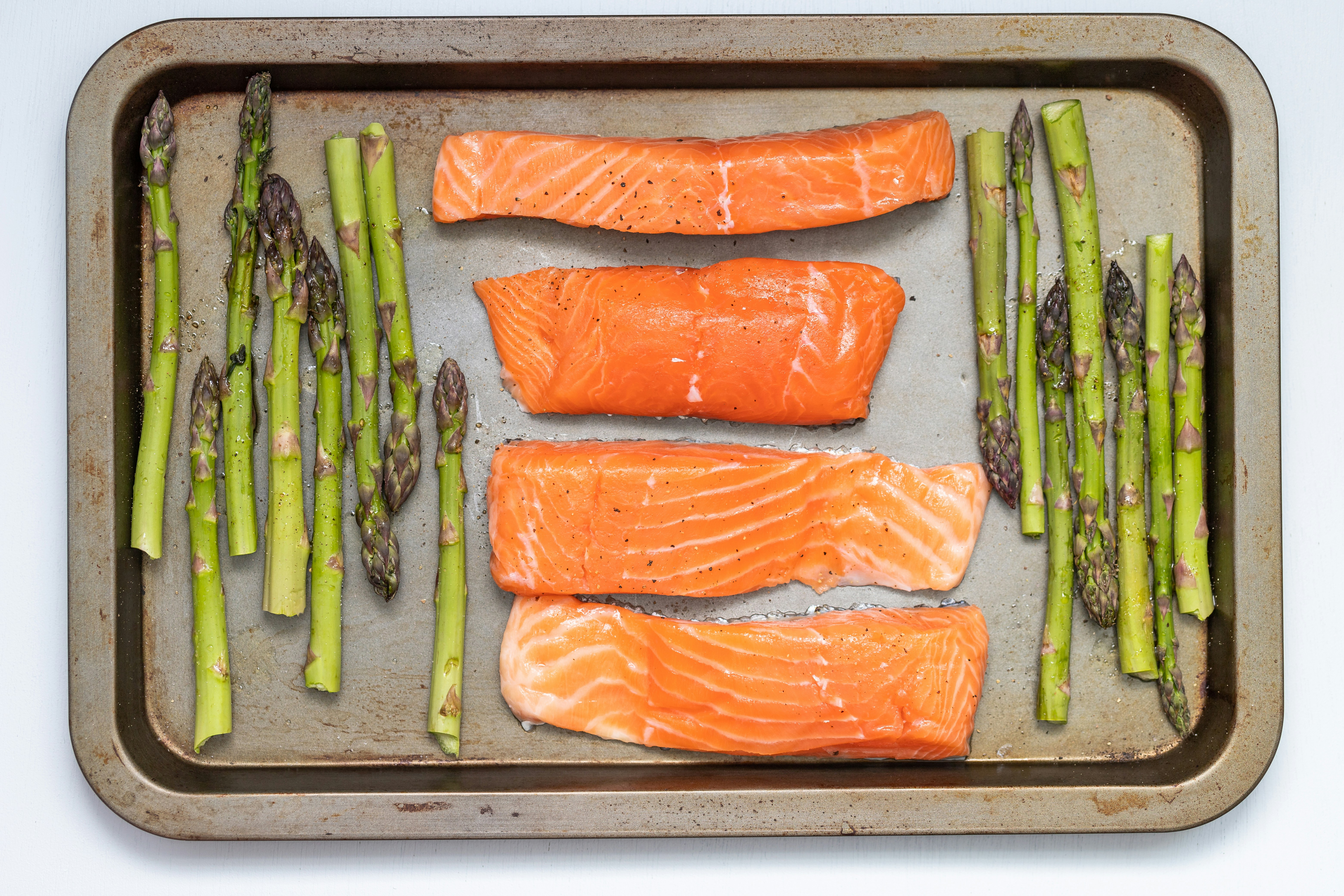
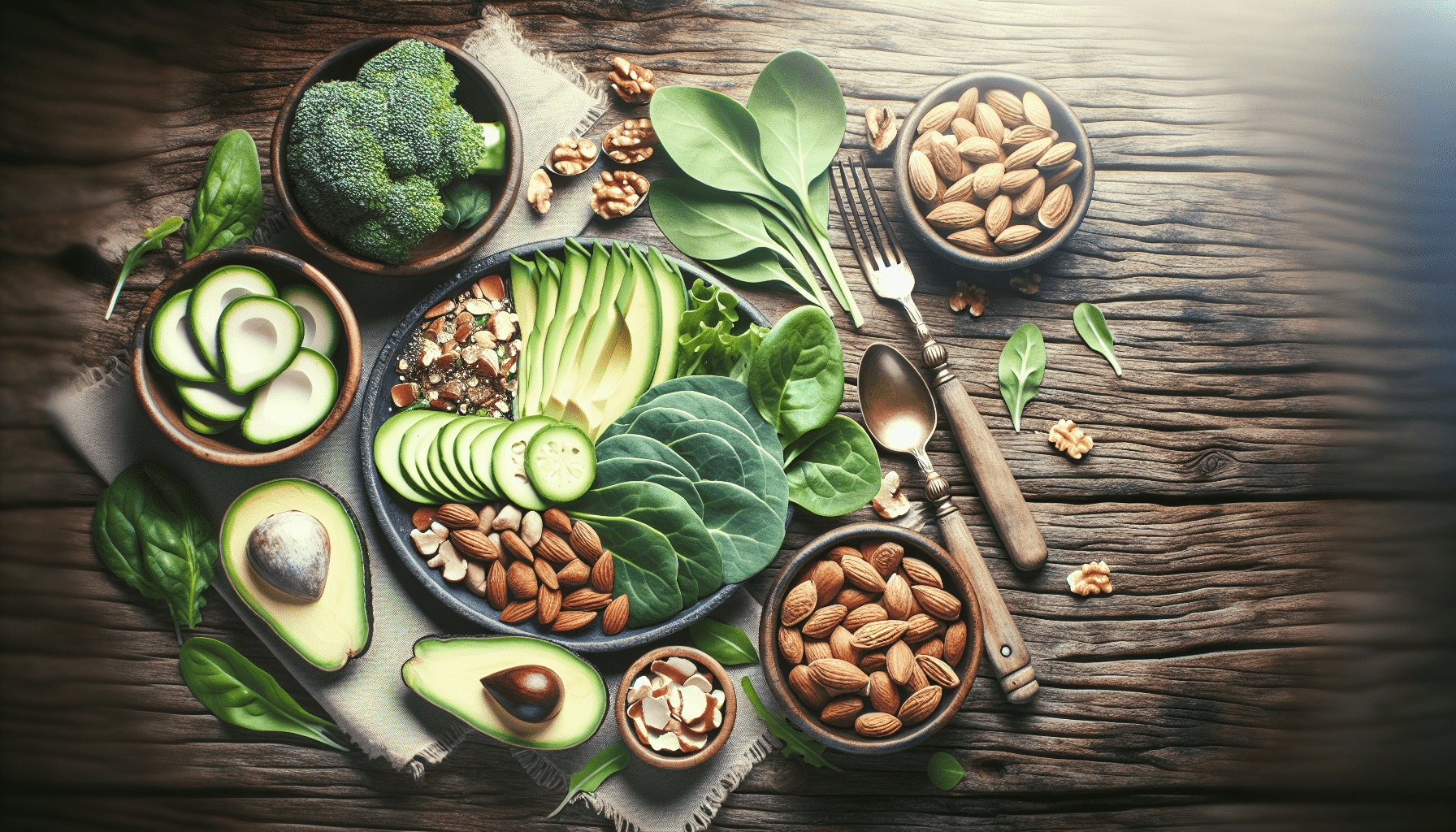
High Fat Consumption: Fats typically make up about 70-75% of your daily caloric intake. Healthy sources of fat include avocados, nuts, seeds, and olive oil.
-
Moderate Protein: While protein is essential, its intake is kept moderate to support muscle mass without kicking the body out of ketosis.
How Does Keto Work?
When you drastically reduce carbohydrate intake, your body is forced to find alternative fuel sources. As carb stores become depleted, the liver begins breaking down fats into ketones, which can supply energy.
This metabolic shift can lead to numerous benefits, such as weight loss, increased energy levels, and even improved mental clarity for some individuals.
The Connection Between Diet and ADHD
Research has suggested a link between nutrition and ADHD symptoms. Certain diets may promote better cognitive function and emotional regulation, which are essential for individuals with ADHD. Here’s what you should know about the connection.
Nutritional Deficits in ADHD Individuals
Several studies have reported that individuals with ADHD often have nutritional deficits compared to their peers. Here are some key points:
- Omega-3 Fatty Acids: Low levels of omega-3s have been associated with increased ADHD symptoms.
- Zinc and Magnesium: Deficiencies in these minerals can lead to behavioral issues.
- High Sugar Intake: Diets high in sugar have been linked to increased hyperactivity.
Considering these nutritional aspects, it’s clear that diet can play a role in managing ADHD symptoms.
How the Ketogenic Diet Might Help ADHD Symptoms
The ketogenic diet has been studied in the context of various neurological disorders, including epilepsy and Alzheimer’s disease. Recent interest has turned toward its potential benefits for ADHD. Here’s how it may help.
Stable Energy Levels
One of the noteworthy features of the ketogenic diet is its ability to provide steady energy levels. Unlike fluctuating blood sugar levels from high-carb diets, a high-fat diet can stabilize energy, which may help with focus and concentration.
Reduced Inflammation
The ketogenic diet is known for its anti-inflammatory properties. Chronic inflammation has often been suggested as a potential contributing factor to ADHD symptoms. By reducing inflammation, the diet may help improve mental clarity and emotional stability.
Neurotransmitter Balance
Diet can influence the production and balance of neurotransmitters in the brain, such as dopamine and serotonin. The ketogenic diet may assist with balancing these critical chemicals, potentially leading to an improvement in mood and behavioral regulation for individuals with ADHD.

Evidence from Studies
While more research is needed, there have been some interesting findings that suggest a connection between the ketogenic diet and improved ADHD symptoms.
Case Studies
Several case studies have reported positive outcomes for children and adults who adopted a ketogenic diet. Here’s a quick summary:
| Study | Findings |
|---|---|
| Small clinical trial in children | Reduced inattention and hyperactivity. |
| Retrospective study in adolescents | Improvement in mood and attention span. |
Further Research Needed
While these findings are promising, it is essential to note that more comprehensive studies with larger sample sizes are necessary to draw concrete conclusions.
Potential Risks and Considerations
Switching to a ketogenic diet may not be suitable for everyone, especially children. Here are some potential risks and considerations to keep in mind:
Nutritional Deficiencies
A restrictive diet can sometimes lead to nutritional imbalances. Ensuring adequate intake of essential vitamins and minerals is vital.
Ketogenic Flu
When transitioning to a ketogenic diet, some individuals may experience what is commonly referred to as “keto flu,” which can include fatigue, headaches, and irritability.
Medical Supervision
If you’re considering the ketogenic diet for ADHD management, it’s crucial to consult with a healthcare professional. A registered dietitian or a doctor can help you tailor the diet to meet your individual needs.
Tips for Starting the Ketogenic Diet
Should you decide that the ketogenic diet might be a good fit for managing ADHD symptoms, here are some friendly tips to help you get started.
Meal Planning
Planning your meals in advance helps prevent unhealthy snacking. You could try incorporating plenty of healthy fats from sources like avocados, nuts, and olive oil into your meals.
Stay Hydrated
Drink plenty of water, as the ketogenic diet can have a diuretic effect. Staying hydrated can help mitigate symptoms associated with the adjustment period.
Join a Community
Finding support from those who are also on the ketogenic journey can be incredibly motivating. Consider joining online forums or local groups where you can share experiences and tips.
Personalization is Key
Just like with any dietary approach, personalization is crucial. The ketogenic diet may work wonders for some but could be challenging for others. Everyone’s body responds differently to dietary changes, and monitoring your individual response can provide valuable insights.
Keeping a Food Diary
Maintain a food diary to record what you eat and any symptoms or improvements you notice. This can help you refine your approach as needed.
Consult with Professionals
Working with healthcare professionals ensures that you are making the best choices for your individual circumstances, especially if you have existing health conditions or concerns.
Conclusion
The ketogenic diet presents an exciting avenue for managing ADHD symptoms, with some promising evidence suggesting its potential benefits. The key factors, such as stable energy levels, reduced inflammation, and possible neurotransmitter balance, make it worth considering.
However, always remember that this journey is unique for everyone. Whether or not you decide to pursue the ketogenic diet, understanding the role of nutrition in mental health can empower you to make informed dietary choices to support your cognitive well-being and overall health.
If you’re curious about how making specific dietary adjustments could influence your day-to-day life, why not take that first step toward a healthier eating pattern? After all, you’ve got the power to affect positive change in your life by understanding the impact of what you fuel your body with!