Have you ever wondered how to navigate the world of the Keto diet and ensure your success? It can often feel overwhelming with so many options and restrictions. Fear not! This guide will provide you with a comprehensive Keto diet list designed to help you on your journey to better health.
Understanding the Keto Diet
The Ketogenic diet, often known as the Keto diet, is a low-carbohydrate, high-fat dietary plan that encourages the body to enter a metabolic state called ketosis. In ketosis, your body becomes incredibly efficient at burning fat for energy instead of relying on carbohydrates. It can be a game changer for your weight loss and overall health.
Benefits of the Keto Diet
Understanding the benefits of going Keto can ignite your motivation. Here are some key advantages:
- Weight Loss: Lower carbohydrate intake generally leads to decreased insulin levels, promoting fat burning.
- Increased Energy: After the initial transition phase, many people report heightened energy levels as their bodies rely on fat for fuel.
- Mental Clarity: Some followers notice improved focus and mental sharpness, attributed to the steady energy supply from ketones.
- Reduced Hunger: Fat is more satiating than carbohydrates, which can lead to a natural decrease in appetite.
- Stable Blood Sugar Levels: This diet can improve insulin sensitivity, making it beneficial for those managing diabetes.
Building Your Keto Diet List
Creating a Keto diet list involves knowing what foods to include and what to avoid. The key is to prioritize foods rich in healthy fats while keeping carbohydrate intake to a minimum.
Approved Keto Foods
Here’s a breakdown of foods that fit perfectly within the Keto framework:
Proteins
| Protein Source | Notes |
|---|---|
| Meat | Beef, pork, lamb, and poultry are excellent options. Choose grass-fed when possible. |
| Fish and Seafood | Salmon, sardines, and other fatty fish provide healthy omega-3 fatty acids. |
| Eggs | A versatile source of protein rich in nutrients. Opt for organic and free-range if you can. |
| Tofu and Tempeh | Great plant-based protein options, suitable for vegetarian keto. |
Fats and Oils
| Fat Source | Notes |
|---|---|
| Avocado | Packed with heart-healthy fats and other nutrients. |
| Olive Oil | A staple for cooking and dressings; choose extra virgin for the best quality. |
| Coconut Oil | Beneficial for cooking due to its high smoke point and medium-chain triglycerides. |
| Butter and Ghee | Opt for grass-fed butter for added nutrients and flavor. |
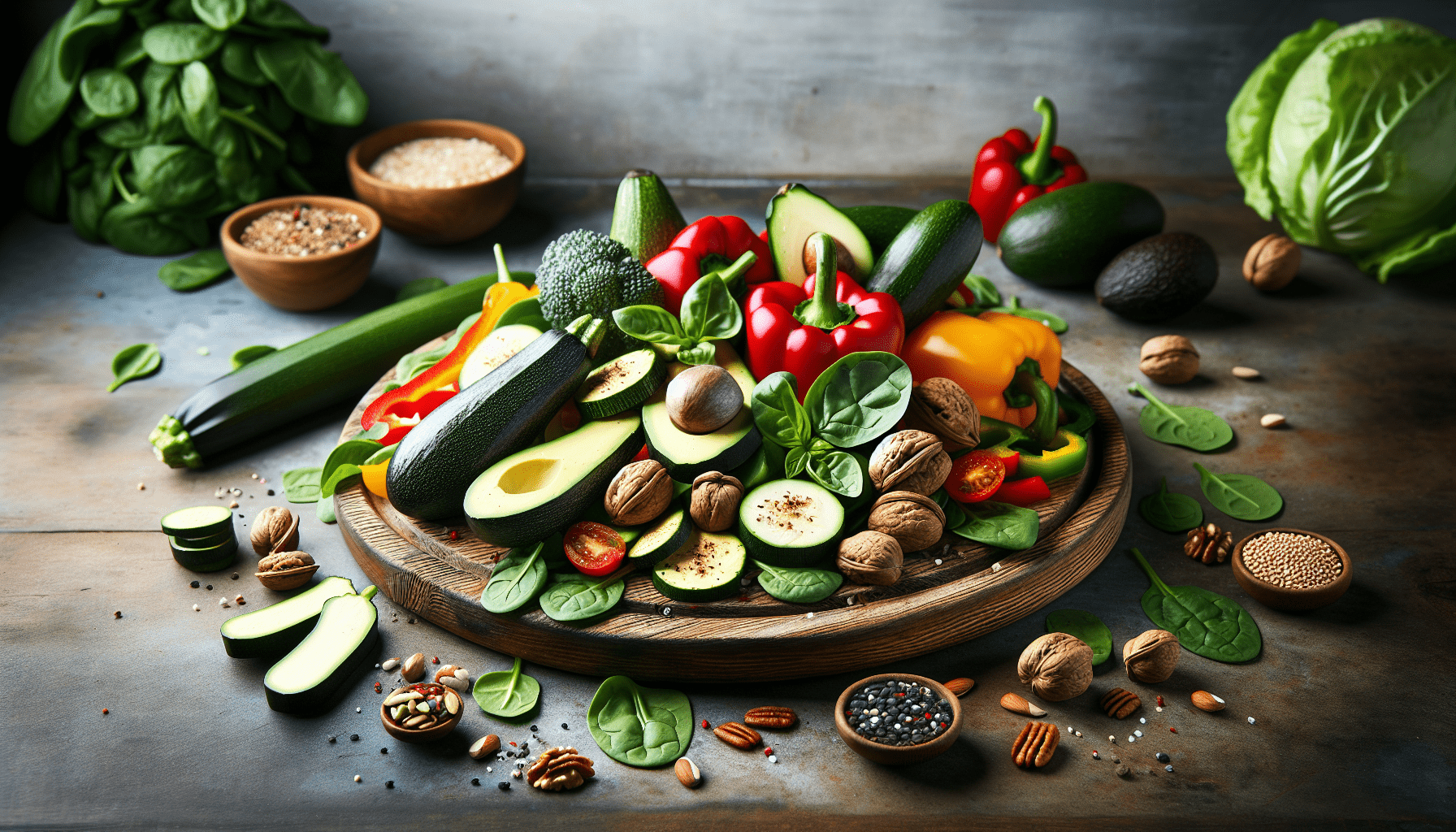
Vegetables (Low-Carb)
| Vegetable | Notes |
|---|---|
| Leafy Greens | Spinach, kale, and swiss chard are low in carbs and high in fiber. |
| Cruciferous Veggies | Broccoli, cauliflower, and Brussels sprouts help add variety and nutrients. |
| Zucchini and Squash | Great alternatives to higher-carb options like pasta and rice. |
| Peppers and Onions | Use in moderation; they add flavor without too many carbs. |
Dairy Products
| Dairy Source | Notes |
|---|---|
| Cheese | Hard cheeses like cheddar and gouda are low in carbs. |
| Heavy Cream | Perfect for coffee or culinary purposes; check for no added sugars. |
| Greek Yogurt | Choose full-fat, plain varieties for a tasty treat. |
Snacks on the Keto Diet
Maintaining your Keto lifestyle can be easier with healthy snacks on hand. Here are some great options:
- Nuts and Seeds: Almonds, walnuts, chia seeds, and flaxseeds are excellent for snacking but keep portions in check.
- Keto Bars: Look for options that are low in sugar and high in healthy fats.
- Olives: A flavorful low-carb snack, but ensure they’re low in added ingredients.
- Jerky: Opt for sugar-free beef or turkey jerky for a protein-packed treat.
Foods to Avoid
When shifting to a Ketogenic diet, it’s equally important to know what to exclude from your meals. Here’s a handy list:
High-Carb Foods
| Food | Reason to Avoid |
|---|---|
| Bread | High in carbohydrates and low nutrients. |
| Pasta | Traditional pasta is a major source of carbs. |
| Rice | A staple food that is high in carbs. |
| Sugar | Avoid all sugary snacks and desserts. |
Certain Fruits
| Fruit | Reason to Avoid |
|---|---|
| Bananas | High in natural sugar and carbs. |
| Grapes | Another fruit rich in sugars. |
| Apples | While nutritious, their carb content can add up. |
Processed Foods
| Processed Food | Reason to Avoid |
|---|---|
| Most packaged snacks | They often contain hidden sugars and preservatives. |
| Sweetened beverages | High in sugar and empty calories. |
| Condiments and sauces | Many have added sugars; check labels closely. |
Meal Planning for the Keto Diet
To ensure your success, meal planning is crucial. It helps you stay prepared and reduces the temptation to stray from your diet. Here are a few tips to get you started:
Create a Weekly Menu
Begin by designing a meal plan for the week. Consider using the following format:
| Day | Breakfast | Lunch | Dinner | Snack |
|---|---|---|---|---|
| Monday | Scrambled eggs with avocado | Chicken salad with olive oil | Grilled salmon with broccoli | Handful of almonds |
| Tuesday | Greek yogurt with nuts | Zucchini noodles with marinara | Beef stir-fry with bell peppers | Cheese slices |
| Wednesday | Smoothie with spinach and coconut milk | Taco salad (omit the tortilla) | Pork chops with asparagus | Hard-boiled eggs |
| Thursday | Omelet with spinach and cheese | Cauliflower rice bowl | Lamb chops with green beans | Celery sticks with cream cheese |
| Friday | Chia seed pudding | Lettuce wraps with turkey | Shrimp with cauliflower | Kale chips |
| Saturday | Avocado and bacon | Egg salad lettuce wraps | Grilled chicken with zucchini | Keto-friendly protein bar |
| Sunday | Frittata with vegetables | Cobb salad | Roast with veggies | Olives |
Batch Cooking
Batch cooking is a time-saver and keeps you on track. Prepare larger portions of meals and store them in the refrigerator or freezer. This approach means you always have something ready to eat that is Keto-friendly.
Tips for Eating Out
Dining out can pose challenges, but with a little strategy, you can navigate menus confidently. When opting for restaurant meals:
- Research Menus: Check out the restaurant’s menu ahead of time to find suitable options.
- Customization: Don’t hesitate to ask for modifications, like substituting fries for extra veggies.
- Avoid Sauces: Many sauces are high in sugar; opt for olive oil and vinegar for salads instead.
Staying on Track
Committing to the Keto diet can be thrilling but might also bring about challenges. Here’s how to maintain focus and make continual progress.
Track Your Progress
Keeping track of your food intake and any changes in your body can help you stay accountable. Consider using apps designed for tracking your Keto diet. These can help you:
- Monitor carb intake
- Log meals and snacks
- Track weight loss progress
Joining Support Groups
Finding a community can provide encouragement and motivation. Consider joining groups on social media or local meetups where members share tips and success stories. Connecting with others can help you overcome difficulties and celebrate your achievements together.
Addressing Keto Flu
When first transitioning into the Keto lifestyle, you might experience what’s often referred to as the “Keto flu.” This group of symptoms may include fatigue, headaches, and irritability as your body adapts. Here are some strategies to alleviate these symptoms:
- Stay Hydrated: Drink plenty of water to stay hydrated and help flush out any toxins.
- Increase Electrolytes: Ensure you’re consuming adequate sodium, potassium, and magnesium, as these minerals can help alleviate the symptoms.
- Rest: Give your body time to adjust by getting enough sleep during the transition.
Long-Term Success and Maintenance
Once you’ve adopted the Keto diet and experienced initial success, maintaining the lifestyle becomes the next focus. Here are some ideas to help keep your Keto journey sustainable.
Reassess Your Goals
Reevaluation of your goals is essential as you progress. Maybe you’ve reached your initial weight loss target, and you can now shift your focus to maintaining your health and energy levels instead of constant weight loss.
Experiment with Cyclical Keto
After you’ve established a solid routine, you can consider experimenting with cyclical Keto. This approach allows you to have periodic higher-carb days after a sustained period on the diet. It can help maintain muscle glycogen levels while still achieving fat loss.
Incorporate Exercise
Regular physical activity can complement the benefits of the Keto diet. Engaging in resistance training and cardio can enhance fat burning, improve muscle definition, and boost overall well-being. Find an exercise routine you enjoy, whether it’s weightlifting, walking, or yoga, and stick to it for better results.
Conclusion
With a little planning and dedication, you can succeed on the Keto diet while enjoying delicious foods. With the right list of approved foods, meal planning strategies, and ongoing support, your journey can be successful. Remember, it’s all about finding balance and what works best for you! Keep your focus on your goals, and don’t hesitate to reach out for help when needed. Your health is worth the effort!