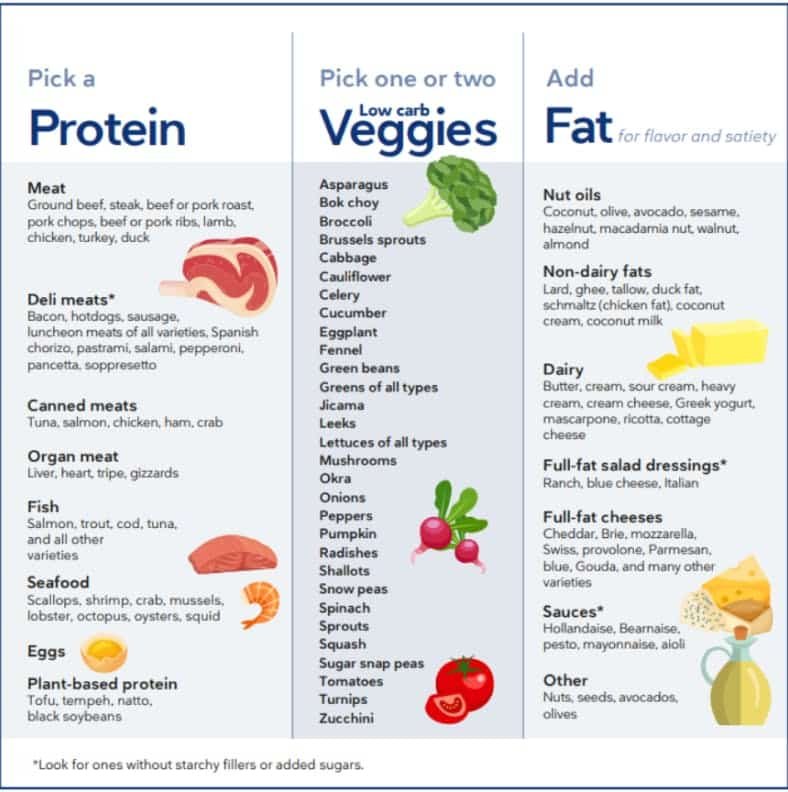
Have you ever wondered why the keto diet has gained so much attention lately? With numerous success stories and a growing community, many people are curious about what this popular diet entails. You might be considering it yourself or simply looking to enhance your understanding of its principles. Let’s unpack the basics of the keto diet together!
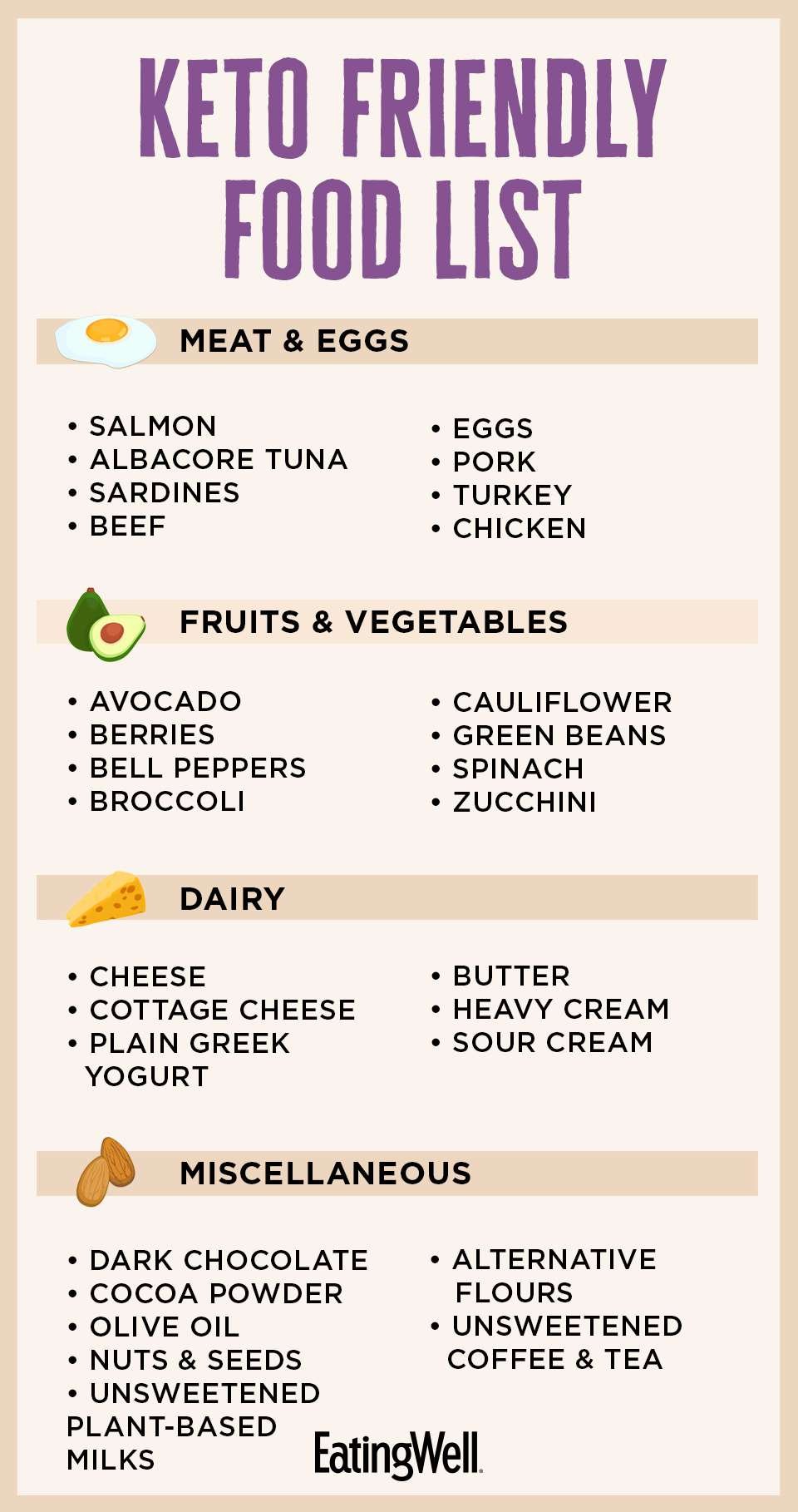
What is the Keto Diet?
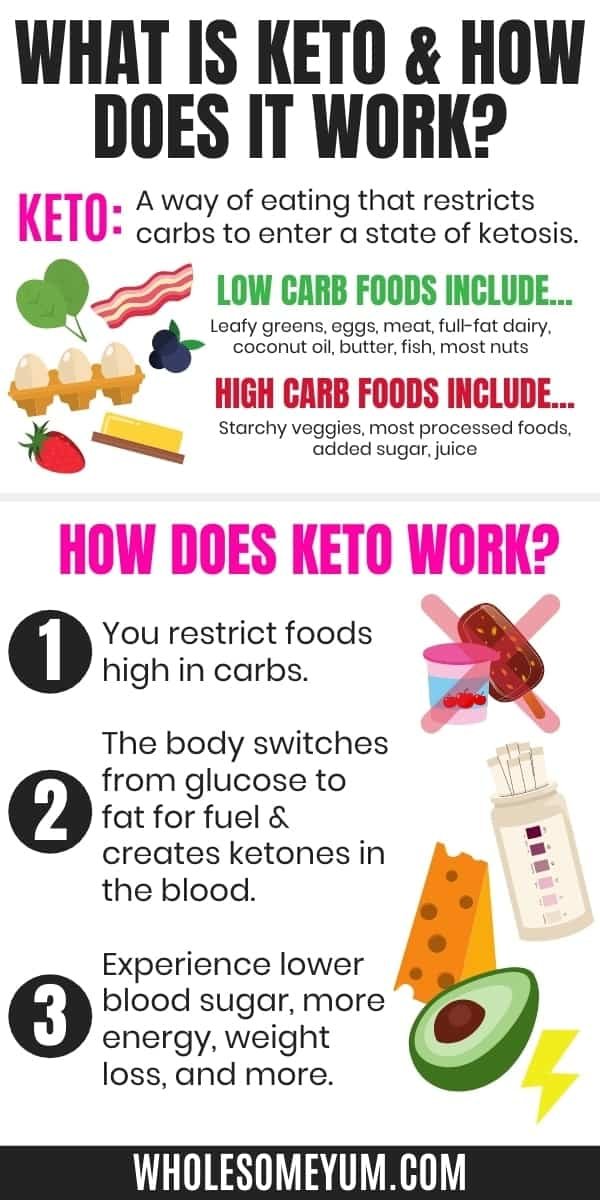
The ketogenic diet, commonly known as the keto diet, is a high-fat, low-carbohydrate diet that aims to shift your body’s metabolism away from carbohydrates and toward fats. By drastically reducing carbohydrate intake and replacing it with fat, you enter a metabolic state called ketosis, wherein your body becomes incredibly efficient at burning fat for energy.
The Science Behind Ketosis
When you consume fewer carbohydrates, your body begins to run low on glucose, which is its primary energy source. In response, the liver starts producing ketones from fat, providing an alternative fuel source. This shift doesn’t just aid in fat loss; it also helps with clarity and energy levels for many individuals.
Macronutrient Breakdown
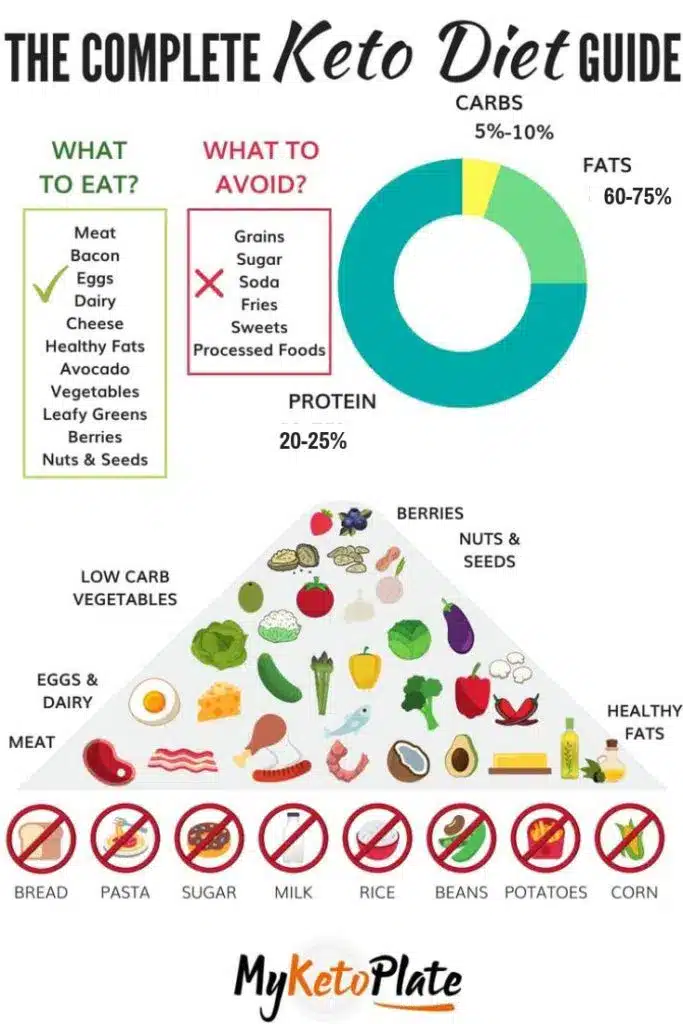
Understanding how to balance your macronutrients (carbohydrates, proteins, and fats) is crucial in following a keto diet. Here’s how a typical keto ratio looks:
| Macronutrient | Percentage of Daily Intake |
|---|---|
| Fat | 70-80% |
| Protein | 20-25% |
| Carbohydrates | 5-10% |
This breakdown allows your body to enter and maintain ketosis, promoting effective fat-burning.
Benefits of the Keto Diet
In addition to fat loss, there are several benefits associated with the keto diet that you might find interesting.
Weight Loss
One of the most prominent reasons people choose the keto diet is for weight loss. By lowering your carb intake, you naturally reduce your appetite, leading to lower caloric intake without the feeling of deprivation. Plus, when your body is in ketosis, it burns stored fat, which can result in quicker weight loss.
Improved Energy Levels
Many people report having more stable energy levels on the keto diet. Carbohydrates can cause fluctuations in blood sugar levels, leading to energy crashes. In contrast, because fat is a more stable source of energy, you can often enjoy sustained energy throughout the day.
Enhanced Mental Clarity
Some followers of the keto diet note improved mental clarity and focus. Ketones are an excellent source of energy for the brain, which may enhance cognitive function and attention.
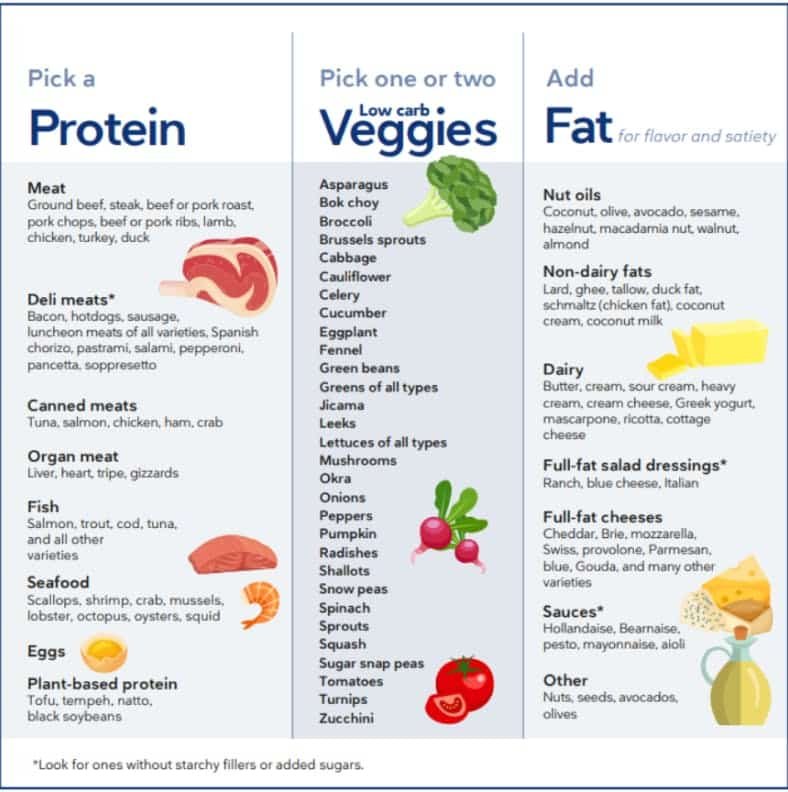
Potential Risks of the Keto Diet
While there are many benefits to the keto diet, it’s also essential to stay informed about potential risks.
Nutrient Deficiencies
Since the keto diet restricts certain food groups, there’s a risk of nutrient deficiencies, particularly in fiber, vitamins, and minerals found in fruits, vegetables, and whole grains. Therefore, it’s essential to plan your meals carefully to include diverse food sources.
Keto Flu
When transitioning into ketosis, you might experience flu-like symptoms—a phase often referred to as the “keto flu.” Symptoms can include fatigue, headache, dizziness, and irritability as your body adapts to burning fat instead of glucose.
Long-Term Sustainability
The keto diet may be challenging to maintain long-term for many people. Although it can be an effective short-term dietary strategy, consider whether this restrictive way of eating fits your lifestyle in the long run.
Meal Planning for the Keto Diet
Planning your meals is vital to successfully navigating the keto diet. It can help you stay within your macronutrient goals and avoid those tempting carbs.
Breakfast Ideas
Kickstarting your day on a high-fat note can make all the difference. Here are a few keto-friendly breakfast options:
- Avocado and Eggs: Scrambled eggs cooked in butter served with half an avocado.
- Smoothie: Spinach, unsweetened almond milk, and a scoop of protein powder blended with ice.
Lunch Options
Lunchtime can offer various delicious choices that align with your keto goals:
- Salads: Mixed greens, grilled chicken, cheese, nuts, and a high-fat dressing like olive oil or ranch.
- Zucchini Noodles: Tossed with pesto and grilled shrimp or chicken.
Dinner Dishes
Dinner can be both satisfying and fulfilling on the keto diet:
- Grilled Steak: Served with sautéed mushrooms and a side of garlic butter broccoli.
- Cauliflower Rice Stir Fry: Mixed with bell peppers, a protein of your choice, and sesame oil.
Snacking on Keto
If you find yourself needing snacks, here are a few options that fit right in:
- Nuts and Seeds: A small handful of almonds or sunflower seeds can keep you satiated.
- Cheese-Stuffed Peppers: Mini peppers stuffed with cream cheese make a delicious and convenient snack.
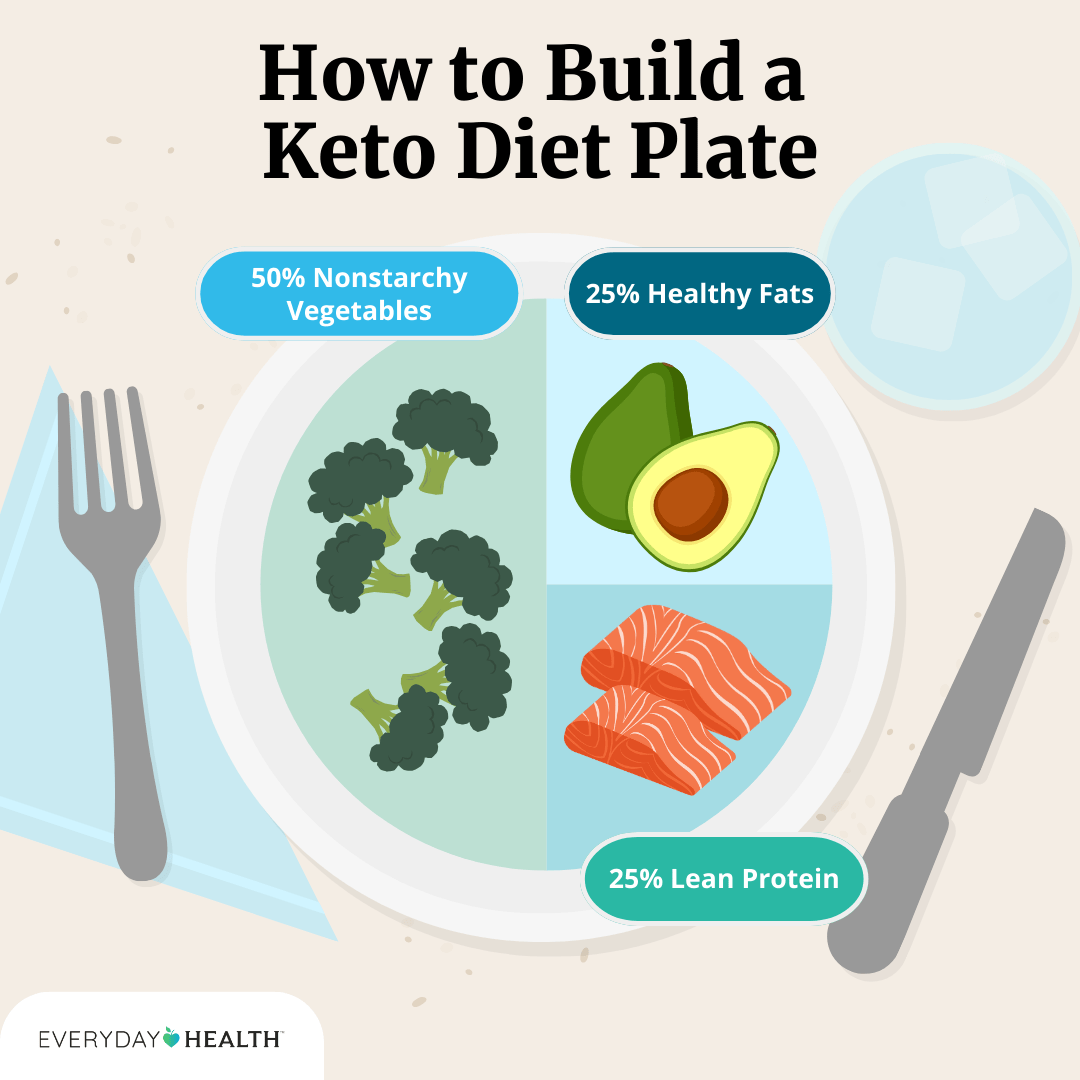
Foods to Avoid on the Keto Diet
It’s equally important to know which foods to steer clear of while on the keto diet to stay on track.
High-Carbohydrate Foods
To maintain your state of ketosis, avoiding these foods is key:
- Grains: Bread, rice, pasta, and cereals.
- Sugary Foods: Sodas, candy, pastries, and desserts.
Some Fruits and Vegetables
While many vegetables are low in carbs, some fruits are relatively high in sugar, so it’s best to limit their intake:
- Starchy Vegetables: Potatoes, corn, and peas.
- High-Sugar Fruits: Bananas, apples, and grapes.
Transitioning to a Keto Diet
If you’re considering switching to a keto lifestyle, follow these tips to make your transition smoother.
Gradual Adjustment
Instead of cutting carbs drastically overnight, gradually reduce your carbohydrate intake over the course of several days. This can help your body adjust, reducing the likelihood of the keto flu.
Stay Hydrated
Drink plenty of water as you start your keto diet. Staying hydrated can alleviate symptoms of the keto flu and help with overall well-being.
Monitor Your Macros
Tracking your macronutrient intake can help ensure you’re staying within your desired ratios. There are various apps available that make this easy to do!
The Role of Exercise in the Keto Diet
Exercise can complement the keto diet, allowing you to maximize its benefits.
Incorporating Strength Training
While any form of movement is beneficial, strength training can be particularly advantageous. Since the keto diet allows for muscle preservation while losing fat, incorporating weight lifting can help you maintain or even build muscle mass.
Cardiovascular Exercise
While you may notice that your stamina can vary at the beginning of the keto diet, cardiovascular exercises like walking or cycling are encouraged. As your body adapts to burning fat, your endurance may improve.
The Importance of Fiber on Keto
Although the keto diet is low in carbs, incorporating fiber-rich foods is still essential for digestive health.
High-Fiber Foods to Consider
- Avocados: These are not only high in fat but also provide a good amount of fiber.
- Chia and Flaxseeds: Both of these seeds are low in net carbs and high in fiber.
Supplements
If you feel that you are not getting enough fiber through your food choices, consider incorporating a fiber supplement into your routine.
Keto Diet Variations
Depending on your lifestyle and preferences, you may consider different variations of the keto diet.
Standard Ketogenic Diet (SKD)
This is the most common form of the diet, where you consume low carbs, high fat, and moderate protein.
Targeted Ketogenic Diet (TKD)
The TKD allows for extra carbs around workout times, which can be beneficial for those who engage in high-intensity exercise.
Cyclical Ketogenic Diet (CKD)
The CKD involves alternating between periods of ketosis and higher-carb days. This may be suitable for athletes or individuals looking for a balance.
Supplements for the Keto Diet
While whole foods should be your primary focus, some supplements may support your keto journey.
MCT Oil
Medium-Chain Triglycerides (MCT) oil can help increase ketone levels. It is often used in smoothies or coffee.
Electrolytes
When transitioning to a keto diet, you may experience a drop in electrolytes, which can lead to cramping and headaches. Supplementing with magnesium, potassium, and sodium can help maintain balance.
Listening to Your Body
Transitioning to a keto diet is a personal journey, and every individual’s experience will differ. It’s vital to listen to your body’s signals as you make changes— both positive and negative.
Adjustments and Flexibility
If certain aspects of the diet don’t suit your lifestyle or lead to adverse effects, it’s okay to adjust your approach. There’s no one-size-fits-all when it comes to nutrition.
Seeking Professional Guidance
If unsure about transitioning to the keto diet, seeking guidance from a healthcare professional or registered dietitian can be helpful. They can offer personalized advice and support.
Conclusion
So, you’ve learned a bit about the keto diet! While it can offer numerous benefits, becoming familiar with its principles, potential risks, and methods of implementation is key to your success. If you decide to embark on this journey, remember that it’s essential to remain flexible and attuned to your body. The ultimate goal is to find a sustainable approach to your health and wellness that aligns with your unique lifestyle and needs. Happy eating!