
Are you interested in incorporating the principles of both veganism and the ketogenic diet into your lifestyle? Look no further than the vegan ketogenic diet, a unique approach that combines the benefits of plant-based eating with the metabolic advantages of ketosis. By focusing on nutrient-rich, low-carb, and high-fat plant foods, this diet aims to promote weight loss, improve overall health, and support sustainable living choices. Discover how you can adopt this innovative dietary strategy and unlock a world of plant-powered, fat-burning potential.
What is a Vegan Ketogenic Diet
Definition and principles
A vegan ketogenic diet is a nutritional approach that combines the principles of a vegan diet and a ketogenic diet. It involves consuming plant-based foods while following a low-carbohydrate, high-fat eating plan. The diet focuses on obtaining most of its calories from healthy fats, moderate protein, and minimal carbohydrates. By restricting carbohydrates, the body is encouraged to enter a state of ketosis, where it primarily burns fats instead of glucose for energy.
Benefits of a vegan ketogenic diet
A vegan ketogenic diet offers several benefits for those who follow it. Firstly, it promotes weight loss and improved body composition. When the body is in a state of ketosis, it becomes more efficient at burning stored fat, resulting in weight loss and a reduction in body fat percentage.
Additionally, a vegan ketogenic diet has been shown to enhance insulin sensitivity. By minimizing carbohydrate intake, blood sugar levels can remain more stable, reducing the risk of insulin resistance and diabetes.
Furthermore, this diet can help reduce inflammation and oxidative stress in the body. The high consumption of healthy fats and plant-based foods rich in antioxidants can combat the effects of inflammation, protecting against chronic diseases and promoting overall wellness.
How it differs from a traditional ketogenic diet
While both diets share the goal of achieving ketosis, a vegan ketogenic diet differs from a traditional ketogenic diet in its food choices. A traditional ketogenic diet typically relies heavily on animal-based products, such as meat, eggs, and dairy. In contrast, a vegan ketogenic diet eliminates all animal-based products and focuses on plant-based proteins, healthy fats, and low-carb vegetables.
By adopting a vegan approach, individuals on a ketogenic diet can still meet their nutritional needs while avoiding the potential health risks associated with high intake of animal products. This makes the vegan ketogenic diet a more sustainable and environmentally friendly choice for those who follow a plant-based lifestyle.
Key Components of a Vegan Ketogenic Diet
Plant-based protein sources
When following a vegan ketogenic diet, it is important to consume adequate amounts of protein from plant-based sources. Some examples of plant-based proteins include tofu, tempeh, seitan, legumes (in moderation), nuts, and seeds. These protein sources not only provide essential amino acids but also contain beneficial nutrients such as fiber, vitamins, and minerals.
To ensure a balanced protein intake, it is recommended to include a variety of plant-based proteins in meals and snacks throughout the day. This can help meet your protein needs and support overall health while following a vegan ketogenic diet.
Healthy fats for a vegan ketogenic diet
As with any ketogenic diet, healthy fats are a crucial component of a vegan ketogenic diet. By replacing carbohydrates with fats, the body enters a state of ketosis and utilizes fat as its primary source of fuel. Good sources of healthy fats for a vegan ketogenic diet include avocados, coconut products (such as coconut oil, coconut milk, and shredded coconut), nuts, seeds, and their respective oils.
These fats not only provide energy but also play a role in hormone production, brain function, and cell health. Incorporating these healthy fats into your meals and snacks can help you reach your macronutrient goals and support overall well-being.
Low-carb vegetables and fruits
While the main focus of a vegan ketogenic diet is on fats and proteins, it is essential to include low-carbohydrate vegetables and fruits as well. These plant-based foods provide essential vitamins, minerals, and antioxidants while keeping carbohydrate intake in check.
Some examples of low-carb vegetables include leafy greens (such as kale, spinach, and Swiss chard), cruciferous vegetables (such as broccoli, cauliflower, and Brussels sprouts), and zucchini. These vegetables are not only low in carbohydrates but also high in fiber, which aids digestion and promotes feelings of fullness.
In terms of fruits, low-carb options include berries (such as strawberries, blueberries, and raspberries) and avocados. These fruits contain fewer carbohydrates compared to other fruits, making them suitable choices for a vegan ketogenic diet.
Designing a Vegan Ketogenic Meal Plan
Calculating macronutrient ratios
To ensure a successful vegan ketogenic diet, it is important to calculate and track your macronutrient ratios. The typical macronutrient breakdown for a vegan ketogenic diet is approximately 70-75% fat, 20-25% protein, and 5-10% carbohydrates.
To calculate your macronutrient ratios, you can use online calculators or consult a registered dietitian. It is important to customize your macronutrient ratios based on your individual needs and goals.
Finding vegan substitutes for popular high-carb foods
One of the challenges of following a vegan ketogenic diet is finding suitable substitutes for popular high-carb foods. Luckily, there are plenty of plant-based alternatives available.
For example, instead of wheat-based pasta, you can opt for vegetable noodles made from zucchini or spaghetti squash. Cauliflower can be transformed into “rice” or used as a pizza crust. Nutritional yeast and tofu can be used to create vegan cheese alternatives. By experimenting with different ingredients and recipes, you can find satisfying alternatives to high-carb foods while adhering to a vegan ketogenic diet.
Meal planning tips for success
Meal planning is key to maintaining a vegan ketogenic diet successfully. Here are some tips to help you get started:
-
Plan your meals in advance: Take some time each week to plan your meals and create a shopping list. This will ensure you have all the necessary ingredients on hand and prevent relying on unhealthy convenience foods.
-
Batch cook and meal prep: Prepare larger batches of meals and snacks that can be portioned out and stored for later use. This will save you time throughout the week and provide balanced options when hunger strikes.
-
Include a variety of foods: Aim to incorporate a diverse range of plant-based proteins, healthy fats, and low-carb vegetables into your meals. This will provide a wide array of nutrients and prevent dietary monotony.
-
Stay organized with meal tracking: Keep a record of your meals and snacks to track your macronutrient intake accurately. This will help you stay on track with your vegan ketogenic diet goals.
By following these meal planning tips, you can set yourself up for success and make a vegan ketogenic diet more manageable and enjoyable.
Health Benefits of a Vegan Ketogenic Diet
Weight loss and improved body composition
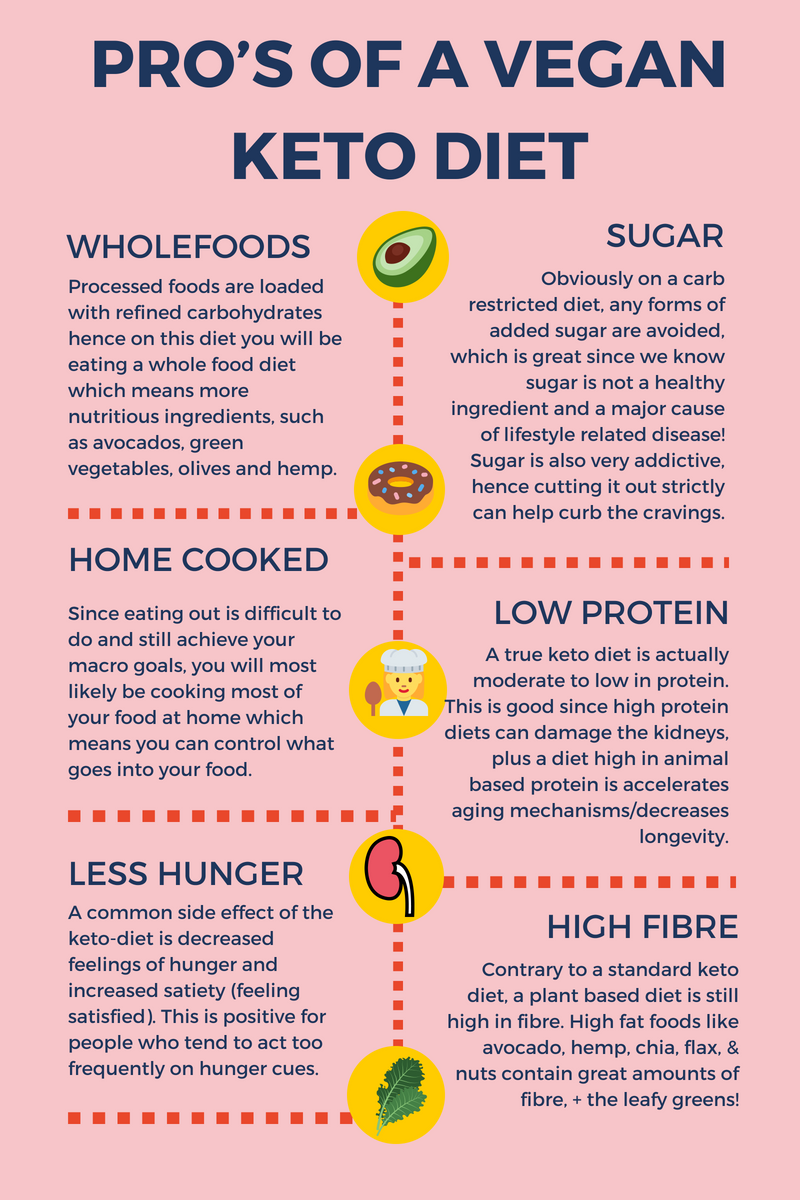
One of the most significant health benefits of a vegan ketogenic diet is weight loss and improved body composition. By reducing carbohydrate intake and promoting ketosis, the body becomes more efficient at burning stored fat. This can lead to noticeable weight loss and a decrease in body fat percentage.
Additionally, a vegan ketogenic diet encourages the consumption of whole, nutrient-dense foods. This can promote satiety, reduce unnecessary snacking, and support portion control, all contributing factors to weight loss and improved body composition.
Enhanced insulin sensitivity
Insulin sensitivity refers to how effectively the body’s cells respond to insulin, a hormone that regulates blood sugar levels. High carbohydrate intake can lead to insulin resistance, which is a risk factor for type 2 diabetes and other metabolic conditions.
A vegan ketogenic diet, with its low-carbohydrate approach, can improve insulin sensitivity by reducing the demand for insulin and promoting stable blood sugar levels. This can help prevent the onset of insulin resistance and support overall metabolic health.
Reduced inflammation and oxidative stress
Inflammation and oxidative stress are underlying factors in many chronic diseases, including heart disease, cancer, and neurodegenerative disorders. A vegan ketogenic diet rich in plant-based foods and healthy fats can help reduce inflammation and oxidative stress in the body.
By minimizing the intake of processed foods and focusing on whole, nutrient-dense foods, individuals on a vegan ketogenic diet can benefit from the anti-inflammatory and antioxidative properties of these foods. This can lead to a decreased risk of chronic diseases and improved overall health.
Challenges and Considerations
Getting enough protein and essential nutrients
One of the main challenges of a vegan ketogenic diet is ensuring you meet your protein and essential nutrient needs. Since the diet restricts animal-based foods, it is essential to carefully select a wide range of plant-based proteins to ensure you are getting all essential amino acids.
To optimize protein intake, include a combination of protein-rich plant foods such as tofu, tempeh, legumes (in moderation), nuts, and seeds. Additionally, consider incorporating plant-based protein powders or fortified food products to supplement your protein intake if needed.
Potential vitamin and mineral deficiencies
Following a vegan ketogenic diet may increase the risk of certain nutrient deficiencies, such as vitamin B12, iron, zinc, and calcium. Vitamin B12 is especially challenging to obtain from plant foods, as it is primarily found in animal products.
To address potential deficiencies, consider incorporating fortified foods or supplements to ensure adequate intake of these crucial vitamins and minerals. Regular blood tests and consultation with a registered dietitian or healthcare provider can help identify and address any nutrient deficiencies.
Potential negative effects on gut health
High-fat diets, including the vegan ketogenic diet, may alter the composition of the gut microbiota. While more research is needed, there is a possibility that a vegan ketogenic diet could negatively impact gut health in some individuals.
To support optimal gut health, focus on incorporating fiber-rich foods, such as low-carb vegetables and fruits, into your diet. These foods can provide prebiotic fibers that nourish the beneficial gut bacteria and promote a healthy gut microbiome.
Foods to Eat on a Vegan Ketogenic Diet
Nuts and seeds
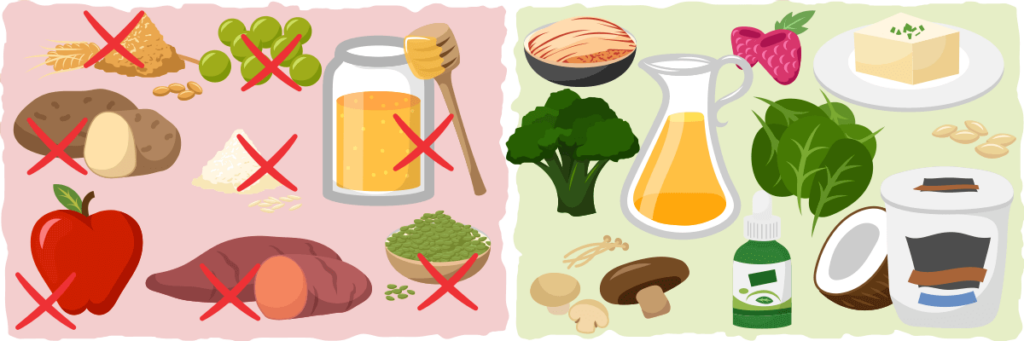
Nuts and seeds are excellent sources of healthy fats, protein, and fiber, making them ideal for a vegan ketogenic diet. Some examples of nuts and seeds that can be enjoyed on this diet include almonds, walnuts, chia seeds, flaxseeds, and hemp seeds.
These foods can be eaten as standalone snacks, added to dishes for extra crunch and texture, or blended into spreads and sauces. They provide essential nutrients and add delicious flavor to your vegan ketogenic meals.
Avocado and coconut products
Avocado and coconut products are rich in healthy fats and offer a creamy, satisfying texture to meals. Avocado is a great source of monounsaturated fats, which can help support heart health. Coconut products, such as coconut oil and coconut milk, provide medium-chain triglycerides (MCTs) that are easily converted into ketones for energy.
Both avocados and coconut products can be used in various ways, from salad dressings and smoothies to baked goods and savory dishes. These versatile ingredients are staples in a vegan ketogenic diet and can add both nutrition and taste to your meals.
Leafy greens and cruciferous vegetables
Leafy greens and cruciferous vegetables should be prominently featured in a vegan ketogenic diet. These vegetables are low in carbohydrates and rich in fiber, vitamins, minerals, and antioxidants.
Include a variety of leafy greens such as kale, spinach, and Swiss chard, as well as cruciferous vegetables like broccoli, cauliflower, and Brussels sprouts. These vegetables can be enjoyed raw in salads, sautéed, roasted, or incorporated into a wide range of vegan ketogenic recipes.
Foods to Avoid on a Vegan Ketogenic Diet
High-carb fruits and starchy vegetables
While there are some fruits and vegetables that are suitable for a vegan ketogenic diet, others should be limited or avoided due to their higher carbohydrate content. High-carb fruits, such as bananas, grapes, and mangos, should be consumed in moderation or excluded altogether.
Similarly, starchy vegetables like potatoes, sweet potatoes, and corn are best minimized or eliminated from a vegan ketogenic diet due to their higher carbohydrate content. Instead, focus on consuming lower-carb options like leafy greens, cruciferous vegetables, and avocados.
Legumes and grains
Legumes, including beans, lentils, and chickpeas, as well as grains like rice, oats, and quinoa, are higher in carbohydrates and should be restricted on a vegan ketogenic diet.
While legumes and grains can provide valuable nutrients, they can also interfere with the body’s ability to achieve and maintain ketosis. However, if you choose to include these foods, opt for smaller portions and monitor their impact on your ketone levels and overall progress.
Processed and packaged foods
Processed and packaged foods, regardless of their vegan status, should be avoided on a vegan ketogenic diet. These foods often contain additives, preservatives, and high levels of added sugars or unhealthy fats.
To maintain optimal health and achieve your desired results, focus on consuming whole, unprocessed plant-based foods as much as possible. Preparing meals from scratch using fresh and natural ingredients ensures you have full control over the nutritional content and quality of your meals.
Vegan Keto-Friendly Recipes
Nutty Vegan Keto Breakfast Bowl
Ingredients:
- 1/4 cup chia seeds
- 1 cup unsweetened almond milk (or any non-dairy milk)
- 2 tablespoons almond butter
- 1 tablespoon hemp hearts
- 1 tablespoon chopped nuts (such as almonds or walnuts)
- 1 tablespoon unsweetened shredded coconut
- 1/4 cup mixed berries (such as strawberries, blueberries, and raspberries)
- Optional: drizzle of sugar-free maple syrup or stevia for sweetness
Instructions:
- In a bowl, mix chia seeds and almond milk. Let it sit for 10-15 minutes to allow the chia seeds to absorb the liquid and form a pudding-like consistency.
- Stir in almond butter, hemp hearts, chopped nuts, and shredded coconut.
- Top with mixed berries and drizzle with sugar-free maple syrup or stevia if desired.
- Enjoy as a nutritious and satisfying vegan ketogenic breakfast bowl!
Roasted Vegetable and Avocado Salad
Ingredients:
- 2 cups mixed salad greens
- 1 cup roasted vegetables (such as cauliflower, broccoli, and Brussels sprouts)
- 1/2 avocado, sliced
- 2 tablespoons extra virgin olive oil
- 1 tablespoon apple cider vinegar
- 1 teaspoon dijon mustard
- Salt and pepper to taste
Instructions:
- In a large bowl, combine mixed salad greens, roasted vegetables, and avocado slices.
- In a separate small bowl, whisk together the extra virgin olive oil, apple cider vinegar, dijon mustard, salt, and pepper to make a simple dressing.
- Drizzle the dressing over the salad and toss gently to coat all the ingredients.
- Serve as a hearty and flavorful vegan ketogenic salad.
Coconut Curry Cauliflower Rice
Ingredients:
- 1 head cauliflower, grated or pulsed into “rice” using a food processor
- 1 tablespoon coconut oil
- 1 small onion, diced
- 2 cloves garlic, minced
- 1 teaspoon curry powder
- 1/2 teaspoon turmeric
- 1/4 teaspoon cumin
- 1/4 teaspoon paprika
- 1/2 cup full-fat coconut milk
- Salt and pepper to taste
- Fresh cilantro for garnish
Instructions:
- Heat coconut oil in a large skillet over medium heat.
- Add diced onion and minced garlic to the skillet and sauté until fragrant and translucent.
- Add grated cauliflower, curry powder, turmeric, cumin, and paprika to the skillet. Stir well to evenly distribute the spices.
- Pour in the coconut milk and reduce the heat to low. Stir occasionally and cook until the cauliflower rice is tender, approximately 10 minutes.
- Season with salt and pepper to taste.
- Garnish with fresh cilantro and serve as a flavorful side dish or the main course for a vegan ketogenic meal.

Supplements to Consider on a Vegan Ketogenic Diet
B12 supplementation
Vitamin B12 is primarily found in animal-based foods, making it essential for vegans to consider supplementation. A vegan ketogenic diet further limits potential sources of this vitamin, so it is crucial to ensure adequate intake through supplementation.
Look for vitamin B12 supplements derived from non-animal sources, such as cyanocobalamin or methylcobalamin. The recommended dosage may vary, so consult with a healthcare professional for personalized advice.
Omega-3 fatty acids
Omega-3 fatty acids, specifically EPA and DHA, are typically abundant in fish but less prevalent in plant-based foods. To ensure sufficient intake of these essential fatty acids, consider incorporating plant-based omega-3 sources.
Algal oil, made from algae, is an excellent vegan source of EPA and DHA. Additionally, flaxseeds, chia seeds, and walnuts contain alpha-linolenic acid (ALA), which can be converted into EPA and DHA in the body, although conversion efficiency may vary.
Electrolyte replenishment
During the transition to a vegan ketogenic diet, some individuals may experience an electrolyte imbalance due to the diuretic effect of ketosis. To replenish electrolytes and support optimal hydration, consider adding electrolyte supplements or consuming electrolyte-rich foods.
Drinking coconut water, adding a pinch of sea salt to meals, or using electrolyte powders can help restore electrolyte balance and prevent potential side effects, such as muscle cramps or fatigue.
Tips for Success on a Vegan Ketogenic Diet
Gradually transition to a vegan ketogenic diet
Transitioning to a vegan ketogenic diet can be challenging, but taking it slowly can increase your chances of success. Start by gradually reducing your carbohydrate intake and increasing your consumption of healthy fats and plant-based proteins. This will allow your body to adapt and minimize potential side effects of the transition.
Stay hydrated and mindful of sodium intake
Adequate hydration is crucial for overall health and well-being, especially on a vegan ketogenic diet. As the body becomes more efficient at burning fat, it releases stored water, leading to increased urine output. Stay hydrated by drinking plenty of water throughout the day and incorporating hydrating foods like cucumbers and watermelon into your meals.
Additionally, be mindful of your sodium intake. Due to the diuretic effect of ketosis, individuals on a vegan ketogenic diet may need to consume slightly more sodium to maintain electrolyte balance. Include natural sources of sodium, such as sea salt and celery, in your meals to support hydration.
Listen to your body’s hunger and fullness cues
When embarking on a vegan ketogenic diet, it is important to listen to your body’s hunger and fullness cues. This diet may initially involve a period of adjustment as the body adapts to using fat for fuel instead of carbohydrates.
Pay attention to your body’s signals and eat when you are hungry, but also be mindful of portion sizes to ensure you are not overeating. By tuning in to your body’s needs, you can nourish yourself appropriately and support your vegan ketogenic lifestyle.
In conclusion, a vegan ketogenic diet combines the principles of a vegan diet and a ketogenic diet, offering a unique approach to nutrition and health. By incorporating plant-based proteins, healthy fats, and low-carb vegetables, individuals can achieve the benefits of ketosis while adhering to a compassionate and sustainable lifestyle. With careful meal planning, supplementation, and awareness of potential challenges, a vegan ketogenic diet can be a transformative and nourishing way of eating.


