When you first hear about the ketogenic diet, it may seem like just another trendy eating plan. However, at its core, the keto diet is a low-carbohydrate, high-fat diet designed to shift your body’s metabolism from burning glucose to burning fat. This metabolic state is known as ketosis, and it is the cornerstone of the keto diet.
By drastically reducing your carbohydrate intake and replacing it with fat, you encourage your body to enter this state, where it becomes incredibly efficient at burning fat for energy. To embark on this journey, you need to familiarize yourself with the fundamental principles of the keto diet.
This significant reduction in carbs forces your body to adapt to a new source of fuel. As you begin to limit your carb intake, you may experience a range of physical and mental changes as your body adjusts to this new way of eating. Understanding these basics will help you navigate the challenges and benefits that come with adopting a ketogenic lifestyle.
Key Takeaways
- The keto diet focuses on high fat, moderate protein, and low carb intake to achieve ketosis.
- The macronutrient ratio for the keto diet is typically 70-75% fat, 20-25% protein, and 5-10% carbs.
- Ketosis is a metabolic state where the body burns fat for fuel instead of carbohydrates, leading to weight loss.
- High-fat foods like avocados, nuts, and oils are essential for providing energy and satiety on the keto diet.
- Low-carb foods such as leafy greens, non-starchy vegetables, and berries are important for maintaining ketosis and controlling blood sugar levels.
The Importance of Macronutrient Ratios in Keto
As you delve deeper into the keto diet, you’ll quickly realize that macronutrient ratios play a crucial role in its effectiveness. The specific balance of fats, proteins, and carbohydrates is what sets the keto diet apart from other dietary approaches. By adhering to the recommended ratios, you can ensure that your body remains in ketosis, allowing for optimal fat burning and energy production.
This is not just about cutting carbs; it’s about strategically increasing your fat intake while moderating protein consumption. Getting these ratios right can be a bit of a balancing act. You might find yourself meticulously tracking your food intake at first, which can feel overwhelming.
However, as you become more familiar with the types of foods that fit into your keto lifestyle, this process will become second nature. You’ll learn to identify high-fat foods that are low in carbs and understand how to incorporate them into your meals without exceeding your daily carbohydrate limit. This knowledge empowers you to make informed choices that align with your dietary goals.
The Role of Ketosis in the Keto Diet

Ketosis is the metabolic state that defines the ketogenic diet. When you significantly reduce your carbohydrate intake, your body eventually runs out of glycogen stores and begins to look for alternative energy sources. This is where ketosis comes into play.
In this state, your liver converts fatty acids into ketones, which serve as an alternative fuel source for your brain and body. Understanding how ketosis works is essential for anyone looking to succeed on the keto diet. Entering ketosis can take anywhere from a few days to a couple of weeks, depending on various factors such as your previous diet and activity level.
During this transition period, you may experience symptoms commonly referred to as the “keto flu,” which can include fatigue, headaches, and irritability. However, these symptoms are usually temporary and indicate that your body is adjusting to its new fuel source. Once you are fully in ketosis, many people report increased energy levels, improved mental clarity, and reduced hunger cravings—benefits that make the initial challenges worthwhile.
Incorporating High-Fat Foods in the Keto Diet
One of the most enjoyable aspects of the keto diet is the freedom to indulge in high-fat foods that are often considered off-limits in other diets. Foods like avocados, nuts, seeds, olive oil, and fatty cuts of meat become staples in your kitchen. These foods not only provide essential nutrients but also help keep you satiated throughout the day.
As you explore different high-fat options, you’ll discover a world of flavors and textures that can make your meals both satisfying and delicious. Incorporating these high-fat foods into your daily routine can be both fun and creative. You might experiment with recipes that feature creamy sauces or rich dressings made from healthy fats.
For instance, whipping up a homemade avocado dressing or using coconut milk in your smoothies can elevate your meals while keeping them aligned with your dietary goals. The key is to embrace these high-fat options and view them as allies in your journey toward better health.
The Significance of Low-Carb Foods in the Keto Diet
While high-fat foods are essential for the keto diet, low-carb foods are equally important in maintaining ketosis. You’ll need to be mindful of the carbohydrates you consume, focusing on non-starchy vegetables and low-sugar fruits. Leafy greens like spinach and kale, cruciferous vegetables like broccoli and cauliflower, and berries such as strawberries and raspberries are excellent choices that provide essential vitamins and minerals without pushing you over your carb limit.
As you navigate low-carb options, it’s crucial to read labels and be aware of hidden sugars in processed foods. Many seemingly healthy snacks can contain surprising amounts of carbohydrates that could hinder your progress on the keto diet. By prioritizing whole foods and preparing meals from scratch whenever possible, you can better control your carb intake while enjoying a diverse range of flavors and nutrients.
The Impact of Moderate Protein Consumption in Keto
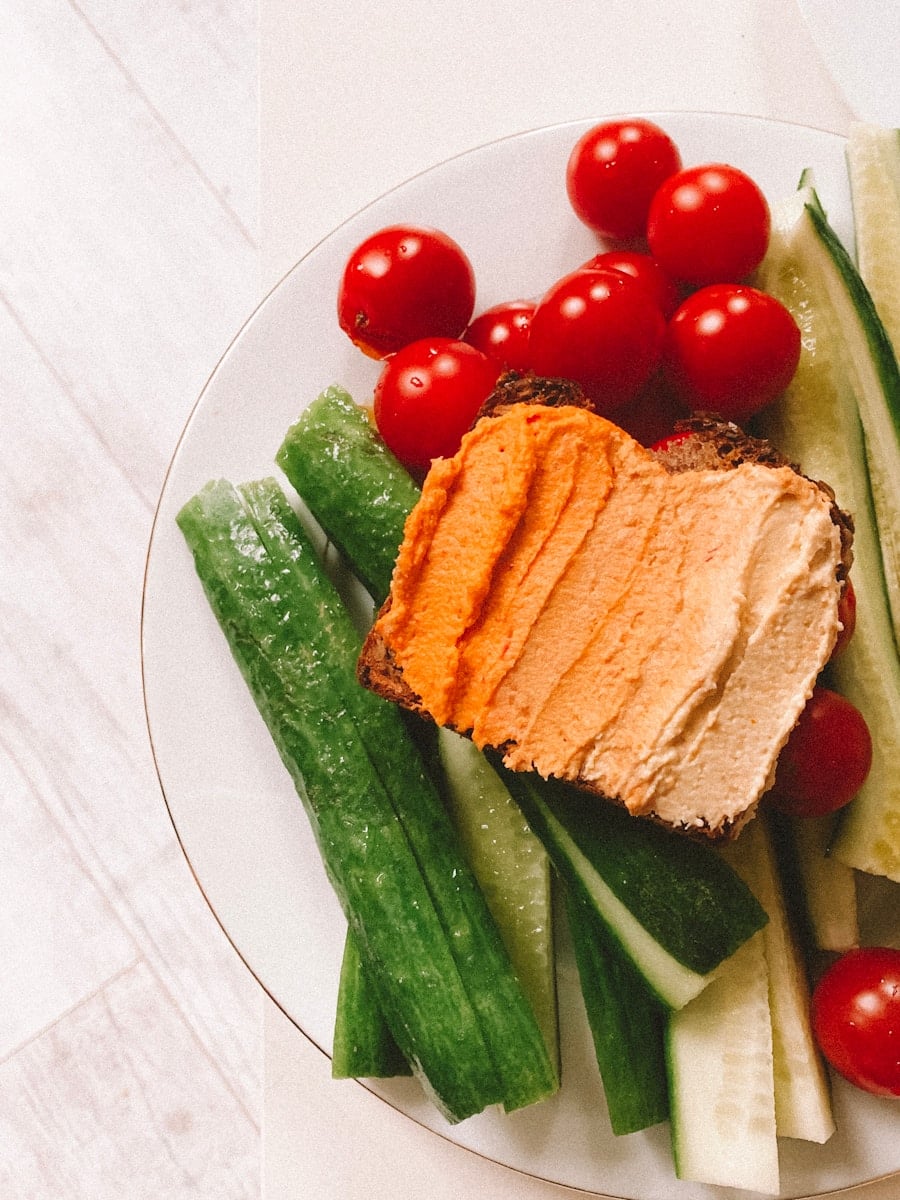
While fat takes center stage in the keto diet, protein also plays a vital role in maintaining muscle mass and overall health. However, it’s important to consume protein in moderation; too much protein can lead to gluconeogenesis, where excess protein is converted into glucose, potentially kicking you out of ketosis. Striking the right balance is key—aim for moderate protein intake that supports your body’s needs without compromising your ketogenic goals.
You might find it helpful to focus on high-quality protein sources such as grass-fed meats, wild-caught fish, eggs, and dairy products like cheese and Greek yogurt. These options not only provide essential amino acids but also fit seamlessly into a high-fat lifestyle. As you plan your meals, consider incorporating a variety of protein sources to keep things interesting while ensuring you meet your nutritional needs.
The Role of Exercise and Lifestyle in the Keto Diet
While diet is a significant component of the keto lifestyle, exercise and overall lifestyle choices also play an important role in achieving success on this journey. Engaging in regular physical activity can enhance the benefits of the keto diet by promoting fat loss and improving overall health markers. Whether it’s weightlifting, cardio workouts, or yoga, finding an exercise routine that you enjoy will help you stay committed to both your fitness goals and dietary choices.
Additionally, lifestyle factors such as sleep quality and stress management can impact how effectively you adapt to the keto diet. Prioritizing restful sleep allows your body to recover and function optimally while managing stress through mindfulness practices or hobbies can prevent emotional eating or cravings for high-carb foods. By taking a holistic approach that encompasses both diet and lifestyle changes, you’ll set yourself up for long-term success on the keto journey.
Potential Benefits and Risks of the Keto Diet
As with any dietary approach, it’s essential to weigh both the potential benefits and risks associated with the keto diet before diving in headfirst. Many people report significant weight loss, improved energy levels, enhanced mental clarity, and better blood sugar control after adopting a ketogenic lifestyle. These benefits can be particularly appealing if you’re looking for a sustainable way to manage weight or improve overall health.
However, it’s also important to be aware of potential risks or side effects that may arise during your journey.
Additionally, those with certain medical conditions should consult with a healthcare professional before starting any new dietary regimen.
By staying informed about both the advantages and challenges of the keto diet, you can make educated decisions that align with your health goals while minimizing potential pitfalls along the way. In conclusion, embarking on a ketogenic journey requires understanding its foundational principles, including macronutrient ratios and the role of ketosis. By incorporating high-fat and low-carb foods while moderating protein intake, you can create a balanced approach that supports your health goals.
Coupled with regular exercise and mindful lifestyle choices, the keto diet has the potential to offer numerous benefits while also presenting certain risks that warrant consideration. With careful planning and dedication, you can navigate this dietary landscape successfully and enjoy all that it has to offer.
FAQs
What are the 4 pillars of the keto diet?
The 4 pillars of the keto diet are: high fat intake, moderate protein intake, very low carbohydrate intake, and entering a state of ketosis.
What is the significance of high fat intake in the keto diet?
High fat intake is a key pillar of the keto diet as it helps the body enter a state of ketosis, where it burns fat for fuel instead of carbohydrates.
Why is moderate protein intake important in the keto diet?
Moderate protein intake is important in the keto diet to prevent the body from converting excess protein into glucose, which can hinder the process of ketosis.
How does very low carbohydrate intake contribute to the keto diet?
Very low carbohydrate intake is essential in the keto diet as it forces the body to switch from using glucose as its primary fuel source to using fat, leading to the production of ketones for energy.
What is the role of ketosis in the keto diet?
Ketosis is the metabolic state in which the body uses fat for fuel instead of carbohydrates. It is a key aspect of the keto diet and is achieved through the combination of high fat, moderate protein, and very low carbohydrate intake.