The ketogenic diet, often referred to simply as “keto,” has gained immense popularity in recent years as a powerful tool for weight loss and overall health improvement. At its core, the ketogenic diet is a high-fat, low-carbohydrate eating plan that aims to shift your body’s metabolism from burning carbohydrates for energy to utilizing fats. This metabolic state, known as ketosis, occurs when your body is deprived of carbohydrates and begins to break down fat into ketones, which serve as an alternative energy source.
As you embark on this dietary journey, you may find that understanding the role of various macronutrients, particularly protein, is crucial for achieving your health goals. As you delve deeper into the ketogenic lifestyle, you will discover that while fat is the primary focus, protein plays an equally important role. It is essential not only for maintaining muscle mass but also for supporting various bodily functions.
The balance of macronutrients in a ketogenic diet typically consists of approximately 70-75% fat, 20-25% protein, and only about 5-10% carbohydrates. This unique ratio can be challenging to navigate, especially when it comes to ensuring you consume adequate protein while remaining in ketosis. Understanding the significance of protein in this context will empower you to make informed dietary choices that align with your health objectives.
Key Takeaways
- The ketogenic diet is a high-fat, low-carbohydrate diet that has gained popularity for its potential health benefits and weight loss effects.
- Protein is an essential macronutrient in a ketogenic diet, as it helps maintain muscle mass, supports metabolism, and promotes satiety.
- Protein plays a crucial role in muscle maintenance and growth, making it important for individuals following a ketogenic diet, especially those who are physically active.
- Consuming adequate protein on a ketogenic diet can have a positive impact on metabolism and weight loss by increasing energy expenditure and promoting fat loss.
- Protein-rich foods can help control appetite and increase feelings of fullness, making it easier to adhere to a ketogenic diet and manage food cravings.
Importance of Protein in Ketogenic Diet
Protein is often regarded as the building block of life, and its importance in a ketogenic diet cannot be overstated. As you transition into a low-carb lifestyle, you may find that protein helps to preserve lean muscle mass, which is vital for maintaining a healthy metabolism. When you reduce your carbohydrate intake significantly, your body may begin to break down muscle tissue for energy if it does not receive enough protein.
This is particularly concerning for those who are physically active or looking to build muscle. Therefore, ensuring that you consume sufficient protein is essential for both muscle preservation and overall health. Moreover, protein plays a critical role in various physiological processes, including hormone production and immune function.
As you adapt to a ketogenic diet, your body undergoes numerous changes, and adequate protein intake can help support these adjustments. It can also aid in recovery from exercise and help you feel more energized throughout the day. By prioritizing protein in your meals, you can enhance your overall well-being while still adhering to the principles of the ketogenic diet.
Protein’s Role in Muscle Maintenance and Growth

When it comes to muscle maintenance and growth, protein is indispensable. As you engage in resistance training or other forms of exercise, your muscles experience micro-tears that need to be repaired for growth and strength enhancement. Consuming adequate protein post-workout provides your body with the necessary amino acids to facilitate this repair process.
In a ketogenic diet, where carbohydrate sources are limited, protein becomes even more crucial for muscle recovery and development. In addition to aiding recovery, protein consumption can stimulate muscle protein synthesis, which is essential for building new muscle tissue. If you’re aiming to increase your muscle mass while following a ketogenic diet, it’s vital to incorporate high-quality protein sources into your meals.
This not only supports your fitness goals but also helps maintain a healthy body composition as you lose fat and gain muscle simultaneously. By understanding the importance of protein in this context, you can tailor your diet to support your physical aspirations effectively.
Protein’s Impact on Metabolism and Weight Loss
The relationship between protein intake and metabolism is a fascinating aspect of nutrition that can significantly influence your weight loss journey on a ketogenic diet. Protein has a higher thermic effect compared to fats and carbohydrates, meaning that your body burns more calories digesting and metabolizing protein-rich foods. This increased energy expenditure can contribute to a higher overall metabolic rate, making it easier for you to shed unwanted pounds while adhering to a low-carb lifestyle.
Furthermore, incorporating sufficient protein into your meals can help prevent the dreaded weight loss plateau that many experience on restrictive diets. As you lose weight, your metabolism may slow down due to a decrease in muscle mass and overall caloric intake. By ensuring that you consume enough protein, you can help mitigate this effect and maintain a healthy metabolic rate.
This not only supports your weight loss efforts but also promotes long-term success in maintaining your desired weight.
Protein’s Effect on Satiety and Appetite Control
One of the most significant benefits of consuming adequate protein on a ketogenic diet is its impact on satiety and appetite control. Protein is known to be more satiating than carbohydrates or fats, meaning that it can help you feel fuller for longer periods. This is particularly beneficial when you’re trying to reduce your overall caloric intake for weight loss purposes.
By prioritizing protein-rich foods in your meals, you can curb hunger pangs and reduce the likelihood of overeating. Additionally, protein influences the release of hormones that regulate appetite, such as ghrelin and peptide YY. When you consume enough protein, these hormones work together to signal fullness and reduce cravings.
This hormonal response can be especially advantageous when transitioning to a ketogenic diet, as it helps combat the initial hunger that may arise from cutting out carbohydrates. By understanding how protein affects your appetite, you can make strategic choices that support your weight loss goals while enjoying satisfying meals.
Choosing the Right Protein Sources for a Ketogenic Diet
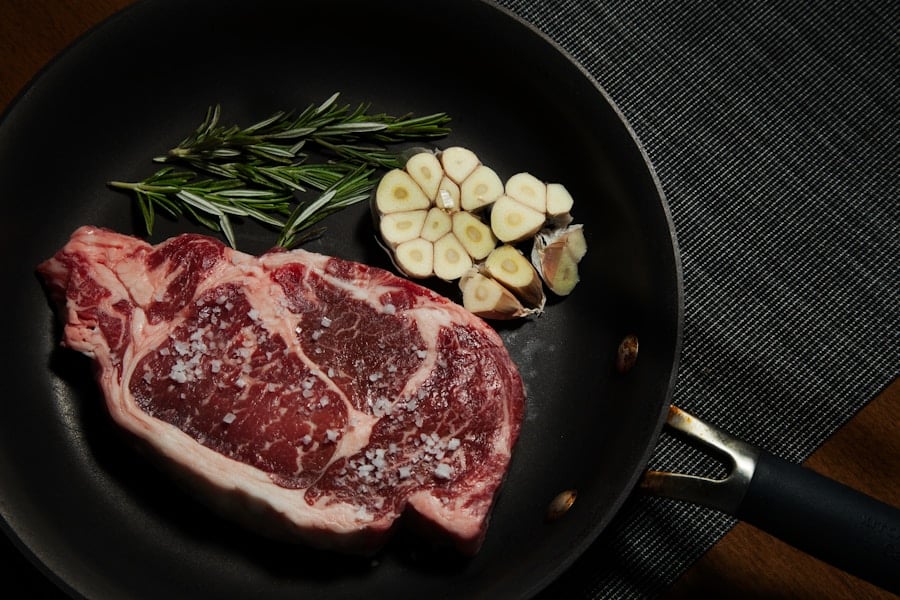
Selecting the right protein sources is crucial when following a ketogenic diet. Not all proteins are created equal; some are more conducive to maintaining ketosis than others. As you navigate this dietary landscape, focus on high-quality sources of protein that are low in carbohydrates.
Animal-based proteins such as meat, poultry, fish, eggs, and dairy products are excellent choices due to their complete amino acid profiles and minimal carb content. In addition to animal proteins, there are plant-based options that can fit into a ketogenic lifestyle as well. While many plant proteins contain higher carbohydrate levels, options like tofu, tempeh, and certain nuts can provide valuable nutrients without derailing your ketosis efforts.
However, it’s essential to monitor portion sizes and carbohydrate content when incorporating these sources into your meals. By being mindful of your choices and prioritizing high-quality proteins, you can create a balanced ketogenic diet that supports both your health and fitness goals.
Protein’s Influence on Blood Sugar Levels and Insulin Response
Another critical aspect of protein consumption on a ketogenic diet is its influence on blood sugar levels and insulin response. Unlike carbohydrates, which can cause rapid spikes in blood sugar and insulin levels, protein has a more moderate effect on these metrics. When you consume protein-rich foods, they are digested more slowly than carbohydrates, leading to a gradual release of glucose into the bloodstream.
This helps maintain stable blood sugar levels throughout the day. Stable blood sugar levels are particularly important for individuals looking to manage their weight or improve their metabolic health. By incorporating adequate protein into your meals, you can help prevent the energy crashes and cravings often associated with fluctuating blood sugar levels.
Additionally, maintaining stable insulin levels can support fat loss by promoting fat oxidation rather than storage. Understanding how protein affects these physiological processes can empower you to make dietary choices that align with your health objectives.
Potential Risks of Consuming Too Much Protein on a Ketogenic Diet
While protein is essential for various bodily functions and plays a significant role in a ketogenic diet, it’s important to recognize that consuming too much protein can have potential drawbacks. One concern is that excessive protein intake may lead to gluconeogenesis—a process where the body converts excess amino acids into glucose. This could potentially kick you out of ketosis if carbohydrate levels are already low.
Moreover, overconsumption of protein can strain the kidneys over time, particularly in individuals with pre-existing kidney conditions. It’s crucial to strike a balance between adequate protein intake for muscle maintenance and overall health without exceeding recommended levels. Monitoring your macronutrient ratios and listening to your body’s signals will help ensure that you reap the benefits of protein without encountering adverse effects.
In conclusion, understanding the multifaceted role of protein in a ketogenic diet is essential for achieving optimal health outcomes. From supporting muscle maintenance and growth to influencing metabolism and appetite control, protein serves as a vital component of this dietary approach. By choosing high-quality protein sources and being mindful of your intake levels, you can harness the power of protein while enjoying the benefits of a ketogenic lifestyle.
FAQs
What is a ketogenic diet?
A ketogenic diet is a high-fat, adequate-protein, low-carbohydrate diet that forces the body to burn fats rather than carbohydrates for energy. This process produces ketones, which are used as fuel for the body.
What is the role of protein in a ketogenic diet?
Protein plays a crucial role in a ketogenic diet as it helps to maintain and build lean muscle mass, supports satiety and helps with weight management, and provides essential amino acids for overall health.
How much protein should be consumed in a ketogenic diet?
The amount of protein to consume in a ketogenic diet varies depending on individual factors such as age, weight, activity level, and overall health goals. However, a general guideline is to consume moderate amounts of protein, typically around 20-25% of total daily calories.
What are some good sources of protein in a ketogenic diet?
Good sources of protein in a ketogenic diet include meat, poultry, fish, eggs, dairy products, tofu, tempeh, and certain nuts and seeds. It’s important to choose high-quality, nutrient-dense sources of protein.
Can consuming too much protein kick you out of ketosis?
Consuming excessive amounts of protein can potentially kick some individuals out of ketosis, as the body can convert excess protein into glucose through a process called gluconeogenesis. It’s important to balance protein intake with fat and carbohydrate consumption to maintain ketosis.