
The ketogenic diet, often referred to as keto, is a high-fat, low-carbohydrate eating plan that has gained immense popularity in recent years. At its core, the diet aims to shift your body’s metabolism from relying on carbohydrates for energy to utilizing fats instead. This metabolic state is known as ketosis, where your body becomes highly efficient at burning fat for fuel.
By drastically reducing your carbohydrate intake and replacing it with healthy fats, you can encourage your body to enter this state, leading to various health benefits, including weight loss and improved mental clarity. As you embark on a ketogenic journey, it’s essential to understand the types of foods that fit within this framework. Typically, a ketogenic diet consists of approximately 70-75% fats, 20-25% protein, and only about 5-10% carbohydrates.
This means that foods like avocados, nuts, seeds, fatty fish, and oils are staples in your diet, while bread, pasta, and sugary snacks are largely off-limits. The transition to a ketogenic lifestyle can be challenging at first, but many find that the benefits—such as increased energy levels and reduced hunger—make it worthwhile.
Key Takeaways
- The ketogenic diet is a high-fat, low-carbohydrate diet that aims to put the body in a state of ketosis, where it burns fat for fuel instead of carbohydrates.
- Sugar is strictly limited on the ketogenic diet, as it can spike blood sugar levels and inhibit the body’s ability to enter ketosis.
- Honey and maple syrup contain natural sugars and small amounts of vitamins and minerals, but they are high in carbohydrates and can disrupt ketosis.
- Consuming honey and maple syrup can cause a rapid increase in blood sugar levels, which is not ideal for those following a ketogenic diet.
- Stevia, erythritol, and monk fruit are popular low-carb sweeteners that can be used in place of honey and maple syrup on a ketogenic diet, but should still be used in moderation.
The Role of Sugar in the Ketogenic Diet
Sugar plays a significant role in the context of the ketogenic diet, primarily because it is one of the main culprits that can prevent your body from entering ketosis. When you consume sugar or high-carbohydrate foods, your body breaks them down into glucose, which is then used as the primary source of energy. This process can inhibit fat burning and stall your progress on a ketogenic diet.
Therefore, understanding how sugar affects your body is crucial for successfully adhering to this eating plan. In a ketogenic diet, you must be vigilant about hidden sugars in processed foods and beverages. Even small amounts of sugar can add up quickly and disrupt your metabolic state.
This is why many people on keto choose to eliminate not just table sugar but also other forms of sugar, including syrups and sweeteners. By doing so, you can maintain stable blood sugar levels and promote fat oxidation, which are essential for achieving the desired results of the diet.
Honey and Maple Syrup: Nutritional Content

When considering sweeteners on a ketogenic diet, honey and maple syrup often come to mind due to their natural origins and perceived health benefits. However, it’s essential to examine their nutritional content closely. Honey is primarily composed of fructose and glucose, with a tablespoon containing about 17 grams of carbohydrates.
While it does offer some vitamins and minerals, such as vitamin C and B vitamins, its high sugar content makes it less than ideal for those following a strict ketogenic regimen. Maple syrup, on the other hand, is derived from the sap of maple trees and contains similar carbohydrate levels—about 13 grams per tablespoon. It also boasts some antioxidants and minerals like manganese and zinc.
However, like honey, its high sugar content can quickly push you over your daily carbohydrate limit on a ketogenic diet. While both sweeteners have their unique flavors and potential health benefits when consumed in moderation, their carbohydrate content makes them challenging choices for those aiming to maintain ketosis.
Impact of Honey and Maple Syrup on Blood Sugar Levels
The impact of honey and maple syrup on blood sugar levels is another critical consideration for anyone following a ketogenic diet. Both sweeteners can cause a rapid spike in blood glucose due to their high glycemic index. When you consume these sugars, your body responds by releasing insulin to help regulate blood sugar levels.
For individuals on a ketogenic diet, this insulin response can be counterproductive as it may lead to fat storage rather than fat burning. Moreover, frequent consumption of high-sugar foods can lead to insulin resistance over time, making it even more challenging to maintain stable blood sugar levels. This is particularly concerning for those who are already managing conditions like diabetes or prediabetes.
Therefore, if you’re committed to a ketogenic lifestyle, it’s crucial to be mindful of how honey and maple syrup can affect your blood sugar levels and overall metabolic health.
Alternatives to Honey and Maple Syrup on a Ketogenic Diet
Fortunately, there are several alternatives to honey and maple syrup that can satisfy your sweet tooth without derailing your ketogenic goals. One popular option is stevia, a natural sweetener derived from the leaves of the Stevia rebaudiana plant. Stevia contains zero calories and carbohydrates, making it an excellent choice for those looking to maintain ketosis while enjoying sweetness in their foods and beverages.
Another alternative is erythritol, a sugar alcohol that has gained popularity among those following low-carb diets. Erythritol has about 70% of the sweetness of sugar but contains virtually no calories or carbohydrates. It also has a minimal impact on blood sugar levels, making it a safe option for those on a ketogenic diet.
Other options include monk fruit sweetener and allulose, both of which provide sweetness without the carbohydrate load associated with traditional sugars.
Incorporating Sweeteners in Moderation
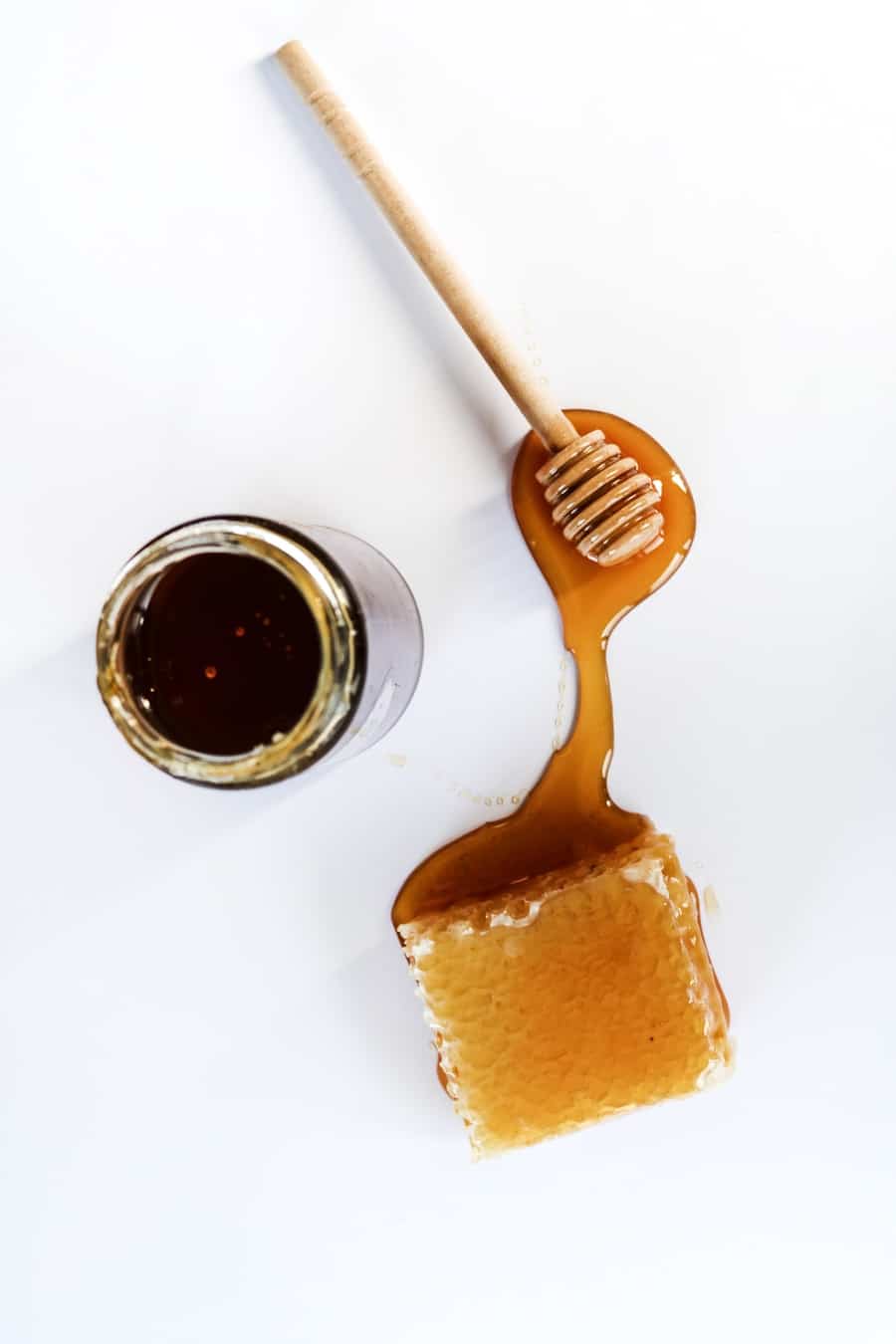
While sweeteners can be a useful tool for adding flavor to your meals on a ketogenic diet, moderation is key. Even low-carb sweeteners can have an impact on your overall health if consumed excessively. It’s essential to listen to your body and pay attention to how different sweeteners affect your cravings and energy levels.
Some individuals may find that even low-carb sweeteners trigger cravings for more sugary foods or lead to overeating. To incorporate sweeteners effectively into your ketogenic lifestyle, consider using them sparingly in recipes or beverages rather than relying on them as a primary source of flavor. Experiment with different options to find what works best for you while keeping your carbohydrate intake in check.
By practicing moderation and mindfulness around sweeteners, you can enjoy the occasional treat without compromising your dietary goals.
Potential Health Benefits and Risks of Honey and Maple Syrup
While honey and maple syrup are often touted for their potential health benefits—such as antioxidant properties and anti-inflammatory effects—it’s essential to weigh these against their risks when following a ketogenic diet. Honey has been linked to various health benefits due to its antimicrobial properties and potential role in wound healing. Similarly, maple syrup contains antioxidants that may help combat oxidative stress in the body.
However, these benefits must be considered in light of their high sugar content. For individuals striving for ketosis or managing blood sugar levels, the risks associated with consuming honey and maple syrup may outweigh the potential advantages. It’s crucial to evaluate your personal health goals and dietary needs when deciding whether to include these sweeteners in your diet.
Making Informed Choices on a Ketogenic Diet
In conclusion, navigating the world of sweeteners while adhering to a ketogenic diet requires careful consideration and informed choices. While honey and maple syrup may offer some nutritional benefits, their high carbohydrate content poses challenges for maintaining ketosis and stable blood sugar levels. By exploring alternative sweeteners like stevia or erythritol and incorporating them in moderation, you can enjoy sweetness without compromising your dietary goals.
Ultimately, understanding how different foods affect your body is key to achieving success on a ketogenic journey. By being mindful of what you consume and making informed choices about sweeteners, you can create a balanced approach that supports both your health objectives and your enjoyment of food. As you continue on this path, remember that every individual’s experience with the ketogenic diet is unique; what works for one person may not work for another.
Stay attuned to your body’s signals and make adjustments as needed to find what best supports your journey toward optimal health.
FAQs
What is a ketogenic diet?
A ketogenic diet is a high-fat, low-carbohydrate diet that has been shown to help with weight loss and improve certain health conditions such as epilepsy and diabetes.
Can I have honey on a ketogenic diet?
Honey is not recommended on a ketogenic diet as it is high in carbohydrates and can spike blood sugar levels, which goes against the principles of a ketogenic diet.
Can I have maple syrup on a ketogenic diet?
Maple syrup is also not recommended on a ketogenic diet as it is high in carbohydrates and can spike blood sugar levels, which goes against the principles of a ketogenic diet.
Are there any sweeteners I can use on a ketogenic diet?
Yes, there are several low-carb sweeteners that can be used on a ketogenic diet, such as stevia, erythritol, and monk fruit sweetener. These sweeteners do not spike blood sugar levels and can be used in moderation on a ketogenic diet.





