The Paleo Keto diet is a unique fusion of two popular dietary approaches: the Paleo diet and the ketogenic (keto) diet. At its core, this diet emphasizes whole, unprocessed foods while significantly reducing carbohydrate intake to promote ketosis, a metabolic state where your body burns fat for fuel instead of carbohydrates. By combining these two diets, you not only aim to achieve weight loss and improved energy levels but also focus on consuming foods that are believed to be more aligned with our ancestral eating patterns.
This means prioritizing nutrient-dense foods that are free from additives, preservatives, and artificial ingredients. As you embark on this dietary journey, it’s essential to understand the principles that guide the Paleo Keto lifestyle. The Paleo aspect encourages you to eat like our hunter-gatherer ancestors, which means focusing on meats, fish, vegetables, fruits, nuts, and seeds while avoiding grains, legumes, dairy, and processed foods.
The keto component, on the other hand, restricts carbohydrates to a minimal level—typically around 20-50 grams per day—while increasing your intake of healthy fats. This combination can lead to various health benefits, including weight loss, improved mental clarity, and better blood sugar control.
Key Takeaways
- The Paleo Keto diet combines the principles of the Paleo diet and the Keto diet, focusing on high protein, low carb, and healthy fats.
- Foods to eat on the Paleo Keto diet include grass-fed meats, wild-caught fish, eggs, non-starchy vegetables, and healthy fats like avocado and coconut oil.
- Animal protein options for the Paleo Keto diet include beef, chicken, turkey, and pork, while also incorporating organ meats and bone broth for added nutrients.
- Plant-based protein options for the Paleo Keto diet include tofu, tempeh, and a variety of nuts and seeds, such as almonds, chia seeds, and hemp hearts.
- Healthy fats for the Paleo Keto diet include avocados, olives, nuts, seeds, and oils like coconut oil and olive oil, which provide essential nutrients and help maintain ketosis.
Foods to Eat on the Paleo Keto Diet
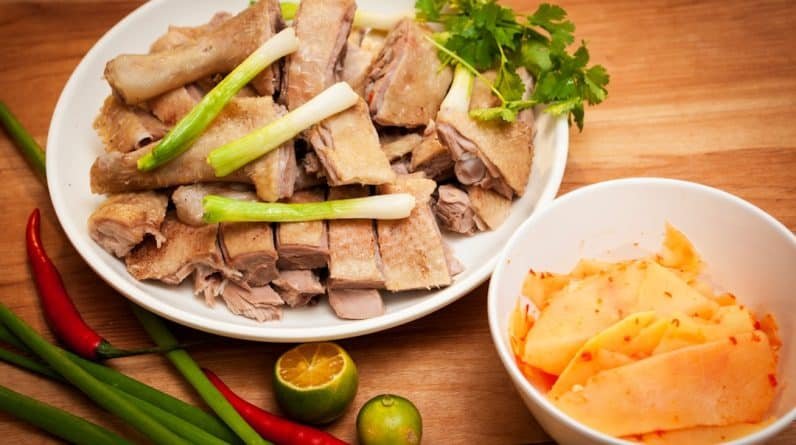
When you adopt the Paleo Keto diet, your food choices will primarily revolve around high-quality animal proteins, healthy fats, and low-carb vegetables. You’ll want to fill your plate with nutrient-dense options that not only satisfy your hunger but also provide essential vitamins and minerals. Think of foods like grass-fed beef, wild-caught fish, and free-range poultry as staples in your diet.
These protein sources are not only rich in nutrients but also help keep you satiated while supporting muscle maintenance and overall health. In addition to animal proteins, you’ll also want to incorporate a variety of healthy fats into your meals. Avocados, olive oil, coconut oil, and nuts are excellent choices that can enhance the flavor of your dishes while providing the necessary energy for your body to thrive in a state of ketosis.
Low-carb vegetables such as leafy greens, broccoli, and zucchini should also be a significant part of your diet. These vegetables are not only low in carbohydrates but also high in fiber and essential nutrients, making them perfect for maintaining digestive health and overall well-being.
Animal Protein Options for Paleo Keto

When it comes to animal protein options on the Paleo Keto diet, you have a wide array of choices that can cater to your taste preferences and nutritional needs. Grass-fed beef is an excellent source of protein and healthy fats, providing essential nutrients like iron and zinc. You might also consider incorporating organ meats into your diet, such as liver or heart, which are incredibly nutrient-dense and can offer a variety of vitamins and minerals that support overall health.
Poultry is another fantastic option for your protein intake. Free-range chicken and turkey are lean sources of protein that can be prepared in numerous ways to keep your meals exciting. Fish is also a critical component of the Paleo Keto diet; wild-caught varieties like salmon and mackerel are rich in omega-3 fatty acids, which are known for their anti-inflammatory properties and heart health benefits.
By diversifying your protein sources, you can ensure that you’re getting a broad spectrum of nutrients while enjoying delicious meals.
Plant-Based Protein Options for Paleo Keto
While animal proteins are a significant focus of the Paleo Keto diet, there are also several plant-based protein options that can complement your meals. Although legumes are typically avoided due to their higher carbohydrate content, certain seeds and nuts can provide a good source of protein without compromising your carb limits. For instance, hemp seeds and chia seeds are excellent choices that can be easily added to smoothies or salads for an extra protein boost.
Another option is to incorporate certain vegetables that are higher in protein content. For example, spinach and broccoli contain more protein than many other vegetables and can be included in various dishes. You might also consider using nutritional yeast as a seasoning; it not only adds a cheesy flavor to your meals but is also packed with protein and B vitamins.
By being creative with your plant-based protein sources, you can maintain a balanced diet while adhering to the principles of Paleo Keto.
Healthy Fats for the Paleo Keto Diet
Healthy fats play a crucial role in the Paleo Keto diet as they provide the primary source of energy when carbohydrates are limited. Incorporating a variety of healthy fats into your meals can help you feel full and satisfied while supporting overall health. Avocados are an excellent choice; they are rich in monounsaturated fats and provide fiber along with essential vitamins like potassium and vitamin E.
You can enjoy them sliced on salads or blended into smoothies for added creaminess. Coconut oil is another staple fat in the Paleo Keto diet due to its medium-chain triglycerides (MCTs), which can be quickly converted into ketones for energy. You might use coconut oil for cooking or baking as it has a high smoke point and imparts a subtle flavor to dishes.
Olive oil is also a fantastic option; it’s rich in antioxidants and has been linked to numerous health benefits. Drizzling olive oil over vegetables or using it as a base for salad dressings can enhance both flavor and nutrition.
Low-Carb Vegetables for Paleo Keto

Low-carb vegetables are essential components of the Paleo Keto diet as they provide vital nutrients without adding excessive carbohydrates to your meals. Leafy greens such as spinach, kale, and arugula should be staples in your diet; they are low in calories but high in vitamins A, C, K, and various minerals. You can enjoy them raw in salads or sautéed as a side dish to accompany your protein sources.
Cruciferous vegetables like broccoli, cauliflower, and Brussels sprouts are also excellent choices for their low carbohydrate content and high fiber levels. These vegetables can be roasted, steamed, or even riced as a substitute for grains in various recipes. Zucchini is another versatile option; it can be spiralized into noodles or used in baking to add moisture without adding carbs.
By focusing on these low-carb vegetables, you can create satisfying meals that align with your dietary goals.
Fruits to Enjoy on Paleo Keto
While fruits are generally higher in carbohydrates compared to vegetables, there are still several options that fit within the guidelines of the Paleo Keto diet. Berries such as strawberries, blueberries, raspberries, and blackberries are among the best choices due to their lower sugar content and high antioxidant levels. You can enjoy them fresh as a snack or blend them into smoothies for a refreshing treat.
Avocados also fall into the fruit category and are an excellent addition to your diet due to their healthy fat content. They can be used in various ways—from guacamole to smoothies—adding creaminess while keeping your carb intake low. Another option is coconut; whether you choose coconut milk or shredded coconut, it can add flavor and texture to your meals without significantly impacting your carbohydrate count.
Nuts and Seeds for the Paleo Keto Diet
Nuts and seeds are fantastic snacks on the Paleo Keto diet as they provide healthy fats along with protein and fiber. Almonds, walnuts, macadamia nuts, and pecans are all great options that can help keep you satiated between meals. You might enjoy them raw or roasted; just be mindful of portion sizes since they are calorie-dense.
Seeds like chia seeds, flaxseeds, and pumpkin seeds also offer nutritional benefits while being low in carbohydrates. Chia seeds can absorb liquid and create a gel-like consistency; they’re perfect for making puddings or adding to smoothies for extra texture. Flaxseeds are rich in omega-3 fatty acids and can be ground into meal for use in baking or sprinkled on salads.
By incorporating a variety of nuts and seeds into your diet, you can enjoy delicious snacks while supporting your nutritional needs.
Beverages for Paleo Keto
Staying hydrated is crucial on any diet, including the Paleo Keto approach. Water should always be your primary beverage choice; it’s calorie-free and essential for overall health. You might consider infusing your water with slices of lemon or cucumber for added flavor without any carbs.
Herbal teas are another excellent option; they come in various flavors and can be enjoyed hot or cold without adding calories or carbs to your daily intake. If you enjoy coffee, consider drinking it black or with a splash of unsweetened almond milk or coconut cream for added richness without compromising your dietary goals. Just be cautious with sweeteners; opt for natural options like stevia if needed.
Snack Ideas for Paleo Keto
Finding satisfying snacks on the Paleo Keto diet doesn’t have to be challenging; there are plenty of delicious options available that align with your dietary preferences. One simple idea is to prepare vegetable sticks—such as celery or bell peppers—paired with guacamole or nut butter for a satisfying crunch combined with healthy fats. Another great snack option is hard-boiled eggs; they’re portable and packed with protein while being low in carbs.
You might also consider making homemade energy balls using nuts, seeds, coconut flakes, and a touch of dark chocolate for sweetness without excessive sugar. These snacks not only keep you energized throughout the day but also help you stay on track with your dietary goals.
Meal Planning and Recipes for Paleo Keto
Meal planning is an essential aspect of successfully following the Paleo Keto diet; it helps ensure that you have nutritious options readily available while minimizing the temptation to stray from your dietary goals. Start by creating a weekly menu that includes breakfast, lunch, dinner, and snacks based on the foods you enjoy most within the guidelines of this diet. For breakfast, consider making an omelet filled with spinach and mushrooms cooked in coconut oil or avocado oil.
For lunch, a salad topped with grilled chicken or salmon along with an olive oil dressing makes for a satisfying meal. Dinner could feature roasted vegetables alongside a juicy steak or baked fish seasoned with herbs and spices. Don’t forget about snacks—prepping portions of nuts or veggie sticks with guacamole ahead of time can make it easier to stick to your plan throughout the week.
By embracing meal planning and experimenting with different recipes that align with both the Paleo and keto principles, you’ll find that maintaining this lifestyle becomes not only manageable but enjoyable as well. With time and practice, you’ll discover new favorite dishes that keep you excited about your food choices while supporting your health goals.
FAQs
What is the Paleo Keto diet?
The Paleo Keto diet combines elements of the Paleo diet, which focuses on whole, unprocessed foods, with the principles of the ketogenic diet, which emphasizes high fat, moderate protein, and low carbohydrate intake.
What foods are allowed on the Paleo Keto diet?
Foods allowed on the Paleo Keto diet include lean meats, fish, seafood, eggs, non-starchy vegetables, healthy fats such as avocados and olive oil, nuts and seeds, and some fruits in moderation.
What foods should be avoided on the Paleo Keto diet?
Foods to be avoided on the Paleo Keto diet include grains, legumes, dairy, processed foods, refined sugars, and high-carb fruits.
What are the potential benefits of the Paleo Keto diet?
Potential benefits of the Paleo Keto diet may include weight loss, improved blood sugar control, increased energy levels, and reduced inflammation.
Are there any potential drawbacks to the Paleo Keto diet?
Potential drawbacks of the Paleo Keto diet may include difficulty in maintaining the strict macronutrient ratios, potential nutrient deficiencies if not carefully planned, and the need for long-term adherence to see sustained benefits.
Is the Paleo Keto diet suitable for everyone?
The Paleo Keto diet may not be suitable for everyone, especially those with certain medical conditions or dietary restrictions. It is important to consult with a healthcare professional before starting any new diet.