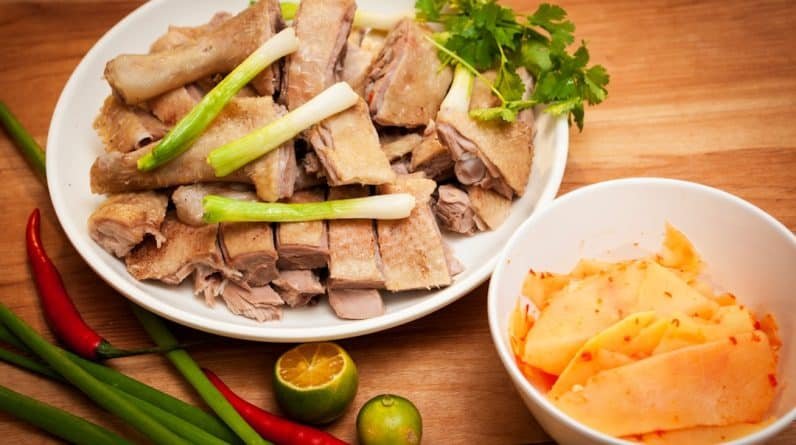
The Paleo Keto Diet is a unique fusion of two popular dietary approaches: the Paleo diet and the ketogenic (keto) diet. At its core, this diet emphasizes whole, unprocessed foods that our ancestors would have consumed, while also promoting a state of ketosis, where your body burns fat for fuel instead of carbohydrates. By combining these two diets, you aim to harness the benefits of both—achieving weight loss and improved health markers while enjoying nutrient-dense foods.
In essence, the Paleo Keto Diet encourages you to return to a more natural way of eating, focusing on foods that are rich in healthy fats and proteins while minimizing carbohydrates. This approach not only helps in weight management but also aims to enhance overall well-being by reducing inflammation and stabilizing blood sugar levels. As you delve deeper into this dietary lifestyle, you will discover how it can transform your relationship with food and your body.
Key Takeaways
- The Paleo Keto Diet combines the principles of the Paleo diet and the Keto diet, focusing on high-fat, low-carb, and moderate protein intake.
- The diet emphasizes whole, unprocessed foods such as meat, fish, eggs, vegetables, and healthy fats while avoiding grains, legumes, and processed foods.
- Foods to eat on the Paleo Keto Diet include grass-fed meats, wild-caught fish, non-starchy vegetables, nuts, seeds, and healthy fats like coconut oil and avocado.
- Foods to avoid on the Paleo Keto Diet include grains, legumes, dairy, processed foods, refined sugar, and vegetable oils.
- Benefits of the Paleo Keto Diet may include weight loss, improved blood sugar control, increased energy, and reduced inflammation, but potential drawbacks include nutrient deficiencies and difficulty maintaining the diet long-term.
The Principles of the Paleo Keto Diet
The principles of the Paleo Keto Diet revolve around two main tenets: eating like our ancestors and entering a state of ketosis. The Paleo aspect encourages you to consume foods that were available during the Paleolithic era, which means prioritizing meats, fish, vegetables, fruits, nuts, and seeds. This focus on whole foods is designed to eliminate processed items that can lead to various health issues.
On the other hand, the ketogenic aspect emphasizes drastically reducing carbohydrate intake while increasing fat consumption. This shift forces your body to rely on fat as its primary energy source, leading to the production of ketones. By adhering to these principles, you not only aim to lose weight but also improve mental clarity and energy levels.
The combination of these two diets creates a powerful framework for achieving optimal health.
Foods to Eat on the Paleo Keto Diet

When following the Paleo Keto Diet, your food choices will primarily consist of high-quality proteins and healthy fats. You should focus on grass-fed meats, wild-caught fish, and free-range poultry as your primary protein sources. These options are not only nutrient-dense but also free from harmful additives and hormones that can be found in conventional meats.
In addition to proteins, healthy fats play a crucial role in this diet. You can include avocados, olive oil, coconut oil, and nuts like macadamias and pecans. These fats provide essential fatty acids that support brain health and hormone production.
Leafy greens and non-starchy vegetables such as broccoli, cauliflower, and zucchini should also be staples in your meals, as they are low in carbs yet high in fiber and essential vitamins.
Foods to Avoid on the Paleo Keto Diet
To successfully adhere to the Paleo Keto Diet, it is essential to avoid certain food groups that can hinder your progress. First and foremost, you should eliminate all grains, including wheat, rice, corn, and oats. These foods are high in carbohydrates and can disrupt your body’s ability to enter ketosis.
Additionally, processed foods and sugars must be avoided at all costs. This includes sugary snacks, sodas, and any items containing artificial sweeteners or preservatives. Dairy products are also generally limited on this diet; while some people may tolerate certain types of cheese or heavy cream, it’s best to minimize dairy intake to stay aligned with both Paleo and keto principles.
By steering clear of these foods, you create a solid foundation for your dietary journey.
Benefits of the Paleo Keto Diet
The benefits of the Paleo Keto Diet are numerous and can significantly impact your overall health. One of the most notable advantages is weight loss. By reducing carbohydrate intake and increasing healthy fats, your body becomes more efficient at burning fat for energy.
This metabolic shift can lead to rapid weight loss for many individuals. Moreover, this diet can help stabilize blood sugar levels and reduce insulin resistance. As you consume fewer carbs, you may experience fewer spikes in blood sugar, which can be particularly beneficial for those with diabetes or prediabetes.
Additionally, many followers report increased energy levels and improved mental clarity as their bodies adapt to using fat as fuel instead of glucose.
Potential Drawbacks of the Paleo Keto Diet

While the Paleo Keto Diet offers many benefits, it is not without its potential drawbacks. One common issue is the initial adjustment period known as the “keto flu.” During this time, you may experience symptoms such as fatigue, headaches, irritability, and cravings as your body transitions from burning carbohydrates to burning fat. This phase can be challenging but is often temporary.
Another consideration is the restrictive nature of the diet. For some individuals, eliminating entire food groups may lead to feelings of deprivation or social isolation during meals with family or friends. It’s essential to find a balance that works for you and allows for occasional indulgences without derailing your progress.
Understanding these potential drawbacks can help you prepare mentally for the journey ahead.
How to Get Started with the Paleo Keto Diet
Getting started with the Paleo Keto Diet requires careful planning and preparation. First, take some time to educate yourself about the foods that align with both dietary principles. Create a list of acceptable foods and stock your kitchen with these items to make meal preparation easier.
Next, consider gradually transitioning into the diet rather than making drastic changes overnight. This approach can help minimize withdrawal symptoms associated with cutting out carbohydrates. Start by reducing your carb intake while increasing healthy fats over a week or two.
This gradual shift will allow your body to adapt more comfortably to its new fuel source.
Tips for Success on the Paleo Keto Diet
To ensure success on the Paleo Keto Diet, it’s crucial to stay organized and motivated throughout your journey. Meal planning is an effective strategy that can save you time and prevent impulsive food choices that may not align with your goals. Dedicate a day each week to plan your meals and snacks, ensuring you have everything you need on hand.
Additionally, consider joining a community or finding a support group of like-minded individuals who are also following the diet. Sharing experiences, recipes, and tips can provide encouragement and accountability as you navigate this lifestyle change together. Remember that patience is key; results may take time, but consistency will ultimately lead to success.
Paleo Keto Diet Meal Plan Ideas
Creating a meal plan for the Paleo Keto Diet can be both fun and rewarding. For breakfast, consider options like scrambled eggs cooked in coconut oil with spinach and avocado on the side or a smoothie made with unsweetened almond milk, spinach, and nut butter for added protein. For lunch, a salad topped with grilled chicken or salmon drizzled with olive oil and lemon juice makes for a satisfying meal.
Dinner could include roasted vegetables paired with a juicy steak or baked chicken thighs seasoned with herbs and spices. Don’t forget about snacks; raw nuts or sliced vegetables with guacamole can keep hunger at bay between meals.
Incorporating Exercise into the Paleo Keto Lifestyle
Exercise plays an essential role in complementing the Paleo Keto Diet and enhancing its benefits. Engaging in regular physical activity not only supports weight loss but also improves overall health by boosting cardiovascular fitness and building muscle strength. Aim for a balanced routine that includes both aerobic exercises—like walking or cycling—and strength training exercises such as weight lifting or bodyweight workouts.
Additionally, consider incorporating activities that promote flexibility and mindfulness, such as yoga or Pilates. These practices can help reduce stress levels and improve mental clarity—benefits that align perfectly with the goals of the Paleo Keto lifestyle. Remember that finding an exercise routine you enjoy will make it easier to stay consistent over time.
Is the Paleo Keto Diet Right for You?
Deciding whether the Paleo Keto Diet is right for you ultimately depends on your individual health goals and lifestyle preferences. If you’re seeking a way to lose weight while improving your overall health through whole foods and healthy fats, this diet may be an excellent fit for you. However, it’s essential to consider how well you can adapt to its restrictions and whether you’re willing to commit to making significant changes in your eating habits.
Before embarking on this dietary journey, it may be beneficial to consult with a healthcare professional or nutritionist who can provide personalized guidance based on your unique needs. By taking these steps and being mindful of both the benefits and challenges associated with the Paleo Keto Diet, you can make an informed decision about whether this approach aligns with your health aspirations.
FAQs
What is the Paleo Keto Diet?
The Paleo Keto Diet is a combination of the Paleo diet, which focuses on consuming foods that were available to our ancestors during the Paleolithic era, and the Ketogenic diet, which involves consuming high amounts of healthy fats, moderate protein, and very low carbohydrates.
What foods are allowed on the Paleo Keto Diet?
Foods allowed on the Paleo Keto Diet include lean meats, fish, seafood, eggs, healthy fats such as avocados and coconut oil, non-starchy vegetables, nuts, and seeds. It excludes grains, legumes, dairy, processed foods, and refined sugars.
What are the potential benefits of the Paleo Keto Diet?
Potential benefits of the Paleo Keto Diet may include weight loss, improved blood sugar control, increased energy levels, and reduced inflammation. Some people also report improved mental clarity and focus.
Are there any potential drawbacks to the Paleo Keto Diet?
Some potential drawbacks of the Paleo Keto Diet may include initial side effects such as the “keto flu,” which can cause fatigue, headaches, and irritability. It may also be challenging to maintain social eating habits and may require careful planning to ensure nutritional adequacy.
Is the Paleo Keto Diet suitable for everyone?
The Paleo Keto Diet may not be suitable for everyone, especially those with certain medical conditions such as kidney disease or pancreatitis. It is important to consult with a healthcare professional before starting any new diet, especially one as restrictive as the Paleo Keto Diet.