Embarking on a vegetarian keto meal plan can be an exciting journey that combines the principles of two popular dietary approaches. The ketogenic diet, known for its low-carb, high-fat framework, encourages your body to enter a state of ketosis, where it burns fat for fuel instead of carbohydrates. When you add a vegetarian twist to this diet, you open up a world of plant-based possibilities while still reaping the benefits of ketosis.
This unique combination allows you to enjoy a variety of flavors and textures while focusing on nutrient-dense foods. As you delve into the vegetarian keto lifestyle, you may find that it not only supports weight loss but also promotes overall health. By prioritizing whole foods and healthy fats, you can nourish your body while enjoying delicious meals.
This article will guide you through the essentials of a vegetarian keto meal plan, highlighting its benefits, how to effectively plan your meals, and tips for success along the way.
Key Takeaways
- A vegetarian keto meal plan focuses on high-fat, low-carb foods while excluding meat and fish.
- Benefits of a vegetarian keto diet include weight loss, improved heart health, and better blood sugar control.
- Understanding the basics of the keto diet involves knowing the macronutrient breakdown, ketosis, and food choices.
- Planning a vegetarian keto meal involves selecting low-carb vegetables, healthy fats, and plant-based protein sources.
- A sample vegetarian keto meal plan may include avocado and spinach salad, cauliflower rice stir-fry, and coconut chia pudding.
Benefits of a Vegetarian Keto Diet
Adopting a vegetarian keto diet offers numerous advantages that can enhance your overall well-being. One of the most significant benefits is the potential for weight loss. By reducing carbohydrate intake and increasing healthy fats, your body becomes more efficient at burning stored fat for energy.
This metabolic shift can lead to significant weight loss over time, especially when combined with a balanced intake of plant-based proteins and healthy fats. In addition to weight loss, a vegetarian keto diet can improve your heart health. By focusing on plant-based sources of fat, such as avocados, nuts, and seeds, you can lower your cholesterol levels and reduce the risk of heart disease.
Furthermore, this diet is rich in antioxidants and anti-inflammatory compounds found in vegetables and plant foods, which can help combat chronic diseases and promote longevity. You may also experience increased energy levels and improved mental clarity as your body adapts to burning fat for fuel.
Understanding the Basics of the Keto Diet
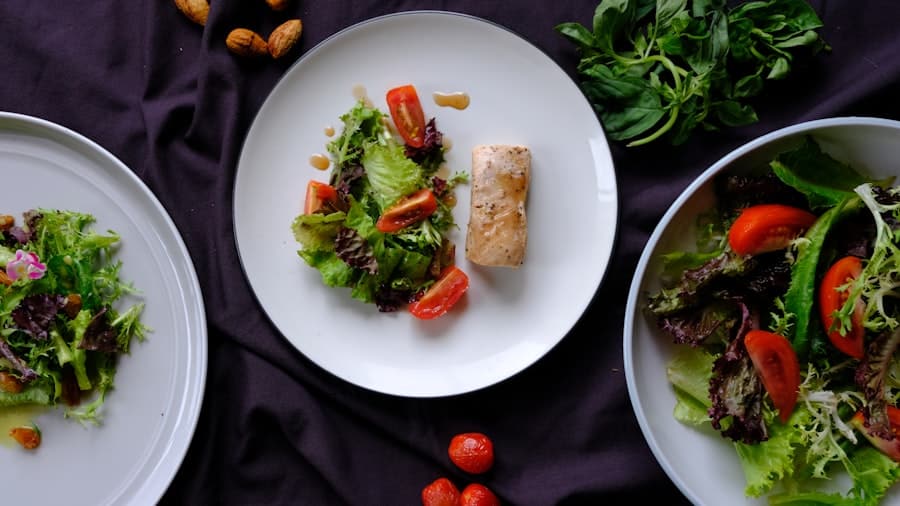
To successfully navigate a vegetarian keto meal plan, it’s essential to understand the fundamentals of the ketogenic diet. At its core, the keto diet emphasizes a drastic reduction in carbohydrate intake—typically to around 20-50 grams per day—while increasing fat consumption to about 70-80% of your total daily calories. This macronutrient ratio encourages your body to enter ketosis, where it relies on fat as its primary energy source.
In a vegetarian context, you’ll need to be mindful of your carbohydrate sources. Instead of relying on grains and starchy vegetables, you’ll focus on non-starchy vegetables like leafy greens, broccoli, and cauliflower. Plant-based proteins such as tofu, tempeh, and seitan will play a crucial role in meeting your protein needs while keeping carbs low.
Healthy fats from sources like olive oil, coconut oil, and avocados will help you reach your daily fat goals while providing essential nutrients.
How to Plan a Vegetarian Keto Meal
Planning a vegetarian keto meal requires careful consideration of your macronutrient ratios and food choices. Start by determining your daily caloric needs based on your activity level and weight loss goals. Once you have that figure, calculate how many grams of carbohydrates, fats, and proteins you should aim for each day.
This will serve as your roadmap for meal planning. Next, create a list of vegetarian-friendly foods that fit within the keto framework. Focus on non-starchy vegetables, healthy fats, and plant-based proteins.
Incorporate a variety of colors and textures to keep your meals interesting and satisfying. For example, you might include sautéed spinach with garlic in olive oil as a side dish or prepare a hearty salad with mixed greens, avocado, nuts, and a low-carb dressing. By planning your meals in advance, you can ensure that you stay within your macronutrient goals while enjoying delicious vegetarian options.
Sample Vegetarian Keto Meal Plan
To give you an idea of what a vegetarian keto meal plan might look like, here’s a sample menu for one day. For breakfast, consider a spinach and feta omelet cooked in coconut oil, paired with a side of sliced avocado. This meal is rich in healthy fats and provides a good dose of protein to start your day.
For lunch, whip up a zucchini noodle salad topped with cherry tomatoes, olives, and a homemade pesto made from basil, pine nuts, and olive oil. This refreshing dish is low in carbs but high in flavor. As an afternoon snack, enjoy a handful of mixed nuts or some celery sticks with almond butter for added protein and healthy fats.
Dinner could feature cauliflower rice stir-fried with tofu and an assortment of colorful vegetables like bell peppers and broccoli. Season it with soy sauce or tamari for an extra kick. Finally, finish off your day with a dessert of chia seed pudding made with unsweetened almond milk and topped with berries for a touch of sweetness without the carbs.
Tips for Successfully Following a Vegetarian Keto Meal Plan

Stock Your Pantry with Keto-Friendly Essentials
Having items like coconut flour, almond flour, nutritional yeast, and various spices on hand will make it easier to prepare quick meals that align with your dietary goals.
Meal Prep for Success
Meal preparation is another crucial aspect of sticking to a vegetarian keto diet. Set aside time each week to prepare meals in advance, ensuring you always have healthy options available when hunger strikes. This can help prevent impulsive eating or reaching for high-carb snacks when you’re short on time.
Stay Inspired with New Recipes and Techniques
To avoid boredom and keep your diet exciting, consider experimenting with new recipes or cooking techniques. Trying out different cuisines can introduce you to new flavors while staying within your dietary restrictions.
Common Mistakes to Avoid on a Vegetarian Keto Diet
As you embark on your vegetarian keto journey, it’s crucial to be aware of common pitfalls that could hinder your progress. One frequent mistake is not consuming enough protein. While focusing on low-carb vegetables is essential, ensure you’re incorporating adequate plant-based protein sources like legumes (in moderation), tofu, tempeh, or seitan to meet your nutritional needs.
Another mistake is neglecting healthy fats in favor of processed vegetarian options that may be high in carbs or unhealthy additives. Always prioritize whole food sources of fat such as avocados, nuts, seeds, and oils over processed snacks or meat substitutes that may not align with your dietary goals. By being mindful of these common errors, you can set yourself up for success on your vegetarian keto journey.
Incorporating Variety and Nutrients into a Vegetarian Keto Meal Plan
To maintain enthusiasm for your vegetarian keto meal plan, it’s essential to incorporate variety into your meals while ensuring you’re getting all the necessary nutrients. Explore different cooking methods such as grilling, roasting, or steaming vegetables to bring out unique flavors and textures. Experimenting with herbs and spices can also elevate simple dishes into culinary delights.
Additionally, consider rotating different protein sources throughout the week to prevent monotony. For instance, one day you might enjoy lentil soup (in moderation) while another day features grilled tempeh or chickpea salad (also in moderation). This not only keeps meals interesting but also ensures you’re getting a diverse range of vitamins and minerals essential for optimal health.
Recipes for Delicious Vegetarian Keto Meals
Here are a few recipes that exemplify the deliciousness of vegetarian keto meals: 1. **Keto Cauliflower Pizza Crust**: Blend cauliflower rice with cheese and eggs to create a low-carb pizza crust. Top it with marinara sauce (sugar-free), mozzarella cheese, and your favorite non-starchy vegetables before baking until golden brown.
2. **Avocado Egg Salad**: Mash ripe avocados with boiled eggs and mix in mustard, lemon juice, salt, and pepper for a creamy salad that’s perfect for lunch or as a snack. 3.
**Zucchini Lasagna**: Slice zucchini into thin strips and layer them with ricotta cheese, marinara sauce (sugar-free), and mozzarella cheese before baking until bubbly. These recipes not only align with the vegetarian keto guidelines but also showcase how satisfying plant-based meals can be.
Adjusting a Vegetarian Keto Meal Plan for Weight Loss or Maintenance
As you progress on your vegetarian keto journey, you may need to adjust your meal plan based on your weight loss or maintenance goals. If you’re aiming for weight loss, consider slightly reducing portion sizes or increasing physical activity levels to create a calorie deficit while still adhering to your macronutrient ratios. On the other hand, if you’re looking to maintain your current weight after reaching your goal, focus on balancing your caloric intake with energy expenditure.
You might incorporate more nutrient-dense foods or increase healthy fats slightly to ensure you’re satisfied without overindulging in carbohydrates.
Embracing a Vegetarian Keto Lifestyle
Embracing a vegetarian keto lifestyle can be both rewarding and fulfilling as you explore new flavors while prioritizing health and wellness. By understanding the principles behind this unique dietary approach and planning thoughtfully around it, you can enjoy delicious meals that support weight loss and overall well-being. As you navigate this journey, remember that flexibility is key; allow yourself room for experimentation while staying committed to your goals.
With dedication and creativity in the kitchen, you’ll find that following a vegetarian keto meal plan can lead to lasting changes in both your health and relationship with food. So take the plunge into this vibrant lifestyle—your body will thank you!
FAQs
What is a vegetarian keto meal plan?
A vegetarian keto meal plan is a diet that combines the principles of a vegetarian diet with the low-carb, high-fat ketogenic diet. It focuses on consuming plant-based foods while also restricting carbohydrate intake to achieve a state of ketosis.
What are the benefits of following a vegetarian keto meal plan?
Following a vegetarian keto meal plan may lead to weight loss, improved blood sugar control, and increased energy levels. It can also promote a feeling of fullness and satiety due to the high-fat and protein content of the diet.
What foods are included in a vegetarian keto meal plan?
Foods included in a vegetarian keto meal plan typically consist of low-carb vegetables, healthy fats such as avocados and nuts, plant-based proteins like tofu and tempeh, and dairy products such as cheese and Greek yogurt. It also includes non-starchy vegetables, seeds, and low-sugar fruits.
Are there any potential drawbacks to a vegetarian keto meal plan?
Some potential drawbacks of a vegetarian keto meal plan include the risk of nutrient deficiencies if not carefully planned, potential increase in saturated fat intake from dairy and eggs, and the challenge of finding suitable vegetarian keto-friendly options when dining out.
How can I create a vegetarian keto meal plan?
To create a vegetarian keto meal plan, one can start by identifying low-carb, high-fat vegetarian foods and recipes, calculating macronutrient ratios, and planning meals that align with the principles of the ketogenic diet. It is also important to ensure an adequate intake of essential nutrients and stay hydrated.