In recent years, the ketogenic diet has gained immense popularity, and with it, the demand for keto-friendly alternatives to traditional foods has surged. One such alternative that has captured the attention of many is keto bread. If you’ve been following a low-carb lifestyle, you may have found yourself missing the comforting taste and texture of bread.
Fortunately, keto bread offers a solution that allows you to enjoy your favorite sandwiches, toast, and more without derailing your dietary goals. This article will delve into the world of keto bread, exploring its benefits, ingredients, and how to make it at home. Keto bread is typically made with low-carb ingredients that replace traditional wheat flour, making it suitable for those on a ketogenic diet.
By using ingredients like almond flour, coconut flour, or even flaxseed meal, you can create a bread that is not only low in carbohydrates but also high in healthy fats and fiber. This means you can indulge in your favorite bread-based meals while staying within your carb limits. Whether you’re a seasoned keto dieter or just starting your journey, understanding keto bread can enhance your culinary experience and keep your meals exciting.
Key Takeaways
- Keto bread is a low-carb, high-fat alternative to traditional bread, making it suitable for those following a ketogenic diet.
- Benefits of keto bread include aiding in weight loss, stabilizing blood sugar levels, and reducing cravings for high-carb foods.
- Key ingredients for keto bread recipe include almond flour, coconut flour, eggs, baking powder, and a fat source such as butter or coconut oil.
- Step-by-step instructions for making keto bread involve mixing the dry ingredients, adding the wet ingredients, and baking the mixture in a loaf pan.
- Tips for baking the perfect keto bread include using room temperature ingredients, greasing the loaf pan, and allowing the bread to cool completely before slicing.
Benefits of Keto Bread
One of the primary benefits of keto bread is its ability to fit seamlessly into a low-carb lifestyle. Unlike conventional bread, which can spike your blood sugar levels and lead to cravings, keto bread is designed to keep your insulin levels stable. This stability can help you maintain energy throughout the day and reduce the likelihood of experiencing those dreaded energy crashes that often accompany high-carb meals.
By incorporating keto bread into your diet, you can enjoy the satisfaction of bread without the negative effects on your blood sugar. Another significant advantage of keto bread is its nutritional profile. Many recipes are rich in healthy fats and fiber, which can promote satiety and help you feel fuller for longer.
This can be particularly beneficial if you’re trying to manage your weight or curb unhealthy snacking habits. Additionally, the use of alternative flours like almond or coconut flour provides essential nutrients such as vitamin E, magnesium, and antioxidants that are often lacking in traditional bread. By choosing keto bread, you’re not just making a dietary choice; you’re also opting for a more nutrient-dense option.
Ingredients for Keto Bread Recipe
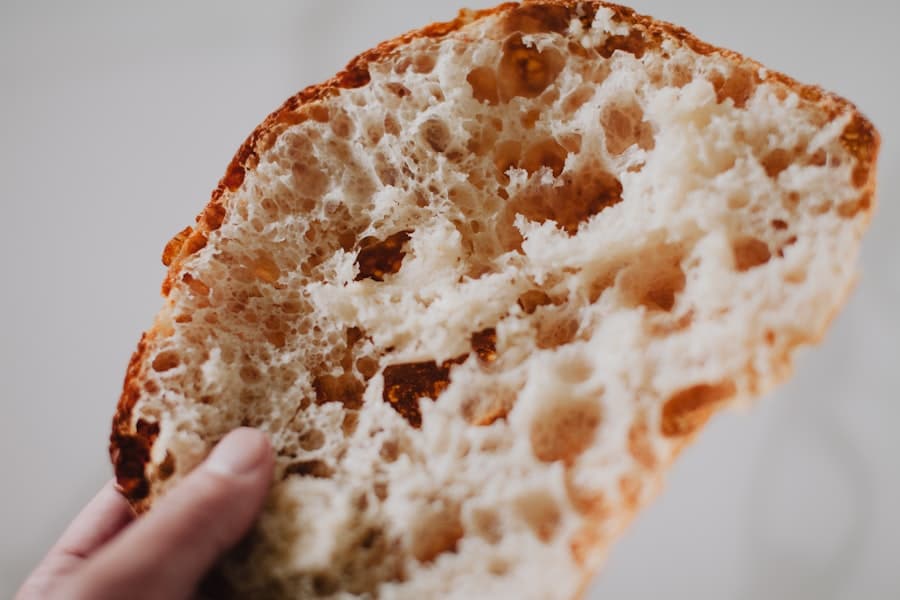
When it comes to making keto bread, the choice of ingredients is crucial. The foundation of most keto bread recipes includes low-carb flours such as almond flour or coconut flour. Almond flour is particularly popular due to its mild flavor and versatility, while coconut flour is known for its absorbent properties and slightly sweet taste.
Depending on your preference, you can choose one or a combination of these flours to achieve the desired texture and flavor. In addition to low-carb flours, other essential ingredients often include eggs, which provide structure and moisture; baking powder or baking soda for leavening; and salt for flavor enhancement. Some recipes may also incorporate ingredients like psyllium husk or flaxseed meal to improve texture and add fiber.
You might also consider adding herbs or spices to elevate the flavor profile of your keto bread. By carefully selecting your ingredients, you can create a delicious loaf that meets your dietary needs while satisfying your taste buds.
Step-by-step Instructions for Making Keto Bread
Making keto bread at home is a straightforward process that can be accomplished in just a few simple steps. First, preheat your oven to the appropriate temperature—usually around 350°F (175°C). While the oven is heating up, gather all your ingredients and prepare a loaf pan by greasing it lightly or lining it with parchment paper to prevent sticking.
Next, in a mixing bowl, combine your chosen low-carb flour with baking powder and salt. In a separate bowl, whisk together the eggs until they are frothy, then add any additional wet ingredients such as melted butter or oil. Gradually mix the wet ingredients into the dry ingredients until a smooth batter forms.
If you’re using psyllium husk or flaxseed meal, be sure to incorporate them at this stage for optimal texture. Pour the batter into the prepared loaf pan and smooth the top with a spatula before placing it in the oven. Bake the bread for approximately 30-40 minutes or until it turns golden brown and a toothpick inserted into the center comes out clean.
Once baked, allow the bread to cool in the pan for a few minutes before transferring it to a wire rack to cool completely. This cooling period is essential as it helps set the texture of the bread. After cooling, slice and enjoy your homemade keto bread!
Tips for Baking the Perfect Keto Bread
To achieve the best results when baking keto bread, there are several tips you should keep in mind. First and foremost, measuring your ingredients accurately is crucial. Since low-carb flours behave differently than traditional wheat flour, even slight variations in measurement can affect the final product’s texture and taste.
Using a kitchen scale can help ensure precision in your measurements. Another important tip is to allow your eggs and other refrigerated ingredients to come to room temperature before mixing them into your batter. This can help create a smoother batter and improve the overall rise of your bread during baking.
Additionally, consider experimenting with different baking times based on your oven’s performance; some ovens may require slight adjustments to achieve that perfect golden crust. Lastly, don’t be afraid to customize your recipe! Adding seeds, nuts, or herbs can enhance both flavor and texture.
If you prefer a sweeter loaf, consider incorporating sugar substitutes like erythritol or stevia. The beauty of baking keto bread lies in its versatility—feel free to make it uniquely yours!
Variations of Keto Bread Recipe
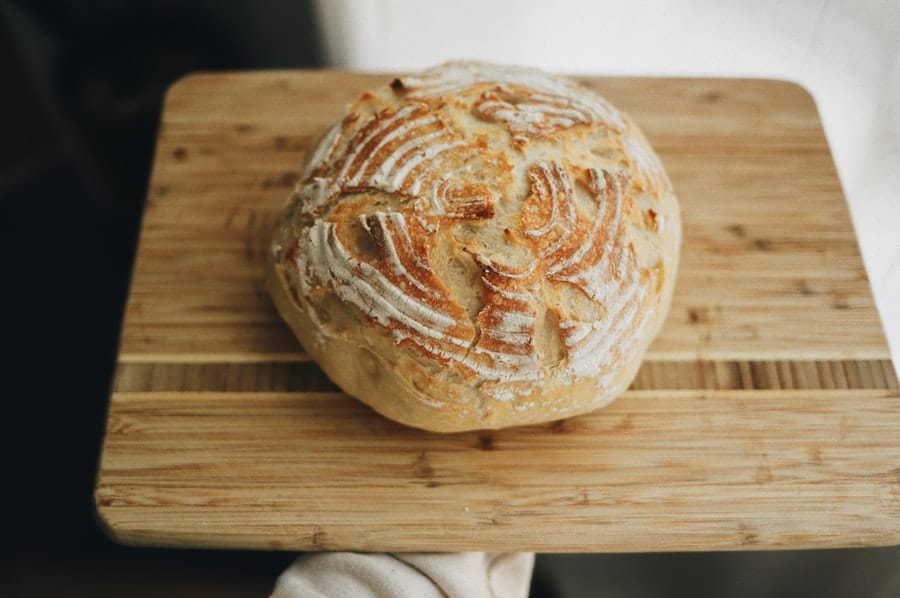
Keto bread is incredibly versatile, allowing you to experiment with various flavors and textures. One popular variation is garlic herb keto bread, where minced garlic and fresh herbs like rosemary or thyme are added to the batter for an aromatic twist. This variation pairs beautifully with soups or as a side dish for dinner.
Another exciting option is cheese-stuffed keto bread. By incorporating shredded cheese into the batter or creating a cheesy filling, you can enjoy a savory treat that’s perfect for snacking or as an accompaniment to meals. For those who enjoy a touch of sweetness, consider making cinnamon swirl keto bread by adding cinnamon and a sugar substitute to create a delightful breakfast option.
Serving Suggestions for Keto Bread
Once you’ve baked your delicious keto bread, you’ll want to explore various ways to serve it. One classic option is to use it as a base for sandwiches—layering meats, cheeses, and vegetables between slices creates a satisfying meal that adheres to your low-carb lifestyle. You might also consider making avocado toast by mashing ripe avocado on top of toasted slices and sprinkling with salt and pepper for a nutritious breakfast or snack.
Keto bread also shines when served alongside soups or salads. Its hearty texture makes it an excellent companion for dipping into broths or enjoying with fresh greens. For those who enjoy breakfast foods, consider using keto bread for French toast by soaking slices in an egg mixture flavored with vanilla extract and cinnamon before cooking them on a skillet until golden brown.
Storing Keto Bread
Proper storage is essential for maintaining the freshness of your homemade keto bread. If you plan to consume it within a few days, store it in an airtight container at room temperature. This will help prevent it from drying out while keeping it soft and enjoyable.
For longer storage options, consider freezing your keto bread. Slice it into individual portions before wrapping each slice tightly in plastic wrap or aluminum foil. Place the wrapped slices in a freezer-safe bag or container to protect them from freezer burn.
When you’re ready to enjoy some bread again, simply thaw it at room temperature or pop it in the toaster for a quick reheating option.
Frequently Asked Questions about Keto Bread
As you embark on your journey with keto bread, you may have some questions about its preparation and consumption. One common question is whether keto bread can be made without eggs. While eggs play a crucial role in providing structure and moisture, there are egg substitutes available such as flaxseed meal mixed with water or unsweetened applesauce that can work in certain recipes.
Another frequently asked question revolves around the shelf life of keto bread. Generally speaking, homemade keto bread can last up to five days when stored properly at room temperature; however, freezing it can extend its shelf life significantly—up to three months without compromising quality.
Health Considerations for Keto Bread
While keto bread offers numerous benefits for those following a low-carb diet, it’s essential to consider individual health needs when incorporating it into your meals. For instance, if you have nut allergies, almond flour may not be suitable for you; instead, explore alternatives like sunflower seed flour or flaxseed meal-based recipes. Additionally, while keto bread is lower in carbohydrates than traditional options, moderation is still key.
Overindulging in any type of bread—keto or not—can lead to excess calorie consumption that may hinder weight loss efforts. Always listen to your body’s hunger cues and enjoy keto bread as part of a balanced diet rich in whole foods.
Conclusion and Final Thoughts on Keto Bread Recipe
In conclusion, keto bread presents an exciting opportunity for those seeking delicious alternatives while adhering to a low-carb lifestyle. With its myriad benefits—from stabilizing blood sugar levels to providing essential nutrients—keto bread allows you to enjoy familiar flavors without compromising your dietary goals. By understanding its ingredients and preparation methods, you can create mouthwatering loaves that cater to your taste preferences.
As you experiment with different recipes and variations of keto bread, remember that creativity knows no bounds in the kitchen! Whether you’re crafting savory loaves or sweet treats, each slice brings you one step closer to satisfying those cravings while staying true to your health objectives. So roll up your sleeves and start baking—your taste buds will thank you!
FAQs
What is a keto diet?
A keto diet is a low-carb, high-fat diet that has been shown to help with weight loss and improve overall health. It involves reducing carbohydrate intake and replacing it with fat, which puts the body into a metabolic state called ketosis.
What is keto bread?
Keto bread is a type of bread that is made with low-carb, high-fat ingredients to fit into a keto diet. It typically uses almond flour, coconut flour, eggs, and other keto-friendly ingredients to create a bread that is low in carbohydrates.
What are the benefits of keto bread?
Keto bread allows those following a keto diet to still enjoy bread while staying within their carbohydrate limits. It can help satisfy cravings for bread and make it easier to stick to a keto diet.
What is an easy keto bread recipe?
An easy keto bread recipe is a simple recipe for making keto-friendly bread at home. It typically involves mixing together ingredients such as almond flour, eggs, baking powder, and salt, then baking the mixture to create a loaf of keto bread.
Is keto bread suitable for everyone?
Keto bread is suitable for those following a keto diet or looking to reduce their carbohydrate intake. However, it may not be suitable for those with nut allergies, as many keto bread recipes use almond flour or other nut-based ingredients.