
Embarking on a ketogenic lifestyle can be both exciting and daunting. At its core, the ketogenic diet is a high-fat, low-carbohydrate eating plan designed to shift your body into a state of ketosis. In this metabolic state, your body becomes highly efficient at burning fat for energy instead of relying on carbohydrates.
This shift can lead to various benefits, including weight loss, improved mental clarity, and increased energy levels. As you delve into this lifestyle, it’s essential to grasp the fundamental principles that govern it, as well as the potential impacts on your overall health. To truly embrace the ketogenic lifestyle, you must understand the macronutrient ratios that define it.
Typically, a ketogenic diet consists of approximately 70-75% fats, 20-25% protein, and only about 5-10% carbohydrates. This significant reduction in carbohydrate intake forces your body to adapt and utilize fat as its primary fuel source. As you begin this journey, you may experience a range of physical and mental changes as your body adjusts to this new way of eating.
Key Takeaways
- The ketogenic lifestyle involves consuming high amounts of healthy fats, moderate protein, and very low carbohydrates to induce a state of ketosis.
- Vegetarians and pescatarians can still follow a ketogenic diet by incorporating plant-based fats and protein sources such as avocados, nuts, seeds, and low-carb vegetables, as well as seafood and eggs.
- Healthy fats and proteins are essential for a successful ketogenic diet and can be found in foods like olive oil, coconut oil, grass-fed meats, and fatty fish.
- Navigating carbohydrate restrictions on a ketogenic diet involves avoiding high-carb foods like grains, starchy vegetables, and sugary snacks, while focusing on low-carb options like leafy greens, berries, and non-starchy vegetables.
- Finding alternative sources of nutrients on a ketogenic diet may involve incorporating supplements or seeking out low-carb versions of traditional high-carb foods, such as cauliflower rice or zucchini noodles.
Vegetarian and Pescatarian Ketogenic Options
If you identify as a vegetarian or pescatarian, you might wonder how to navigate the ketogenic landscape while adhering to your dietary preferences. Fortunately, there are plenty of delicious and satisfying options available that align with both a low-carb lifestyle and your ethical choices. Embracing a vegetarian or pescatarian ketogenic diet requires creativity and resourcefulness, but it can be incredibly rewarding as you discover new flavors and ingredients.
For vegetarians, incorporating high-fat foods such as avocados, nuts, seeds, and full-fat dairy products can help you meet your fat intake goals while keeping carbohydrates low. You can whip up delightful dishes like creamy avocado salads or rich nut-based sauces that complement your meals beautifully. On the other hand, if you lean towards a pescatarian diet, you have the added benefit of including fish and seafood, which are excellent sources of protein and healthy fats.
Grilled salmon or sardines can become staples in your meal rotation, providing essential nutrients while keeping your carb count in check.
Incorporating Healthy Fats and Proteins

As you embark on your ketogenic journey, understanding how to incorporate healthy fats and proteins into your meals is vital for success. Healthy fats are the cornerstone of the ketogenic diet, providing energy and supporting various bodily functions. You should focus on sources like olive oil, coconut oil, avocados, and fatty fish.
These fats not only help you achieve ketosis but also promote heart health and reduce inflammation. When it comes to protein, it’s essential to choose high-quality sources that align with your dietary preferences. If you’re vegetarian or pescatarian, consider options like eggs, Greek yogurt, tofu, tempeh, and legumes in moderation.
These protein sources can be combined with healthy fats to create satisfying meals that keep you full and energized throughout the day. For instance, a breakfast of scrambled eggs cooked in coconut oil with spinach and feta cheese can be both delicious and nutritious.
Navigating Carbohydrate Restrictions
Navigating carbohydrate restrictions can be one of the most challenging aspects of adopting a ketogenic lifestyle. As you begin to limit your carb intake, it’s essential to become familiar with which foods are high in carbohydrates and which ones are more suitable for your diet. This knowledge will empower you to make informed choices when grocery shopping or dining out.
You may find that many staple foods in traditional diets are off-limits on a ketogenic plan. Bread, pasta, rice, and sugary snacks are typically high in carbs and should be avoided or significantly reduced. Instead, focus on incorporating low-carb vegetables like leafy greens, broccoli, cauliflower, and zucchini into your meals.
These vegetables not only provide essential vitamins and minerals but also add bulk to your dishes without compromising your carb limits. As you adjust to these restrictions, remember that meal planning can be a valuable tool in ensuring you stay on track while still enjoying a variety of flavors.
Finding Alternative Sources of Nutrients
As you limit certain food groups on a ketogenic diet, it’s crucial to ensure that you’re still getting all the necessary nutrients your body needs to thrive. This may require some creativity in sourcing alternative nutrients that are typically found in higher-carb foods. For instance, if you’re cutting out grains and legumes, consider incorporating nutrient-dense foods like nuts and seeds for fiber and essential vitamins.
Additionally, leafy greens are an excellent source of vitamins A, C, K, and several B vitamins while being low in carbohydrates. You might also explore supplements to fill any potential gaps in your nutrition. Omega-3 fatty acids from fish oil or algae-based supplements can be beneficial if you’re not consuming enough fatty fish regularly.
By being proactive about your nutrient intake, you can maintain optimal health while enjoying the benefits of a ketogenic lifestyle.
Meal Planning and Preparation
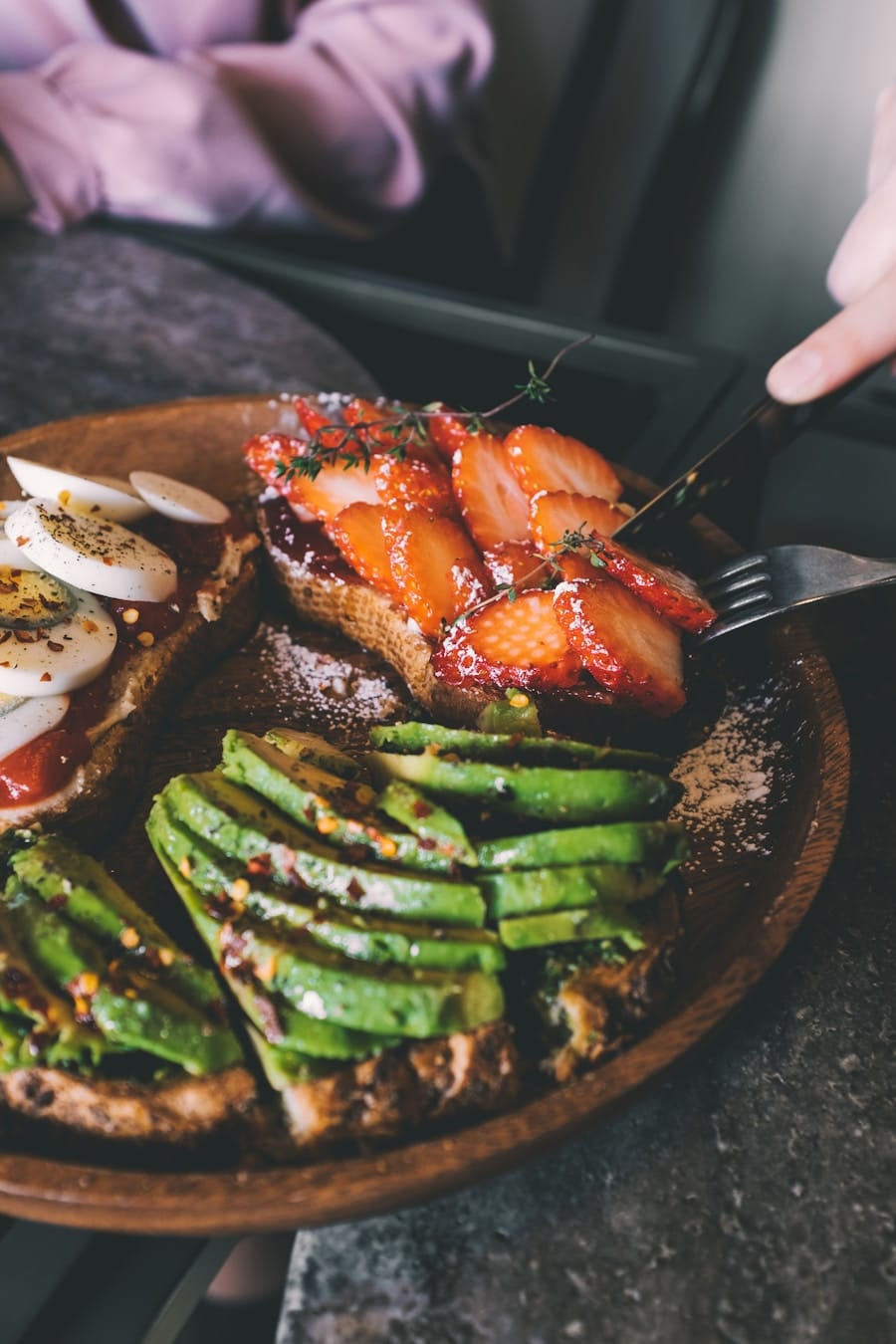
Effective meal planning is one of the most powerful strategies for successfully adhering to a ketogenic diet. By taking the time to plan your meals for the week ahead, you can ensure that you have all the necessary ingredients on hand while minimizing the temptation to stray from your dietary goals. Start by creating a list of keto-friendly recipes that excite you; this will make meal preparation feel less like a chore and more like an enjoyable culinary adventure.
When preparing meals, consider batch cooking or prepping ingredients in advance. For example, you could roast a large batch of vegetables or cook several portions of protein at once to use throughout the week. This approach not only saves time but also makes it easier to assemble quick meals when you’re busy or feeling uninspired.
Additionally, investing in quality storage containers can help keep your prepped ingredients fresh and organized.
Overcoming Challenges and Obstacles
As with any lifestyle change, adopting a ketogenic diet comes with its own set of challenges and obstacles. You may encounter cravings for high-carb foods or feel overwhelmed by social situations where keto-friendly options are limited. It’s important to acknowledge these challenges rather than ignore them; doing so will empower you to find solutions that work for you.
One effective strategy for overcoming cravings is to identify low-carb alternatives that satisfy your desires without derailing your progress. For instance, if you’re craving pasta, consider spiralizing zucchini or using shirataki noodles as a substitute. Additionally, when attending social gatherings or dining out, don’t hesitate to communicate your dietary preferences with friends or restaurant staff; many places are willing to accommodate special requests if they know in advance.
Seeking Support and Resources
Finally, seeking support and resources can significantly enhance your experience as you navigate the ketogenic lifestyle. Connecting with others who share similar dietary goals can provide motivation and encouragement during challenging times. Online forums, social media groups, or local meetups can be excellent platforms for sharing recipes, tips, and personal experiences.
Moreover, consider exploring books or reputable websites dedicated to the ketogenic diet for additional guidance and inspiration. These resources often provide valuable insights into meal planning, cooking techniques, and nutritional information that can help you stay informed and engaged in your journey. Remember that adopting a new lifestyle is a process; surrounding yourself with supportive individuals and reliable resources will make it easier to stay committed to your goals while enjoying the many benefits of a ketogenic lifestyle.
FAQs
What is the ketogenic lifestyle?
The ketogenic lifestyle, also known as the keto diet, is a high-fat, low-carbohydrate diet that has been shown to help individuals lose weight and improve their overall health by putting the body into a state of ketosis.
What are vegetarian and pescatarian dietary preferences?
A vegetarian diet excludes meat, poultry, and seafood, while a pescatarian diet includes fish and other seafood but excludes meat and poultry.
How can individuals with vegetarian or pescatarian dietary preferences maintain the ketogenic lifestyle?
Individuals with vegetarian or pescatarian dietary preferences can maintain the ketogenic lifestyle by focusing on high-fat, low-carbohydrate plant-based foods and incorporating fish and seafood for pescatarians.
What are some examples of vegetarian and pescatarian ketogenic-friendly foods?
Examples of vegetarian ketogenic-friendly foods include avocados, nuts and seeds, low-carbohydrate vegetables, and plant-based oils. Pescatarians can include fatty fish, such as salmon and mackerel, in their ketogenic diet.
Are there any potential challenges for individuals with specific dietary preferences following the ketogenic lifestyle?
Some potential challenges for individuals with specific dietary preferences following the ketogenic lifestyle include ensuring they are getting enough protein and essential nutrients, as well as finding suitable alternatives for high-carbohydrate foods typically avoided on the keto diet.





