
Traveling can be one of life’s greatest joys, offering the chance to explore new cultures, meet diverse people, and indulge in unique culinary experiences. However, if you are committed to a ketogenic lifestyle, you may find that maintaining your dietary principles while on the road presents a set of challenges. The ketogenic diet, which emphasizes high-fat, low-carbohydrate foods, can be difficult to adhere to in environments where traditional meals are often rich in carbohydrates.
You may find yourself faced with the temptation of local delicacies that do not align with your dietary goals, making it essential to plan ahead and strategize. As you embark on your travels, it’s crucial to recognize that the key to successfully maintaining your ketogenic principles lies in preparation and adaptability. By understanding the local cuisine, packing the right snacks, and communicating effectively with restaurant staff, you can navigate your journey without compromising your health goals.
This article will guide you through various strategies to help you stay on track with your ketogenic diet while enjoying the adventure of travel.
Key Takeaways
- Research local cuisine to identify keto-friendly options in diverse culinary traditions
- Pack essential keto-friendly snacks and ingredients for your travels
- Use communication strategies to navigate language barriers and ensure keto-friendly meals
- Modify and customize meals at restaurants to align with ketogenic principles
- Embrace local ingredients and incorporate keto-friendly foods from diverse culinary traditions into your meals
Researching Local Cuisine: How to Identify Keto-Friendly Options in Diverse Culinary Traditions
Before you set off on your journey, take the time to research the local cuisine of your destination. Understanding the traditional dishes and ingredients used in the region can help you identify keto-friendly options that align with your dietary needs.
By familiarizing yourself with these options, you can make informed choices when dining out. You might also consider using mobile apps or websites that provide nutritional information about local dishes. These resources can help you decipher menus and identify which items are lower in carbohydrates.
Additionally, engaging with online communities or forums dedicated to the ketogenic lifestyle can provide valuable insights from fellow travelers who have navigated similar culinary landscapes. By arming yourself with knowledge about local food customs and available ingredients, you can confidently explore new flavors while staying true to your dietary principles.
Packing Essentials: Tips for Bringing Keto-Friendly Snacks and Ingredients on Your Travels

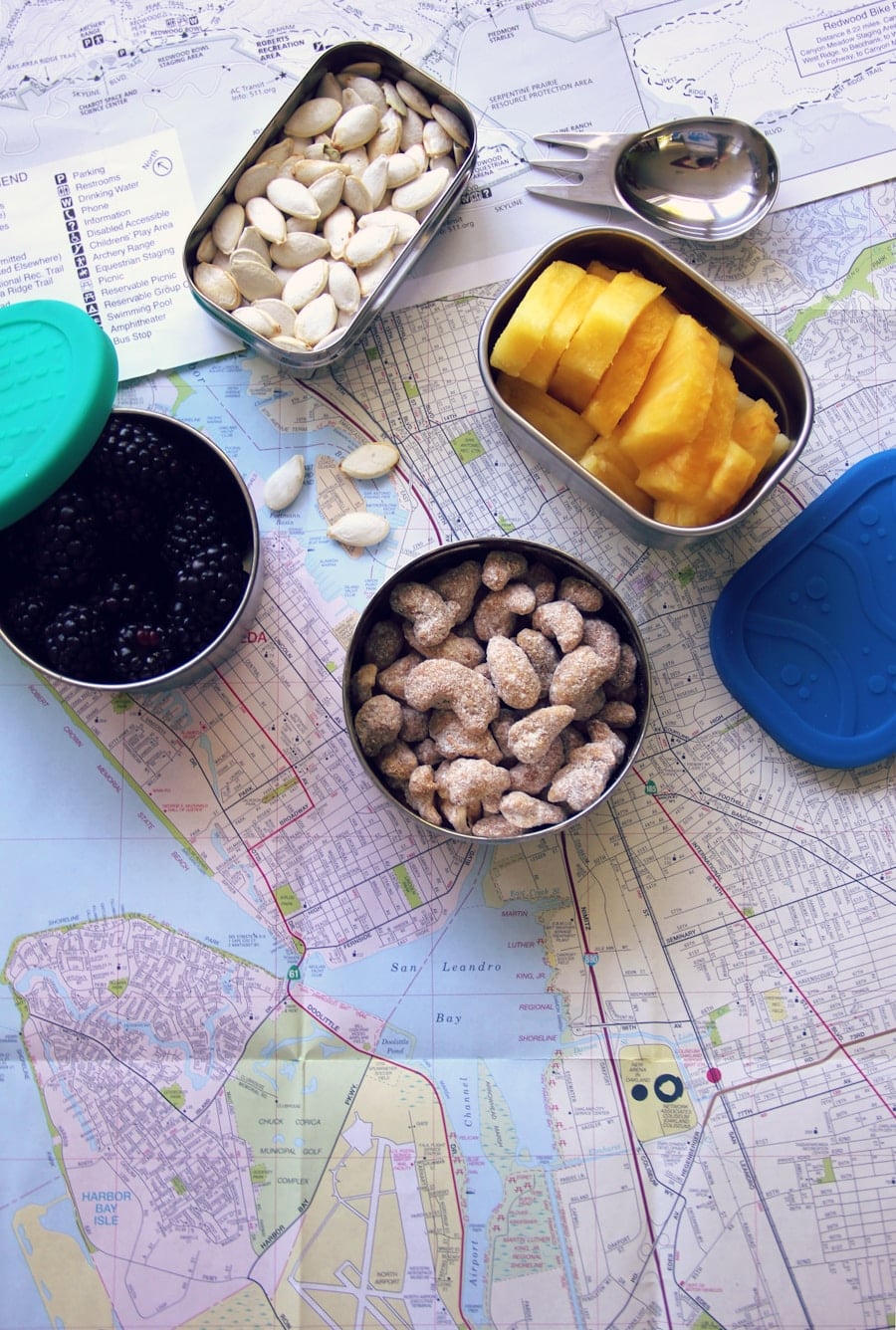
One of the most effective ways to maintain your ketogenic diet while traveling is to pack a selection of keto-friendly snacks and ingredients. This preparation not only ensures that you have access to suitable food options but also helps you avoid the temptation of high-carb snacks that may be readily available during your journey. Consider packing items such as nuts, seeds, cheese crisps, beef jerky, or low-carb protein bars.
These snacks are portable and can easily fit into your carry-on luggage or daypack. In addition to snacks, you might also want to bring along some essential ingredients that can help you create quick meals on the go. For instance, single-serving packets of nut butter or coconut oil can be a great source of healthy fats.
If you have access to a kitchen during your travels, consider bringing along low-carb flour alternatives like almond flour or coconut flour for easy meal preparation. By being proactive about what you pack, you can ensure that you have the necessary tools to maintain your ketogenic lifestyle no matter where your travels take you.
Communication Strategies: Navigating Language Barriers to Ensure Keto-Friendly Meals
When traveling abroad, language barriers can pose a significant challenge when trying to communicate your dietary preferences. To ensure that you receive meals that align with your ketogenic principles, it’s essential to develop effective communication strategies. Before arriving at your destination, consider learning a few key phrases in the local language related to your dietary needs.
Phrases like “low-carb,” “no bread,” or “no sugar” can be incredibly helpful when ordering food. Additionally, using translation apps can facilitate communication with restaurant staff. These apps allow you to input specific dietary requests and translate them into the local language, ensuring that your needs are clearly understood.
You might also consider carrying a printed card that outlines your dietary restrictions in the local language. This card can serve as a helpful reference when dining out, allowing you to convey your preferences without confusion. By taking these steps, you can navigate language barriers more effectively and enjoy meals that align with your ketogenic lifestyle.
Dining Out: How to Modify and Customize Meals at Restaurants to Align with Ketogenic Principles
Dining out while adhering to a ketogenic diet may require some creativity and flexibility. When reviewing a menu, look for dishes that feature protein sources such as meat or fish paired with non-starchy vegetables. You can often customize these meals by requesting substitutions or modifications.
For example, if a dish comes with rice or pasta, ask if it can be replaced with extra vegetables or a side salad instead. Don’t hesitate to communicate openly with your server about your dietary preferences. Most restaurants are willing to accommodate special requests if they understand your needs clearly.
You might also inquire about how certain dishes are prepared; for instance, asking if a sauce contains sugar or if a dish is cooked in vegetable oil rather than butter can help you make informed choices. By being proactive and assertive when dining out, you can enjoy delicious meals without straying from your ketogenic principles.
Embracing Local Ingredients: Incorporating Keto-Friendly Foods from Diverse Culinary Traditions into Your Meals
One of the joys of traveling is discovering new ingredients and flavors unique to different regions. Embracing local ingredients can enhance your culinary experience while still adhering to your ketogenic diet. Many cultures utilize fresh vegetables, herbs, and healthy fats that align perfectly with keto principles.
For instance, Mediterranean cuisine often features olive oil, avocados, and an array of non-starchy vegetables—all excellent choices for maintaining ketosis. When exploring local markets or grocery stores, take the opportunity to experiment with unfamiliar ingredients that fit within your dietary framework. You might discover new types of cheese, meats, or spices that can elevate your meals while keeping them keto-friendly.
Additionally, consider asking locals for their favorite ways to prepare certain ingredients; this not only enriches your culinary knowledge but also allows you to connect with the culture on a deeper level. By incorporating local flavors into your meals, you can enjoy a diverse range of dishes while staying true to your ketogenic lifestyle.
Staying Active: Tips for Incorporating Physical Activity and Exercise into Your Travel Itinerary
Maintaining an active lifestyle while traveling is essential for both physical health and mental well-being.
Consider planning outdoor activities such as hiking, biking, or walking tours that allow you to explore your destination while staying active.
You might also look for opportunities to engage in local fitness classes or activities unique to the area. For example, joining a yoga class on the beach or participating in a dance workshop can provide a fun way to stay fit while immersing yourself in the local culture. If you prefer solo workouts, many hotels offer gym facilities or access to nearby parks where you can exercise freely.
By prioritizing physical activity during your travels, you not only support your ketogenic lifestyle but also enhance your overall travel experience.
Embracing the Adventure of Maintaining Ketogenic Principles While Traveling
Traveling while adhering to a ketogenic diet may present challenges, but it also offers an opportunity for growth and exploration. By preparing in advance—researching local cuisine, packing keto-friendly snacks, and developing effective communication strategies—you can navigate new culinary landscapes without compromising your health goals. Embracing local ingredients and staying active further enriches your travel experience while keeping you aligned with your ketogenic principles.
Ultimately, maintaining a ketogenic lifestyle while traveling is about balance and adaptability. With the right mindset and preparation, you can enjoy delicious meals and exciting adventures without straying from your dietary commitments. So pack your bags with confidence and embark on your next journey knowing that you have the tools necessary to embrace both the adventure of travel and the principles of a ketogenic lifestyle.
FAQs
What are ketogenic principles?
Ketogenic principles involve consuming a high-fat, adequate-protein, and low-carbohydrate diet to induce a state of ketosis in the body.
How can one maintain ketogenic principles while traveling?
One can maintain ketogenic principles while traveling by planning ahead, researching local cuisine, packing keto-friendly snacks, and communicating dietary needs to restaurants and accommodations.
What are some tips for maintaining ketogenic principles in regions with diverse culinary traditions?
Some tips for maintaining ketogenic principles in regions with diverse culinary traditions include focusing on whole foods, opting for grilled or roasted meats, choosing non-starchy vegetables, and being mindful of hidden sugars and carbohydrates in sauces and condiments.
Are there specific challenges to maintaining ketogenic principles while traveling?
Yes, some specific challenges to maintaining ketogenic principles while traveling include limited access to familiar foods, language barriers, and cultural differences in food preparation and ingredients.
How can one navigate diverse culinary traditions while maintaining ketogenic principles?
One can navigate diverse culinary traditions while maintaining ketogenic principles by being open-minded, learning about local ingredients, and being willing to adapt traditional dishes to fit a ketogenic diet.





