
The ketogenic diet, commonly referred to as the keto diet, is a low-carbohydrate, high-fat eating plan that has gained immense popularity in recent years. At its core, the keto diet aims to shift your body’s metabolism from relying on carbohydrates for energy to utilizing fats instead. This metabolic state is known as ketosis, where your body becomes highly efficient at burning fat for fuel.
By drastically reducing your carbohydrate intake and replacing it with healthy fats, you can encourage your body to enter this state, leading to various health benefits, including weight loss and improved mental clarity. To embark on a successful keto journey, it’s essential to understand the macronutrient breakdown that characterizes this diet. Typically, a standard keto diet consists of approximately 70-75% fats, 20-25% protein, and only about 5-10% carbohydrates.
This significant reduction in carbs forces your body to adapt and find alternative energy sources. As you delve deeper into the keto lifestyle, you’ll discover how this shift can not only help you shed unwanted pounds but also enhance your overall well-being. It’s crucial to educate yourself about the types of foods that fit within these macronutrient ratios, as this knowledge will serve as the foundation for your dietary choices moving forward.
Key Takeaways
- The keto diet involves consuming high amounts of healthy fats, moderate protein, and very low carbohydrates to induce a state of ketosis.
- Gradually reducing carb intake can help the body transition into ketosis more smoothly and reduce the likelihood of experiencing keto flu symptoms.
- Incorporating healthy fats and proteins such as avocados, nuts, seeds, and lean meats is essential for a balanced keto diet.
- Finding keto-friendly substitutes for favorite foods, such as cauliflower rice for regular rice, can help maintain satisfaction and adherence to the diet.
- Meal planning and prepping can make it easier to stick to the keto diet and avoid the temptation of high-carb convenience foods.
Gradually Reducing Carb Intake
Transitioning into a ketogenic lifestyle doesn’t have to be an abrupt change; in fact, a gradual reduction in carbohydrate intake can make the process smoother and more sustainable. You might start by assessing your current carb consumption and identifying areas where you can cut back. For instance, if you typically consume a lot of bread, pasta, or sugary snacks, consider replacing them with lower-carb alternatives.
This gradual approach allows your body to adjust to the changes without overwhelming it, minimizing potential side effects associated with a sudden drop in carbs. As you begin to reduce your carb intake, pay attention to how your body responds. You may experience fluctuations in energy levels or cravings for certain foods initially.
This is entirely normal as your body adapts to using fat as its primary fuel source. To ease this transition, focus on incorporating more non-starchy vegetables into your meals, such as leafy greens, broccoli, and zucchini. These foods are not only low in carbs but also packed with essential nutrients that support your overall health.
By taking small steps toward reducing carbs, you’ll set yourself up for long-term success on the keto diet.
Incorporating Healthy Fats and Proteins

Once you’ve started to reduce your carbohydrate intake, the next step is to embrace healthy fats and proteins as the cornerstone of your meals. Healthy fats are essential for providing energy and supporting various bodily functions. You might consider incorporating sources like avocados, olive oil, nuts, seeds, and fatty fish into your diet.
These foods not only help you meet your fat intake goals but also offer a wealth of nutrients that contribute to overall health. In addition to healthy fats, protein plays a vital role in maintaining muscle mass and keeping you feeling satiated. When selecting protein sources, opt for high-quality options such as grass-fed meats, free-range poultry, eggs, and plant-based proteins like tofu or tempeh.
Balancing your meals with both fats and proteins will help you feel full and satisfied while keeping your carb intake low. As you experiment with different recipes and meal combinations, you’ll discover that eating keto doesn’t mean sacrificing flavor or variety; rather, it opens up a world of delicious possibilities.
Finding Keto-Friendly Substitutes for Your Favorite Foods
One of the most exciting aspects of adopting a keto lifestyle is discovering how to recreate your favorite dishes using keto-friendly ingredients. You may find that many traditional recipes can be easily modified to fit within the parameters of the diet. For example, if you love pizza, consider making a cauliflower crust or using almond flour for a low-carb alternative.
Similarly, if you enjoy baking, there are numerous recipes available that utilize coconut flour or almond flour instead of regular flour. Exploring these substitutes not only satisfies your cravings but also allows you to enjoy familiar flavors without derailing your progress. You might also want to experiment with sugar alternatives like erythritol or stevia when sweetening desserts or beverages.
The key is to be creative and open-minded; with a little ingenuity, you can enjoy all the flavors you love while adhering to your keto goals. As you become more comfortable with these substitutions, you’ll likely find that maintaining a keto lifestyle becomes increasingly enjoyable.
Meal Planning and Prepping
Meal planning and prepping are invaluable tools for anyone following the keto diet. By taking the time to plan your meals in advance, you can ensure that you have all the necessary ingredients on hand and avoid last-minute temptations that could lead you astray. Start by dedicating a specific day each week to outline your meals and snacks for the upcoming days.
This proactive approach not only saves time but also helps you stay organized and focused on your dietary goals. When prepping meals, consider batch cooking items like proteins or vegetables that can be easily reheated throughout the week. You might also want to prepare keto-friendly snacks such as cheese cubes, hard-boiled eggs, or nut mixes to have on hand when hunger strikes.
Having these options readily available will make it easier for you to stick to your plan and resist the urge to reach for high-carb snacks. As you develop a routine around meal planning and prepping, you’ll find that it becomes second nature and significantly enhances your success on the keto diet.
Managing Keto Flu Symptoms
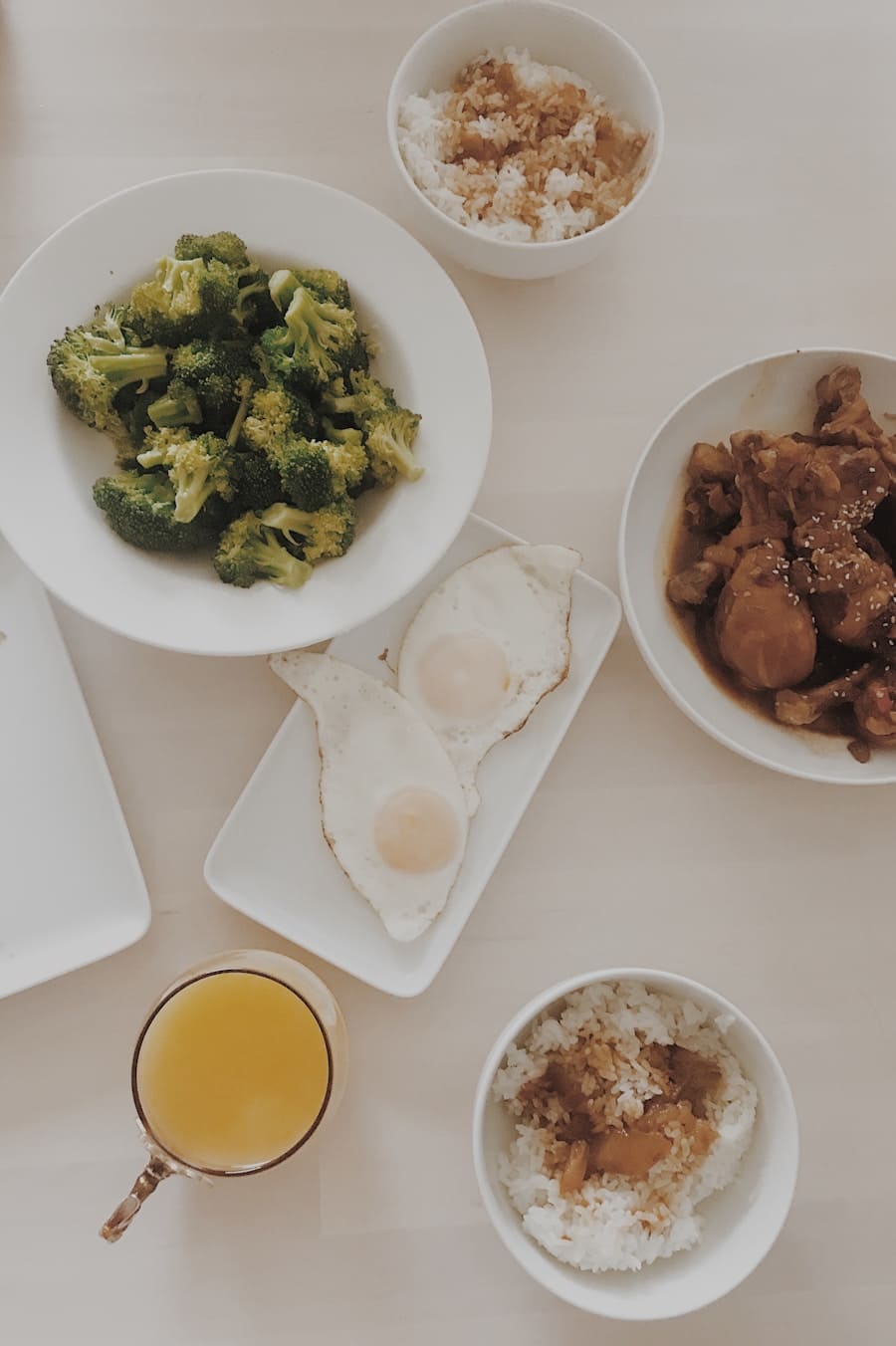
As you transition into ketosis, it’s not uncommon to experience what is often referred to as “keto flu.” This term encompasses a range of symptoms that some individuals may encounter during the initial stages of the diet, including fatigue, headaches, irritability, and cravings. Understanding that these symptoms are temporary can help alleviate any concerns you may have as your body adjusts to its new fuel source. To manage keto flu symptoms effectively, prioritize hydration by drinking plenty of water throughout the day.
Electrolyte balance is also crucial during this transition; consider incorporating foods rich in potassium, magnesium, and sodium into your meals or using supplements if necessary. Additionally, ensure that you’re consuming enough healthy fats and proteins to keep your energy levels stable. Remember that this phase is just a stepping stone toward achieving ketosis; with time and patience, these symptoms will subside as your body adapts.
Seeking Support and Accountability
Embarking on a new dietary journey can sometimes feel isolating, which is why seeking support and accountability is essential for long-term success on the keto diet. Consider joining online communities or local groups where individuals share their experiences, tips, and recipes related to keto living. Engaging with others who are on a similar path can provide motivation and encouragement when challenges arise.
Additionally, having an accountability partner—whether it’s a friend or family member—can significantly enhance your commitment to the diet. Sharing your goals with someone who understands your journey can help keep you focused and motivated. You might even consider setting up regular check-ins or challenges together to celebrate milestones along the way.
Remember that surrounding yourself with supportive individuals can make all the difference in maintaining your dedication to the keto lifestyle.
Staying Flexible and Patient with Yourself
As you navigate the ups and downs of the keto diet, it’s crucial to remain flexible and patient with yourself throughout the process. There may be days when sticking to your plan feels challenging or when cravings become overwhelming; this is entirely normal. Instead of viewing these moments as setbacks, try to approach them with a mindset of understanding and self-compassion.
Allow yourself the grace to adapt as needed; if you find that certain foods trigger cravings or if social situations make it difficult to adhere strictly to keto guidelines, don’t be too hard on yourself. The key is to maintain a long-term perspective rather than striving for perfection every day. By embracing flexibility and patience in your journey, you’ll cultivate a healthier relationship with food while still working toward your goals on the keto diet.
Remember that every step forward counts; celebrate your progress and keep moving forward at your own pace.
FAQs
What is a keto diet?
A keto diet is a high-fat, low-carbohydrate diet that has been shown to help with weight loss and improve certain health conditions. It involves drastically reducing carbohydrate intake and replacing it with fat, which puts the body into a metabolic state called ketosis.
How can I transition to a keto diet?
Transitioning to a keto diet involves gradually reducing carbohydrate intake while increasing fat consumption. It’s important to plan meals carefully and focus on whole, unprocessed foods. It’s also important to stay hydrated and replenish electrolytes during the transition.
What are some common challenges when transitioning to a keto diet?
Common challenges when transitioning to a keto diet include dealing with sugar cravings, experiencing “keto flu” symptoms such as fatigue and headaches, and navigating social situations where carb-heavy foods are prevalent.
How can I avoid feeling overwhelmed when transitioning to a keto diet?
To avoid feeling overwhelmed when transitioning to a keto diet, it’s important to educate yourself about the diet and its potential benefits. Planning meals in advance, seeking support from others, and focusing on the positive changes in your health can also help reduce feelings of overwhelm.
Are there any potential side effects of transitioning to a keto diet?
Some potential side effects of transitioning to a keto diet include “keto flu” symptoms, digestive issues, and changes in energy levels. It’s important to listen to your body and make adjustments as needed during the transition.





