
The ketogenic diet, commonly referred to as the keto diet, has gained immense popularity in recent years as a powerful tool for weight loss and overall health improvement. At its core, the keto diet is a low-carbohydrate, high-fat eating plan that encourages your body to enter a state of ketosis. In this metabolic state, your body becomes highly efficient at burning fat for energy instead of relying on carbohydrates.
This shift not only aids in weight loss but can also lead to various health benefits, including improved mental clarity and increased energy levels. As you embark on your keto journey, it’s essential to understand the fundamental principles behind this diet. By drastically reducing your carbohydrate intake and replacing it with healthy fats, you will force your body to adapt to a new source of fuel.
This transition can be challenging at first, but with the right mindset and preparation, you can set yourself up for success. The keto diet is not just a temporary fix; it’s a lifestyle change that can lead to long-term health benefits if approached correctly.
Key Takeaways
- The keto diet is a high-fat, low-carb diet that aims to put the body into a state of ketosis.
- In the first month of the keto diet, you can expect to experience rapid weight loss, increased energy, and reduced cravings.
- Tracking weight loss and body measurements is important for monitoring progress on the keto diet.
- Many people report increased energy levels and improved mental clarity after adapting to the keto diet.
- Managing cravings and hunger on the keto diet can be achieved by consuming high-fat, low-carb snacks and staying hydrated.
What to Expect in the First Month of the Keto Diet
As you begin your keto journey, the first month can be both exciting and challenging. Initially, you may experience a range of physical and emotional changes as your body adjusts to this new way of eating. Many people report experiencing what is commonly known as the “keto flu,” which can include symptoms such as fatigue, headaches, irritability, and cravings for carbohydrates.
These symptoms are typically temporary and are a sign that your body is transitioning into ketosis. During this first month, it’s crucial to stay committed and patient. You might notice some initial weight loss, primarily due to water weight as your body sheds excess glycogen stores.
However, it’s important to remember that sustainable weight loss takes time. As you continue to adapt to the keto diet, you will likely start to feel more energetic and mentally sharp. Embrace this period of adjustment as an opportunity to learn more about your body and how it responds to different foods.
Tracking Your Progress: Weight Loss and Body Measurements

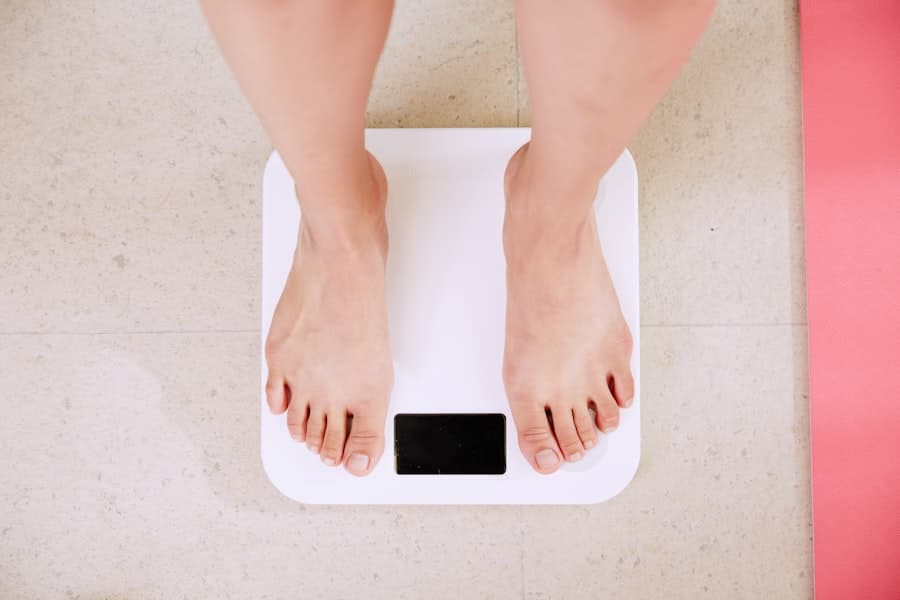
Tracking your progress on the keto diet is essential for staying motivated and understanding how your body is responding to the changes you’re making. While many people focus solely on the number on the scale, it’s important to consider other metrics as well. Taking regular body measurements—such as waist circumference, hip measurements, and even body fat percentage—can provide a more comprehensive view of your progress.
In addition to physical measurements, keeping a food journal can help you stay accountable and identify patterns in your eating habits. Documenting what you eat, how you feel, and any changes in your energy levels can offer valuable insights into what works best for you on the keto diet. Remember that progress isn’t always linear; there may be weeks where the scale doesn’t budge, but other indicators of success—like how your clothes fit or increased stamina—can be just as important.
Changes in Energy Levels and Mental Clarity
One of the most significant benefits of the keto diet is the potential for enhanced energy levels and improved mental clarity. As your body adapts to burning fat for fuel, many people report experiencing more stable energy throughout the day without the typical crashes associated with high-carb diets. This newfound energy can lead to increased productivity and motivation in both work and personal pursuits.
Moreover, many individuals find that their mental clarity improves significantly on the keto diet. The brain thrives on ketones—byproducts of fat metabolism—and this shift can lead to sharper focus and better cognitive function. You may find that tasks that once felt daunting become easier to tackle as your mind becomes clearer.
Embrace these changes as they come; they are often one of the most rewarding aspects of adopting a ketogenic lifestyle.
Managing Cravings and Hunger on the Keto Diet
Cravings and hunger can be significant challenges when transitioning to the keto diet, especially in the early stages. As your body adjusts to lower carbohydrate intake, you may find yourself longing for sugary snacks or starchy foods that were once staples in your diet. However, there are effective strategies you can employ to manage these cravings and keep hunger at bay.
One effective approach is to ensure that you are consuming enough healthy fats in your meals. Fats are satiating and can help curb hunger more effectively than carbohydrates. Incorporating foods like avocados, nuts, seeds, and olive oil into your meals can provide lasting satisfaction.
Additionally, staying hydrated is crucial; sometimes thirst can be mistaken for hunger. Drinking plenty of water throughout the day can help keep cravings at bay and support overall well-being.
Understanding Ketosis and its Effects on the Body
To fully appreciate the benefits of the keto diet, it’s essential to understand ketosis and how it affects your body. Ketosis is a metabolic state in which your body shifts from using glucose (derived from carbohydrates) as its primary source of energy to utilizing ketones (produced from fat). This process occurs when carbohydrate intake is significantly reduced, prompting your liver to convert fatty acids into ketones.
The effects of ketosis can be profound. Many people experience weight loss due to increased fat burning, reduced appetite, and improved insulin sensitivity. Additionally, ketosis has been linked to various health benefits beyond weight loss, including potential improvements in conditions such as epilepsy, type 2 diabetes, and even neurodegenerative diseases.
Understanding these effects can help reinforce your commitment to the keto lifestyle as you witness positive changes in your health.
Potential Side Effects and How to Manage Them
While many people thrive on the keto diet, it’s important to be aware of potential side effects that may arise during your journey. As mentioned earlier, some individuals experience symptoms associated with the “keto flu,” which can include fatigue, headaches, nausea, and irritability during the initial transition period. These symptoms are typically temporary but can be uncomfortable.
To manage these side effects effectively, consider gradually reducing your carbohydrate intake rather than making drastic changes overnight. This approach allows your body more time to adjust to its new fuel source. Additionally, ensuring adequate hydration and electrolyte intake can help alleviate symptoms associated with the keto flu.
Incorporating foods rich in potassium, magnesium, and sodium into your diet or considering supplements may also be beneficial.
The Importance of Hydration and Electrolyte Balance
Hydration plays a crucial role in successfully navigating the keto diet. As you reduce carbohydrate intake, your body tends to excrete more water and electrolytes due to lower insulin levels. This increased fluid loss can lead to dehydration if not properly managed.
Therefore, it’s essential to prioritize hydration by drinking plenty of water throughout the day. In addition to staying hydrated, maintaining electrolyte balance is vital for overall well-being on the keto diet. Electrolytes such as sodium, potassium, and magnesium are essential for various bodily functions, including muscle contractions and nerve signaling.
To support electrolyte balance, consider incorporating foods like leafy greens, nuts, seeds, and avocados into your meals or using electrolyte supplements if needed.
Incorporating Exercise into Your Keto Lifestyle
Exercise is an integral part of any healthy lifestyle, including when following a ketogenic diet. While some individuals may initially feel fatigued during the transition phase, many find that their energy levels improve significantly once they adapt to ketosis. Incorporating regular physical activity into your routine can enhance weight loss efforts and improve overall health.
When starting out on keto, consider focusing on low-intensity exercises such as walking or yoga until you feel more energized. As you become accustomed to this new way of eating, you may find that you have more stamina for higher-intensity workouts like strength training or cardio sessions. Listen to your body and adjust your exercise routine accordingly; finding activities that you enjoy will make it easier to stay consistent.
Celebrating Non-Scale Victories: Improved Mood, Skin, and Sleep
While weight loss is often a primary goal for those starting the keto diet, it’s essential to celebrate non-scale victories along the way. Many individuals report experiencing improvements in mood, skin clarity, and sleep quality after adopting a ketogenic lifestyle. These positive changes can significantly enhance your overall quality of life.
Improved mood is often attributed to stabilized blood sugar levels and reduced inflammation associated with a high-carb diet. Additionally, many people notice clearer skin as they eliminate processed foods and sugars from their diets. Sleep quality may also improve due to better energy regulation throughout the day.
Acknowledging these non-scale victories can help keep you motivated on your journey toward better health.
Reassessing Your Goals and Planning for the Future
As you progress on your keto journey, it’s essential to periodically reassess your goals and plan for the future. Reflecting on what you’ve achieved so far can provide valuable insights into what works best for you and what adjustments may be necessary moving forward. Consider setting both short-term and long-term goals that align with your overall health aspirations.
Additionally, planning for sustainability is crucial when adopting any dietary change. The keto diet should not feel like a restrictive punishment; instead, aim for a balanced approach that allows for occasional indulgences while maintaining overall adherence to your goals. By creating a flexible plan that accommodates both your lifestyle and preferences, you’ll be better equipped to maintain your progress in the long run.
In conclusion, embarking on a ketogenic journey requires commitment and patience but offers numerous benefits for those willing to embrace this lifestyle change. By understanding what to expect in the first month, tracking progress effectively, managing cravings, staying hydrated, incorporating exercise, celebrating non-scale victories, and reassessing goals regularly, you can set yourself up for success on this transformative path toward improved health and well-being.
FAQs
What is the keto diet?
The keto diet is a high-fat, low-carbohydrate diet that has been shown to help with weight loss and improve certain health conditions.
What can you eat on a keto diet?
On a keto diet, you can eat foods such as meat, fish, eggs, dairy, nuts, seeds, and low-carbohydrate vegetables. Foods to avoid include grains, sugar, fruit, and starchy vegetables.
What are the potential benefits of a keto diet?
Some potential benefits of a keto diet include weight loss, improved blood sugar control, and increased levels of HDL (good) cholesterol.
What are the potential risks of a keto diet?
Potential risks of a keto diet include nutrient deficiencies, constipation, and an increased risk of developing kidney stones.
What are the typical results after 1 month on a keto diet?
After 1 month on a keto diet, some people may experience weight loss, improved energy levels, and reduced cravings for sugary foods. However, individual results can vary.





