
Are you considering starting a keto diet but want to know more about its advantages and disadvantages? Look no further! In this article, we will explore the benefits and drawbacks of the keto diet, providing you with all the essential information you need to make an informed decision. From potential weight loss to improved mental clarity, we will highlight the advantages, as well as address concerns such as the risk of nutrient deficiencies and the initial adjustment period. By the end of this article, you’ll have a better understanding of whether the keto diet is right for you. So, let’s jump right in and explore the world of keto diet advantages and disadvantages together!
Advantages of Keto Diet
Weight Loss
The keto diet has gained popularity as an effective way to shed extra pounds. By drastically reducing your intake of carbohydrates and increasing your consumption of healthy fats, your body enters into a state of ketosis. During ketosis, your body begins to burn stored fat for fuel, leading to rapid weight loss. This is especially beneficial for individuals who struggle with traditional diets or have difficulty losing weight through other means.
Improved Blood Sugar Control
Another advantage of the keto diet is improved blood sugar control. When you eat a high-carbohydrate meal, your blood sugar levels spike, which can be problematic for those with diabetes or insulin resistance. By minimizing your carbohydrate intake and prioritizing fats and proteins, you can stabilize your blood sugar levels, reducing the risk of diabetes and maintaining overall metabolic health.
Increased Energy Levels
Following a keto diet can also lead to increased energy levels. By eliminating carbohydrates, which cause blood sugar spikes and crashes, you can experience a more balanced energy throughout the day. The consistent fuel provided by healthy fats can help you feel energized and focused, providing you with the stamina to tackle your daily activities and exercise routines.
Reduced Hunger and Cravings
One of the most appealing benefits of the keto diet is its ability to reduce hunger and cravings. When you consume carbohydrates, your blood sugar levels spike and then drop rapidly, leaving you feeling hungry and unsatisfied. However, the high-fat nature of the keto diet helps you feel fuller for longer, minimizing the urge to snack or overeat. This can be especially beneficial for individuals who struggle with emotional eating or have a difficult time controlling their appetite.
Improved Mental Focus and Clarity
Many followers of the keto diet report improved mental focus and clarity. The brain thrives on a steady supply of glucose, which can be disrupted by fluctuating blood sugar levels. However, when you enter ketosis and your body starts utilizing ketones for energy, your brain is fueled by a more stable energy source. This can enhance cognitive function, improve concentration, and boost overall mental performance.
Lowered Inflammation
Inflammation is a root cause of various chronic diseases, including heart disease, type 2 diabetes, and autoimmune conditions. The keto diet has been shown to have anti-inflammatory effects, potentially reducing the risk of developing these diseases. By eliminating processed foods and refined sugars, which are known to cause inflammation, and focusing on whole, nutrient-dense foods, you can effectively lower inflammation levels and improve your overall health.
Better Heart Health
Following a well-balanced keto diet can lead to better heart health. The diet promotes the consumption of heart-healthy fats like avocados, nuts, and olive oil, while minimizing the intake of saturated and trans fats found in processed foods. This can help reduce the risk of heart disease, lower bad cholesterol levels, and improve overall cardiovascular health.
Improved Skin Health
Another advantage of the keto diet is improved skin health. By eliminating processed foods, sugar, and high-carbohydrate foods, you can potentially reduce the occurrence of skin issues such as acne, eczema, and psoriasis. Additionally, the high consumption of healthy fats and antioxidants found in foods like avocados and fatty fish can improve skin elasticity, hydration, and overall appearance.
Reduced Risk of Certain Diseases
Research suggests that the keto diet may reduce the risk of certain diseases. Studies have shown that the diet can help improve insulin sensitivity, which is beneficial for individuals with type 2 diabetes or prediabetes. Additionally, the diet’s anti-inflammatory effects may help reduce the risk of chronic diseases such as Alzheimer’s, cancer, and metabolic syndrome. While more research is needed, these preliminary findings provide promising evidence for the potential disease-preventive properties of the keto diet.
May Help in the Treatment of Certain Conditions
Beyond the potential for disease prevention, the keto diet has shown promise in the treatment of certain conditions. Epilepsy, for instance, has been found to improve in individuals following a ketogenic diet. The diet’s ability to increase ketone levels in the brain has been shown to reduce the frequency and severity of seizures. Furthermore, some research suggests that the keto diet may be beneficial for individuals with polycystic ovary syndrome (PCOS), migraines, and certain neurological disorders. However, it is important to consult with a healthcare professional before making any significant dietary changes to ensure it is appropriate for your specific condition.
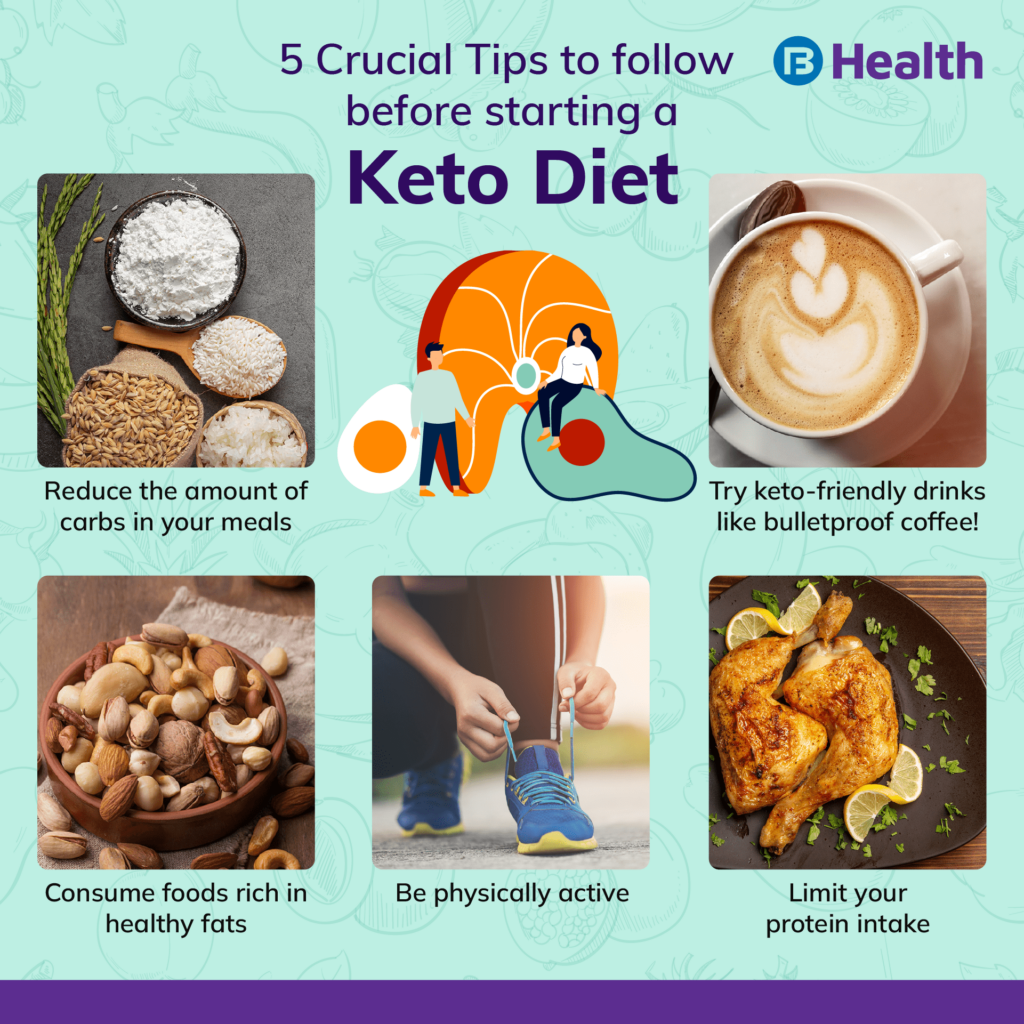
Disadvantages of Keto Diet
Initial Side Effects
One of the biggest disadvantages of the keto diet is the potential for initial side effects. When transitioning to a high-fat, low-carbohydrate diet, your body may go through a phase known as the “keto flu.” This can cause symptoms such as fatigue, dizziness, headaches, and irritability as your body adjusts to using ketones for energy instead of glucose. However, these side effects are often temporary and can be minimized by staying hydrated, getting enough electrolytes, and gradually reducing carbohydrate intake.
Nutrient Deficiencies
Another disadvantage of the keto diet is the potential for nutrient deficiencies. By restricting carbohydrates, you may inadvertently limit your intake of certain essential vitamins, minerals, and fiber. Many high-carbohydrate foods, such as fruits, whole grains, and legumes, are rich sources of these nutrients. To mitigate this risk, it is important to focus on consuming a wide variety of non-starchy vegetables, healthy fats, and quality sources of protein. Additionally, supplementation may be necessary to ensure you are meeting your body’s nutritional needs.
Restrictions on Food Choices
Following a keto diet requires significant restrictions on food choices. Since the diet emphasizes fats and restricts carbohydrates, many foods that are staples in traditional diets are off-limits. This includes grains, starchy vegetables, most fruits, and certain legumes. Additionally, sugar and processed foods are generally not allowed. While this can be manageable for some individuals, it may pose a challenge for those who enjoy a wide variety of foods or have specific dietary preferences.
Difficult to Sustain Long-Term
The sustainability of the keto diet is another disadvantage to consider. The strict nature of the diet can make it difficult for many individuals to stick to in the long run. It is common for people to experience “keto fatigue” or become overwhelmed with the constant calculations and monitoring of macronutrient ratios. Additionally, social situations, dining out, and traveling can become more problematic when following a strict dietary regimen. It is important to weigh the potential benefits against your personal lifestyle and preferences before committing to the keto diet.
Risk of ‘Keto Flu’
As mentioned earlier, the transition into ketosis can result in symptoms known as the “keto flu.” This temporary phase can be uncomfortable and may include symptoms such as fatigue, nausea, brain fog, and difficulty concentrating. While these symptoms usually pass within a few days to a couple of weeks, they can be challenging to endure for some individuals. It is important to be aware of this potential side effect and have strategies in place to manage it effectively, such as gradually reducing carbohydrate intake and ensuring proper hydration.
Potential for Muscle Loss
Another disadvantage of the keto diet is the potential for muscle loss. When carbohydrate intake is restricted, the body starts using protein (muscle) for energy. This can lead to muscle breakdown and a decrease in lean body mass. To mitigate this risk, it is crucial to consume an adequate amount of protein while following the keto diet. Including high-quality protein sources such as lean meats, poultry, fish, and plant-based protein options can help preserve muscle mass and support overall health.
Gastrointestinal Issues
Some individuals may experience gastrointestinal issues when following a keto diet. The change in dietary composition, particularly the increase in fats and decrease in carbohydrates and fiber, can disrupt the digestive system. This may result in symptoms like constipation, diarrhea, bloating, and stomach discomfort. To alleviate these issues, it is important to focus on consuming adequate fiber from non-starchy vegetables, staying hydrated, and potentially incorporating natural sources of fiber, such as chia seeds or flaxseeds into your meals.
Not Suitable for Everyone
While the keto diet can offer numerous benefits, it may not be suitable for everyone. Certain individuals, such as pregnant or breastfeeding women, individuals with a history of eating disorders, or individuals with underlying medical conditions, should exercise caution or avoid following the keto diet altogether. It is crucial to consult with a healthcare professional before embarking on any significant dietary changes to ensure the diet is safe and appropriate for your individual circumstances.
May Require Constant Monitoring
Successfully following a keto diet requires diligent monitoring of food intake. To enter and maintain ketosis, you need to carefully track and calculate your macronutrient ratios, ensuring that the majority of your calories come from healthy fats, followed by moderate protein intake and minimal carbohydrates. This level of attention to detail may be challenging for some individuals, leading to feelings of frustration or becoming overly focused on food. Regular monitoring of ketone levels and blood sugar may also be required for certain situations, adding to the level of commitment and effort necessary to follow the diet effectively.
Lack of Scientific Consensus
While the keto diet has gained popularity, it is important to note that there is still a lack of scientific consensus regarding its long-term effects and safety. Many studies conducted on the keto diet are relatively short-term or have a small sample size, making it challenging to draw definitive conclusions. Additionally, research on the diet’s effects on various health conditions is still emerging. While the existing evidence suggests potential benefits, more extensive research is needed to establish the full scope of the diet’s advantages and disadvantages accurately.
In conclusion, the keto diet offers several advantages, including weight loss, improved blood sugar control, increased energy levels, reduced hunger and cravings, improved mental focus and clarity, lowered inflammation, better heart health, improved skin health, reduced risk of certain diseases, and potential benefits in the treatment of specific conditions. However, it is essential to consider the disadvantages, such as initial side effects, nutrient deficiencies, restrictions on food choices, difficulties in long-term sustainability, the risk of ‘keto flu,’ potential for muscle loss, gastrointestinal issues, suitability for everyone, constant monitoring requirements, and the lack of scientific consensus on its long-term effects. It is advisable to consult with a healthcare professional before starting the keto diet to ensure it aligns with your individual goals, health status, and preferences.


