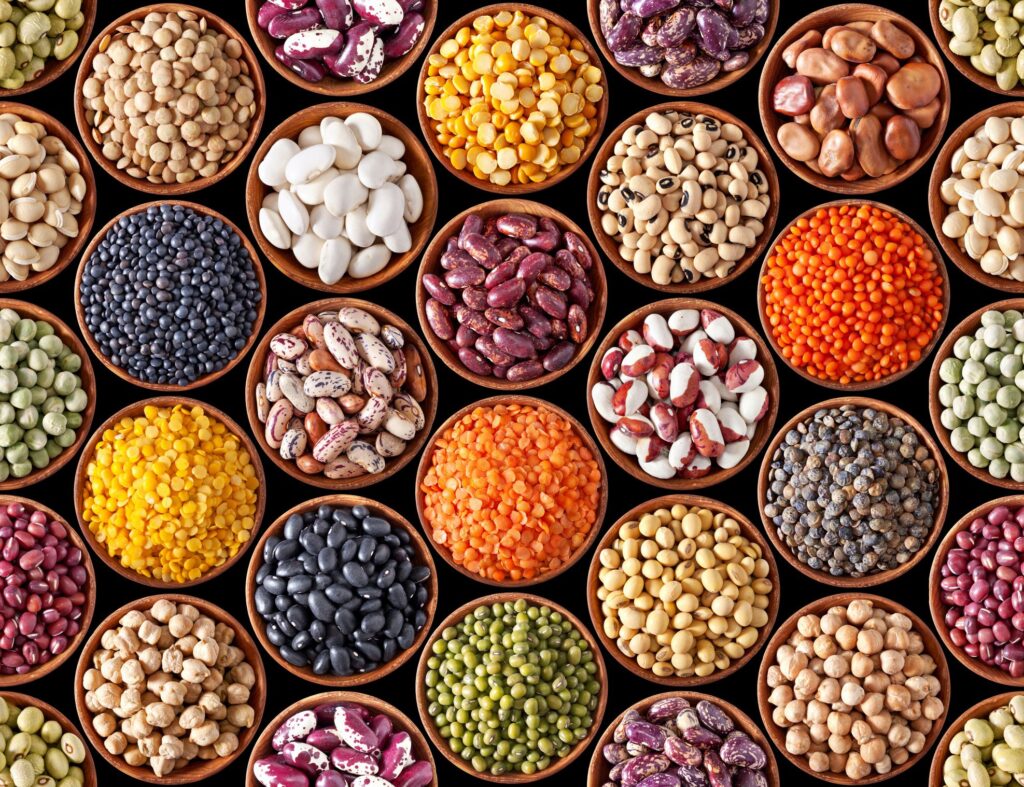
If you’re on a ketogenic diet and you thought you had to say goodbye to beans, think again! The Keto Diet Beans article will provide you with all the information you need to know about incorporating beans into your low-carb, high-fat diet. Discover how beans can fit into your keto lifestyle, the nutritional benefits they offer, and the best types of beans to enjoy while on the keto diet. It’s time to rekindle your love for these versatile legumes without compromising your weight loss goals or overall health.
Overview of Keto Diet
Definition of Keto Diet
The keto diet, short for ketogenic diet, is a low-carbohydrate, high-fat diet that has gained popularity in recent years. It involves restricting the intake of carbohydrates and replacing them with healthy fats. By significantly reducing the consumption of carbs, the body enters a metabolic state known as ketosis, where it becomes highly efficient at burning fat for energy.
Principles of Keto Diet
The main principle of the keto diet is to switch the body’s primary source of fuel from carbohydrates to fat. This is achieved by severely limiting the intake of carbohydrates, typically to less than 50 grams per day. In this state of ketosis, the liver produces ketones from fat, which are used as an alternative energy source by the body and the brain. The diet emphasizes the consumption of healthy fats, moderate amounts of protein, and a limited intake of carbohydrates.
Benefits of Keto Diet
The keto diet has been praised for its numerous benefits. One of the main advantages is weight loss. When the body is in ketosis, it becomes more efficient at burning stored fat for energy, leading to significant weight loss. Additionally, the diet has shown to improve insulin sensitivity and blood sugar control, making it beneficial for individuals with type 2 diabetes or prediabetes. The keto diet has also been linked to increased energy levels, improved mental focus, and reduced inflammation in the body.
Food Restrictions on Keto Diet
To maintain a state of ketosis, certain foods must be restricted on the keto diet. High-carbohydrate foods such as grains, legumes, sugar, and starchy vegetables are generally avoided. This means that popular staple foods like bread, pasta, rice, potatoes, and beans should be limited or excluded from the diet. However, it is important to note that not all beans are created equal in terms of their carbohydrate content. Some beans can be incorporated into the keto diet in moderation, while others may need to be avoided altogether.
What are Beans?
Types of Beans
Beans are a type of legume that are commonly consumed around the world. They come in various shapes, sizes, and colors, and are known for their versatility in cooking. Common types of beans include black beans, kidney beans, pinto beans, chickpeas, lentils, and navy beans, among others. Each type of bean has its own unique flavor and texture, making them suitable for a wide range of dishes.
Nutritional Value of Beans
Beans are an excellent source of nutrition, offering a wide variety of vitamins, minerals, and other beneficial compounds. They are rich in protein, which is essential for muscle growth and repair. Beans also provide important vitamins such as folate, iron, and magnesium. Furthermore, beans are a good source of complex carbohydrates, which are digested more slowly than simple sugars, providing a steady release of energy throughout the day.
Fiber Content in Beans
One of the standout nutritional components of beans is their high fiber content. Fiber is a type of carbohydrate that the body cannot digest, meaning it provides no calories or impact on blood sugar levels. The fiber found in beans aids in digestion, promotes regular bowel movements, and contributes to feelings of fullness and satiety. Including fiber-rich foods like beans in the diet can help prevent constipation and support overall gut health.
Carbohydrate Content in Beans
While beans offer numerous health benefits, they also contain carbohydrates, which can be a concern for individuals following a strict keto diet. The carbohydrate content of beans varies depending on the type and preparation method. Generally, beans are considered a moderate to high-carbohydrate food. They typically contain around 20-30 grams of carbohydrates per serving, with some types containing as much as 40 grams per serving. However, not all of the carbohydrates found in beans are considered equal under the keto diet, as some are classified as fiber and do not impact blood sugar levels.
Are Beans Keto-friendly?
Keto Diet and Carbohydrate Limit
A key aspect of the keto diet is to limit carbohydrate intake to induce ketosis. Most individuals following a strict keto diet aim to consume fewer than 50 grams of net carbohydrates per day. Net carbs refer to the total carbohydrates minus the fiber content, as fiber does not significantly affect blood sugar levels. Therefore, it is crucial to consider the net carb count when determining if a particular food, such as beans, is keto-friendly.
Net Carbs in Beans
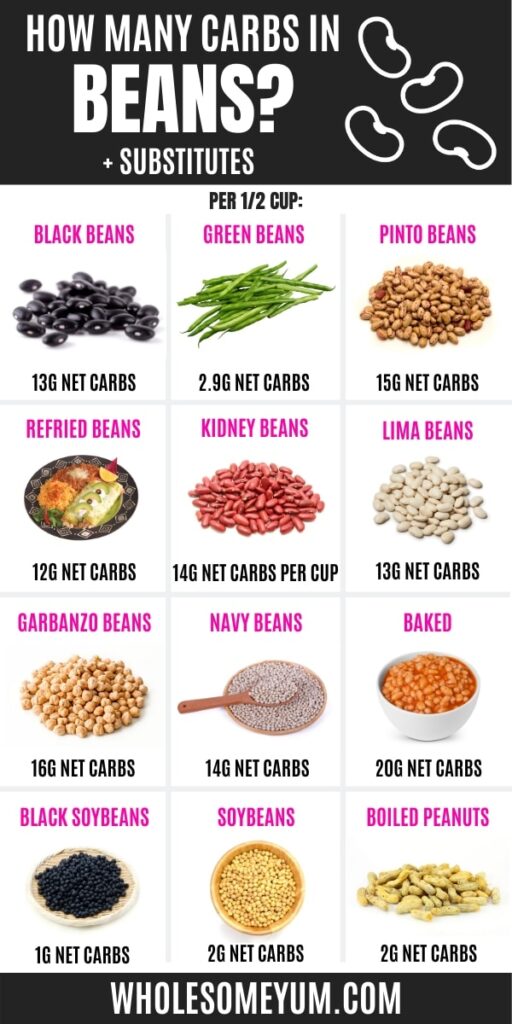
When determining the net carb count of beans, it is important to consider their fiber content. Fiber is not digested and does not significantly impact blood sugar levels. Subtracting the fiber grams from the total carbohydrate grams gives the net carb count. For example, half a cup of black beans contains approximately 20 grams of total carbohydrates, but around 8 grams are fiber. Thus, the net carb count would be 12 grams, making black beans a moderate-carb option on a keto diet.
Glycemic Index of Beans
The glycemic index (GI) is a scale that measures how quickly and significantly a food raises blood sugar levels. Foods with a high GI cause a rapid spike in blood sugar, while low GI foods have a slower, more gradual effect. Beans generally have a low to moderate glycemic index, meaning they have a slower impact on blood sugar levels compared to high glycemic foods like white bread or refined sugar. Incorporating low GI foods like beans into the diet can help promote stable blood sugar levels and sustained energy.
Effects of Beans on Ketosis
As mentioned earlier, ketosis is the metabolic state in which the body uses ketones for fuel instead of glucose derived from carbohydrates. While beans do contain carbohydrates, their fiber content can help slow down the release of glucose into the bloodstream. This slower release can minimize the impact on blood sugar levels and potentially allow individuals to maintain ketosis while enjoying beans in moderation. However, it is important to monitor individual carbohydrate tolerance and adjust consumption accordingly to maintain the desired state of ketosis.
Best Keto-friendly Beans
Green Beans
Green beans, also known as string beans or snap beans, are a popular choice for individuals following a keto diet. They are low in carbohydrates and high in fiber, making them a suitable addition to keto-friendly meals. Green beans are versatile and can be cooked in various ways, such as steaming, sautéing, or roasting. They add a healthy crunch to salads, stir-fries, and side dishes.
Lentils
Lentils are a type of legume that come in a variety of colors, including brown, green, and red. While lentils are higher in carbohydrates compared to some other beans, they are an excellent source of fiber and protein. Moderation is key when incorporating lentils into a keto diet. A small serving of cooked lentils can add texture and flavor to soups or stews while providing valuable nutrients.
Black Soybeans
Black soybeans are an excellent choice for individuals following a keto diet due to their low carbohydrate content. They contain about 2 grams of net carbs per half-cup serving and are high in fiber and protein. Black soybeans can be used in a variety of dishes, such as salads, stir-fries, and chili. They have a similar texture to other beans and can be a great substitute when creating keto-friendly recipes.
Pinto Beans
Pinto beans are a type of bean that is commonly used in Mexican and Southwestern cuisine. They have a moderate carbohydrate content and provide a good amount of fiber and protein. Pinto beans can be used in dishes like chili, soups, or as a side dish. It is important to consume pinto beans in moderation to ensure they fit within the daily carbohydrate limit of a keto diet.
Kidney Beans
Kidney beans, named for their distinct shape, are another type of bean that can be incorporated into a keto diet in moderation. They have a moderate carbohydrate content and are a great source of fiber and essential nutrients. Kidney beans are often used in chili recipes or as an ingredient in salads. As with other beans, portion control is essential to stay within the daily carbohydrate limit.

Preparing Beans for a Keto Diet
Soaking and Sprouting
To make beans more digestible and reduce antinutrient content, soaking and sprouting methods can be employed. Soaking dried beans in water overnight helps to soften them and remove some of the phytic acid and tannins present in the beans. Sprouting beans involves soaking them and allowing them to germinate, which reduces phytic acid and enzyme inhibitors while increasing nutrient availability. Both soaking and sprouting can aid in breaking down complex carbohydrates and reduce the carbohydrate content of beans, potentially making them more suitable for a keto diet.
Cooking Methods
When preparing beans for a keto diet, it is important to choose cooking methods that retain their nutritional value and minimize added fats or carbohydrates. Steaming, boiling, or pressure cooking beans without the addition of excessive oils or sugars is recommended. These cooking methods help ensure that the beans are cooked thoroughly while preserving their essential nutrients.
Portion Control
While some types of beans can be included in a keto diet, portion control is crucial to avoid exceeding the daily carbohydrate limit. It is essential to measure serving sizes carefully and keep track of carbohydrate intake from beans and other sources throughout the day. Following appropriate portion sizes will help maintain ketosis and prevent unintentional consumption of excess carbohydrates.
Combining Beans with Keto-friendly Ingredients
To make beans more suitable for a keto diet, they can be combined with other low-carb, high-fat ingredients. For example, adding avocado, olive oil, or cheese to a bean salad can help increase the fat content of the dish and balance out the carbohydrate content. Combining beans with keto-friendly ingredients can create satisfying, flavorful meals while ensuring that overall carbohydrate intake remains within the desired range.
Health Benefits of Beans
Rich Source of Fiber and Protein
Beans are a rich source of both fiber and protein, two essential nutrients for overall health. Both fiber and protein contribute to feelings of fullness, which can help with weight management and prevent overeating. Additionally, the fiber found in beans supports healthy digestion and promotes regular bowel movements. Protein is crucial for muscle growth and repair, making beans an excellent choice for individuals following a keto diet who may have increased protein needs.
Micronutrients in Beans
In addition to fiber and protein, beans also provide a wide range of essential vitamins and minerals. They are a good source of folate, iron, magnesium, potassium, and other micronutrients that play important roles in maintaining overall health. Including beans in a well-balanced keto diet can help ensure a diverse intake of vital nutrients that support various bodily functions.
Promotes Weight Loss
Beans can be a valuable ally in weight loss efforts due to their high fiber and protein content. The combination of fiber and protein helps promote satiety and reduce hunger, which can prevent overeating and aid in weight management. Additionally, the slow digestion of fiber-rich foods like beans can help stabilize blood sugar levels and prevent energy crashes, maintaining steady energy levels throughout the day.
Improves Gut Health
The high fiber content in beans provides prebiotic properties that promote the growth of beneficial gut bacteria. These bacteria play a crucial role in maintaining a healthy gut microbiome, which is essential for overall digestive health. Consuming a variety of fiber-rich foods, including beans, can help support a diverse and thriving gut microbiota, contributing to improved digestion and a stronger immune system.

Considerations and Risks
Individual Variations in Carbohydrate Tolerance
It is important to recognize that individuals have varied levels of carbohydrate tolerance and may respond differently to beans in a keto diet. Some individuals may be able to incorporate small to moderate amounts of beans and remain in ketosis, while others may need to strictly limit or exclude beans from their diet. Monitoring blood sugar levels, ketone levels, and individual responses to different foods is crucial in determining personal carbohydrate tolerance and making appropriate adjustments to the diet.
Antinutrients in Beans
While beans offer many health benefits, they also contain antinutrients, which are compounds that can interfere with the absorption of certain nutrients. Phytic acid and lectins are two common antinutrients found in beans. Soaking, sprouting, and cooking beans can help reduce the levels of these antinutrients and enhance nutrient availability. However, individuals with specific dietary restrictions or sensitivities may need to be cautious when consuming beans and consult with a healthcare professional or registered dietitian.
Digestive Issues
Beans are notorious for causing digestive issues such as gas and bloating in some individuals. This is mainly due to their high fiber content and the presence of complex carbohydrates that can be difficult to digest. Soaking and cooking beans thoroughly can help reduce these digestive issues by breaking down the complex carbohydrates and making the beans more digestible. Introducing beans gradually into the diet and listening to the body’s response can help identify individual tolerance levels and minimize discomfort.
Possible Allergies
While rare, some individuals may be allergic to beans or specific types of beans. Allergies to legumes, including beans, can cause symptoms such as hives, itching, difficulty breathing, or gastrointestinal distress. If any allergy symptoms occur after consuming beans, it is important to seek medical advice and discontinue consumption. Avoiding allergenic beans and opting for alternative options may be necessary for individuals with confirmed allergies.
Incorporating Beans into a Keto Meal Plan
Calculating Net Carbs
When incorporating beans into a keto meal plan, it is important to calculate net carbs accurately. Net carbs refer to the total carbohydrates minus the fiber content, as fiber does not significantly impact blood sugar levels. By counting net carbs, individuals can ensure they stay within their daily carbohydrate limit and maintain ketosis. It is essential to read food labels or use trusted nutritional resources to determine the net carb count of specific bean varieties and adjust portion sizes accordingly.
Recipes for Keto-friendly Bean Dishes
There are numerous ways to enjoy beans while adhering to a keto diet. Here are a few keto-friendly bean recipes to consider:
-
Keto-friendly Black Bean Soup: Made with black soybeans, low-sodium broth, onions, spices, and topped with a dollop of sour cream or avocado, this hearty soup is packed with flavor and nutrients.
-
Green Bean Salad with Feta and Walnuts: This refreshing salad combines blanched green beans, crumbled feta cheese, toasted walnuts, olive oil, and lemon juice. It makes a delicious side dish or light meal.
-
Lentil Curry with Cauliflower Rice: A spicy and flavorful dish that combines cooked lentils, cauliflower rice, coconut milk, and a blend of aromatic spices. This curry is a satisfying keto option that is packed with plant-based protein.
-
Pinto Bean and Chicken Enchiladas: Use low-carb tortillas and a filling made with cooked pinto beans, shredded chicken, onions, and spices to create a delicious and satisfying enchilada dish. Top with a keto-friendly enchilada sauce and a sprinkle of cheese.
Meal Planning Tips
When incorporating beans into a keto meal plan, it is essential to consider portion sizes, total carbohydrate intake, and overall macronutrient balance. Here are some meal planning tips for including beans in a keto diet:
-
Plan meals in advance, keeping track of total carbohydrate and net carb intake from beans and other sources throughout the day.
-
Use smaller portions of higher-carb beans such as lentils or pinto beans, and combine them with keto-friendly vegetables, healthy fats, and protein sources to create a well-rounded meal.
-
Aim to consume beans earlier in the day when the body may have a higher tolerance for carbohydrates and a better ability to utilize them for energy.
-
Prioritize variety by incorporating other low-carb vegetable and protein sources alongside beans to ensure a diverse nutrient intake and prevent boredom.

Alternative Bean Substitutes on Keto Diet
Vegetable Substitutes
While beans can be included in a keto diet in moderation, individuals who prefer to minimize carbohydrate intake or have specific dietary restrictions can consider alternative vegetable options. Some low-carb vegetable substitutes include zucchini, cauliflower, broccoli, spinach, and kale. These vegetables provide similar nutrients and can be used in various recipes to replace the texture and bulkiness of beans.
Seed Substitutes
Seeds, such as chia seeds, flaxseeds, and hemp seeds, are excellent alternatives for individuals following a keto diet looking to add fiber, healthy fats, and texture to their meals. These seeds are low in carbohydrates, high in fiber, and offer a range of essential nutrients, including omega-3 fatty acids.
Nut Substitutes
Nuts, including almonds, walnuts, and macadamia nuts, are another great choice for individuals seeking keto-friendly alternatives to beans. Nuts are high in healthy fats, low in carbohydrates, and offer a good amount of fiber and protein. They can be enjoyed as a snack, incorporated into salads, or used as toppings for various dishes to add flavor and crunch.
Other Low-carb Options
Individuals following a keto diet can also explore other low-carb options, such as shirataki noodles, konjac rice, or low-carb whole grains like quinoa. These alternatives provide bulk, texture, and nutritional benefits without significantly impacting blood sugar levels. Experimenting with different low-carb ingredients allows for ample variety in meals and keeps the diet exciting.
Conclusion
In conclusion, while the keto diet emphasizes low carbohydrate consumption, not all beans need to be entirely excluded from the diet. Understanding the carbohydrate content, portion sizes, and ways to minimize the impact on blood sugar levels can allow for the inclusion of certain beans in a keto lifestyle. Green beans, lentils, black soybeans, pinto beans, and kidney beans are among the best options for those wanting to enjoy beans while adhering to a keto diet. Soaking, sprouting, and careful cooking methods can enhance the digestibility of beans, and incorporating them into balanced keto meals can provide essential nutrients, fiber, and protein. As with any dietary consideration, individual variations, allergies, and digestive sensitivities should be taken into account. Exploring alternative options and incorporating a wide variety of low-carb ingredients can help individuals on a keto diet meet their needs while enjoying delicious and nutritious meals.