
Keto Diet For Women
Are you a woman seeking to adopt a healthier lifestyle and enhance your overall well-being? Look no further than the Keto Diet for Women. This popular and increasingly trendy diet plan focuses on low-carb, high-fat foods that help your body enter a state of ketosis, where it burns fat instead of carbohydrates for energy.
Whether you’re aiming to lose weight, improve your mental clarity, or boost your energy levels, the Keto Diet for Women offers a flexible and sustainable approach tailored to your specific needs. Discover how this diet can transform your life and empower you to become the best version of yourself.

What is a Keto Diet?
A keto diet, short for ketogenic diet, is a low-carbohydrate, high-fat eating plan that has gained popularity in recent years. The goal of a keto diet is to shift your body into a state of ketosis, where it starts using fat as its primary source of fuel instead of carbohydrates. This is achieved by drastically reducing your carbohydrate intake and increasing your consumption of healthy fats.
Definition of a Keto Diet
A keto diet is typically structured with the following macronutrient ratios: 70-75% fat, 20-25% protein, and 5-10% carbohydrates. By consuming such a low amount of carbohydrates, the body is forced to enter a state of ketosis, where it produces ketones from the breakdown of fat to fuel various bodily functions.
How Does a Keto Diet Work?
When you consume a high-carbohydrate diet, your body primarily relies on glucose (from the carbohydrates) for energy. However, when carbohydrates are restricted, your body turns to stored fat as its primary source of energy. As your body breaks down fat, it produces ketones, which are then used for energy. This shift from glucose to ketones results in increased fat burning, making it an effective diet for weight loss.
Difference between Ketosis and Ketoacidosis
It is essential to understand the difference between ketosis and ketoacidosis. Ketosis is a natural metabolic state, while ketoacidosis is a serious and potentially life-threatening complication. Ketosis occurs when your body breaks down fat for fuel and produces ketones in reasonable amounts, leading to weight loss and other health benefits. On the other hand, ketoacidosis is a dangerous condition that primarily affects individuals with uncontrolled diabetes. It occurs when ketone levels in the blood become excessively high, leading to a potentially life-threatening imbalance in blood acidity.
The Benefits of a Keto Diet for Women
Weight Loss
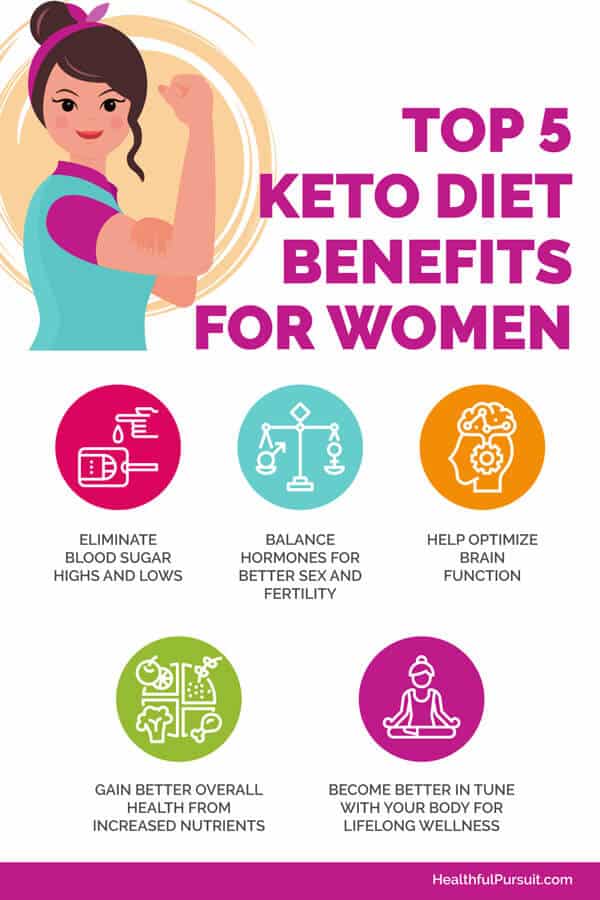
One of the primary benefits of a keto diet for women is weight loss. By following a high-fat, low-carbohydrate approach, many women have reported significant reductions in body weight, body fat percentage, and waist circumference. The shift to burning fat for fuel can help women shed those stubborn pounds and achieve a more desirable body composition.
Increased Energy
Another advantage of a keto diet for women is increased energy. As your body becomes adapted to using fat as its primary fuel source, you may experience more consistent energy levels throughout the day. Many women report feeling less fatigued, having improved stamina during workouts, and experiencing enhanced mental focus and clarity.
Improved Mental Clarity
The keto diet has been associated with improved mental clarity in women. By stabilizing blood sugar levels and providing a steady source of energy from fats, the ketogenic diet can help reduce brain fog and enhance cognitive function. Many women have reported increased productivity, better focus, and improved overall mental well-being.
Improved Hormonal Balance
Hormonal balance is crucial for women’s overall health and well-being. The keto diet has been found to have a positive impact on hormone regulation in women. By reducing carbohydrate intake and stabilizing blood sugar levels, the keto diet can help improve insulin sensitivity, reduce insulin resistance, and regulate other hormones involved in menstruation and fertility.
Reduced Symptoms of PCOS
Polycystic ovary syndrome (PCOS) is a common hormonal disorder that affects many women. Some studies have shown that a keto diet can help alleviate the symptoms of PCOS. By reducing insulin levels and regulating hormone production, the keto diet may help regulate menstrual cycles, reduce excessive hair growth, improve fertility, and promote weight loss in women with PCOS.
Improved Management of Menopause Symptoms
For women going through menopause, the keto diet may offer relief from some common symptoms. Many women experience weight gain, hot flashes, reduced energy, and mood swings during menopause. The ketogenic diet, with its ability to promote weight loss, stabilize blood sugar levels, and improve energy, may help manage these symptoms and improve overall well-being during this life stage.

The Importance of Macronutrient Ratios on a Keto Diet
Understanding Macronutrients
Macronutrients are the three main components of our diet: carbohydrates, protein, and fat. Each macronutrient plays a distinct role in the body and has a unique impact on metabolism and overall health.
The Ideal Macronutrient Ratio for Women on Keto
For women on a keto diet, the ideal macronutrient ratio is typically 70-75% fat, 20-25% protein, and 5-10% carbohydrates. This macronutrient ratio is designed to promote ketosis and maximize fat burning while providing enough protein for muscle maintenance and repair.
The Role of Protein in a Keto Diet
Protein is crucial for women on a keto diet as it helps maintain and repair muscles and other tissues. It is essential to consume an adequate amount of protein to prevent muscle loss while on a low-carbohydrate diet. Good sources of protein for women on keto include lean meats, poultry, fish, eggs, dairy products, and plant-based protein sources such as tofu and tempeh.
The Role of Fat in a Keto Diet
Fat is a primary source of energy on a keto diet. It provides the body with essential fatty acids, helps absorb fat-soluble vitamins, and aids in hormone production. Healthy fat sources for women on a keto diet include avocados, nuts and seeds, olive oil, coconut oil, fatty fish, and grass-fed butter.
The Role of Carbohydrates on a Keto Diet
Carbohydrates are significantly restricted on a keto diet to induce ketosis. The limited amount of carbohydrates typically consumed comes from non-starchy vegetables, such as leafy greens, broccoli, cauliflower, and zucchini. These low-carb vegetables provide essential vitamins, minerals, and fiber while keeping carbohydrate intake within the desired range.
Getting Started on a Keto Diet
Consulting with a Healthcare Professional
Before embarking on a keto diet, it is recommended to consult with a healthcare professional, especially if you have any underlying health conditions or are taking medications. A healthcare provider can assess your specific needs, offer guidance on macronutrient ratios, and monitor your progress.
Calculating Macronutrient Ratios
To achieve and maintain ketosis, it is essential to calculate and track your macronutrient ratios accurately. Various online calculators and apps can help you determine your ideal macronutrient ratios based on factors such as age, height, weight, activity level, and goals.
Planning Meals and Grocery Shopping
Meal planning and grocery shopping are key to success on a keto diet. Start by creating a list of keto-friendly foods, including protein sources, healthy fats, and low-carb vegetables. Plan your meals and snacks to ensure they align with your prescribed macronutrient ratios.
Meal Prepping for Success
Meal prepping can save time and ensure you have keto-friendly meals readily available throughout the week. Set aside a specific day each week to prepare and portion your meals, so you’re less likely to resort to unhealthy food choices when you’re busy or tired.
Supplementing with Electrolytes
During the initial stages of a keto diet, you may experience an electrolyte imbalance due to increased diuresis (increased urination) and reduced glycogen stores. This can lead to symptoms such as fatigue, muscle cramps, and headaches. It’s essential to replenish your electrolytes by consuming foods rich in potassium, magnesium, and sodium or considering electrolyte supplements.
Tracking Progress and Making Adjustments
Regularly tracking your progress is crucial for assessing the effectiveness of your keto diet and making any necessary adjustments. Keep a food diary, record your weight and measurements, and track your overall well-being. If needed, consult a healthcare professional or a registered dietitian to make appropriate adjustments to your macronutrient ratios.
Potential Challenges and Solutions on a Keto Diet
Keto Flu and How to Manage It
During the initial stages of transitioning to a keto diet, some individuals may experience symptoms known as the keto flu. These can include fatigue, headache, irritability, and nausea. To manage and minimize these symptoms, it is crucial to stay adequately hydrated, consume enough electrolytes, and gradually reduce carbohydrate intake rather than cutting it out abruptly.
Social Challenges and Dealing with Peer Pressure
Following a strict eating plan like the keto diet can sometimes lead to social challenges and peer pressure. It’s essential to communicate your dietary choices with friends and family, explain the reasons behind your decision, and seek support from like-minded individuals. When dining out or attending social gatherings, there are numerous keto-friendly options available. Being prepared and proactive in your choices can help you navigate these situations successfully.
Dealing with Cravings and Emotional Eating
Cravings and emotional eating can present challenges on a keto diet. It’s essential to recognize that cravings are often temporary and can be managed by maintaining a well-balanced and satiating diet. Including enough healthy fats, protein, and low-carb vegetables in your meals can help keep you satisfied and minimize cravings. Utilizing stress management techniques, such as mindfulness or engaging in hobbies, can also help prevent emotional eating.
Eating Out on a Keto Diet
Eating out while following a keto diet may seem challenging at first, but with a bit of preparation and knowledge, it’s entirely feasible. Look for restaurants that offer keto-friendly options or modify existing menu items to fit your dietary needs. Focus on protein-rich dishes, opt for sides with vegetables instead of starches, and ask for dressings and sauces on the side to control carbohydrate intake.
Traveling on a Keto Diet
Traveling while on a keto diet requires careful planning and preparation. Pack keto-friendly snacks and meals for the journey, research restaurants and grocery stores at your destination, and consider bringing portable keto staples, such as nuts, seeds, jerky, or protein bars, to avoid being caught off guard by limited food options.
Breaking Through Plateaus
Sometimes, despite following a keto diet diligently, you may experience weight loss plateaus or a lack of progress. This can be frustrating, but there are strategies to overcome plateaus. Consider adjusting your macronutrient ratios, increasing physical activity, incorporating intermittent fasting, or seeking advice from a healthcare professional or registered dietitian.
Overcoming Common Misconceptions about the Keto Diet
The Role of Fat in a Keto Diet
One common misconception about the keto diet is that it promotes unhealthy fat consumption. While a keto diet is high in fat, the emphasis is on consuming healthy fats such as avocados, nuts, seeds, and olive oil. These fats provide essential nutrients and are a vital part of a balanced keto diet.
The Sustainability of a Keto Diet
Another misconception is that the keto diet is not sustainable long-term. While some individuals may choose to follow a keto diet for a specific period to achieve certain goals, it can be a sustainable lifestyle choice for others. With proper planning, meal variety, and flexibility, many women have successfully maintained a keto diet in the long run.
The Importance of Variety in a Keto Diet
Another misconception is that a keto diet lacks variety and is restrictive. While the carbohydrate portion is limited, the range of proteins, healthy fats, and low-carb vegetables provides a wide range of food options and meal combinations. Emphasizing diversity within these food groups can help ensure a nutritionally balanced and enjoyable keto diet.
The Connection Between Ketones and Brain Health
The presence of ketones in the body during a keto diet has been linked to potential benefits for brain health. Some studies suggest that ketones may have neuroprotective effects and improve conditions such as Alzheimer’s disease and epilepsy. However, further research is needed to fully understand the extent of these benefits.

Exercise on a Keto Diet
The Benefits of Exercise for Women on Keto
Including regular exercise alongside a keto diet can offer numerous benefits for women. Exercise can aid in weight loss, improve cardiovascular health, increase muscle strength and tone, boost mood and mental well-being, and enhance overall fitness levels.
Finding the Right Exercise Routine
Finding the proper exercise routine while on a keto diet is crucial for achieving optimal results. Choose activities that you enjoy and that align with your fitness goals. This can include a combination of cardiovascular exercises, strength training, flexibility exercises, and activities like yoga or Pilates.
Tips for Exercise Performance on Keto
Performing exercise while on a keto diet may require some adjustments to optimize performance. Ensuring adequate hydration, mainly due to increased water loss during ketosis, and consuming a small pre-workout snack containing a mix of protein and healthy fats can help provide sustained energy during workouts.
Adjusting Macronutrients for Exercise
For intense or prolonged exercise sessions, it may be necessary to adjust your macronutrient ratios to support energy requirements and muscle recovery. Increasing carbohydrate intake slightly before and after workouts can help fuel your workouts and aid in replenishing muscle glycogen.
Potential Side Effects and Risks of a Keto Diet for Women
Ketoacidosis in Women
One potential risk associated with the keto diet is the development of ketoacidosis, primarily in individuals with uncontrolled diabetes. It is crucial for women with diabetes or any other underlying medical condition to work closely with their healthcare provider when embarking on a keto diet to ensure proper monitoring and precautions are in place.
Hormonal Changes and Irregular Cycles
As the body adjusts to the change in macronutrient ratios, some women may experience temporary hormonal changes and irregular menstrual cycles on a keto diet. However, these changes are often temporary, and many women report a return to regular cycles and hormonal balance after the initial adjustment phase.
Gallbladder Issues
A higher intake of dietary fat on a keto diet may increase the risk of gallbladder issues, especially in individuals with a history of gallbladder problems. It is essential to monitor any symptoms such as abdominal pain, indigestion, or bile duct obstruction, and consult a healthcare professional if any concerns arise.
Nutrient Deficiencies
Restricting certain food groups, such as carbohydrates and some fruits, can potentially lead to nutrient deficiencies if not carefully planned and balanced. It’s crucial to ensure a diverse and balanced diet by consuming a wide variety of low-carb vegetables, incorporating nutrient-dense foods, and considering high-quality supplements if needed.
Impact on Bone Health
Some studies suggest that long-term adherence to a keto diet may have a positive impact on bone health, potentially due to changes in bone turnover and mineral density. Adequate calcium intake, weight-bearing exercise, and regular monitoring of bone health markers are essential for women following a keto diet.

Suitability of a Keto Diet for Women with Specific Health Conditions
Pregnancy and Breastfeeding
Pregnancy and breastfeeding require additional nutrients and caloric intake, and a keto diet may not be suitable during this time. It is crucial to prioritize a well-balanced diet that meets the specific nutritional needs of the mother and unborn child or nursing infant. Consultation with a healthcare professional who specializes in prenatal or postpartum nutrition is highly recommended.
PCOS
The keto diet has been shown to have potential benefits for women with polycystic ovary syndrome (PCOS), including weight loss, improved insulin sensitivity, and regular menstrual cycles. However, women with PCOS need to work closely with their healthcare provider to determine the most appropriate dietary approach and monitor any potential impacts on hormone levels.
Menopause
The keto diet may provide relief from some common symptoms experienced during menopause, such as weight gain, hot flashes, and reduced energy. As with any significant dietary changes, it is essential for women going through menopause to work with their healthcare provider to ensure their nutrition is adequate and aligned with their specific needs.
Thyroid Conditions
Women with thyroid conditions may need to exercise caution when following a keto diet, as severe carbohydrate restriction can potentially impact thyroid function. Women with thyroid conditions should consult their healthcare provider to determine the most suitable dietary approach and monitor their thyroid hormone levels regularly.
Diabetes
Individuals with diabetes can potentially benefit from a keto diet as it can help regulate blood sugar levels and improve insulin sensitivity. However, it is crucial to work closely with a healthcare provider to adjust diabetes medications and carefully monitor blood glucose levels, especially during the initial phases of the keto diet.
The keto diet can offer numerous benefits for women, including weight loss, increased energy, improved mental clarity, and hormonal balance. By understanding the importance of macronutrient ratios, planning and preparing meals, managing potential challenges, and considering individual health conditions, women can successfully embark on a keto diet while promoting overall well-being and achieving their health goals.
As with any dietary change, it is essential to consult with a healthcare professional to design a personalized approach and ensure any potential risks or concerns are appropriately addressed.
RELATED TOPICS ABOUT Keto Diet For Women:
Ketogenic Diet for Women,
Women’s Keto Diet,
Keto Plan for Women,
Female Keto Diet Plan,
Keto for Women’s Weight Loss,
Women’s Low Carb Diet,
Keto for Women to Lose Weight,
Keto Diet for Women over 40,
Keto for Women over 50,
Belly Fat Keto for Women,
Hormonal Balance Keto for Women,
Keto for Pcos and Women’s Health,
Keto for Women Hormones,
Keto and Female Hormones,
Keto for Women’s Metabolism,
Keto for Women’s Energy and Mood,
Keto and Thyroid Health in Women,
Keto and Estrogen Balance,
Keto Meal Plan for Women,
7 Day Keto Diet for Women,
Monthly Keto Plan for Females,
Easy Keto Recipes for Women,
Female Keto Grocery List,
Intermittent Fasting and Keto for Women,
Printable Keto Plan for Women,
Keto Diet for Women Pdf,
Beginner Keto for Women Guide,
Keto Cheat Sheet for Women,
Free Keto Plan for Women,
Keto for Busy Moms,
Keto for Working Women,
Keto Diet for Female Beginners,
Keto for Women After Menopause,
Keto for Women with Pcos
==========
Content 10/10/G


